Yamaha 85HP Outboard Motor: Specs, Prices & Worldwide Shipping

Every week we get someone asking about a Yamaha 85hp outboard, usually because they’re repowering a boat that came from the factory with an old carbureted 85 sitting on the transom, or because a friend’s gauge still reads “85” from a decade-old rig. Here’s the straight answer up front: Yamaha hasn’t built a dedicated 85 horsepower model in its current four-stroke lineup for some years now. What used to sit at 85hp in the old two-stroke and early four-stroke catalogs has been consolidated into the modern F90, a 1.8-liter inline-four that’s the direct descendant of that horsepower class and, in most real-world respects, the engine you actually want if you’re shopping for a Yamaha 85hp outboard today. This guide covers what happened to the 85hp class, what the current equivalent looks like on paper, and which unit we have ready to ship.
In this guide:
- What Happened to the Yamaha 85HP Class
- Specifications: The Modern 85-90HP Equivalent
- What We Have In Stock Right Now
- Boats This Horsepower Class Fits
- Old 85HP Two-Stroke vs the Current Four-Stroke
- Fuel Burn and Running Costs
- Yamaha vs Suzuki and Honda in This Class
- Maintenance Basics
- Worldwide Shipping
- FAQs
What Happened to the Yamaha 85HP Class
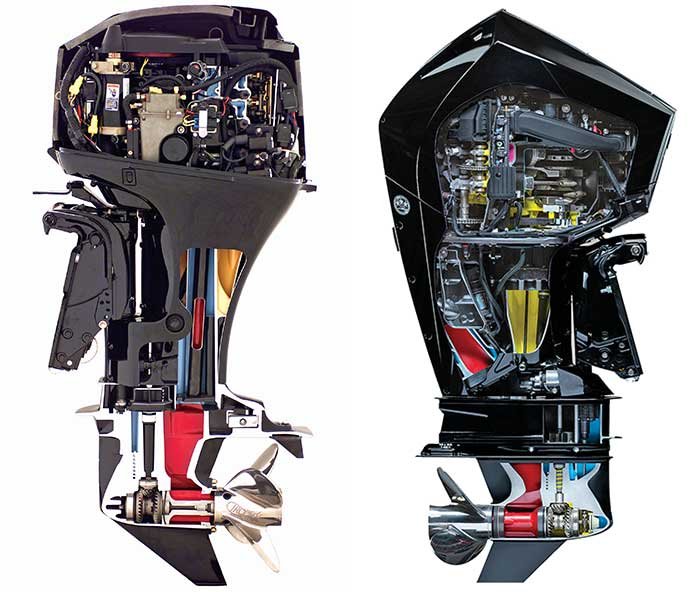
Back in the two-stroke era, and into the early years of four-stroke outboards, 85 horsepower was a genuine standalone rating in a lot of manufacturers’ lineups, Yamaha included. As emissions regulations tightened through the 2000s and engine architecture shifted toward four-stroke designs almost universally, manufacturers started consolidating horsepower steps. Yamaha’s midrange four-stroke family now steps from 75hp to 90hp to 115hp, all sharing the same 1.8-liter inline-four block with different tuning, rather than offering a separate 85hp casting.
What that means practically is that if your boat’s capacity plate or old rigging called for an 85hp Yamaha, you have two honest paths forward: buy a well-maintained used 85hp unit from the older two-stroke or early four-stroke generation, or step up to the current F90, which sits close enough in output and weight that it’s the recommended repower path from Yamaha dealers handling this exact question every day. We carry both types of inventory depending on what’s come through, and we’ll walk you through the tradeoffs honestly rather than just pointing you at whatever happens to be in stock.
Specifications: The Modern 85-90HP Equivalent
Here’s the spec sheet for the current Yamaha F90, the direct modern equivalent to the old 85hp class and the unit most buyers land on when they start out searching for a Yamaha 85hp outboard.
| Spec | Detail |
|---|---|
| Engine Type | Inline 4-cylinder, SOHC, 16-valve |
| Displacement | 1,832cc (1.8L) |
| Bore x Stroke | 81mm x 88.9mm |
| Full Throttle RPM Range | 5,000 – 6,000 rpm |
| Fuel Induction | Electronic Fuel Injection (EFI) |
| Alternator Output | 35 amp, three-phase |
| Starting | Electric |
| Gear Ratio | 2.15:1 |
| Weight | 353-362 lbs depending on shaft length |
| Shaft Length | 20″ (L) or 25″ (X) |
| Recommended Fuel | 87 octane minimum, regular unleaded |
The bigger 1.8-liter block compared to older 85hp two-strokes gives the F90 a noticeably different power delivery, torquier and smoother off idle, which most owners actually prefer once they’ve run it for a season, even if they came in specifically searching for the older 85hp designation out of habit.
What We Have In Stock Right Now
Our inventory in this horsepower bracket shifts as older units come through trade-ins and repowers, so if you’re specifically after a genuine older 85hp two-stroke, reach out and we’ll tell you honestly what’s available and its documented condition. For the current four-stroke equivalent, we stock the Yamaha 90 HP F90XB, an extra-long shaft configuration that’s the closest new-generation match to the classic 85hp class in both weight and real-world power delivery.
If your boat is on the smaller side and 90hp feels like more than you need, it’s worth also looking at our Yamaha 60 HP F60LB, which covers a lighter-duty version of similar applications at a lower price point and lighter weight. On the other end, if you’re leaning toward more power than the old 85hp class offered, our Yamaha 200hp inline-four lineup is worth a look for a serious step up in performance on the right hull.
Boats This Horsepower Class Fits
Mid-size center consoles in the 20 to 23 foot range are the classic home for this horsepower bracket, along with bay boats, flats boats needing enough power to get up and running in skinny water without excessive draft, and deck boats carrying a full load of passengers on weekend outings. If your boat’s manufacturer plate specifies 85hp as a factory-rated maximum, the current F90 sits close enough in weight that it typically doesn’t require re-certifying the transom rating, though we always recommend confirming with your boat’s manufacturer or a qualified rigger before finalizing a repower.
Pontoons and tritoons on the larger end also land in this range when the owner wants genuinely spirited performance rather than just get-there-and-back cruising, since the extra torque over a 60hp unit noticeably improves hole shot and top speed with a full boat of passengers.
Old 85HP Two-Stroke vs the Current Four-Stroke
If you’re weighing a genuine used 85hp two-stroke against the modern F90 four-stroke equivalent, the honest tradeoffs come down to upfront cost versus running cost. A used two-stroke 85hp typically costs meaningfully less upfront, and if it’s been well maintained it can still deliver years of solid service, particularly for buyers who aren’t putting heavy annual hours on the boat. What you give up is fuel economy, roughly 30 to 40 percent worse than the equivalent four-stroke at cruising speed, plus the ongoing need to mix oil, more smoke and smell at idle, and generally louder operation.
The four-stroke F90 costs more upfront but pays that back over time in fuel savings for anyone running real hours, plus it starts easier when cold, idles cleaner, and holds resale value better since the entire industry has shifted to four-stroke, making parts and service for two-strokes progressively harder to source as the years go on. For a boat that gets used regularly, we generally steer buyers toward the four-stroke unless budget is the deciding factor.
Fuel Burn and Running Costs
At a typical cruising speed, the current F90 four-stroke runs somewhere in the 5 to 6.5 gallon per hour range depending on load and hull, meaningfully better than what most owners report from older carbureted 85hp two-strokes at a comparable speed. Idle and trolling fuel consumption is where the gap widens even further, since EFI holds a clean, steady low rpm without the rich mixture two-strokes typically need to avoid fouling plugs at idle.
Over a full season, particularly for anyone fishing regularly and spending real hours at trolling speed rather than just running point to point, the fuel savings from the four-stroke add up to a genuinely significant number, which is a big part of the calculation for owners deciding whether the higher upfront cost of the four-stroke pencils out.
Yamaha vs Suzuki and Honda in This Class
Suzuki’s closest competitor in this range is the DF90A, sharing a similar four-cylinder, EFI-driven architecture and landing within a few pounds of the Yamaha F90’s weight. Honda’s BF90 rounds out the comparison, historically known for smooth, quiet operation, though it typically runs a bit heavier than either the Yamaha or Suzuki equivalent. All three are well-proven engines at this point, and the decision often comes down to existing brand loyalty, dealer network in your area, or simply which unit is available at the right price and condition when you’re ready to buy.
Yamaha’s edge for a lot of our international buyers specifically comes down to the depth of the global parts network, since Yamaha dealers and qualified mechanics exist in more corners of the world than almost any competing brand, which matters a great deal if you’re exporting the engine somewhere outside a major boating market.
Maintenance Basics
The current F90 follows the same maintenance rhythm as the rest of Yamaha’s four-stroke midrange: oil and filter change every 100 hours or annually, spark plug check yearly, and a water pump impeller inspection every one to two seasons depending on operating environment. Guidance from the EPA on ethanol-blended fuel is directly relevant here too, since stale fuel is one of the most common causes of hard starting on any EFI outboard that’s sat unused for a stretch, this horsepower class included.
If you’re running an older genuine 85hp two-stroke instead, the maintenance picture is different: oil-to-fuel mixing ratios need to stay accurate, spark plugs foul more readily and need more frequent attention, and the fuel system is generally less forgiving of ethanol-blended pump gas than a modern EFI setup, so stabilizing fuel before storage matters even more.
Worldwide Shipping
Whether you land on a genuine used 85hp two-stroke or the current F90 four-stroke, we ship worldwide by air or ocean freight and provide an actual landed cost quote to your address or port before you commit to a purchase. We handle export documentation directly so you’re not left figuring that part out on your own.
What Drives Pricing in This Horsepower Class
For a genuine used 85hp two-stroke, age and total hours matter a lot, but so does how consistently the engine was flushed after saltwater use, since corrosion in the powerhead and lower unit is the single biggest value killer on older two-strokes. We check for this specifically on every unit that comes through, rather than just looking at cosmetic condition, because a clean-looking cowling can hide a lower unit that’s seen years of saltwater neglect.
For the current F90 four-stroke, pricing follows the same logic as most of our midrange inventory: hours and compression matter most, followed by shaft length, with the more common 20 inch configuration generally moving faster than the 25 inch extra-long shaft simply because fewer boats need the longer option. Steering type, tiller versus remote, is a smaller factor but still worth confirming matches your existing rigging before you commit to a purchase, since swapping control types after the fact adds real cost.
Choosing Between the Old Class and the New Equivalent
If your boat is genuinely older, was rigged from the factory for an 85hp two-stroke, and you’re not putting heavy annual hours on it, a well-maintained used two-stroke in this class can be a perfectly sensible, budget-friendly choice, and there’s nothing wrong with sticking to what the boat was originally designed around. The main things to verify before buying are compression across all cylinders, visible corrosion on the powerhead and lower unit, and whether the engine has a working hour meter or documented service history you can actually trust.
If you’re fishing or running the boat enough hours per season that fuel cost is a real line item, or if you simply want the easier cold starts, quieter operation, and stronger resale value that come with a modern four-stroke, the F90 is worth the step up even though it costs more at purchase. Most owners who make that switch tell us afterward that the difference in how the boat runs, especially at idle and low trolling speeds, was bigger than they expected going in.
What to Check Before Buying a Used Engine in This Class
Regardless of which route you go, a handful of checks apply to any used outboard in this general horsepower bracket. Compression across all cylinders is the first and most important number, since a weak or uneven reading points to internal wear that’s expensive to address regardless of engine type. We run and document this on every unit before it’s listed rather than leaving it for the buyer to discover after purchase.
Lower unit oil condition comes next. Milky or contaminated gear oil is a clear sign of a failed seal letting water intrude, and it’s a problem that only gets worse and more expensive the longer it goes unaddressed. Fuel system condition, particularly on any engine that’s sat for a while between uses, rounds out the core checks, since gummed carburetor jets on an older two-stroke or a stale-fuel-fouled injector on a four-stroke are both common, and both are usually fixable without major expense if caught early.
FAQs
Does Yamaha still make an 85hp outboard?
Not as a standalone current model. The 75, 90, and 115hp four-strokes share the same 1.8-liter block, and the F90 is the closest modern equivalent to the old 85hp class in both weight and output.
Is the Yamaha F90 a good replacement for an old 85hp two-stroke?
Yes, for most owners. It’s close in weight, meaningfully better on fuel, starts easier, and runs quieter, though it does cost more upfront than a comparable used two-stroke.
What boats typically ran an 85hp Yamaha outboard?
Mid-size center consoles, bay and flats boats, deck boats, and larger pontoons, typically in the 20 to 23 foot range for planing hulls.
Do you have genuine used Yamaha 85hp two-stroke units in stock?
Availability varies since these come through as trade-ins rather than as a current production model. Contact us directly for current stock and documented condition.
Do you ship this horsepower class internationally?
Yes, we ship worldwide by air or ocean freight and quote landed cost before purchase.
How much does the Yamaha F90 weigh compared to an old 85hp two-stroke?
The current F90 weighs 353 to 362 pounds depending on shaft length, which is close enough to most older 85hp two-strokes that repowers typically don’t require re-rating the transom, though confirming with your boat’s manufacturer is always the safe move.
Whether you’re set on the genuine older Yamaha 85hp outboard or ready to step up to the current F90 equivalent, we can get you into a tested, run-checked unit with a straightforward worldwide shipping quote. Browse our current Yamaha stock above or send us your boat’s details and horsepower rating and we’ll point you to the right unit.
Expert Tips
Before you commit, write down how you really use the boat: how many people you carry, how far you go, and whether you need to plane quickly or cruise slowly. That picture makes it much easier to choose the right horsepower, shaft length, controls and propeller, and avoids paying for features you will not use.
Read the model code on any listing carefully. Letters in the code usually describe shaft length, starting method, steering, trim and rotation, and two engines that look identical in photos can be set up quite differently. If anything is unclear, ask before you order.
Key Points to Remember
- Start with your boat’s capacity plate: never exceed the rated horsepower or weight.
- Match the shaft length to your transom height.
- Choose tiller or remote steering, and manual or electric start, to suit how you use the boat.
- Read the model code carefully; it tells you shaft length, controls, rotation and colour.
- Budget for the full package: controls, gauges, propeller, battery and rigging.
- Confirm exactly what is included with the engine before you order.
Practical Checklist
Use this quick checklist to put the advice in this article into practice:
- Check the capacity plate for maximum horsepower and weight
- Measure transom height from the top of the transom to the bottom of the hull
- Decide on steering, starting and trim requirements
- Compare model codes and specifications
- Ask what is included: propeller, controls, fuel tank, cables
- Inspect the crate on delivery and note any damage before signing
More Questions Answered
What shaft length do I need?
Measure from the top of the transom to the bottom of the hull on the centreline: about 15 inches suits a short shaft, 20 a long shaft, 25 an extra-long shaft and 30 an ultra-long shaft.
Should I buy new or used?
New engines give you a known history and full manufacturer support. A well-documented used engine can save money, but check hours, compression and service records carefully.
How much power do I really need?
Most owners choose an engine at 75 to 100 percent of the boat’s rated maximum, which usually gives the best balance of performance, economy and resale value.
Yamaha 85 HP Outboards to Consider
If you are shopping for an engine after reading this guide, these models are a good place to start. Each listing has full specifications, the model code explained and buying advice.
Related Guides
- Yamaha 60HP Outboard Motor: Specs, Prices & Worldwide Shipping
- Yamaha 2.5HP Outboard Motor: Full Specs, Prices & Worldwide Shipping
- Yamaha 425HP Outboard Motor: Full V8 Specs, Prices & Worldwide Shipping
- Yamaha 115HP Outboard Motor: Specs, Prices & Worldwide Shipping
- Yamaha 200HP Outboard Motor: Specs, Prices & Worldwide Shipping
- Yamaha 6HP Outboard Motor: Full Specs, Prices & Worldwide Shipping
Next Steps
Browse Yamaha or the full outboard shop. Read our shipping policy for delivery details, and contact us if you would like help choosing the right engine for your boat.
Posts Widget
-
1
-
2
-
3
-
4


S.H Continental Marine
USA HERALD MAGAZINE INC
Our team is dedicated to providing exceptional customer service.
Email: info@shcontinentalmarine.com
Choose S.H Continental Marine
for your outboard engine needs and enjoy superior quality, exceptional customer service, and unbeatable prices.