
Honda Outboard Engine Cooling System Maintenance 2
Honda Outboard Engine Cooling System Maintenance
Let’s keep this simple and practical. Honda Outboard Engine Cooling System Maintenance
If you’re searching Honda Outboard Engine Cooling System Maintenance, there’s a good chance one of two things is happening:
- Your engine is overheating
- Or you’re trying to prevent that from happening
And honestly, that’s smart.
Because cooling system problems are one of the biggest reasons outboard engines fail earlier than they should.
Most of the time, it doesn’t happen all at once either. It starts small. A weak water stream. A little extra heat. Maybe a warning alarm.
People ignore it… until the engine starts giving serious problems.
So let’s go through this the way real boat owners deal with it—not with robotic explanations nobody actually uses. Honda Outboard Engine Cooling System Maintenance
Why the cooling system matters so much
A Honda outboard engine depends on proper cooling every second it runs.
Unlike a car engine sitting under a hood, an outboard works constantly around water, heat, salt, debris, and changing conditions.
If the cooling system stops doing its job:
- Engine temperature rises fast
- Internal parts wear quicker
- Serious damage can happen
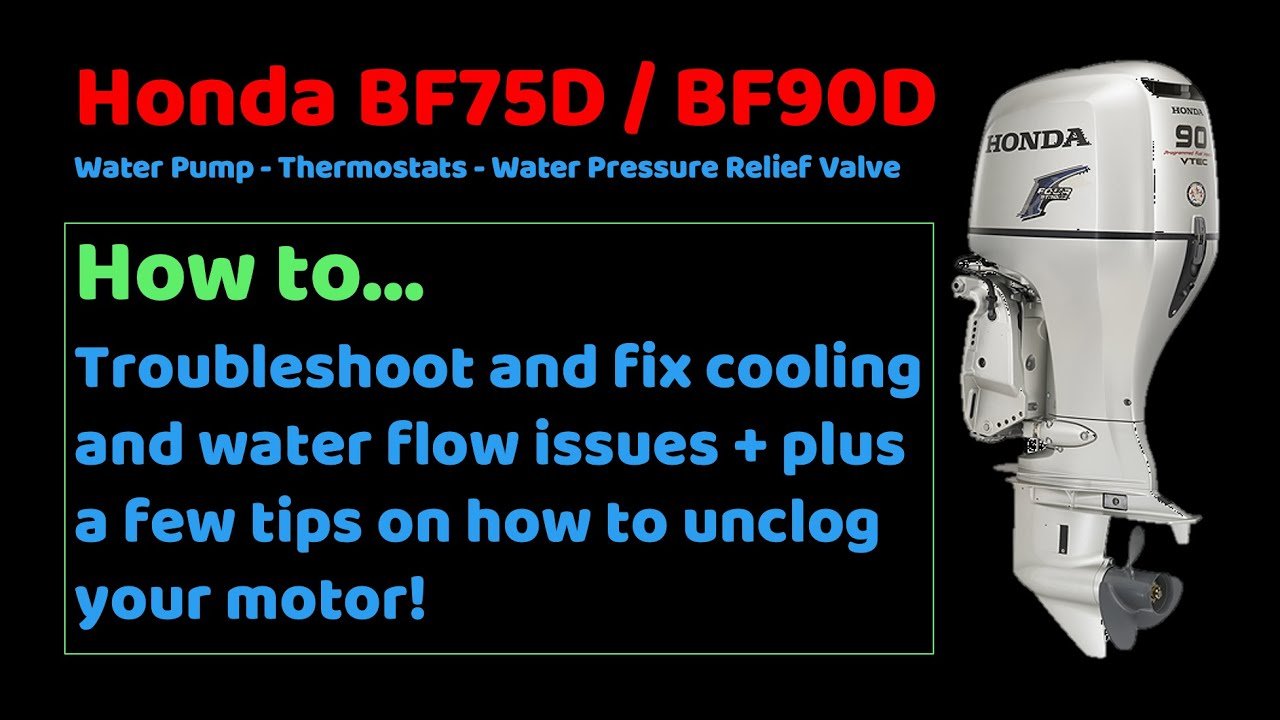
That’s why Honda Outboard Engine Cooling System Maintenance matters more than people realize. Honda Outboard Engine Cooling System Maintenance
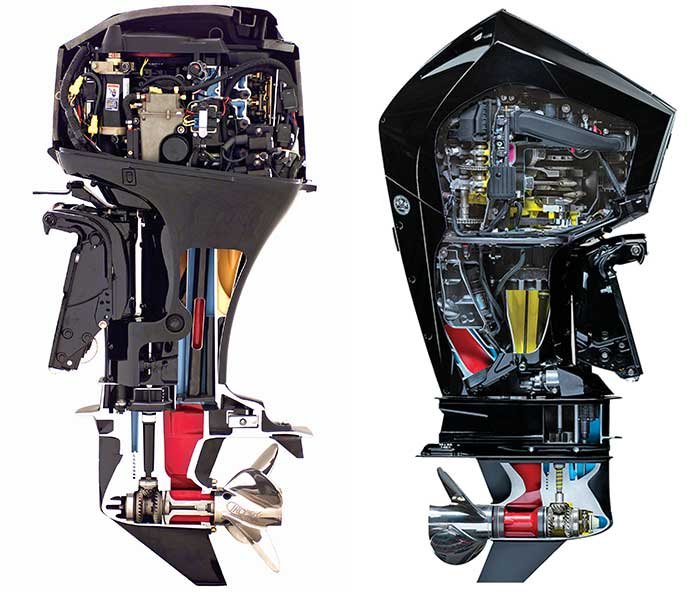
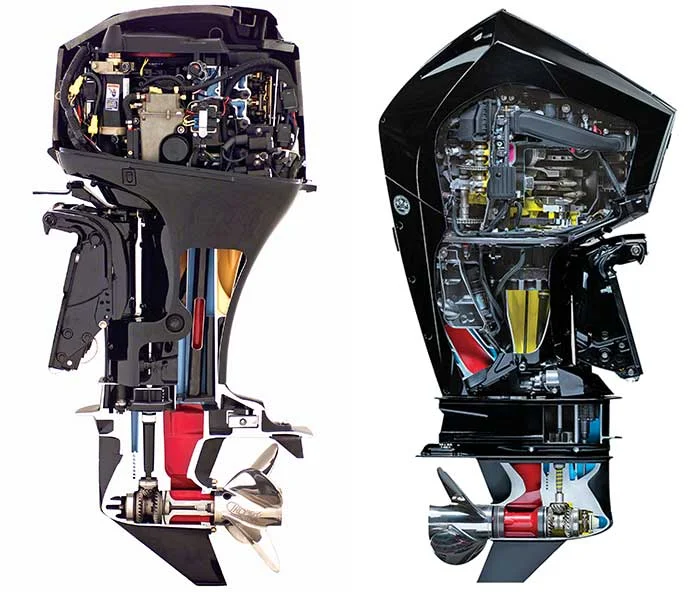
How the cooling system actually works
Let’s keep this basic.
Your outboard pulls water in from outside.
That water moves through:
- Water intake
- Water pump
- Cooling passages
Then it cools the engine before exiting back out.
Simple system—but if one part fails, everything gets affected. Honda Outboard Engine Cooling System Maintenance
The first warning sign most people notice
Usually it’s weak water flow.
That small stream of water coming from the engine tells you a lot.
If it becomes:
- Weak
- Inconsistent
- Completely gone
Something is wrong.
And this is where many people make mistakes.
They keep running the engine anyway. Honda Outboard Engine Cooling System Maintenance
Saltwater causes more problems than people think
Salt buildup is one of the biggest issues with outboards.
Over time, salt creates:
- Blockages
- Corrosion
- Reduced water flow
That’s why flushing the engine matters so much after saltwater use.
Freshwater flushing — don’t skip it
This is one of the simplest things you can do.
After using the engine:
- Flush it with clean freshwater
- Let water circulate properly
- Remove salt and debris buildup
It takes a little time but saves major problems later. Honda Outboard Engine Cooling System Maintenance
The water pump — the heart of the cooling system
This part matters a lot.
The water pump moves cooling water through the engine.
Inside it is the impeller.
And the impeller wears out over time. Honda Outboard Engine Cooling System Maintenance
What happens when the impeller fails
When the impeller wears down:
- Water flow decreases
- Engine temperature rises
- Cooling becomes inconsistent
This is one of the most common overheating causes.
Signs your cooling system has problems
Watch for:
- Overheating alarms
- Weak water stream
- Steam
- Reduced performance
- Higher engine temperature
These are warnings, not suggestions. Honda Outboard Engine Cooling System Maintenance
Don’t ignore overheating
This is where serious damage starts.
Overheating can lead to:
- Warped components
- Internal engine wear
- Head gasket damage
- Complete engine failure
That’s why cooling system maintenance matters. Honda Outboard Engine Cooling System Maintenance
How often should you inspect the system?
Keep it simple.
Basic checks:
- Before use
- After use
- During routine maintenance
You don’t need to overcomplicate it.
Just stay consistent.
Common cooling system mistakes
This happens constantly.
People:
- Ignore weak water flow
- Skip flushing
- Wait too long to replace the impeller
- Continue running overheated engines
That’s usually how expensive repairs begin.
Thermostat problems
The thermostat controls engine temperature.
If it sticks:
- The engine may overheat
- Cooling becomes inconsistent
It’s a small part, but it matters.
Debris blockage
Sometimes the issue is simple.
Things like:
- Sand
- Mud
- Seaweed
Can block water flow.
That’s why checking the intake area matters.
Storage also affects the cooling system
If the engine sits too long without proper care:
- Corrosion develops
- Salt buildup hardens
- Cooling passages become restricted
Proper storage helps avoid this.
When maintenance is no longer enough
Let’s be honest.
Sometimes the engine has already suffered damage.
If the engine:
- Keeps overheating
- Runs poorly
- Has internal damage
Then repairs may no longer make financial sense.
Repair vs replacement
At some point, replacing the engine becomes the smarter option.
Especially when:
- Repair costs keep increasing
- Downtime becomes frustrating
- Reliability drops
That’s why many buyers switch to tested used outboard engines.
Why people buy used Honda outboard engines
Simple reason:
👉 Value.
You can still get:
- Reliable performance
- Lower hours
- Strong condition
Without paying full new-engine prices.
What a used outboard engine actually is
Used doesn’t automatically mean bad.
Many engines come from:
- Boats retired early
- Units upgraded by owners
- Low-hour marine equipment
That’s why tested engines matter.
What “tested” should mean
A proper engine should be checked before sale.
Basic checks include:
- Cooling system function
- Overall running condition
- Water flow performance
- Oil and internal condition
That gives buyers more confidence.
Typical specifications buyers should expect
When buying a Honda outboard engine, you should see:
- Horsepower
- Engine type
- Shaft length
- Hours of use
- Fuel type
- Overall condition
Simple and clear information matters.
Buying process (simple)
The process is straightforward:
- Confirm engine requirements
- Review details and specifications
- Make payment
- Shipping is arranged
That’s it.
Shipping worldwide
Outboard engines are shipped globally every day.
Proper shipping includes:
- Secure crating
- Safe transport handling
- Protected delivery
As long as it’s handled correctly, the process is smooth.
What we provide
If you’re searching Honda Outboard Engine Cooling System Maintenance, we also help when maintenance alone is no longer enough.
We provide:
- Tested Honda outboard engines
- Clear specifications
- Accurate condition details
- Fair pricing
- Worldwide shipping support
No confusion.
Why regular maintenance saves money
This is the reality.
Basic maintenance costs far less than:
- Major repairs
- Engine replacement
- Downtime during boating season
A little attention early prevents bigger problems later.
Final thoughts
If you’re looking into Honda Outboard Engine Cooling System Maintenance, you’re already thinking the right way.
Because most cooling system failures don’t happen suddenly.
They happen after small warning signs get ignored.
Keep it simple:
- Flush the engine
- Watch water flow
- Replace worn parts on time
- Don’t ignore overheating
That alone prevents most major problems.
And if the engine reaches the point where repairs stop making sense, replacing it with a tested unit is often the smarter move.
FAQ
Why is my Honda outboard overheating?
Usually due to poor water flow, impeller issues, or blockages.
How often should I flush my engine?
After every saltwater use.
What does the water pump do?
It circulates cooling water through the engine.
How do I know if the impeller is bad?
Weak water flow and overheating are common signs.
Can salt damage the cooling system?
Yes, salt buildup causes corrosion and blockages.
How often should the cooling system be inspected?
Regularly during normal maintenance.
Are used outboard engines reliable?
Yes, if properly tested.
Can outboard engines be shipped worldwide?
Yes.
Do you provide tested Honda outboards?
Yes.
How do I order?
Contact us, confirm specifications, and proceed.
If something isn’t clear, ask before making a decision. It’s always better than dealing with expensive problems later.
Yamaha 300HP Outboard Review: Built for Speed and Strength – Yamaha 300HP outboard for sale
Electric vs Gas Outboard Motors: Pros, Cons & Which is Right for You
Posts Widget
- 1

- 2

- 3
- 4


S.H Continental Marine
USA HERALD MAGAZINE INC
Our team is dedicated to providing exceptional customer service.
Email: info@shcontinentalmarine.com
Choose S.H Continental Marine
for your outboard engine needs and enjoy superior quality, exceptional customer service, and unbeatable prices.
