
Honda Outboard Engine Maintenance Guide for Beginners 2
Honda Outboard Engine Maintenance Guide for Beginners
Let’s keep this simple. Honda Outboard Engine Maintenance Guide for Beginners
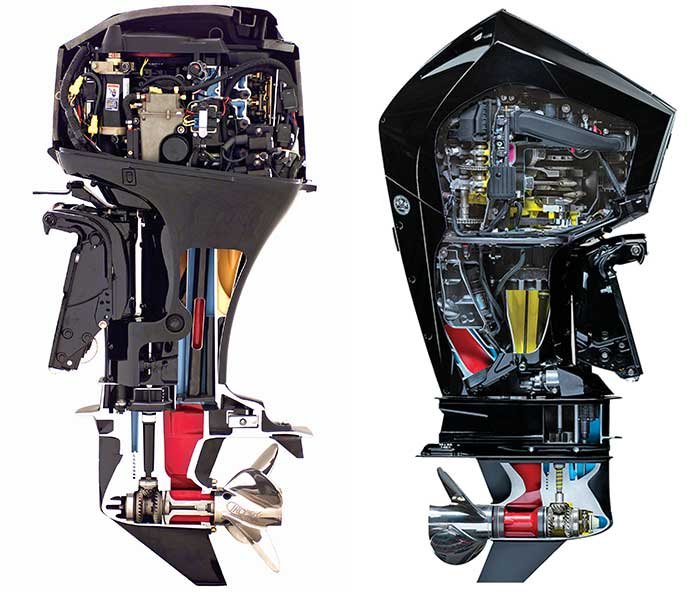
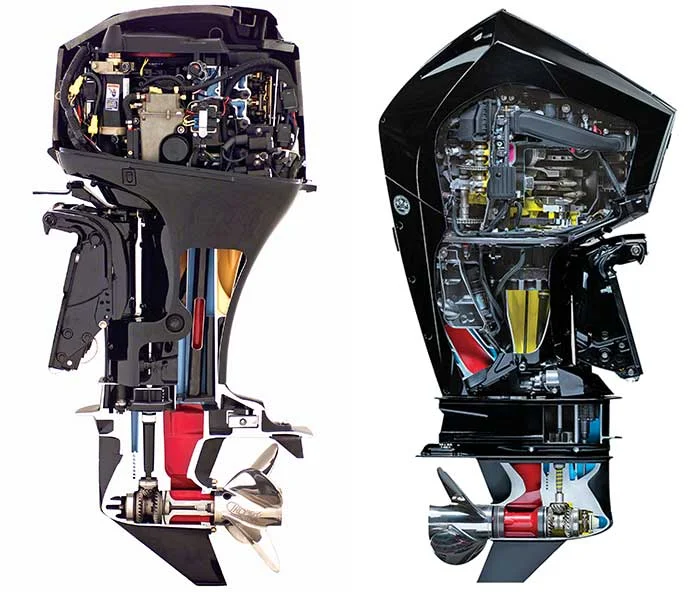
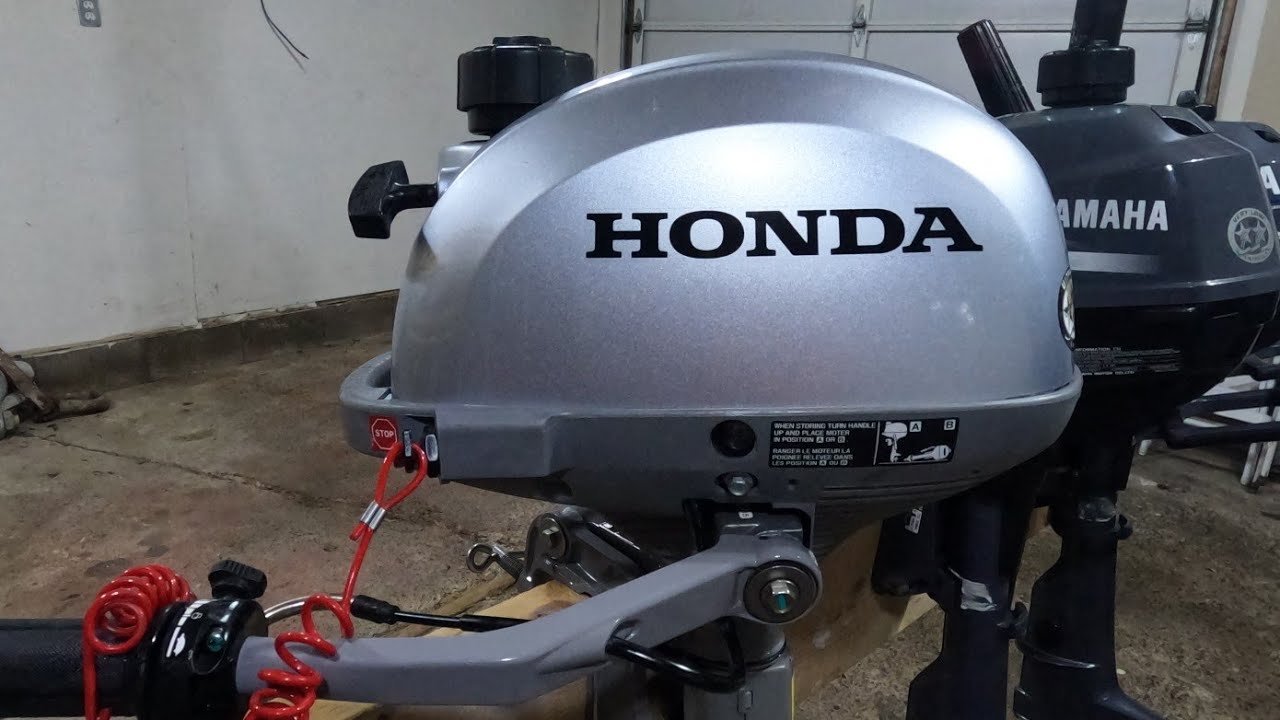
If you’re searching Honda Outboard Engine Maintenance Guide for Beginners, you’re probably new to owning or running an outboard engine. Maybe you just bought one. Maybe you’re about to. Or maybe you’ve had one for a while and realized… you should probably start taking better care of it.
Good move.
Because outboard engines don’t fail overnight. They wear down slowly, usually because of small things that get ignored.
This guide isn’t complicated. It’s just the basics that actually matter.
Why maintenance matters more than you think
A Honda outboard engine is built to last.
But that doesn’t mean you can ignore it.
Without maintenance:
- Parts wear faster
- Performance drops
- Problems show up earlier
With basic care, the same engine can run for years without major issues.
That’s the difference.
First rule — don’t wait for problems
Most beginners wait until something goes wrong.
That’s backwards.
Maintenance is about preventing problems, not reacting to them.
If you follow this Honda Outboard Engine Maintenance Guide for Beginners, you’ll avoid most of the common issues people run into.
Start with the basics
You don’t need tools or experience for this.
Just get used to checking your engine before and after use.
Look for:
- Oil leaks
- Loose parts
- Anything that looks different
That alone helps more than people expect.
Oil — the most important thing
If there’s one thing you don’t skip, it’s this.
Oil keeps everything moving smoothly.
For beginners, keep it simple:
- Check oil level regularly
- Change oil on time
- Use the right type
Dirty or low oil leads to wear faster than anything else.
Cooling system — don’t ignore it
Your engine relies on water cooling.
If it doesn’t cool properly, it overheats.
Watch for:
- Weak water flow
- High temperature
- Unusual behavior
If something feels off, don’t ignore it.
Fuel system
Fuel problems are common.
To avoid them:
- Use clean fuel
- Don’t let fuel sit too long
- Check fuel lines
Simple steps, but they prevent bigger issues.
Spark plugs
These are small but important.
If your engine:
- Struggles to start
- Runs rough
Spark plugs might be the issue.
They’re easy to check and replace.
Battery and electrical
Even beginners can handle this.
Check:
- Battery charge
- Connections
- Wiring condition
A weak battery causes starting problems.
Cleaning the engine
Salt, dirt, and debris build up over time.
After use:
- Rinse with fresh water
- Wipe down surfaces
This helps prevent corrosion.
Storage — where beginners go wrong
If you’re not using the engine for a while, don’t just leave it.
Proper storage includes:
- Cleaning it
- Draining fuel if needed
- Keeping it in a dry place
Neglecting this leads to problems later.
How often should you service it?
Keep it simple.
- Basic checks → every use
- Oil changes → regularly (based on usage)
- Full inspection → occasionally
Consistency matters more than perfection.
Signs something is wrong
Even beginners can spot this.
Watch for:
- Hard starting
- Loss of power
- Unusual noise
- Smoke
If you notice these, don’t ignore them.
When maintenance is not enough
Let’s be real.
Maintenance helps—but it doesn’t fix everything.
If your engine:
- Keeps breaking down
- Needs constant repair
- Loses performance
Then you’re dealing with something bigger.
Repair vs replacement
At some point, you have two options:
- Keep repairing
- Replace the engine
If repairs keep adding up, replacement often makes more sense.
Why people choose used Honda outboard engines
Most beginners don’t go for brand-new engines.
They choose used ones because:
- Lower cost
- Still reliable
- Faster solution
That’s where we come in.
What a used engine actually is
Used doesn’t mean worn out.
Many engines come from:
- Boats taken out of service
- Low-use engines
- Units removed while still working
So you can still get a solid engine.
What “tested” should mean
This matters.
A proper engine should be checked before sale.
Basic checks include:
- Running condition
- Oil system
- Overall performance
If this isn’t clear, don’t move forward.
Typical specifications you should expect
When buying a Honda outboard engine, you should see:
- Horsepower (e.g., 20HP, 40HP, 90HP, 150HP)
- Engine type (4-stroke)
- Fuel type (gasoline)
- Shaft length
- Hours of use
- Condition
Simple, clear details.
Buying process (simple)
Here’s how it works:
- Confirm your engine needs
- Get full details
- Make payment
- Shipping is arranged
That’s it.
Buying worldwide
You’re not limited to local options.
You can find the engine you need and have it shipped.
As long as everything is handled properly, it’s straightforward.
Shipping
Outboard engines need proper handling.
- Secure packaging
- Safe transport
- Reliable delivery
If this isn’t explained clearly, ask.
What we do
We keep things simple.
If you’re following this Honda Outboard Engine Maintenance Guide for Beginners, we also help when maintenance isn’t enough.
We offer:
- Tested engines
- Clear details
- Fair pricing
- Proper shipping
No confusion.
Common beginner mistakes
This happens a lot:
- Ignoring small issues
- Skipping oil changes
- Using poor fuel
- Not checking the engine regularly
Avoid these, and you’re already ahead.
Simple routine that works
You don’t need anything complicated.
Just do this:
- Check before use
- Clean after use
- Maintain regularly
That’s enough for most engines.
Final thoughts
If you’re searching Honda Outboard Engine Maintenance Guide for Beginners, you’re already on the right track.
You don’t need to know everything.
You just need to stay consistent.
Take care of the engine, and it will take care of you.
And when it reaches the point where maintenance isn’t enough, replacing it with a tested unit is often the smarter move.
FAQ
How often should I maintain my outboard engine?
Basic checks every use, full service regularly.
What is the most important maintenance step?
Oil checks and changes.
Can beginners maintain an outboard engine?
Yes, basic maintenance is simple.
What causes most engine problems?
Neglect and poor maintenance.
Are used outboard engines reliable?
Yes, if tested and in good condition.
When should I replace my engine?
When repairs become frequent or costly.
Can engines be shipped worldwide?
Yes.
What should I check before buying?
Condition, hours, and specifications.
Do engines come ready to install?
Most complete units do.
How do I order?
Contact us, confirm details, and proceed.
If something isn’t clear, ask before you decide. It’s always better than dealing with problems later.
Yamaha 300HP Outboard Review: Built for Speed and Strength – Yamaha 300HP outboard for sale
Electric vs Gas Outboard Motors: Pros, Cons & Which is Right for You
Posts Widget
- 1

- 2

- 3

- 4


S.H Continental Marine
USA HERALD MAGAZINE INC
Our team is dedicated to providing exceptional customer service.
Email: info@shcontinentalmarine.com
Choose S.H Continental Marine
for your outboard engine needs and enjoy superior quality, exceptional customer service, and unbeatable prices.
