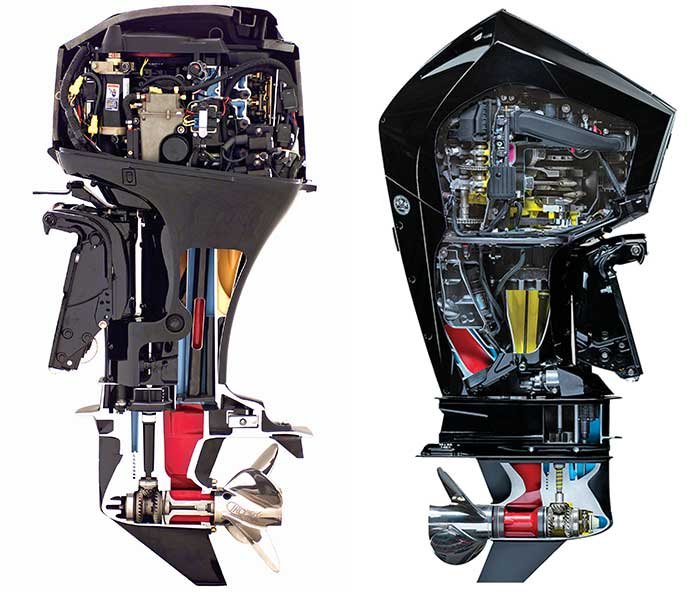
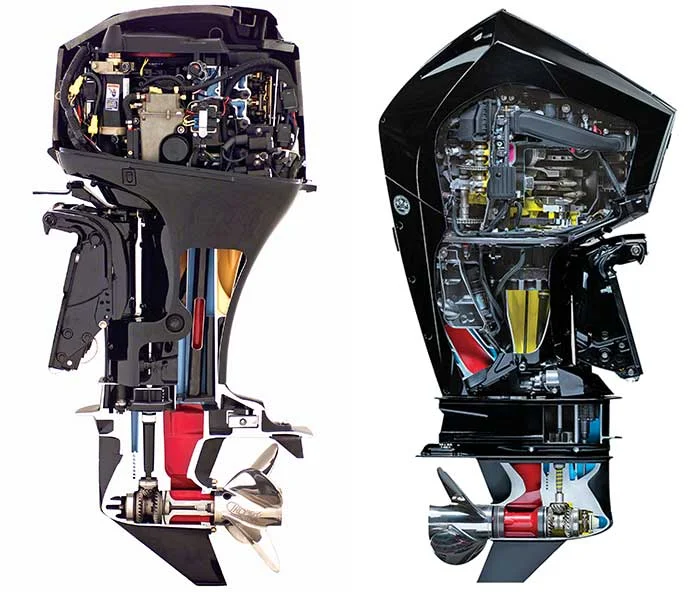
Honda Outboard Engine Noise Problems Explained 2
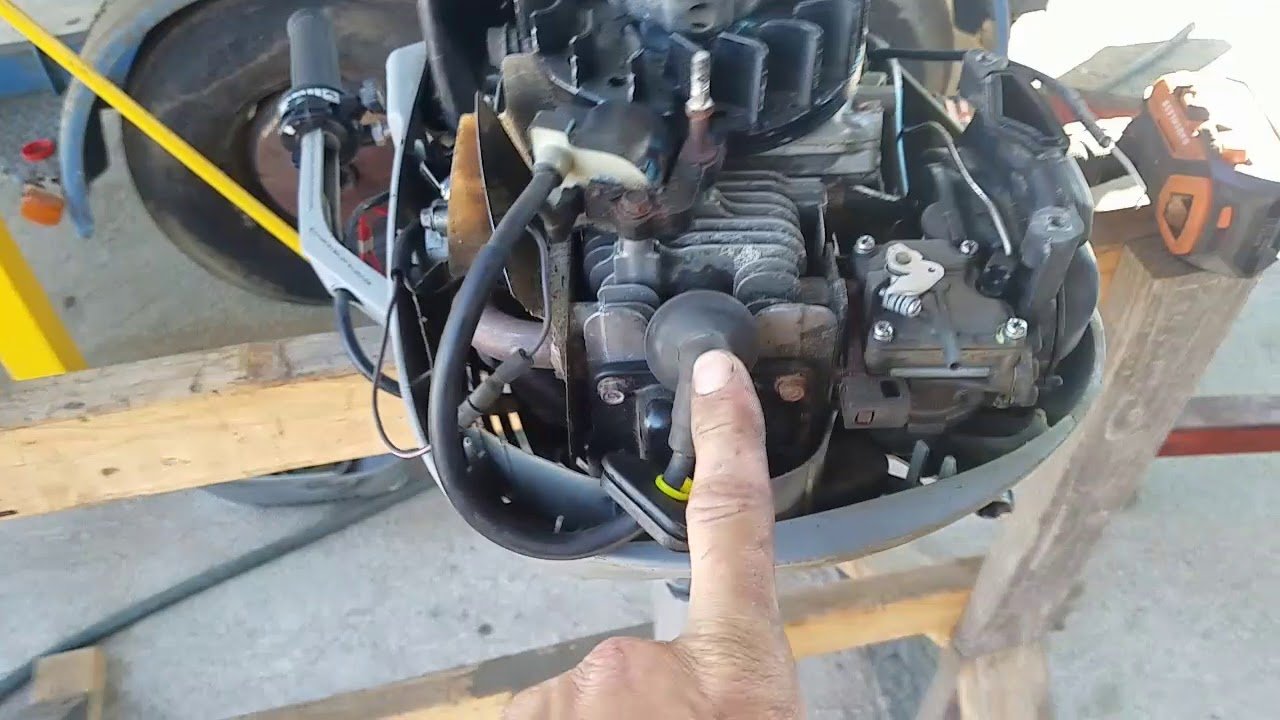
Honda Outboard Engine Noise Problems Explained
Let’s be honest. Honda Outboard Engine Noise Problems Explained
Boat owners notice engine noises fast.
Probably faster than car owners.
Out on the water, there’s no traffic noise, no city sounds, no distractions. So the moment an outboard starts making a strange sound, people notice immediately.
And usually, that’s when searches like Honda Outboard Engine Noise Problems Explained start happening.
Sometimes the noise turns out to be minor.
Sometimes it’s normal wear.
And sometimes it’s the beginning of major engine trouble.
That’s the part most people worry about.
Honda outboards are usually known for being quiet
That’s important to understand first.
Honda built a strong reputation because their outboards are generally:
- Smooth
- Reliable
- Fuel efficient
- Quieter than many older outboards
So when a Honda engine suddenly starts sounding rough, loud, or unusual, owners pay attention quickly.
And honestly, they should.
Not every engine noise means disaster
This part matters.
A lot of people panic immediately when they hear a noise.
But some sounds are:
- Normal operation sounds
- Minor vibration issues
- Maintenance-related problems
The key is learning the difference between:
👉 “That sounds different”
and
👉 “That engine has a serious problem.”
Knocking noises
This is one of the most serious sounds.
A deep knocking noise can point to:
- Internal engine wear
- Bearing damage
- Oil-related problems
- Connecting rod issues
Once internal knocking starts, repairs can become expensive very quickly.
That’s when many owners begin looking at replacement engines instead.
Ticking sounds
Ticking can come from several things:
- Valve train components
- Fuel injectors
- Low oil levels
Sometimes it’s minor. Sometimes it’s early wear.
If the ticking gets louder over time, the engine should be inspected before more damage happens.
Grinding noises
Grinding sounds are never good.
Possible causes include:
- Gearcase problems
- Starter motor issues
- Internal damage
This is not the kind of sound people should ignore.
Rattling sounds
A rattling Honda outboard may come from:
- Loose components
- Exhaust vibration
- Damaged mounting hardware
Sometimes the issue is simple.
Other times, internal wear causes vibration that creates rattling sounds throughout the engine.
Loud exhaust noise
Honda outboards are usually relatively smooth and controlled sounding.
If the engine suddenly becomes much louder, possible causes include:
- Exhaust leaks
- Damaged exhaust components
- Internal engine problems
And once exhaust leaks begin, performance issues often follow.
Squealing noises
This is often related to:
- Belts
- Bearings
- Pulley systems
Sometimes it’s a small maintenance issue.
But ignored long enough, small issues turn into larger repairs.
Vibration with noise
Noise combined with vibration matters.
If the engine:
- Shakes heavily
- Vibrates under throttle
- Feels rough while running
there could be:
- Mounting issues
- Propeller damage
- Internal engine wear
That combination usually deserves attention quickly.
Why marine engines develop noise problems
Simple answer—time and use.
Outboards deal with:
- Saltwater exposure
- Moisture
- Heat cycles
- Long operating hours
Even reliable engines eventually wear down.
That’s normal.
Oil problems create engine noise fast
This is one of the biggest causes.
Low oil or poor maintenance can lead to:
- Internal friction
- Bearing wear
- Knocking sounds
And once internal damage starts, repair costs climb quickly.
Overheating damage
Honda outboards can also become noisy after overheating.
Common causes include:
- Blocked cooling systems
- Water pump problems
- Running without proper cooling
Once overheating damages internal parts, engines often become louder and rougher.
Fuel system issues
Bad fuel can create:
- Rough running
- Pinging sounds
- Misfires
- Uneven engine noise
Marine fuel systems suffer heavily when:
- Fuel sits too long
- Moisture contamination happens
- Maintenance gets ignored
When repairs stop making sense
This is usually the real question behind Honda Outboard Engine Noise Problems Explained.
At some point, owners realize:
- The engine keeps getting louder
- Repairs keep adding up
- Reliability disappears
That’s when replacing the engine often becomes the smarter move financially.
Why people buy used Honda outboards
Simple answer—cost.
A brand-new outboard is expensive.
A tested used Honda outboard can:
- Save money
- Reduce downtime
- Provide reliable performance if maintained properly
That’s why used outboard demand stays strong.
What “tested outboard engine” should actually mean
This part matters.
A tested outboard engine should be checked for:
- Compression
- Running condition
- Cooling system operation
- Excessive noise issues
Not just “it was running before removal.”
Quality matters when replacing marine engines.
Where used Honda outboards usually come from
A lot of people assume used engines are completely worn out.
That’s not true.
Many come from:
- Boat upgrades
- Insurance claims
- Trade-ins
- Light-use recreational boats
That’s why low-hour engines are still available.
What to check before buying a replacement outboard
This matters more than people think.
Engine hours
Lower hours usually mean less wear.
Compression
Very important.
Corrosion
Especially with saltwater engines.
Shaft length
Wrong shaft size creates installation problems.
Included components
Controls, gauges, and rigging should always be confirmed.
Typical Honda outboard specifications
When people search Honda Outboard Engine Noise Problems Explained, they usually want details like:
- Horsepower
- Fuel type
- Cooling system
- Engine hours
- Shaft length
- Starting system
Nothing complicated—just accurate information.
Buying online
This is normal now.
Most buyers compare engines online because:
- Better inventory selection
- Easier price comparison
- Faster communication
The important thing is dealing with sellers who answer questions clearly.
Shipping
Outboard engines require proper transport handling.
They should be:
- Secured correctly
- Protected during shipping
- Transported through reliable freight services
Marine engines are expensive equipment. Shipping matters.
What we do
We keep things direct.
If you’re searching Honda Outboard Engine Noise Problems Explained, here’s what we focus on:
- Tested outboard engines
- Low-hour options
- Clear engine details
- Proper shipping
No confusion. No guessing.
Most buyers already know they need another engine—they just want one that’s reliable.
Common mistakes owners make
Seen these too many times:
- Ignoring noises too long
- Continuing expensive repairs
- Buying based only on price
- Choosing untested engines
Most major problems start small.
Installation matters too
Even a good outboard can develop problems if installed badly.
Before startup:
- Check cooling system operation
- Inspect fuel system
- Verify controls and wiring
- Confirm proper mounting
Skipping setup details creates unnecessary issues later.
Maintenance helps prevent noise problems
Honda engines are reliable, but maintenance still matters.
Basic things like:
- Oil changes
- Fuel system cleaning
- Flushing after saltwater use
- Cooling system inspection
make a huge difference long term.
Final thoughts
If you’re reading Honda Outboard Engine Noise Problems Explained, you’re probably already hearing something unusual.
And honestly, once:
- Knocking starts
- Vibration increases
- Repairs keep growing
- Reliability disappears
replacing the engine often becomes the smarter move.
A tested used Honda outboard can get you back on the water without spending more than necessary.
FAQ
Why is my Honda outboard making noise?
Possible causes include low oil, internal wear, fuel issues, or overheating damage.
What does knocking noise mean?
Usually internal engine wear or bearing damage.
Can bad fuel create engine noise?
Yes, especially rough running and pinging sounds.
When should I replace instead of repair?
Usually when repairs become expensive or problems keep returning.
Are used Honda outboards reliable?
Yes, especially low-hour tested engines.
What are considered low hours?
Usually under 300–500 hours depending on engine size.
Can outboards be shipped worldwide?
Yes.
What should I avoid when buying used?
Heavy corrosion, unclear history, and untested engines.
Do I need professional installation?
Recommended unless you have marine engine experience.
How do I order?
Contact us, confirm details, then proceed.
If something isn’t clear, ask before buying. It’s always better to understand everything upfront.
Yamaha 300HP Outboard Review: Built for Speed and Strength – Yamaha 300HP outboard for sale
Electric vs Gas Outboard Motors: Pros, Cons & Which is Right for You
Posts Widget
-
1

-
2

-
3

-
4


S.H Continental Marine
USA HERALD MAGAZINE INC
Our team is dedicated to providing exceptional customer service.
Email: info@shcontinentalmarine.com
Choose S.H Continental Marine
for your outboard engine needs and enjoy superior quality, exceptional customer service, and unbeatable prices.