
Marine Engine Replacement: Inboard, Sterndrive, and Repower Costs Explained
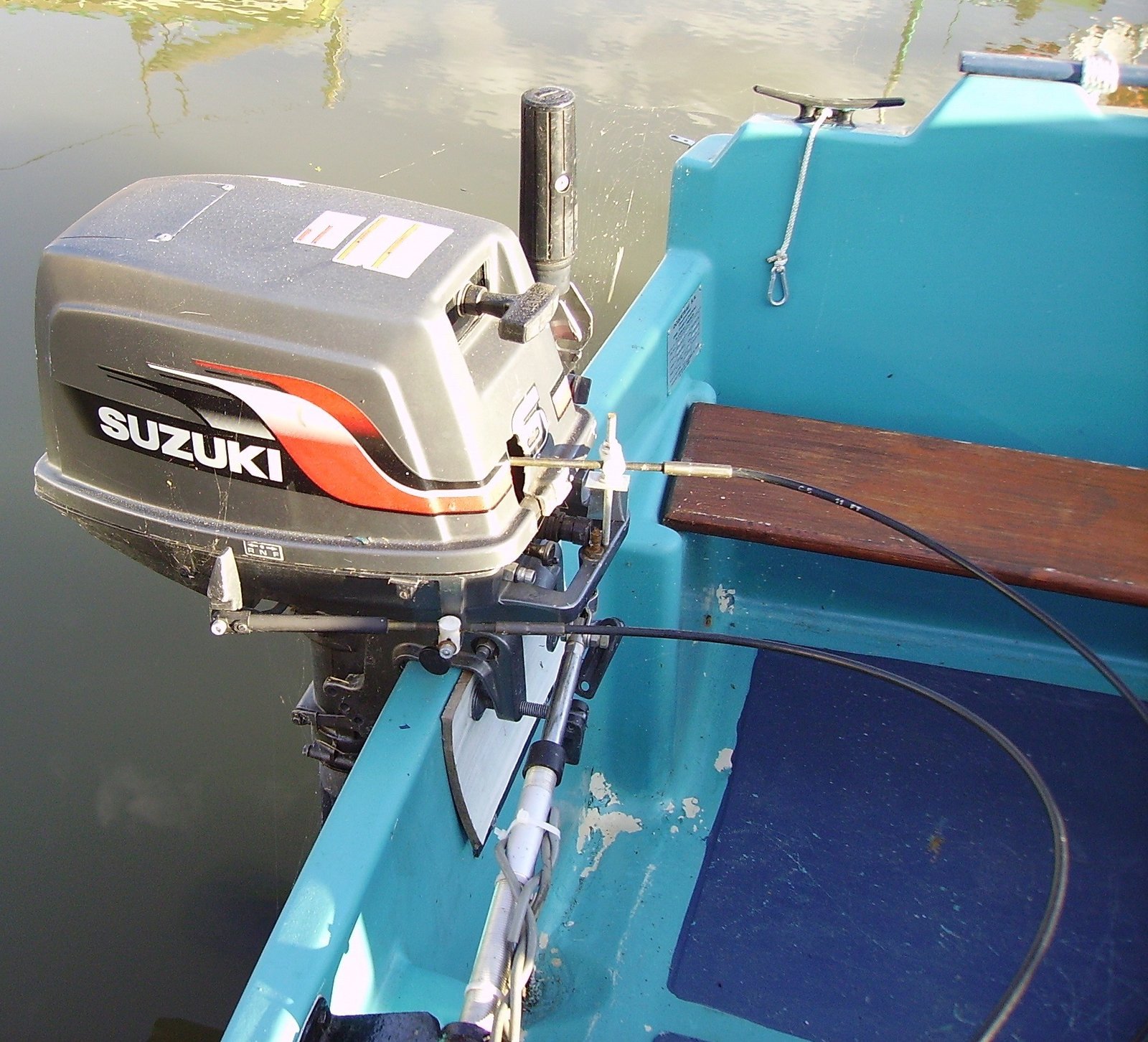
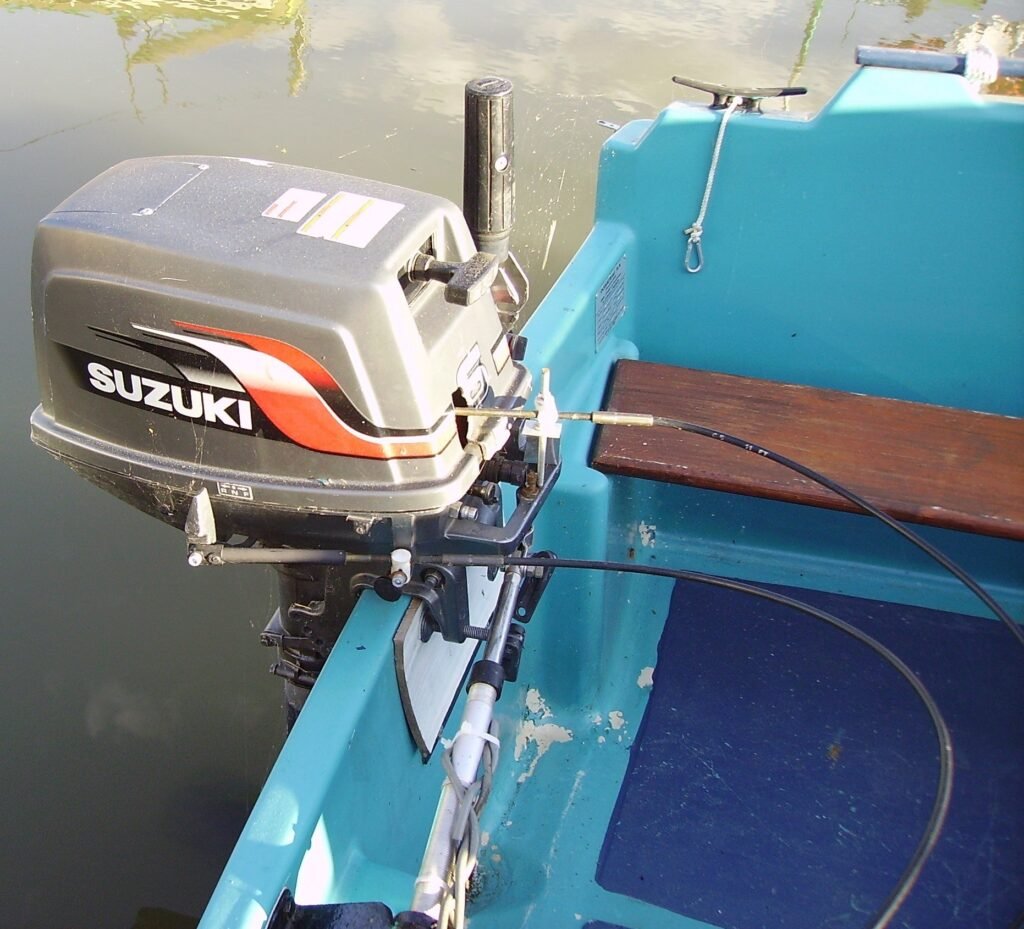
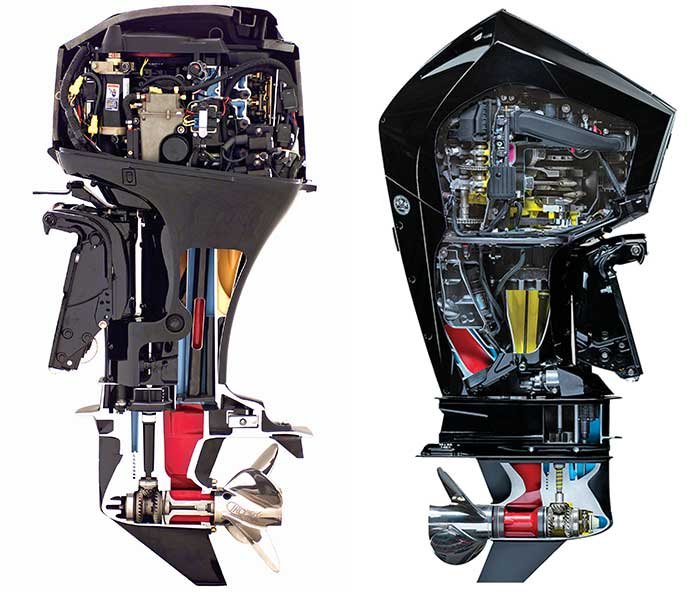
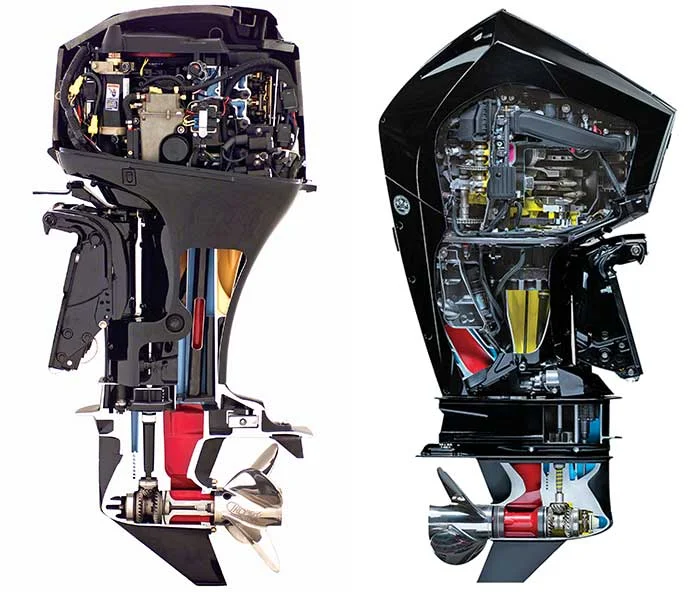
Marine engine replacement means something a little different depending on what you’re running. For an outboard, it’s mostly a bolt-on job. For an inboard or sterndrive, it’s a real project — engine beds, shaft alignment, exhaust routing, and wiring all come into play, and the price tag reflects that. If you’re staring down a tired inboard or sterndrive and trying to figure out what a proper repower actually involves, here’s the straight version.
Inboard and Sterndrive Replacement Is a Different Job Than an Outboard Swap
An outboard bolts to the transom and can usually be swapped in a day or two. An inboard or sterndrive engine sits inside the hull, connected to the driveline through an engine bed, shaft coupling or outdrive, exhaust system, and a web of cooling and electrical connections. Pulling the old one and setting a new one in place means getting the alignment right, matching the new engine’s mounting footprint to the existing bed (or modifying the bed), and re-routing everything that connected to the old motor. This is why inboard and sterndrive repowers commonly run one to three weeks of shop time, versus a day or two for most outboard replacements.
What Drives the Cost of Marine Engine Replacement
Realistic industry pricing looks something like this:
| Setup | Typical Installed Cost |
|---|---|
| Sterndrive gas engine, mid-size boat | $12,000 – $22,000 |
| Diesel inboard, small-to-mid vessel | $20,000 – $45,000 |
| Diesel inboard, larger vessel | $45,000 – $70,000+ |
| Outboard repower (for comparison) | $1,500 – $30,000 depending on horsepower |
The engine itself is usually only part of the bill. Shops that have done dozens of these repowers consistently point to the same list of add-on costs: new engine mounts, a wiring harness sized for the new motor, updated control heads and gauges, exhaust modifications, and sometimes a heat exchanger or raw-water pump if the cooling system needs to match the new engine’s specs. On older boats, structural reinforcement to the transom or engine bed can add another few thousand dollars if the new engine is heavier than what the boat was originally built around.
Rebuild vs. Full Replacement
A full rebuild of a marine diesel or gas inboard — new pistons, rings, bearings, gaskets — typically runs somewhere between 25% and 50% of the cost of a full replacement, and sometimes the internals can be reused along with the starter, alternator, and transmission. That sounds like an easy win, but there’s a catch that catches a lot of boat owners off guard: a rebuild only addresses what gets rebuilt. If the block has saltwater corrosion, or the peripheral systems — wiring, exhaust, heat exchanger, raw-water pump — are aging out at the same time, those costs stack on top of the rebuild and can push the total close to what a full replacement would have cost, except now you’re left with an older engine that’s out of warranty.
A good rule a lot of experienced marine mechanics use: if the estimated rebuild cost creeps past about 40% of a full replacement, replacement is usually the smarter long-term move. You get a clean-sheet engine, a real factory warranty, and none of the guesswork about what else might fail six months later.
When Outboard Conversion Makes Sense
Sometimes the more cost-effective “marine engine replacement” isn’t replacing the inboard or sterndrive at all — it’s converting to an outboard setup, particularly on smaller and mid-size hulls. Outboard four-strokes have gotten powerful enough that a lot of boats previously rigged with sterndrives can now run a single or twin outboard setup instead, which trades the complexity of shaft alignment and in-hull mounting for a simpler transom installation, easier future serviceability, and generally lower long-term maintenance costs. It’s not the right move for every hull, but it’s worth asking your mechanic about if you’re already facing a major sterndrive repower bill.
If that’s the direction you’re headed, our outboard motor lineup covers everything from small auxiliary motors up through 425 HP V8 offshore engines capable of powering serious center consoles and larger center-console conversions. Models like the 90 HP F90XB and 50 HP F50LB are common choices for boats being converted away from an aging sterndrive.
If You’re Sticking With Outboard Power
If your boat already runs on outboard power and you’re just replacing an aging motor rather than doing a full marine repower, the process is much simpler — take a look at our dedicated boat engine replacement guide for outboard-specific costs and timelines. And once the new motor is in, don’t skip checking the propeller match — we cover that in our outboard motor propeller guide, since a mismatched prop is one of the most common reasons a brand-new engine feels underwhelming on the water.
Frequently Asked Questions
How much does a marine engine replacement cost for a sterndrive boat?
Most sterndrive repowers on mid-size boats run $12,000 to $22,000 installed, though hull condition, transom reinforcement needs, and rigging updates can push that higher.
Is it worth converting a sterndrive boat to outboard power?
For a lot of boats in the 20-35 foot range, yes — modern high-horsepower outboards can match sterndrive performance with a simpler installation and generally lower long-term maintenance. It depends on your specific hull and how it was originally rigged, so it’s worth a conversation with your mechanic first.
How long does an inboard or sterndrive repower take?
Typically one to three weeks, depending on how much of the surrounding wiring, exhaust, and mounting hardware needs to be updated to match the new engine.
What’s included in a marine engine replacement quote besides the engine?
A complete quote should account for engine mounts, wiring harness, control heads and gauges, exhaust modifications, cooling system components, and labor — not just the price of the motor itself.
The Bottom Line
Marine engine replacement is one of the biggest single expenses a boat owner will face, and the right path — repair, rebuild, full inboard repower, or an outboard conversion — depends heavily on your specific hull, engine age, and how you use the boat. Get a complete quote that accounts for everything beyond the engine itself before you commit, and don’t assume a rebuild is automatically the cheaper option once you factor in everything that comes with it.
For more on how different propulsion configurations work, the Wikipedia entry on marine propulsion is a useful technical overview. When you’re ready to talk specifics, our team can help you figure out what actually makes sense for your boat.
Posts Widget
- 1

- 2

- 3
- 4


S.H Continental Marine
USA HERALD MAGAZINE INC
Our team is dedicated to providing exceptional customer service.
Email: info@shcontinentalmarine.com
Choose S.H Continental Marine
for your outboard engine needs and enjoy superior quality, exceptional customer service, and unbeatable prices.
