
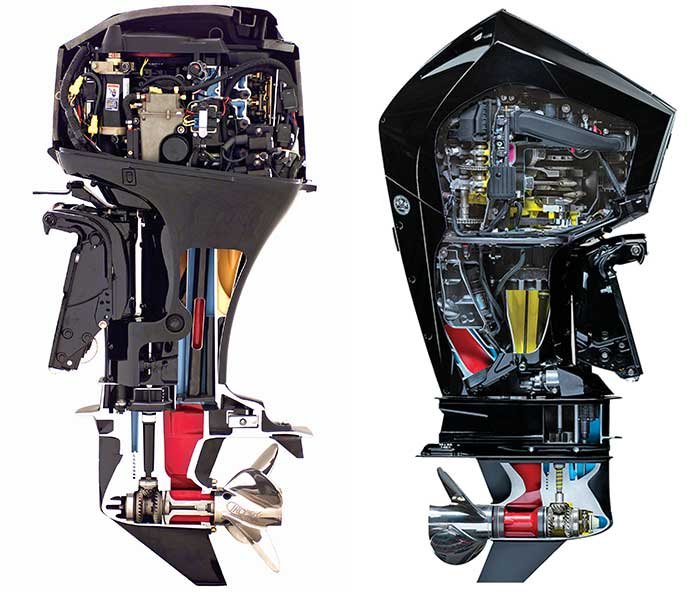
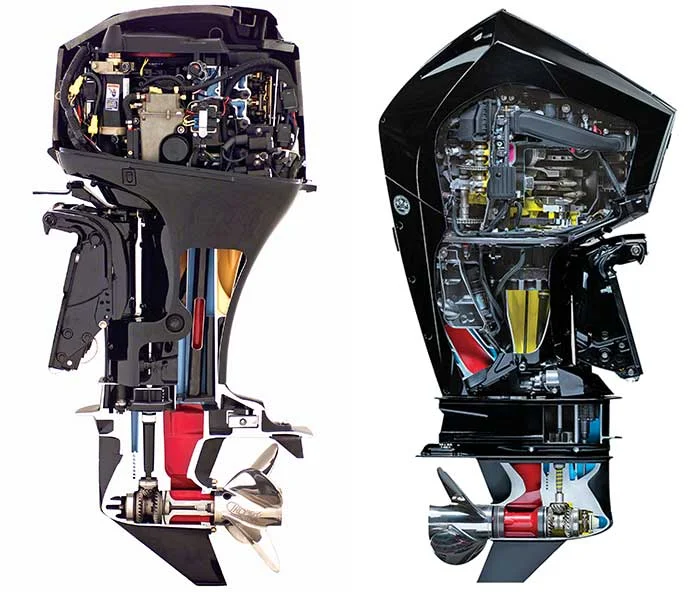
Outboard Motor Propellers: A Buyer’s Guide to Pitch, Blades, and Material

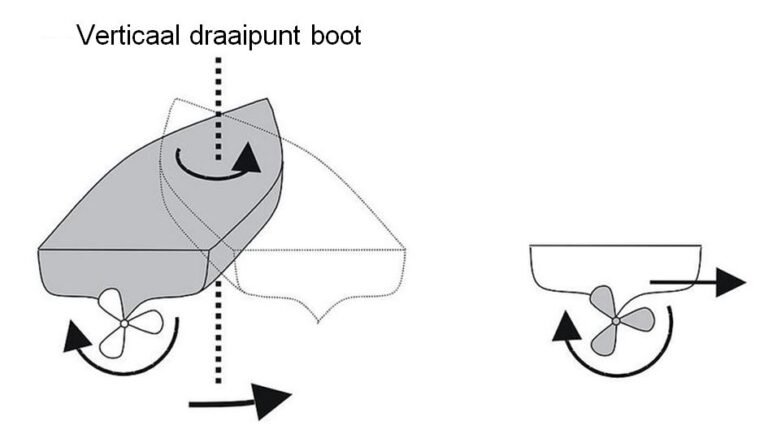
If you’ve ever swapped a propeller on your outboard and wondered why your top speed dropped by four miles an hour, or why your motor suddenly sounds like it’s screaming at higher RPM than it should, you already know that outboard motor propellers matter a lot more than most boat owners give them credit for. The engine gets all the attention. The prop is the part that actually decides how that power reaches the water.
We spend most of our days here talking to boat owners who are shopping for a replacement outboard motor, and the propeller conversation comes up almost every single time. Get the prop wrong and even the best motor on the market will feel sluggish, burn more fuel than it should, and put extra strain on the powerhead. Get it right and the same motor feels like a different machine.
What an Outboard Motor Propeller Actually Does
A propeller converts the rotational force from your outboard’s crankshaft into thrust. Simple in concept, but the way it does that job depends on a handful of measurements that most people never think about until something goes wrong: diameter, pitch, blade count, rake, and cupping. Change any one of those and you change how the boat rides, how it holds a turn, and how hard the engine has to work to get you on plane.
Diameter is the total width of the circle the blades sweep through. Pitch is the theoretical distance the propeller would travel through the water in a single rotation if there were zero slip, usually expressed in inches. A 13×19 propeller, for example, has a 13-inch diameter and 19 inches of pitch. Lower pitch numbers give you quicker acceleration and a faster hole shot; higher pitch numbers push your top-end speed higher but ask more of the engine to get there.
Aluminum vs. Stainless Steel: The Real Trade-Off
Almost every prop on the market falls into one of two camps.
Aluminum propellers are the standard equipment choice on most new outboards, and for good reason. They’re affordable, light, and forgiving — if you clip a sandbar or tap a submerged log, the blade is more likely to bend than shatter, and a bent aluminum blade can often be straightened. For recreational cruising, pontoon boats, and everyday fishing, aluminum does the job at a fraction of the cost of stainless.
Stainless steel propellers cost two to four times more, but the extra money buys real performance. Stainless blades can be cast thinner because the alloy is so much stronger, which cuts drag and reduces flex under load. Less flex means less “slip” — the gap between the theoretical pitch speed and what the boat actually achieves — so you get sharper acceleration, a higher top end, and noticeably better fuel economy at cruise. The trade-off is that stainless doesn’t forgive a hard impact the same way aluminum does; a serious strike is more likely to crack the blade or bend the shaft than just dent it.
Composite propellers exist too, mostly on smaller motors, and they’re built to intentionally shear or flex on impact to protect the gearcase. They’re cheap and disposable rather than a long-term performance choice.
3-Blade vs. 4-Blade Propellers
Three-blade propellers are still the most common setup on outboards between about 25 and 300 horsepower, and they hit a good middle ground between top speed and efficiency. Four-blade propellers give up a little top-end speed — often a mile or two per hour at the same pitch — but they make up for it with a stronger hole shot, better bow lift, more stable tracking in a following sea, and noticeably smoother running at cruising RPM. If you tow skiers or wakeboarders, run a heavier center-console loaded with gear, or fish rough water regularly, a lot of boaters end up happier on four blades even though the spec sheet says three should be faster.
Matching a Propeller to Your Outboard and Your Boat
There’s no universal “best” propeller — the right one depends on your motor’s horsepower, your boat’s hull weight, how you load it, and what you actually use it for. A few rules of thumb we give customers:
- Your engine should reach its recommended wide-open-throttle RPM range with a normal load on board. If it’s revving past the top of that range, the pitch is too low. If it can’t reach the bottom of the range, the pitch is too high and the motor is lugging.
- Every inch of pitch typically shifts wide-open RPM by roughly 150-200 RPM in the opposite direction — go up one inch and RPM drops, go down one inch and RPM climbs.
- Heavier boats, pontoons, and boats that regularly carry a full load of passengers or gear generally do better with lower pitch or an extra blade for hole shot.
- Lighter, faster hulls — bass boats, bay boats — usually run best with higher pitch and fewer blades to maximize top speed.
This is exactly why, when you buy an outboard motor from us, we talk through your boat and how you use it before you check out. The horsepower rating on the box only tells part of the story — the propeller is what actually delivers it.
Common Propeller Specifications You’ll See Listed
| Spec | What It Means | Typical Range (Recreational Outboards) |
|---|---|---|
| Diameter | Width of the circle the blades trace | 9″ – 16″ |
| Pitch | Theoretical forward travel per rotation | 9″ – 26″ |
| Blade Count | Number of blades on the hub | 3 or 4 (occasionally 5) |
| Material | Aluminum, stainless steel, or composite | — |
| Rake | Blade angle relative to the hub, affects bow lift | 0° – 20° |
| Cupping | Curved lip on the blade trailing edge that reduces slip and ventilation | Manufacturer-specific |
Signs Your Current Propeller Is Wrong for Your Setup
A few things tend to show up when the pitch or blade count is mismatched to the motor:
- The engine hits or exceeds its max-rated RPM at wide-open throttle with a normal load — that’s a pitch that’s too low, and it can lead to premature wear on internal engine components over time.
- The engine never reaches its minimum rated RPM — that’s a pitch that’s too high, which strains the motor and hurts fuel economy.
- Excess vibration through the hull that wasn’t there before, which often points to a bent blade or a prop that’s out of balance.
- The boat porpoises or won’t hold plane at low speed, which can sometimes be fixed with more rake or a different cup rather than a whole new engine setup.
None of this is a reason to assume your engine itself is failing. More often than not it just means the propeller that came on the boat, or the one a previous owner installed, was never matched to your specific outboard and hull in the first place.
Why Prop Selection Matters Even More When You’re Buying a New Outboard
We sell outboard motors ranging from small portable 4 HP and 6 HP units all the way up through big 425 HP V8 offshore engines, and the propeller question changes at every horsepower tier. A 9.9 HP kicker on a jon boat has completely different needs than a 425 HP V8 pushing a center console. When you buy through us, that conversation is part of the process — we want the motor performing the way it’s supposed to from the first time you put it in the water, not after three prop swaps and a season of frustration.
Browse our current lineup of outboard motors for sale, or if you already know the horsepower and shaft length you need, our team can help you land on the right propeller pitch and blade count before the motor ever ships. We also carry a full range of horsepower classes, from the compact Yamaha 4 HP and 9.9 HP models up to serious 425 HP V8 offshore engines, so whatever you’re propping, we’ve likely got the motor to match.
If you’re in the middle of a full boat engine replacement or a marine engine replacement project, it’s worth reading those guides too — propeller selection is one of the last steps, but getting it right is what actually lets your new engine perform the way it was built to.
Frequently Asked Questions About Outboard Motor Propellers
How do I know what size propeller my outboard needs?
Start with the manufacturer’s recommended wide-open-throttle RPM range, which is usually printed on the engine cowling or in the owner’s manual. Load the boat the way you normally would, run it wide open, and check where the tach lands. If you’re outside that range in either direction, the pitch needs adjusting. This is also something our team can help you sort out before your motor even ships.
Can I put a stainless steel propeller on any outboard motor?
In most cases, yes, as long as the hub, spline count, and shaft diameter match your motor. Stainless props are available for nearly every horsepower class we carry, from small kicker motors up through our V8 offshore engines, but always confirm hub kit compatibility before ordering.
How often should a propeller be replaced?
There’s no fixed schedule — it depends on impacts, corrosion, and how much time the boat spends in saltwater. A propeller that’s bent, cracked, or has chunks missing from the blade edges should be replaced or repaired right away, since running an unbalanced prop puts extra stress on the gearcase and lower unit seals.
Will a new propeller fix a boat that won’t get on plane?
Sometimes. If the current pitch is too high for the load, dropping an inch or two of pitch often solves it. But if the hull is significantly overloaded or the motor itself is undersized for the boat, no propeller change will fully fix that — that’s usually a sign it’s time to talk about the right horsepower for your hull.
The Bottom Line
A propeller is a cheap part compared to the engine it’s bolted to, but it has an outsized effect on how that engine performs. Diameter, pitch, blade count, and material all interact with your specific boat and how you use it — there’s no shortcut around matching them properly. If you’re shopping for a new or replacement outboard, don’t treat the propeller as an afterthought. It’s the difference between an engine that merely runs and one that actually performs the way the spec sheet promises.
For more background on how propellers work, the Wikipedia entry on marine propellers is a solid technical starting point. When you’re ready to talk specifics for your boat, our team is one message away.
Posts Widget
- 1

- 2

- 3

- 4


S.H Continental Marine
USA HERALD MAGAZINE INC
Our team is dedicated to providing exceptional customer service.
Email: info@shcontinentalmarine.com
Choose S.H Continental Marine
for your outboard engine needs and enjoy superior quality, exceptional customer service, and unbeatable prices.
