
What is an Outboard Motor? Beginner’s Guide to Boat Engines

What Is an Outboard Motor? A Beginner’s Guide to Boat Motors
Outboard motors drive the majority of boating, powering everything from fishing boats to speedboats and even larger boats. You may be a boating novice or simply hoping to upgrade what you now have. In either case, it is worth knowing about outboard motors. Here in our business, not only do we inform you about them—we stock top-of-the-line outboard engines with full specifications so you can select the ideal engine for your boat.
This beginner’s guide will fill you in on everything you want to know about outboard motors, from how they work and what they do to what their advantages are and why they’re the favorite among most boat owners. By the time you’re done reading, you won’t just have a decent understanding of how outboard motors are improving boat performance but also how investing in one that’s high quality is the secret to decades of enjoyment on the water.
1. What is an Outboard Motor?
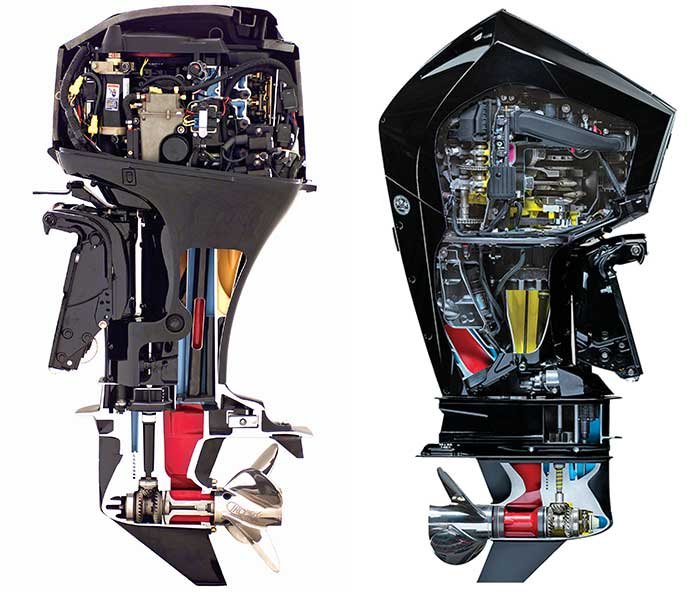
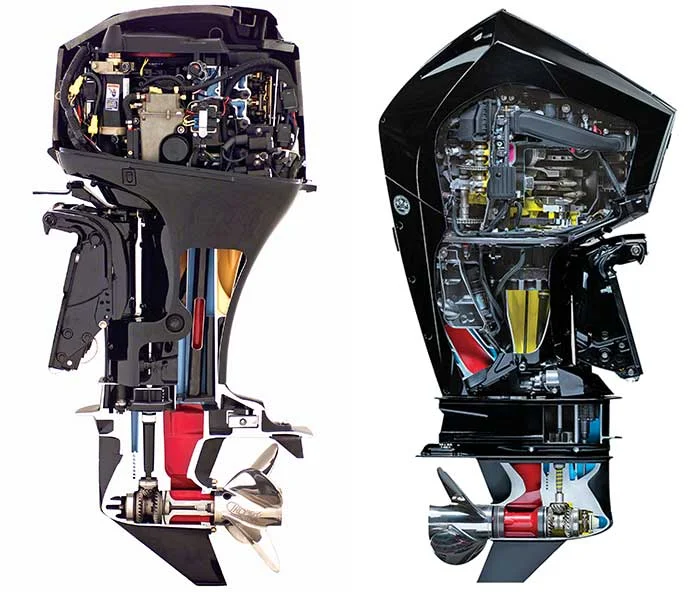
An outboard motor is a self-contained propelling unit that is attached to the outside of the boat, typically at the back. It is composed of:
- Engine – It provides power.
- Gearbox – It transfers power from the engine to the propeller.
- Propeller – It produces the thrust to move the boat forward or backward.
Unlike inboard motors, which are mounted within the hull, outboard motors are mounted on the outside and hence easier to repair, service, and replace.
2. Why Outboard Motors Are so Popular
Outboard motors are presently most popular among most boaters because they:
- Portability – They can be taken out and mounted easily.
- Versatility – They are available in an extremely broad range of sizes, from the tiny 2HP engine to the huge 600HP motor.
- Space-saving design – It provides space for additional room onboard.
- Easy maintenance – Easy to service and repair.
- Better handling – The motor can turn, providing additional steering control.
Whether cruising, fishing, or towing on high-speed water sports, an outboard motor provides versatility and dependable performance.
3. How Does an Outboard Motor Work?
An outboard motor operates by burning fuel (gas or diesel) in the engine cylinders, thereby generating power. Power is transmitted via a driveshaft to a gearbox, which rotates the propeller. The rotating propeller thrusts water behind it, thus propelling the boat forward.
Steering is done by shifting the whole outboard unit to the right or to the left, as opposed to inboard motors via a rudder.
4. Outboard Motor Types
When purchasing an outboard motor, it is useful to understand the various types:
a) Two-Stroke Outboards
- Lightweight and powerful.
- Simpler design with fewer moving parts.
- Greater fuel consumption and emissions compared to four-stroke engines.
b) Four-Stroke Outboards
- Quieter and economical.
- Less polluting emissions, hence environmentally friendly.
- Heavier and stronger.
c) Electric Outboards
- Battery-powered, ideal for small boats and environmentally friendly boat owners.
- Quiet operation and less maintenance.
- Less power and endurance compared to fuel engines.
5. Outboard Motor Specifications You Need to Know
Outboard motor specifications when purchasing an outboard motor are important. These are the most important specifications to know (and the ones that we include when we’re selling motors):
- Horsepower (HP): Ranges from 2HP (dinghies) to 600HP (large boats).
- Type of Engine: Two-stroke, four-stroke, or electric.
- Displacement (cc or L): Engine size that produces power and torque.
- Fuel Type: Gasoline, diesel, or electric battery.
- Weight: Important for balance and mounting.
- Shaft Length: Short, long, or extra-long depending on boat transom height.
- Cooling System: Water-cooled or air-cooled.
- Starting System: Manual pull-start or electric start.
At our store, we provide you with full specs on every outboard engine we carry so that you can compare models and make a knowledgeable decision.
6. Advantages of Outboard Motors
a) Simple Maintenance
There are no gear cases except in an outboard, making it simple to replace or repair without tearing apart the whole boat.
b) Great Performance
New outboards have powerful acceleration and very quick handling.
c) Better Fuel Efficiency
Four-stroke and new two-stroke engines are built to provide maximum miles per gallon.
d) Greater Endurance
Quality outboards will last decades with regular maintenance.
e) Smoother Steering
Since the entire motor is rotating, steering is great even at low driving.
7. Choosing the Right Outboard Motor for Your Boat
To get the most out of it, fit your boat with an outboard motor that is suitable for the size and function of your boat.
- Small Dinghies/Kayaks → 2–15 HP outboards.
- Fishing Boats → 15–50 HP outboards.
- Pontoon Boats → 50–150 HP outboards.
- Speedboats & Watersports → 150–400+ HP outboards.
- Large Offshore Boats → 400–600 HP outboards.
Tips and specifications are provided by us when you purchase from us to choose the most appropriate outboard motor.
8. Outboard Motor Maintenance Tips
Maintenance extends the engine life and operates more efficiently.
- Engine flushed with fresh water after saltwater running.
- Engine Oil changed regularly (four-stroke).
- Spark Plugs inspected and replaced as needed.
- Fuel System inspected for leak or block.
- Grease Moving Parts to prevent corroding.
- Winterize Engine if not operated during winter months.
Maintenance paid, you don’t break down and you get service time on your motor.
9. Why Buy Outboards from Us?
We don’t only discuss outboard motors—our company sells them to customers worldwide. Our engines are:
- Brand new & refurbished outboards for sale.
- Warranty available for extra peace of mind.
- Competitive pricing with shipping available.
- Professional guidance to assist you in making your best engine choice.
From heavy duty marine engine to portable outboard, we have in stock for immediate purchase.
10. Most Popular Outboard Motor Specifications We Sell
Among the outboards we have in stock are:
Yamaha 150HP Four-Stroke
- Horsepower: 150 HP
- Cylinders: Inline-4
- Displacement: 2.7L
- Shaft Length: 20″/25″
- Fuel System: EFI (Electronic Fuel Injection)
- Starting: Electric Start
- Weight: ~480 lbs
Mercury 9.9HP Four-Stroke
- Horsepower: 9.9 HP
- Cylinders: 2
- Displacement: 209cc
- Shaft Length: 15″/20″
- Starting: Manual or Electric
- Weight: ~84 lbs
Honda BF250HP V6 Four-Stroke
- Horsepower: 250 HP
- Cylinders: V6
- Displacement: 3.6L
- Shaft Length: 20″/25″/30″
- Starting: Electric Start
- Weight: ~622 lbs
Only a few of the examples. We have the entire range of outboard motors for sale, ranging from small portable 2HP to large 600HP ones.
11. Beginner’s Outboard Motor Buying Guide
If you are a first-time boater, the following are quick tips before making a purchase:
- Always use an engine power suitable for your boat size.
- Inquire if you need short or long shaft.
- Two-stroke or four-stroke based on economy and budget.
- Electric start if convenience matters.
- Weight is a consideration—light is preferable for small boats.
We help first-time buyers by walking them through specifications and offering expert advice.
12. Final Thoughts
Outboards are the lifeblood of boating, providing power, performance, and versatility. Whether a weekend recreational boater or an offshore fisherman who’s serious about business, the right outboard engine is what matters.
Here at our company, we don’t just provide info—on-site engines for sale with full specs, warranty, and worldwide shipping. We’ve got everything from tiny 2HP engines for dinghies to 600HP monsters for boats that venture offshore cruising.
If you are in the market for a robust and reliable outboard engine, browse our selection today and let us help you choose an appropriate engine for your boating excursion.
Electric vs Gas Outboard Motors: Pros, Cons & Which is Right for You
Posts Widget
- 1

- 2

- 3
- 4


S.H Continental Marine
USA HERALD MAGAZINE INC
Our team is dedicated to providing exceptional customer service.
Email: info@shcontinentalmarine.com
Choose S.H Continental Marine
for your outboard engine needs and enjoy superior quality, exceptional customer service, and unbeatable prices.
