Buying Marine Engines Online: How to Do It Without Getting Burned
Buying Marine Engines Online: How to Do It Without Getting Burned
Ten years ago, buying an outboard meant walking into a local dealership, kicking the tires, and driving home with whatever was on the lot. These days most of our customers find us first by shopping marine engines online, often from a different state or a different country entirely. That shift is mostly a good thing — more selection, better pricing transparency, easier comparison between brands. But it also means trusting photos and specs instead of standing next to the motor in person, so it’s worth knowing what actually makes an online marine engine purchase safe versus risky.
Why People Are Shopping Marine Engines Online Now
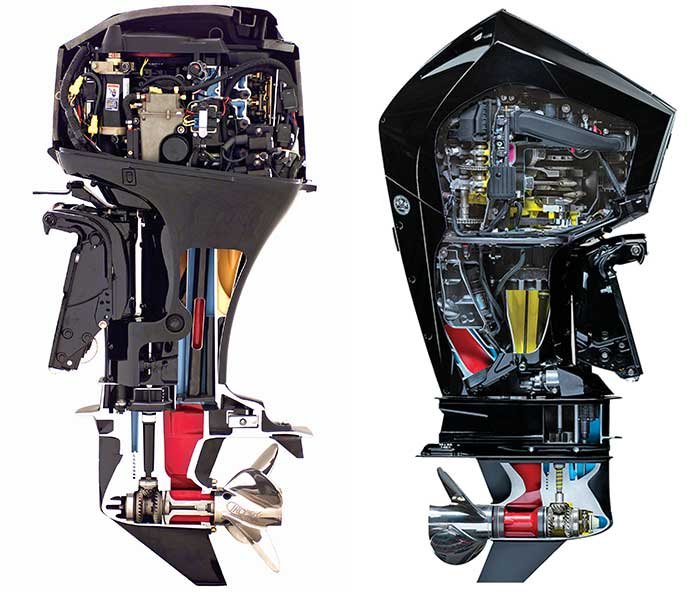
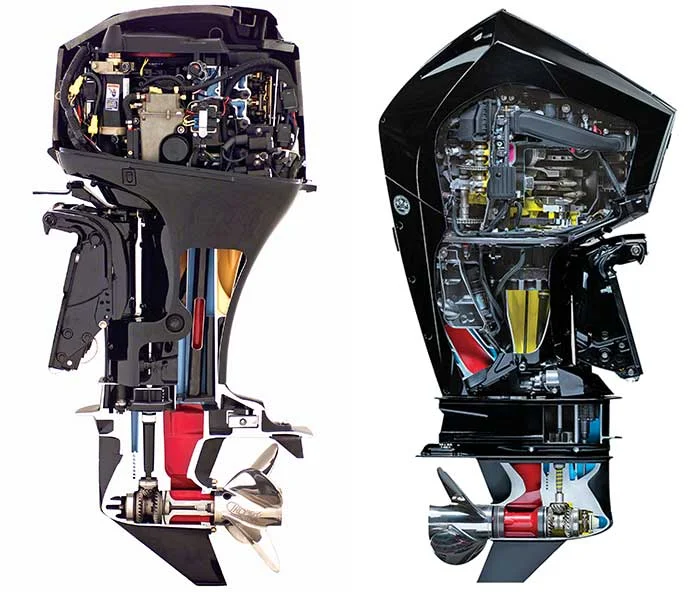
The simplest reason: local lots carry a fraction of what’s actually available. A dealership near you might stock six or seven horsepower options from one or two brands. Shopping marine engines online opens up the full range — Yamaha, Suzuki, Honda, Mercury, Tohatsu, Nissan, in nearly every horsepower class, new and used — without you having to drive to five different lots across three states to compare. For a lot of buyers, especially anyone outside a major coastal market, online is genuinely the only practical way to compare real options side by side.
What Our Online Catalog Actually Covers
We list marine engines online across the full horsepower spectrum — small portables in the 2.5-15 hp range for kayaks, tenders, and sailboats, mid-range four-strokes from 20-150 hp for runabouts and bass boats, and larger 175-300+ hp engines for offshore and center console rigs. You can browse our complete marine engines for sale catalog filtered by brand and horsepower, with full specs, real photos of the actual unit for used motors, and pricing listed up front — no “call for price” games.
As an example of the kind of detail we put on every listing: our Yamaha 90 HP VF90LA V MAX SHO listing includes the full 1.8L displacement, weight, shaft length, alternator output, and ignition system — the same information a dealer would walk you through in person, just written down so you don’t have to ask.
Questions to Ask Before You Buy Marine Engines Online From Anyone
| Question | Why it matters |
|---|---|
| Is the photo the actual unit, or a stock image? | For used motors especially, stock photos hide condition. Ask directly if you’re not sure. |
| What’s the return policy if it arrives damaged? | Shipping a 300-lb engine isn’t risk-free. A seller with no damage policy is a red flag. |
| Is there a real phone number and a real person to talk to? | If every contact option is a generic form with no callback, be cautious. |
| Do they carry the manufacturer’s actual warranty, or just a vague “guarantee”? | A real factory warranty is transferable and backed by the manufacturer’s network, not just the seller’s word. |
| How is freight handled, and who’s liable in transit? | Marine engines are heavy and need to ship properly crated and insured — confirm this before paying. |
How We Handle the Things That Make People Nervous About Buying Online
We get it — buying a $3,000-$15,000 engine sight unseen feels different from buying a t-shirt online. Here’s specifically what we do about it:
- Real photos for used inventory. What you see in the listing is the actual motor, not a stock catalog image, unless it’s explicitly marked as a new unit shown for reference.
- A phone number that gets answered by someone who knows engines. If you have a fitment question or want to talk through compatibility with your boat before buying, reach out and you’ll get a real answer, not a script.
- Proper crating and insured freight on every engine we ship, with tracking the whole way, detailed on our shipping policy page.
- Manufacturer warranties passed through intact on new motors — we’re not stripping coverage to pad margin.
What to Have Ready Before You Search
Shopping marine engines online goes a lot faster if you know these four things before you start browsing:
- Your boat’s maximum rated horsepower, which should be on the capacity plate near the helm or transom. Don’t guess — overpowering a hull is a real safety issue, not just a warranty technicality.
- Transom height, to determine whether you need a short, long, or extra-long shaft. Measure from the top of the transom straight down to the bottom of the hull.
- Steering type — tiller or remote — and whether you need power trim and tilt.
- Your budget range, including whether you’re open to a quality used motor or set on new.
With those four answers, you can filter almost any online marine engine catalog down to a handful of real options instead of scrolling through hundreds of irrelevant listings.
Shipping: The Part People Worry About Most
A marine engine is awkward freight — heavy, oddly shaped, and expensive enough that damage in transit is a real concern. We crate every engine for transit, insure the shipment, and provide tracking from the moment it leaves our facility, whether it’s going across the state or across an ocean. If you’re ordering internationally, ask us about estimated customs handling for your country before you check out — it varies enough by destination that we’d rather tell you up front than have you surprised at delivery.
New vs. Used When Buying Marine Engines Online
The same new-versus-used logic applies online as it does in person, just with one extra layer of trust required since you can’t put your hand on the block before paying. For used engines bought online, ask specifically for compression numbers and run-test results before you commit — any reputable seller will have these on hand and be glad to share them, since it’s exactly the kind of detail that builds trust in a transaction that’s otherwise happening over email and photos.
A Resource Worth Bookmarking
If you want a neutral reference for general boat engine maintenance and safety standards that isn’t tied to any one seller’s sales pitch, the Discover Boating resource library, run by the National Marine Manufacturers Association, covers engine basics, maintenance schedules, and safety checklists in plain language.
The Bottom Line
Buying marine engines online isn’t inherently riskier than buying in person — it just shifts where the risk sits. In person, you’re trusting your own eyes. Online, you’re trusting the seller’s honesty about condition, their shipping process, and whether they’ll actually answer the phone if something goes sideways. Ask the right questions up front, insist on real photos and real answers, and shopping marine engines online can get you a better motor at a better price than anything sitting on a local lot.
Browse our current inventory of outboard motors for sale, or call us before you buy if you want a second opinion on fitment — we’d rather answer questions for ten minutes than have you guess and get it wrong.
Posts Widget
-
1

-
2

-
3

-
4


S.H Continental Marine
USA HERALD MAGAZINE INC
Our team is dedicated to providing exceptional customer service.
Email: info@shcontinentalmarine.com
Choose S.H Continental Marine
for your outboard engine needs and enjoy superior quality, exceptional customer service, and unbeatable prices.