
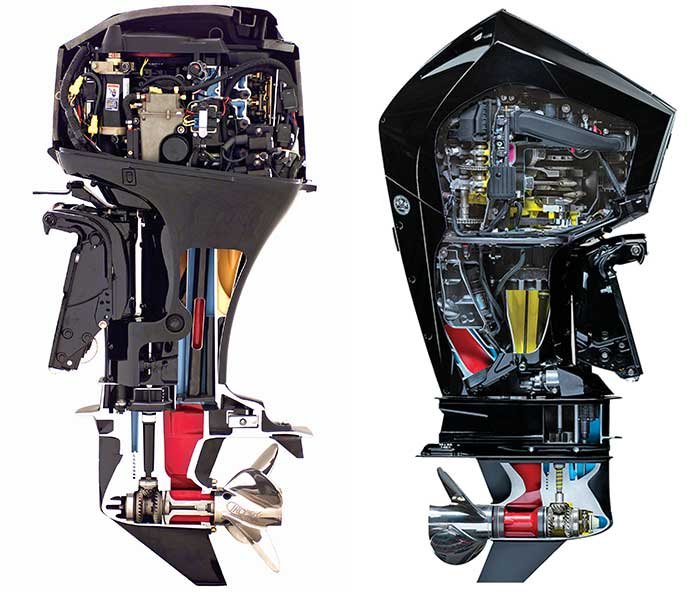
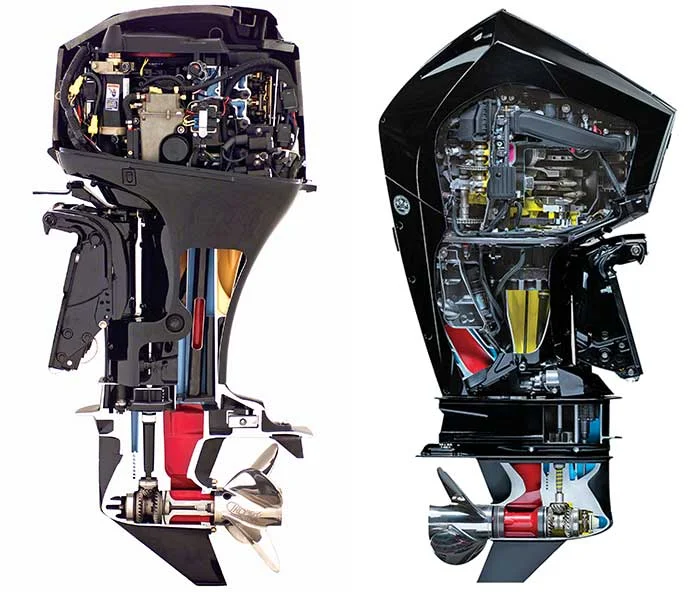
Outboard Motor Accessories: A Buyer’s Guide That Actually Helps

Buy an outboard motor and you’ve bought maybe sixty percent of what you actually need to run it well. The other forty percent is the stuff nobody mentions until you’re standing at the dock with a dead battery or a chewed-up prop. That’s the part we want to walk through here: outboard motor accessories that turn a bare engine into something you can rely on for years, not just one good summer.
We sell engines for a living, so we hear the same question on repeat: “I just bought a motor, what else do I actually need?” The honest answer is it depends on the horsepower, the boat, and how hard you plan to run it. But a handful of categories come up every single time, and that’s what this guide covers.
Propellers: the part that decides how your motor actually feels
A lot of people assume the propeller that ships with a new outboard is the “right” one. It’s not wrong, exactly — it’s a safe, average choice the factory picked to suit most boats. Swap it and the whole character of the engine changes.
Pitch and diameter are the two numbers that matter. Drop the pitch a couple of inches and you’ll get faster acceleration out of the hole, which matters if you’re pulling a tube or loading down a pontoon boat with passengers. Raise it and you’ll pick up a few miles an hour at cruise, at the cost of slower acceleration. Aluminum props are the budget-friendly default and they’re genuinely fine for most recreational use. Stainless steel costs two to four times as much but holds its edge longer, flexes less under load, and recovers from a minor strike instead of bending like aluminum does. If you fish rocky or shallow water often, stainless pays for itself the first time you clip something you didn’t see.
We carry props sized for everything from small kicker motors up through the big outboards — browse the accessories category for what’s currently in stock, or tell us the engine you’re running and we’ll match it.
Fuel systems: tanks, lines, and the primer bulb everyone forgets about
Portable outboards almost always run off an external tank rather than an internal one, and this is where a surprising number of “engine problems” turn out to be fuel problems instead. A cracked primer bulb, a fuel line with a pinhole, a tank vent left closed — any of these will starve a motor and make it run rough or quit altogether, and the owner usually blames the engine first.
Standard portable tanks come in 3-gallon, 6-gallon, and 12-gallon sizes, and the fitting on the tank has to match your motor’s brand — Yamaha, Tohatsu, Suzuki, Honda, Mercury, and Evinrude all use slightly different quick-connect fittings, so a universal-looking line isn’t always actually universal. If you’re ordering fuel line as a replacement part, get the connector type for your specific brand rather than guessing.
Mounting hardware and steering
For smaller boats and tenders, a transom bracket lets you mount an auxiliary or backup motor without permanently altering the hull, which is common practice on sailboats that carry a small outboard just for getting in and out of a marina. On bigger rigged boats, a jack plate adjusts how high the motor sits relative to the hull, which affects both top speed and how shallow you can run before the prop starts sucking air.
Remote steering kits and tiller extensions fall in the same bucket. A tiller handle works fine on a small jon boat where you’re sitting right next to the motor, but once you’ve got a console and a windshield, you want hydraulic or cable steering wired through to a wheel — and that hardware needs to be sized to the horsepower of the engine, not just bolted on because it fits.
Batteries, wiring, and remote controls
Electric-start outboards need a marine starting battery, and this is one spot where it’s worth spending a little more. Automotive batteries aren’t built for the vibration and occasional dunking that comes with life on a boat — they fail faster and sometimes leak. A proper marine cranking battery, paired with a battery box and a set of marine-grade terminals, is cheap insurance against being stranded.
If you’re running an electric motor like the Torqeedo line we carry, the accessories shift toward charging cables, spare battery packs, and tiller pilot mounts instead of fuel-side parts — worth checking our Torqeedo electric motors page if that’s the direction you’re headed.
Covers, flush kits, and the maintenance side nobody enjoys
A fitted motor cover keeps UV, salt spray, and bird mess off the cowling between trips, and it genuinely extends the life of the paint and the decals. Cheap insurance, again.
The other piece almost everyone skips: flushing. Saltwater left sitting in the cooling passages of an outboard after a trip is one of the fastest ways to corrode an engine from the inside out. A simple flush attachment that connects to a garden hose and clips over the water intake takes five minutes and should happen after every saltwater outing, not “whenever I remember.” If you only buy one accessory after reading this, make it that.
Matching Outboard Motor Accessories to Your Engine
This is the part that trips people up the most: outboard motor accessories are rarely one-size-fits-all. A prop, fuel fitting, or remote control kit built for a Yamaha won’t bolt straight onto a Suzuki or a Tohatsu without an adapter, and sometimes not at all. Before ordering anything, have the brand, horsepower, model year, and shaft length on hand — that’s the same information we ask for when we’re fitting an engine, and it applies just as much to the parts that go with it.
Whether you’re outfitting a brand-new Yamaha outboard, a workhorse Tohatsu, or a used engine you picked up secondhand from our used outboard engines listings, we can help confirm fitment before you order rather than after.
What accessories actually cost
People are usually surprised in both directions here. An aluminum prop for a small-to-mid horsepower motor is often under a hundred dollars, while a quality stainless prop for a bigger engine can run several hundred. A basic flush kit is one of the cheapest things you’ll buy for a boat, usually less than a tank of fuel. Marine batteries land somewhere in the middle, and a full remote steering setup for a console boat is the most expensive single item on this list because you’re buying cable runs, a helm unit, and labor if you’re not installing it yourself.
The mistake we see constantly is people buying the cheapest possible version of safety-relevant parts — fuel lines, primer bulbs, battery terminals — and the most expensive possible version of cosmetic ones, like covers with embroidered logos. We’d flip that. Spend where failure costs you a weekend on the water or worse, and save where it’s purely about looks.
Common mistakes we see at the counter
A few things come up often enough that they’re worth calling out directly.
Buying a universal fuel line and assuming it’ll connect — it often won’t, not without an adapter fitting specific to the motor brand. Skipping the flush after a saltwater trip “just this once,” which somehow becomes the habit rather than the exception. Mounting a heavier-than-rated remote steering kit on a small tiller motor because it was on sale, which throws off the balance and makes the boat handle strangely at speed. And probably the most common one: ordering a propeller by horsepower alone instead of checking pitch and diameter against the actual gearcase, which means a prop that bolts on but performs nowhere near where it should.
None of these are expensive mistakes to avoid. They’re just easy to make if nobody flags them ahead of time, which is really the whole point of a guide like this one.
A few common questions
Do I need different accessories for saltwater versus freshwater?
Largely yes. Saltwater accelerates corrosion on anything metal, so stainless hardware, marine-grade wiring, and regular flushing matter more in saltwater. Freshwater is more forgiving, but flushing after every trip is still good practice either way.
Can I use car accessories on a boat?
Avoid it where you can. Automotive batteries, standard electrical connectors, and non-marine hose clamps aren’t built for constant vibration, humidity, or occasional submersion, and they fail faster in that environment than marine-rated versions.
How do I know what propeller pitch I need?
Start with what the engine shipped with, run it at full throttle with a normal load, and check the RPM against the manufacturer’s recommended range printed in the owner’s manual. If you’re consistently below that range, drop the pitch, and if you’re above it, raise the pitch. We’re also happy to talk through this over email if you give us the motor and boat details.
Quick reference: common accessories by category
| Category | Typical examples | Why it matters |
|---|---|---|
| Propulsion | Aluminum or stainless propellers, spare prop nuts and shear pins | Changes acceleration, top speed, and strike resistance |
| Fuel system | Portable tanks, primer bulbs, brand-specific fuel lines | Most “engine” complaints are actually fuel delivery issues |
| Mounting & steering | Transom brackets, jack plates, tiller extensions, remote steering kits | Affects handling, ride height, and control location |
| Electrical | Marine cranking batteries, battery boxes, wiring harnesses | Reliable starting and safe power distribution |
| Maintenance & protection | Motor covers, flush attachments, fogging oil | Slows corrosion and extends engine life |
None of this replaces good judgment or a qualified marine technician for anything involving fuel systems or electrical work — if you’re not confident doing a job yourself, that’s what local service techs are for. The American Boat & Yacht Council publishes the safety standards most reputable installers follow for exactly this kind of work, and it’s worth a skim if you’re about to do your own wiring or fuel line replacement.
Where to find the right parts
We stock outboard motor accessories alongside the engines themselves, which makes it easier to get fitment right the first time — when you buy a motor and the matching accessories from the same place, somebody’s already checked that they go together. We ship worldwide, and if you don’t see exactly what you need listed, send us the brand and horsepower and we’ll track it down.
Browse the full accessories lineup, check out batteries and marine adhesives, or have a look at the engines themselves under Engines & Outboards if you’re starting from scratch. Either way, getting the accessories right is what makes the motor actually pleasant to own.
If you’re still choosing the motor itself rather than the parts that go with it, our guides on buying boat motors online, portable outboard motors, fishing boat motors, and inflatable boat motors cover the engine side of things in more detail.
Posts Widget
- 1
- 2

- 3

- 4


S.H Continental Marine
USA HERALD MAGAZINE INC
Our team is dedicated to providing exceptional customer service.
Email: info@shcontinentalmarine.com
Choose S.H Continental Marine
for your outboard engine needs and enjoy superior quality, exceptional customer service, and unbeatable prices.
