
Yamaha Outboard Impeller Replacement Guide
Yamaha Outboard Impeller Replacement Guide
Anybody who has spent enough time around boats eventually learns something the hard way.
A small impeller can destroy a very expensive outboard if it fails at the wrong time.
A lot of boat owners focus on horsepower, fuel economy, speed, electronics, and propellers, but the cooling system usually gets ignored until overheating starts happening.
That is usually when panic begins.
Weak water flow.
Overheating alarms.
Steam.
Reduced performance.
And honestly, many of those problems start with a worn impeller.
That is exactly why the Yamaha Outboard Impeller Replacement Guide matters so much for boat owners, fishing operators, marine businesses, and anybody trying to protect an expensive Yamaha engine from avoidable damage.
We supply Yamaha outboard engines worldwide, including new Yamaha marine motors, low-hour replacement outboards, commercial marine engines, and used Yamaha outboards for different types of boats and operating conditions.
This Yamaha Outboard Impeller Replacement Guide was written for real boat owners who want practical information without robotic marine jargon or overcomplicated instructions.
What Does an Outboard Impeller Actually Do?
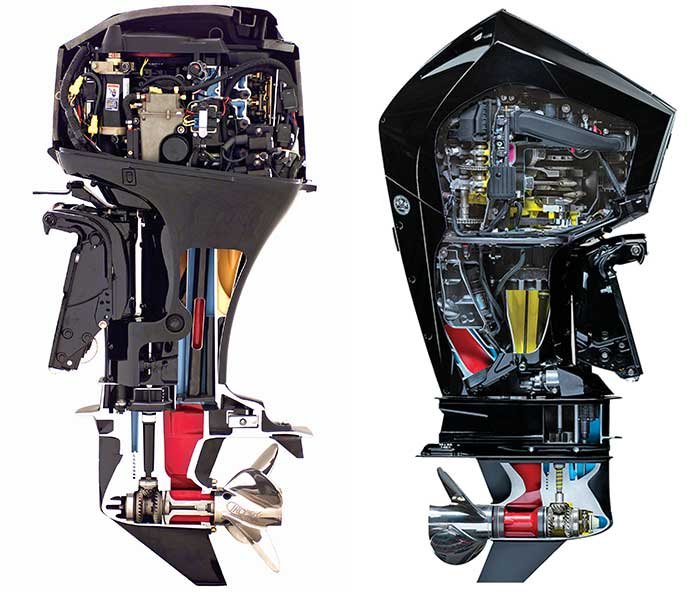
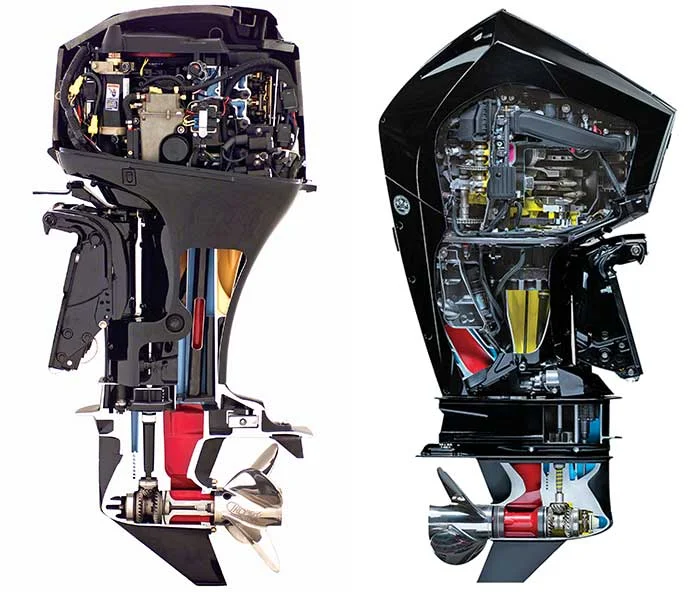
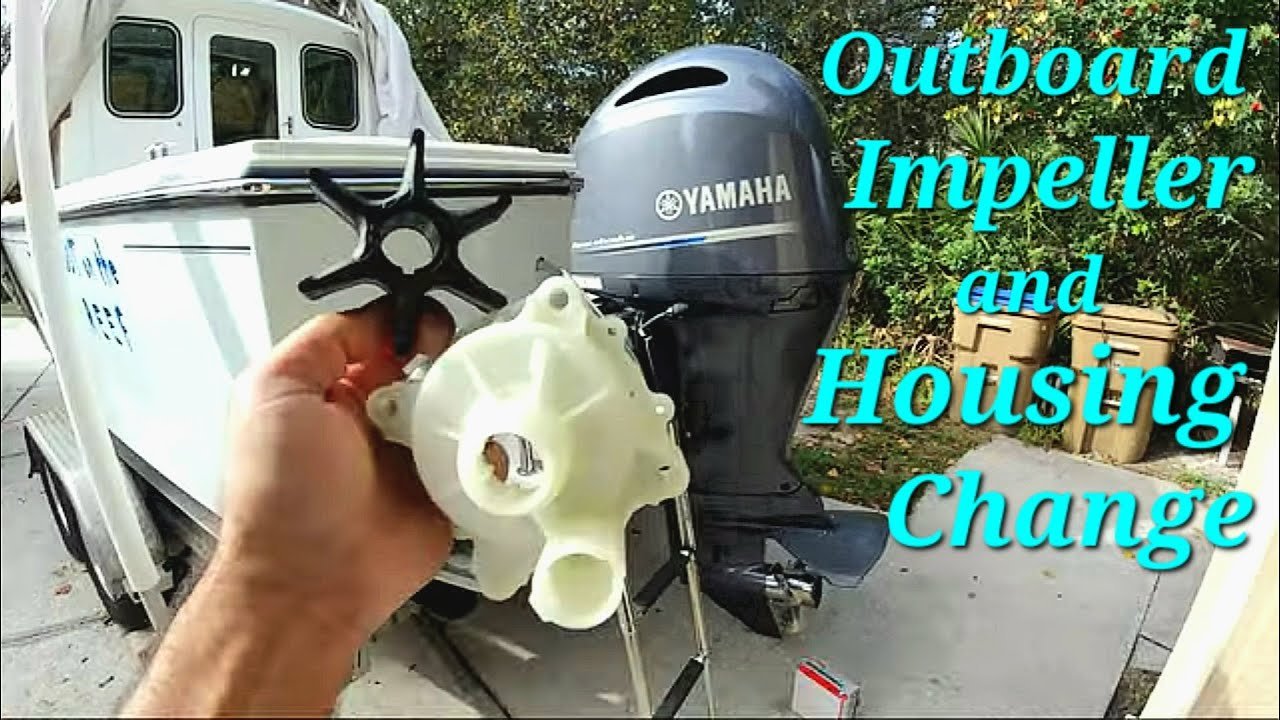
The impeller is part of the water pump system inside the lower unit of the outboard.
Its job sounds simple.
Pull water into the cooling system and keep the engine temperature under control.
But once the impeller starts wearing out, water circulation becomes weaker.
That creates problems fast.
A lot of buyers searching Yamaha Outboard Impeller Replacement Guide information already noticed symptoms like:
- Weak tell-tale water stream
- Overheating warnings
- Reduced cooling
- Steam near the engine
- Hot engine temperatures
The impeller may be small, but the entire cooling system depends on it.
Why Yamaha Outboard Impeller Maintenance Matters
Marine engines work under constant load.
Unlike cars, outboards often stay at higher RPM for long periods while dealing with:
- Saltwater exposure
- Sand
- Debris
- Mud
- Heat
- Corrosion
That constant stress wears impellers over time.
Ignoring impeller maintenance can lead to:
- Overheating
- Internal engine damage
- Warped components
- Cooling failure
- Expensive repairs
A lot of Yamaha engines fail early simply because cooling system maintenance was ignored too long.
That is one reason Yamaha Outboard Impeller Replacement Guide searches keep growing among serious boat owners.
How Often Should a Yamaha Impeller Be Replaced?
This depends heavily on how the boat is used.
General recommendations often include:
- Every 100 hours
- Every season
- Every two seasons for lighter recreational use
Commercial operators often replace impellers more frequently because the engines work much harder.
Anybody reading a Yamaha Outboard Impeller Replacement Guide should understand one thing.
Water conditions matter.
Sand, shallow water, mud, and debris wear impellers faster.
Signs Your Yamaha Impeller Needs Replacement
Most impellers give warning signs before complete failure.
Common symptoms include:
- Weak cooling water stream
- Engine overheating
- Intermittent water flow
- Steam from the engine
- Temperature alarms
- Reduced cooling performance
Some owners ignore the warning signs until major damage already begins.
That happens more often than people admit.
Yamaha Outboard Engines We Supply
People searching maintenance guides often end up looking for replacement engines too.
We supply Yamaha outboards for:
- Fishing boats
- Offshore boats
- Commercial boats
- River boats
- Utility boats
- Recreational boats
Available Yamaha engines may include:
- Yamaha 40HP
- Yamaha 60HP
- Yamaha 90HP
- Yamaha 115HP
- Yamaha 150HP
- Yamaha jet drive outboards
- Yamaha propeller outboards
Worldwide buyers contact us for replacement engines, commercial marine setups, export supply, and fishing operations.
Common Yamaha Outboard Specifications
Different Yamaha outboards vary depending on horsepower and setup, but many share similar core features.
Common Yamaha Outboard Specifications
Engine Type
4-Stroke Marine Outboard
Cooling System
Water-Cooled
Fuel System
Electronic Fuel Injection
Starting System
Electric Start
Steering Options
- Hydraulic Steering
- Remote Steering
- Tiller Steering
Fuel Type
Gasoline
Shaft Length Options
- Short Shaft
- Long Shaft
- Extra Long Shaft
Typical Applications
- Fishing boats
- Commercial marine work
- Offshore boats
- Utility boats
- Recreational boating
A lot of buyers reading Yamaha Outboard Impeller Replacement Guide content are already trying to protect engines they rely on regularly.
Yamaha Outboard Impeller Replacement Guide Step by Step
Replacing an impeller is not complicated once you understand the process, but rushing creates mistakes.
Step 1: Disconnect the Battery
Safety first.
Always disconnect power before working on the outboard.
Step 2: Remove the Lower Unit
The impeller sits inside the water pump housing in the lower section of the engine.
Carefully remove the lower unit bolts.
Step 3: Access the Water Pump Housing
Once the lower unit is removed, the water pump housing becomes accessible.
Step 4: Remove the Old Impeller
Inspect the old impeller carefully.
Look for:
- Cracked fins
- Missing blades
- Hard rubber
- Wear marks
A damaged impeller can sometimes break apart internally.
Step 5: Inspect the Housing
Check for scoring, corrosion, or internal wear.
Sometimes the housing also needs replacement.
Step 6: Install the New Impeller
Install the new impeller carefully in the correct rotation direction.
This step matters more than people think.
Step 7: Reassemble the Water Pump
Reinstall the housing and components properly.
Step 8: Reinstall the Lower Unit
Reconnect everything carefully and tighten bolts correctly.
Step 9: Test Water Flow
Run the engine and check the cooling water stream immediately.
That is the basic Yamaha Outboard Impeller Replacement Guide process most owners follow.
Why Impellers Fail
A lot of people assume impellers simply wear out from age.
That is only part of the story.
Common causes include:
- Dry running
- Sand ingestion
- Mud
- Salt buildup
- Heat
- Long storage periods
- Debris damage
Running an outboard without water, even briefly, can damage the impeller surprisingly fast.
Yamaha Cooling System Problems
Impeller issues are not the only cooling system problems Yamaha owners face.
Other problems may include:
- Blocked cooling passages
- Thermostat failure
- Corrosion buildup
- Debris obstruction
- Water pump housing wear
But honestly, impeller replacement is still one of the most common maintenance jobs in marine engines.
That is why Yamaha Outboard Impeller Replacement Guide topics remain so important for long-term engine reliability.
Why Buyers Choose Yamaha Outboards
People in the marine industry usually stay loyal to brands that consistently work.
Yamaha built a strong reputation because the engines are known for:
- Reliable starting
- Long engine life
- Smooth operation
- Strong resale value
- Good fuel economy
That reputation keeps Yamaha engines in demand worldwide.
Used vs New Yamaha Outboards
A lot of buyers ask whether they should buy used or new outboards.
Used Yamaha Outboards
Lower upfront pricing.
Popular with budget-conscious buyers and commercial operators.
New Yamaha Outboards
Latest technology and warranty support.
Usually preferred for long-term ownership.
Low-Hour Yamaha Outboards
A lot of buyers specifically search for low-hour engines because they balance condition and affordability.
Why Commercial Operators Replace Impellers Early
Commercial operators usually take cooling system maintenance seriously because downtime becomes expensive quickly.
A failed outboard during work operations can mean:
- Lost income
- Delayed transport
- Missed fishing trips
- Expensive repairs
That is why many commercial operators replace impellers before problems even begin.
Signs It May Be Better to Replace the Entire Outboard
Sometimes cooling problems continue too long and internal damage becomes severe.
Common warning signs include:
- Repeated overheating
- Severe engine knocking
- Low compression
- Internal corrosion
- Excessive smoke
- Major power loss
At some point, replacement becomes more practical than repair.
That is why buyers researching Yamaha Outboard Impeller Replacement Guide information sometimes end up shopping for replacement outboards too.
Why Buyers Work With Us
People buying marine engines usually want straightforward information.
Not exaggerated sales language.
Buyers mainly care about:
- Engine condition
- Reliability
- Honest communication
- Fair pricing
- Shipping support
That is how we handle our engine inventory.
We provide Yamaha outboard engines for fishing operators, marine businesses, offshore boat owners, commercial fleets, and export buyers worldwide.
Worldwide Shipping for Yamaha Outboards
We support worldwide shipping for:
- Boat owners
- Marine workshops
- Fishing businesses
- Commercial operators
- Export buyers
Shipping arrangements depend on engine size and destination.
Yamaha Outboard Impeller Replacement Guide for Long-Term Reliability
A lot of boat owners focus only on horsepower when buying an outboard.
But long-term reliability usually depends more on maintenance habits.
A healthy cooling system protects:
- Internal engine components
- Cylinder temperatures
- Bearings
- Seals
- Overall engine life
Anybody serious about keeping a Yamaha outboard running properly for years should take impeller maintenance seriously.
Frequently Asked Questions
How often should a Yamaha impeller be replaced?
Most owners replace impellers every 100 hours or every season depending on use.
Do you sell Yamaha outboard engines?
Yes. We supply Yamaha marine engines worldwide.
What happens if the impeller fails?
The engine may overheat because cooling water circulation becomes weak or stops completely.
Are Yamaha outboards reliable?
Yes. Yamaha outboards are known for long-term durability and dependable performance.
Can I replace a Yamaha impeller myself?
Many boat owners handle impeller replacement themselves with proper tools and care.
Do you ship Yamaha outboards internationally?
Yes. Worldwide shipping support is available.
What are signs of a bad impeller?
Weak water flow, overheating, steam, and temperature alarms are common warning signs.
Why do impellers wear out?
Heat, sand, debris, saltwater exposure, and dry running all contribute to wear.
Are used Yamaha outboards available?
Yes. Used and low-hour Yamaha outboards may be available depending on inventory.
What Yamaha outboards are most popular?
40HP, 60HP, 90HP, 115HP, and 150HP Yamaha outboards remain among the most requested models.
Final Thoughts on Yamaha Outboard Impeller Replacement Guide
Anybody reading a Yamaha Outboard Impeller Replacement Guide is usually trying to prevent one thing.
Expensive engine damage.
The impeller may be small, but it plays a major role in keeping the cooling system functioning properly.
Ignoring cooling system maintenance usually becomes expensive later.
A properly maintained Yamaha outboard can stay dependable for years when cooling components are serviced regularly.
This Yamaha Outboard Impeller Replacement Guide was written to help boat owners understand why impeller maintenance matters and why Yamaha outboards continue holding strong value worldwide.
If you are looking for Yamaha outboard engines for fishing boats, offshore operations, commercial marine work, replacement motors, or export supply, we are ready to help with available inventory, worldwide shipping support, and dependable marine engine solutions.
Yamaha 300HP Outboard Review: Built for Speed and Strength – Yamaha 300HP outboard for sale
Electric vs Gas Outboard Motors: Pros, Cons & Which is Right for You
Posts Widget
- 1

- 2

- 3
- 4


S.H Continental Marine
USA HERALD MAGAZINE INC
Our team is dedicated to providing exceptional customer service.
Email: info@shcontinentalmarine.com
Choose S.H Continental Marine
for your outboard engine needs and enjoy superior quality, exceptional customer service, and unbeatable prices.
