
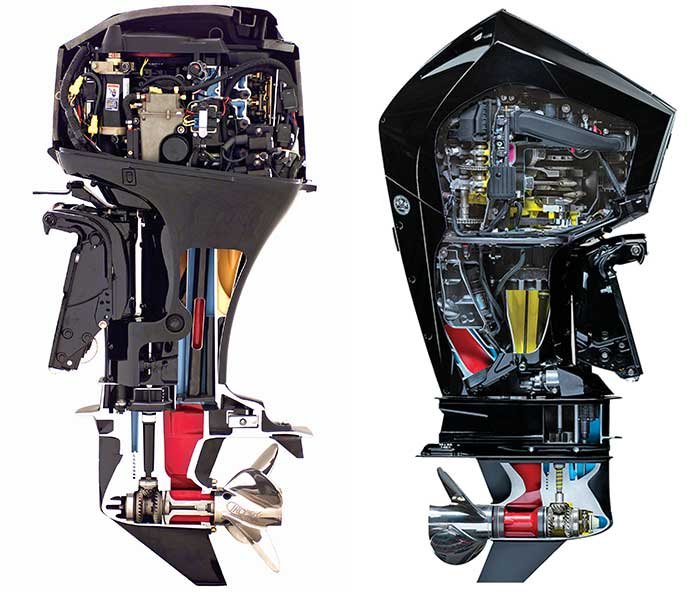
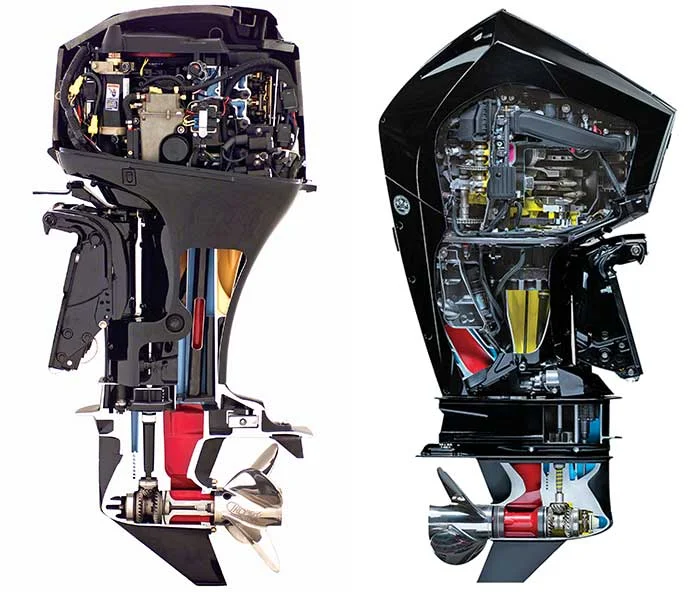
Yamaha Outboard Gauges Explained
Yamaha Outboard Gauges Explained
Anybody who spends enough time around boats eventually realizes something important.
A Yamaha outboard engine can only tell you so much by sound alone.
The gauges matter.
A lot of boat owners pay attention to horsepower, propellers, and fuel capacity, but experienced boaters know the gauge system is just as important as the engine itself.
Without proper gauges, a boat owner may never notice:
- Overheating problems
- Low oil pressure
- Charging system issues
- Fuel problems
- RPM problems
- Engine warnings
That is exactly why so many people search for Yamaha Outboard Gauges Explained before upgrading their boats or replacing marine engines.
Some buyers are setting up new offshore boats.
Others are repowering fishing boats.
Some are replacing damaged Yamaha gauge systems after years of heavy marine use.
No matter the situation, boat owners want reliable engine information while out on the water.
This guide about Yamaha Outboard Gauges Explained was written for real boat owners looking for practical information without robotic sales language.
We supply Yamaha outboard engines for buyers worldwide. Whether you need a replacement Yamaha motor, a low-hour marine engine, offshore boat setups, or Yamaha-compatible gauge systems, we help buyers source dependable marine equipment with worldwide shipping support.
The process stays simple.
Good engines. Honest information. Reliable marine equipment. No unnecessary sales talk.
Why Buyers Search for Yamaha Outboard Gauges Explained
Most people searching for Yamaha Outboard Gauges Explained are trying to understand how Yamaha monitoring systems work before purchasing equipment or troubleshooting problems.
A lot of newer boat owners quickly realize marine gauges are different from automotive dashboards.
Yamaha outboard gauge systems monitor critical engine functions that help protect the motor while operating offshore or during long-distance boating.
Those systems commonly track:
- RPM
- Trim position
- Fuel usage
- Engine temperature
- Battery voltage
- Oil pressure
- Engine warnings
Without accurate gauges, diagnosing engine problems becomes much harder.
Why Yamaha Outboard Gauges Matter
A Yamaha outboard can run perfectly one minute and develop problems the next.
The gauges help boat owners notice warning signs early before major damage happens.
That matters because marine engine repairs are expensive.
A gauge system helps boat owners monitor:
- Engine performance
- Fuel consumption
- Charging system operation
- Cooling system condition
- Engine RPM range
That is why buyers searching for Yamaha Outboard Gauges Explained often focus heavily on upgrading older monitoring systems.
Our Yamaha Outboard Engine Supply
We supply Yamaha outboard motors for buyers worldwide.
Some customers are replacing older marine engines.
Others are repowering offshore fishing boats or center consoles.
We help buyers source:
- Used Yamaha outboards
- Low-hour Yamaha motors
- Offshore marine engines
- Four-stroke Yamaha outboards
- Replacement Yamaha engines
- Twin-engine offshore setups
Availability changes depending on inventory and market demand.
Yamaha Outboard Gauges Explained and Engine Monitoring
The truth is simple.
Modern marine engines rely heavily on proper monitoring systems.
Without gauges, boat owners may miss warning signs that could prevent major engine damage.
That is especially important during:
- Offshore boating
- Long-distance fishing trips
- Heavy commercial use
- Saltwater operation
Reliable gauges help protect expensive marine engines.
Common Yamaha Outboard Gauges
Different Yamaha setups use different gauge configurations depending on engine type and boat setup.
Some boats still use traditional analog gauges.
Others use fully digital Yamaha display systems.
Tachometer Gauge
The tachometer measures engine RPM.
This is one of the most important Yamaha gauges because it helps boat owners monitor:
- Engine speed
- Propeller performance
- Correct RPM range
- Fuel efficiency
A bad propeller setup often becomes obvious through RPM readings.
Speedometer Gauge
The speedometer displays boat speed.
Depending on the setup, speed information may come from:
- GPS systems
- Water pressure systems
A lot of offshore boat owners now prefer GPS-based speed readings for better accuracy.
Trim Gauge
The trim gauge shows engine trim position.
Trim adjustment affects:
- Boat handling
- Fuel economy
- Top speed
- Ride comfort
Boat owners searching for Yamaha Outboard Gauges Explained often ask about trim because improper trim hurts performance quickly.
Fuel Management Gauges
Fuel management systems help monitor:
- Fuel usage
- Remaining fuel
- Fuel economy
- Range estimates
That information becomes extremely important offshore.
A lot of long-distance boaters rely heavily on fuel management displays.
Engine Temperature Gauge
This gauge helps monitor cooling system performance.
Overheating becomes one of the most dangerous problems marine engines face.
Temperature monitoring helps prevent:
- Engine overheating
- Cooling restriction damage
- Water pump failure
- Internal engine damage
Voltage Gauge
Voltage gauges monitor battery charging systems.
Weak voltage readings may indicate:
- Charging problems
- Alternator issues
- Battery problems
- Wiring faults
Electrical problems offshore can quickly become dangerous.
Yamaha Command Link Gauges
A lot of newer Yamaha setups use Command Link digital systems.
These systems provide detailed engine information through integrated digital displays.
Command Link systems may display:
- RPM
- Fuel flow
- Voltage
- Temperature
- Engine hours
- Maintenance reminders
- Warning alerts
Buyers searching for Yamaha Outboard Gauges Explained often ask specifically about Command Link compatibility.
Analog vs Digital Yamaha Gauges
This question comes up constantly.
Should buyers choose analog or digital gauges?
The answer depends on the boat setup and owner preference.
Analog Yamaha Gauges
Analog systems remain popular because they are:
- Simple
- Easy to read
- Familiar
- Durable
A lot of older fishing boats still use analog setups successfully.
Digital Yamaha Gauges
Digital systems provide more engine data and advanced monitoring features.
They are especially popular for:
- Offshore boats
- Twin-engine setups
- Commercial marine use
- Modern center consoles
Why Accurate Gauges Matter Offshore
Offshore boating creates much higher risks than nearshore recreational use.
That is why proper gauge systems matter even more offshore.
Reliable engine monitoring helps boat owners detect problems before complete failure happens.
That includes:
- Overheating
- Fuel problems
- Charging system issues
- RPM irregularities
- Cooling restriction problems
Catching those issues early can prevent major repairs.
Yamaha Outboard Specifications
Most buyers ask for engine specifications before purchasing.
That is normal because different boats require different horsepower setups.
Yamaha F90 Specifications
Engine Type
Four-Stroke Outboard
Horsepower
90 HP
Fuel Type
Gasoline
Cooling System
Water-Cooled
Common Use
Fishing boats and recreational boats
Yamaha F150 Specifications
Engine Type
Four-Stroke Outboard
Horsepower
150 HP
Common Use
Center consoles and offshore fishing boats
Yamaha F250 Specifications
Engine Type
V6 Four-Stroke Outboard
Horsepower
250 HP
Application
Large offshore and commercial boats
Yamaha F300 Specifications
Engine Type
V6 Four-Stroke Outboard
Horsepower
300 HP
Application
Heavy offshore performance setups
Why Buyers Prefer Yamaha Outboards
A lot of boat owners stay loyal to Yamaha because of reliability.
That reputation matters in the marine industry.
Yamaha outboards are commonly used for:
- Offshore fishing
- Recreational boating
- Commercial use
- Saltwater applications
- Twin-engine offshore setups
A properly maintained Yamaha engine can last a very long time.
Common Gauge Problems Boat Owners Face
A lot of marine gauge problems happen gradually.
Some common issues include:
- Gauge failure
- Corrosion damage
- Wiring issues
- Sensor problems
- Display fading
- Voltage instability
Saltwater environments can damage electrical systems over time.
Why Proper Installation Matters
Even good Yamaha gauges can perform poorly if installed incorrectly.
Proper installation helps ensure:
- Accurate readings
- Reliable communication
- Stable voltage
- Water resistance
Poor wiring creates unnecessary problems later.
Shipping Yamaha Outboards Worldwide
We support worldwide shipping depending on buyer requirements.
Available shipping methods may include:
- Crated shipping
- Freight transport
- Container shipping
- Marine export handling
Engine Preparation
Before shipping, engines are usually:
- Secured properly
- Wrapped for protection
- Drained when required
- Prepared for transport safety
Proper preparation helps reduce shipping-related problems.
Why Buyers Continue Working With Us
Most repeat buyers come back for one reason.
Straightforward communication.
Nobody wants hidden surprises when purchasing marine engines or Yamaha equipment.
We focus on:
- Honest engine information
- Proper shipping coordination
- Clear communication
- Reliable inventory updates
- Compatibility support
That matters more than flashy advertising.
Frequently Asked Questions
Why are Yamaha outboard gauges important?
They help monitor engine performance, fuel usage, RPM, temperature, voltage, and warning systems.
What does a Yamaha tachometer do?
The tachometer displays engine RPM.
What is Yamaha Command Link?
Command Link is Yamaha’s digital engine monitoring system used on many modern outboards.
Are digital Yamaha gauges better?
Digital systems provide more engine information, but some owners still prefer analog gauges for simplicity.
What can happen if gauges fail?
Boat owners may miss overheating, charging problems, fuel issues, or engine warning signs.
Do Yamaha gauges work offshore?
Yes. Properly installed Yamaha gauge systems are commonly used on offshore boats.
Do you sell Yamaha outboards?
Yes. We supply Yamaha outboards for buyers worldwide.
Are used Yamaha outboards available?
Yes. Used and low-hour Yamaha marine engines may be available depending on inventory.
Do you ship Yamaha outboards internationally?
Yes. Worldwide shipping support is available.
Why do buyers search for Yamaha Outboard Gauges Explained?
Most buyers want to understand how Yamaha monitoring systems work before purchasing or upgrading marine equipment.
Tips Before Buying Yamaha Gauges
Before purchasing Yamaha gauge systems, buyers should always verify:
- Engine compatibility
- Voltage requirements
- Wiring setup
- Display compatibility
- Sensor requirements
- Mounting space
Guessing usually creates installation problems later.
Final Thoughts on Yamaha Outboard Gauges Explained
Anybody who owns a Yamaha outboard long enough eventually realizes good gauges matter just as much as horsepower.
Reliable monitoring systems help protect marine engines, improve fuel management, and reduce the risk of major failures offshore.
That is why buyers spend so much time researching Yamaha Outboard Gauges Explained before upgrading their marine setups.
This guide was written to help boat owners better understand how Yamaha gauge systems work and why proper engine monitoring matters for performance, safety, and long-term reliability.
If you need a replacement Yamaha outboard, a low-hour marine engine, an offshore setup, or Yamaha-compatible monitoring equipment, we are ready to help with available inventory and worldwide shipping support.
Yamaha 300HP Outboard Review: Built for Speed and Strength – Yamaha 300HP outboard for sale
Electric vs Gas Outboard Motors: Pros, Cons & Which is Right for You
Posts Widget
- 1

- 2

- 3
- 4


S.H Continental Marine
USA HERALD MAGAZINE INC
Our team is dedicated to providing exceptional customer service.
Email: info@shcontinentalmarine.com
Choose S.H Continental Marine
for your outboard engine needs and enjoy superior quality, exceptional customer service, and unbeatable prices.
