
Marine Equipment Suppliers: How to Find One You Can Actually Trust

“Marine equipment suppliers” is one of those searches that returns everything from a guy selling life jackets out of a garage to massive industrial catalogs with ten thousand SKUs and nobody who’ll pick up the phone. Somewhere in between is what most boat owners actually need: a supplier who stocks the engines, parts, and rigging that matter, knows the specs cold, and stands behind what they sell after the invoice is paid.
We are one of those suppliers, and we’ve spent enough years shipping outboard motors and marine parts to buyers around the world to know exactly what separates a supplier worth your money from one that’s just reselling someone else’s stock with a markup slapped on top. Here’s what to actually look for.
What Marine Equipment Suppliers Should Actually Stock
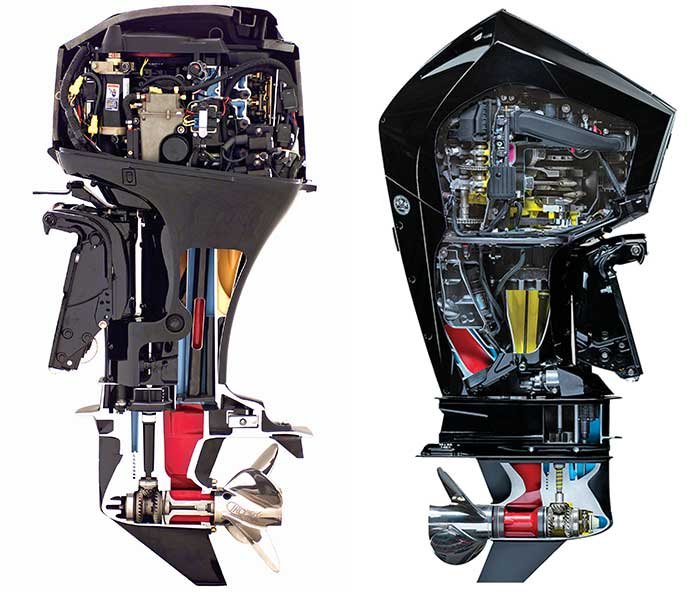
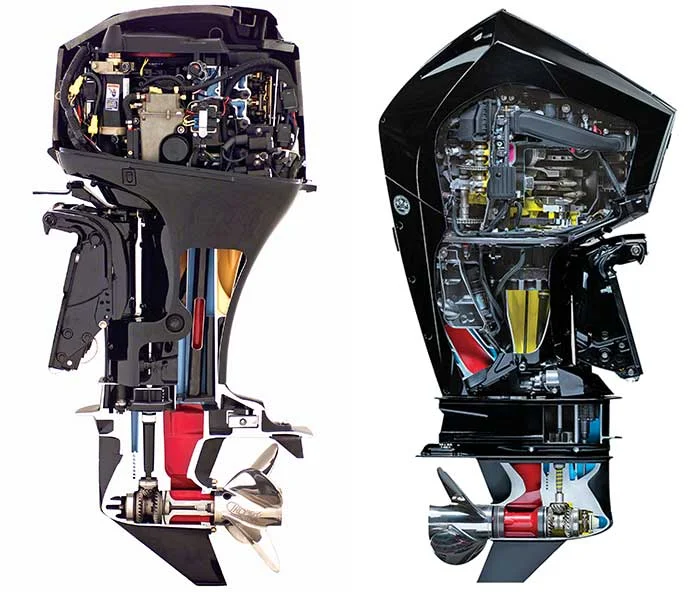
The word “equipment” gets used loosely in this industry. Some suppliers mean life jackets and rope. Others mean full propulsion systems. For most buyers contacting us, equipment means the engine itself plus everything needed to get it running on the boat correctly. A supplier worth using should carry:
| Category | What’s Included | Why It Matters |
|---|---|---|
| Outboard engines | 2.5 HP to 425 HP, 2-stroke and 4-stroke | The core purchase, and the widest range you’ll need to compare against your hull rating |
| Propellers | Aluminum and stainless, multiple pitch options | Wrong prop kills performance even on a perfect engine |
| Rigging and controls | Cables, binnacles, steering kits | Needed for a proper repower, not just a bolt-on swap |
| Maintenance parts | Water pump kits, spark plugs, filters, anodes | Determines how fast you can get back on the water after a breakdown |
| Fuel systems | Tanks, lines, primer bulbs | Often overlooked until the old one fails mid-season |
If a supplier can only quote you the engine and shrugs at everything else, you’ll end up sourcing rigging and props from three other places, which turns a simple purchase into a logistics headache with three different shipping timelines to track.
Specs That Actually Matter When Comparing Marine Equipment Suppliers
Every serious buyer eventually ends up comparing spec sheets across two or three marine equipment suppliers before committing. The numbers that actually predict how happy you’ll be with the purchase are horsepower, shaft length, weight, and fuel delivery type. A 90 HP engine from one supplier and a 90 HP engine from another can still differ meaningfully in weight (which affects transom stress and fuel economy) and in whether it’s carbureted or EFI (which affects starting reliability and maintenance intervals). Don’t assume horsepower alone tells the full story. Ask for the complete spec sheet, not just the headline number.

New Stock vs Refurbished: What Suppliers Actually Sell
Most marine equipment suppliers carry a mix of new engines and tested used units, and honestly, both categories make sense depending on your budget and how you use the boat.
- New engines carry full manufacturer warranty and zero hours, which matters if resale value or long-term reliability is the priority.
- Tested used engines, when properly inspected, save real money. We check compression, water pump output, and lower unit condition on everything before it goes back into stock, and we tell buyers the actual numbers rather than a vague “runs great.”
The problem is that not every supplier tests before listing. Some just clean an engine up, snap a photo, and call it “excellent condition” without ever pulling a compression gauge. Ask for actual test numbers, not adjectives.
How to Separate Real Marine Equipment Suppliers From Resellers
A lot of the sites you’ll find searching for marine equipment suppliers aren’t suppliers at all, they’re resellers who never touch the actual inventory. That’s not automatically a dealbreaker, but you need to know which one you’re dealing with, because it changes who’s actually responsible if something goes wrong. A few questions that expose the difference fast:
- Can you send me a photo of this specific engine, not a stock catalog image?
- Where is the inventory physically located, and can I confirm that independently?
- Who handles the warranty claim if something fails, you or the manufacturer directly?
- What’s your return policy if the equipment doesn’t match the listing?
- How long have you been operating under this business name?
A genuine supplier answers these without hesitation. A reseller drop-shipping from somewhere else usually gets vague or stalls for time while they check with their own supplier.
Pricing Across Marine Equipment Suppliers: What’s Normal and What’s a Red Flag
Prices for the same model can vary 10 to 15 percent between legitimate suppliers depending on their overhead, shipping arrangements, and whether they’re clearing older stock. That’s normal. What’s not normal is a price 30 or 40 percent below everyone else’s for the exact same engine, same year, same condition. That gap usually means one of a few things: the engine isn’t actually in the condition described, it’s stolen or has a lien against it, or the “supplier” is running a scam that disappears once the deposit clears. If a deal looks too good, ask harder questions before you send money, not after.
Shipping and Worldwide Delivery
This is where the good marine equipment suppliers separate themselves from the rest. Engines and rigging kits are heavy, awkwardly shaped, and expensive to ship badly. We crate every outboard ourselves, brace it so it can’t shift in transit, and prepare the paperwork, commercial invoice, packing list, and certificate of origin where required, before the crate ever leaves the warehouse. We ship regularly to buyers across Africa, the Middle East, Europe, and North America, and the shipments that go smoothly are always the ones where the paperwork was right from day one.
Ask any supplier you’re considering for their typical transit time to your country, which carriers they use, and what happens if the crate arrives damaged. Get the answer in writing.
Warranty Support That Actually Means Something
A lot of marine equipment suppliers advertise warranty coverage without explaining what it actually covers. Before buying, confirm:
- Whether the warranty is manufacturer-backed or supplier-backed, and what the difference means for a claim
- What’s excluded, since saltwater corrosion and improper installation are common carve-outs
- Whether OEM parts are available for warranty repairs, or if you’ll be waiting on a special order
- Who pays for return shipping if a warranty claim is approved
Bulk and Fleet Buyers: A Different Conversation
If you’re a dealer, charter operator, or fleet manager sourcing from marine equipment suppliers regularly, the relationship should look different from a one-off retail purchase. Ask about standing inventory allocations, volume pricing, and whether the supplier can hold stock against a purchase order rather than requiring full payment before you’ve confirmed availability. Suppliers who work with repeat business customers usually have a separate process for this, and it’s worth asking about directly rather than assuming retail terms apply.
Matching Equipment to Your Boat Before You Contact Any Supplier
Before you even start comparing marine equipment suppliers, get your own numbers straight. Measure your transom height for shaft length (15″, 20″, 25″, 30″, or 35″), confirm your hull’s maximum HP rating, and note whether you run saltwater, freshwater, or both. Suppliers can only give you an accurate quote if you give them accurate information, and “I have a 20 foot boat” isn’t enough detail for anyone to size an engine correctly. The boat’s length tells you almost nothing about the right horsepower on its own, since a heavy pontoon and a light aluminum hull of the same length need very different power.
It also helps to know whether you’re doing a straight repower (same mounting, same controls) or a full rig change. A straight repower is usually cheaper and faster since existing cables and gauges may still work. A full rig change means budgeting for controls, cables, and sometimes a new steering system on top of the engine itself, which is exactly the kind of total-cost detail a good supplier should walk you through before you commit to a number.
Comparing Quotes Side by Side Without Getting Confused
When you request quotes from two or three marine equipment suppliers, put them side by side in a simple table before deciding anything. List engine price, propeller (included or extra), rigging kit (included or extra), freight cost, estimated transit time, and warranty terms for each. Suppliers structure their quotes differently on purpose sometimes, bundling some costs and itemizing others, and a quote that looks cheapest at first glance can end up being the most expensive once you add back everything that was left off. This five-minute exercise catches almost every hidden-cost problem before it becomes a surprise invoice.
Parts Availability: The Detail Buyers Forget to Ask About
A supplier who sells you the engine but can’t get you a water pump impeller kit six months later isn’t much use once something needs servicing. Ask specifically what parts are stocked locally versus special-ordered from the manufacturer, and what the typical wait time looks like for a part that has to be shipped in. This matters more the farther you are from a dense dealer network. A buyer in a major coastal city might have three servicing options within driving distance. A buyer on a remote island or inland lake might have exactly one supplier they can realistically deal with, which makes that supplier’s parts stock and shipping speed a much bigger factor in the decision than price alone.
A Real Example of Sourcing Through Us
A fishing lodge operator needed three 60 HP engines plus matching props and full rigging kits ahead of a season start, all shipping to a country where we hadn’t previously sent equipment. We confirmed the import documentation requirements with their local customs broker before quoting, bundled the engines, props, and rigging into a single crate shipment to cut freight costs, and had everything cleared and running before their first bookings of the season. That’s the kind of coordination a real supplier handles as a matter of course, not as a special favor.
Financing and Payment Terms
Full payment up front isn’t the only way to buy from marine equipment suppliers, though it’s the most common for smaller orders. For larger purchases, ask whether a deposit-plus-balance structure is available, where you pay a portion to confirm the order and the remainder before or after shipping. This protects both sides: the supplier isn’t fronting inventory on pure trust, and you’re not sending full payment for equipment you haven’t seen tested. Get any payment structure agreed in writing before transferring anything.
Common Mistakes Buyers Make With Equipment Suppliers
The recurring issues we see: ordering an engine without confirming shaft length against the actual transom, assuming a prop is included when it wasn’t specified, and choosing a supplier purely on price without checking whether they’ve actually shipped to the buyer’s country before. All three come from moving fast without asking the basic questions first.

Local Suppliers vs Global Marine Equipment Suppliers
There’s a real trade-off between buying from a supplier down the road and buying from marine equipment suppliers who ship worldwide. Local suppliers win on speed for small parts and emergency repairs, you can drive over and pick something up the same afternoon. Global suppliers usually win on selection and price, since they carry deeper inventory across more horsepower ranges and aren’t limited to what fits in one small showroom. Many boat owners end up using both: a global supplier for the engine purchase itself and rigging kit, and a local shop for routine servicing and quick-turnaround parts. Neither approach is wrong, it depends on what you’re buying and how urgently you need it.
If you do go with a supplier outside your country, factor in the extra lead time for customs clearance when planning your season. An engine that takes two weeks to arrive domestically might take four to six weeks landing internationally once freight and customs processing are factored in. Plan the order date around your actual on-the-water deadline, not just the advertised shipping time from the supplier’s website.
A Documentation Checklist Before You Commit
Keep this list handy when you’re finally ready to place an order with any of the marine equipment suppliers you’ve been comparing:
- Written itemized quote listing engine, propeller, rigging, and freight separately
- Confirmed shaft length and horsepower matched against your hull’s rated maximum
- Serial number for the specific unit you’re buying, verified against manufacturer records
- Warranty terms in writing, including what voids coverage
- Shipping method, carrier, and estimated transit time to your address or port
- Return and damage claim process spelled out before you pay
Print it, save it, whatever works, but don’t rely on memory across multiple email threads with multiple suppliers. It’s easy to lose track of who promised what once you’re three quotes deep into comparison shopping.
More Questions We Get Asked
Should I buy the engine and rigging kit from the same supplier?
Usually yes, since mismatched components between suppliers can create compatibility headaches, and a single supplier is easier to hold accountable if something doesn’t fit correctly.
How far in advance should I order before boating season starts?
For international shipments, order at least six to eight weeks ahead to allow for freight and customs clearance, longer if you’re ordering a less common horsepower or configuration.
Do marine equipment suppliers offer installation help?
Many can walk you through installation by phone or video call, though hands-on installation typically requires a local marine mechanic unless the supplier has a service location near you.
Frequently Asked Questions
What’s the difference between a marine equipment supplier and a boat dealer?
A supplier typically focuses on engines, parts, and rigging rather than complete boats, and often serves a wider geographic market including international buyers.
Do marine equipment suppliers sell directly to individuals?
Most do, alongside dealer and fleet accounts. Pricing structures may differ by volume, but individual buyers should get the same transparency about condition and specs.
How do I verify a supplier before wiring an international payment?
Request serial numbers, current photos or video, verifiable business registration, and written terms for warranty and shipping before sending any money.
Can suppliers provide both the engine and the rigging kit together?
A well-stocked supplier should be able to, which saves you from coordinating separate shipments and timelines from multiple sellers.
What should I do if equipment arrives damaged?
Document the damage with photos immediately, contact the supplier before signing any final delivery paperwork if possible, and reference the written shipping terms you agreed to before purchase.
Saltwater, Freshwater, and Why It Changes What a Supplier Should Recommend
Not every engine and rigging package suits every environment, and a good marine equipment supplier should ask about your water conditions before recommending anything. Saltwater use demands corrosion-resistant coatings, stainless hardware where possible, and sacrificial anodes that need periodic replacement. Suppliers who sell the same setup regardless of whether you’re running a freshwater lake or an offshore saltwater route aren’t paying attention to details that affect how long your investment lasts. Ask directly whether the equipment you’re quoted is rated and finished for your specific conditions, not just “marine grade” in a generic sense.
What Happens After the Sale
The relationship with marine equipment suppliers shouldn’t end the moment your payment clears. Ongoing servicing, replacement parts, and troubleshooting support are where the difference between a one-time seller and a long-term supplier really shows. Before buying, ask how the supplier handles support calls, whether they have documented service intervals for the specific engine model you’re purchasing, and whether they can source less common parts if something breaks outside the standard maintenance schedule. A supplier who’s still answering your calls two years after the sale is the kind worth building a relationship with.
Source Your Equipment From a Supplier Who Tests What They Sell
We stock and test everything ourselves before it ships, from a compact 6 HP Yamaha F6SMHA for a small tender up to a 425 HP Yamaha V8 for offshore fleets, plus mid-range workhorses like the 60 HP F60LB and the 30 HP F30LA. Not sure which engine and rigging combination fits your boat? Our guide on matching power to the right hull walks through the sizing math, or read up on what to look for in an outboard engine supplier specifically.
For general standards on marine equipment construction and safety that apply across the industry regardless of which supplier you choose, the American Boat and Yacht Council publishes technical standards worth reviewing, and the EPA’s marine engine emissions rules are useful background if you’re importing equipment across borders.
Posts Widget
- 1

- 2

- 3

- 4


S.H Continental Marine
USA HERALD MAGAZINE INC
Our team is dedicated to providing exceptional customer service.
Email: info@shcontinentalmarine.com
Choose S.H Continental Marine
for your outboard engine needs and enjoy superior quality, exceptional customer service, and unbeatable prices.
