
Outboard Engine Suppliers: 5 Essential Signs of a Trustworthy One
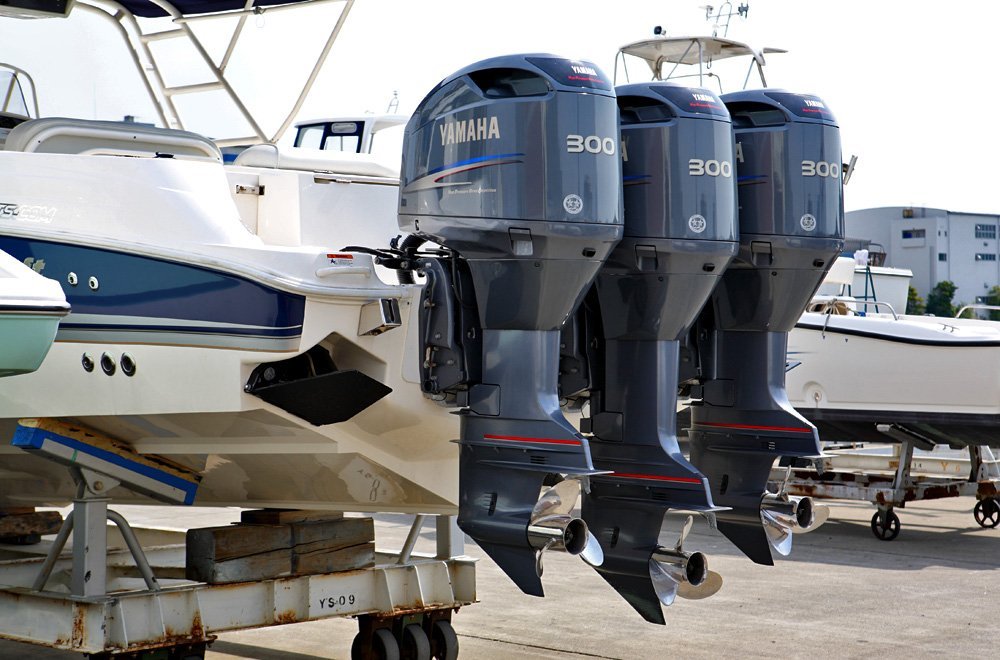
Finding reliable outboard engine suppliers is harder than it should be. Search results are full of marketplace listings with no service history, drop-shippers who have never touched an engine, and a handful of legitimate dealers buried somewhere on page two. If you are trying to figure out who to actually trust with a purchase that might run into five figures, here is what separates a real outboard engine supplier from a listing page.
We supply new and used Yamaha outboards from 2.5 HP portables up to 425 HP offshore V8s, and we ship worldwide. This guide covers what to look for in any supplier, how to read the specs that actually matter, and why buyers keep coming back to dealers who know the engines they sell rather than a general marketplace.
What Separates a Real Supplier From a Listing Site
- They can answer technical questions without looking them up on the spot. Ask about compression numbers, hour meters, or corrosion on a specific model and a real supplier has an answer, not a guess.
- They inspect before listing. Compression tested, water pump checked, gear oil sampled. A supplier who cannot describe their inspection process is not really inspecting anything.
- They stand behind the sale. Clear return or warranty terms, not “as-is, no returns” buried in fine print.
- They carry a real range. A supplier with two or three engines in stock is a reseller. A supplier with a broad horsepower range and multiple shaft lengths is actually stocking inventory.
- They ship properly. Engines crated correctly, fluids drained or secured for transit, and clear freight quotes up front, not a surprise invoice after payment.

Our Current Range, By Horsepower
As outboard engine suppliers, we keep stock across the full spectrum rather than specializing in one narrow band. Here is a snapshot of what is typically available:
| Horsepower class | Example model | Typical price range (USD) |
|---|---|---|
| 2.5-6 HP portable | Yamaha 2.5 HP F2.5SMHB | $980-$1,700 |
| 8-15 HP | Yamaha 15 HP F15SEHA | $1,300-$2,200 |
| 20-40 HP | Yamaha 40 HP F40LA | $3,400-$4,400 |
| 50-90 HP | Yamaha 90 HP F90LB | $4,200-$6,300 |
| 115-250 HP | Inline four-cylinder and V6 models | $7,000-$18,000 |
| 300-425 HP V8 | Yamaha 425 HP LXF425ESA | $23,000-$25,000 |
Prices move with condition, shaft length, and control type (tiller vs remote, mechanical vs digital), which is exactly the kind of detail a real supplier will walk you through instead of just quoting a flat number.
Specs Worth Checking Before You Buy From Any Supplier
Whichever outboard engine supplier you end up buying from, these are the specs and details worth confirming before money changes hands:
- Shaft length. Short (15″), Long (20″), and Extra Long (25″) are the common sizes, and the wrong one means the engine sits too high or too low on your transom. Measure your transom before you shop.
- Weight. Ranges from around 27 lbs on a 2.5 HP up to roughly 670 lbs on a 425 HP V8. Weight affects both your boat’s balance and what kind of hoist or dock setup you need for installation.
- Control type. Tiller handle for small boats, remote mechanical or fly-by-wire digital throttle for larger installations. Digital controls cost more but shift smoother and integrate with multi-engine setups.
- Starting system. Manual pull-start on the smallest engines, electric start on almost everything above 6-9.9 HP.
- Fuel delivery. Carbureted on older or entry-level small engines, electronic fuel injection on nearly everything from roughly 25 HP up, which improves cold starting and fuel economy.
- Hour meter and service records. On used engines, this is the single most telling number. An engine with 200 hours and full service records is worth more than one with unknown history, regardless of age.

New vs Used: What Suppliers Should Tell You Honestly
New outboard motors from an authorized outboard engine supplier carry full manufacturer warranty, current emissions compliance, and zero wear, but cost the most. Used engines, properly inspected, can save 30-50% for a buyer willing to accept some wear and a shorter or no warranty. What you should never accept is an unclear line between the two, or a supplier who cannot tell you whether an engine has ever been submerged, rebuilt, or run without proper maintenance.
We list condition plainly on every engine we sell and disclose hours, service history, and any cosmetic issues up front. If a used engine has a known issue, we would rather tell you before the sale than after.
How Manufacturer Authorization Works
Not every outboard engine supplier is an authorized dealer for the brands they sell, and the difference matters more than it seems. Authorized suppliers get factory-backed parts pipelines, valid warranty registration, and access to current technical service bulletins. Unauthorized resellers can still sell perfectly good engines, especially used units, but any warranty claim usually falls back on the original selling dealer rather than the reseller you bought from. Ask directly whether a supplier is authorized for the brand and, if not, exactly how warranty claims would be handled.
Documentation You Should Receive With Every Purchase
- A dated invoice listing the exact model, serial number, and hour meter reading at sale
- Written condition notes on any cosmetic or mechanical issues
- Warranty terms in writing, including what voids coverage
- Compression test results on used engines, where applicable
- Shipping and tracking confirmation once the engine leaves the warehouse
A supplier who cannot produce this paperwork without being asked twice is telling you something about how the rest of the transaction will go.
How We Source Our Inventory
We source both new-in-box engines direct from authorized channels and carefully selected used engines that pass our inspection process before they are ever listed. Every used engine gets a compression check, a look at the lower unit oil, a water pump inspection, and a full function test before it goes up for sale. If something does not check out, it does not get listed, which is a large part of why our outboard engine suppliers relationship with repeat customers has held up over time.
Shipping and Worldwide Delivery
A genuine international outboard engine supplier should be able to answer these questions without hesitation:
- Is the engine crated for freight, or just boxed?
- Are fluids drained or secured for the fuel and oil systems during transit?
- What is the estimated delivery window to your country or region?
- Who handles customs documentation, and is it included in the quote?
- Is there tracking from the moment it leaves the warehouse?
We ship globally and handle export documentation as part of the sale, which is one of the more common gaps we see with smaller resellers who only think about domestic shipping.

Red Flags That Separate Suppliers From Scammers
- Prices dramatically below every other supplier for the same model and year, with no explanation
- Payment only accepted through untraceable methods (wire to a personal account, gift cards, crypto with no invoice)
- No physical address, no phone number, only a contact form
- Stock photos instead of actual photos of the specific engine, especially on used listings
- Pressure to pay immediately “before someone else buys it” on every single listing
A legitimate outboard engine supplier is not afraid of questions, does not need to rush you, and has a track record you can actually verify, whether that is reviews, a business registration, or simply years of the same domain and address.
Why Buyers Choose a Specialist Supplier Over a Marketplace
Marketplaces are fine for browsing, but they put all the diligence on the buyer. A specialist outboard engine supplier does that work for you: pre-purchase inspection, accurate spec sheets, honest condition grading, and someone on the other end of the phone who has actually run the engine you are looking at. That is the difference between buying an engine and buying a description of an engine.
Our stock covers the full range, from small 6 HP portables and 9.9 HP mid-range engines up to 90 HP and the flagship 425 HP V8, all inspected and ready to ship worldwide.
Frequently Asked Questions
How do I compare outboard engine suppliers before buying? Compare inspection process, warranty terms, shipping transparency, and how specific they get about the actual unit (photos, hours, service history) rather than just comparing sticker price.
Is it safe to buy an outboard engine internationally? Yes, as long as the supplier handles crating, documentation, and gives you a real tracking number and clear delivery window. Ask these questions before you pay.
What is a fair warranty period on a used outboard? This varies by supplier and engine condition, but any reputable supplier will state warranty terms clearly in writing before purchase, not verbally after the fact.
Should I choose a supplier based on price alone? No. A significantly cheaper price with no service history or inspection details is more often a red flag than a deal.
For general reference on engine ratings, emissions compliance, and safety standards, the National Marine Manufacturers Association (nmma.org) and the U.S. Coast Guard’s recreational boating resources (uscgboating.org) are both solid independent references.
Browse our current outboard motors for sale, or read our guide on outboard motor maintenance to know what to expect once you own one.
Posts Widget
- 1

- 2

- 3

- 4


S.H Continental Marine
USA HERALD MAGAZINE INC
Our team is dedicated to providing exceptional customer service.
Email: info@shcontinentalmarine.com
Choose S.H Continental Marine
for your outboard engine needs and enjoy superior quality, exceptional customer service, and unbeatable prices.
