
Marine Engine Store: What to Look For Before You Buy

Type “marine engine store” into Google and you’ll get a wall of results that all look the same: stock photos of a guy in a polo shirt, a phone number, and a promise that they’ve got “the best prices in the industry.” After years of running an actual marine engine store and shipping outboards to customers on five continents, we can tell you most of those pages are built by marketers, not by people who’ve ever pulled a cowling off a powerhead.
This page is written by the people who actually stock the engines, crate them, and answer the phone when a customer calls asking why their new 90 HP won’t prime. We’re going to walk through what a real marine engine store carries, what the specs actually mean when you’re comparing models, what things should cost, and what separates a supplier worth your money from one that will leave you chasing a warranty claim nobody answers.
What a Real Marine Engine Store Actually Stocks
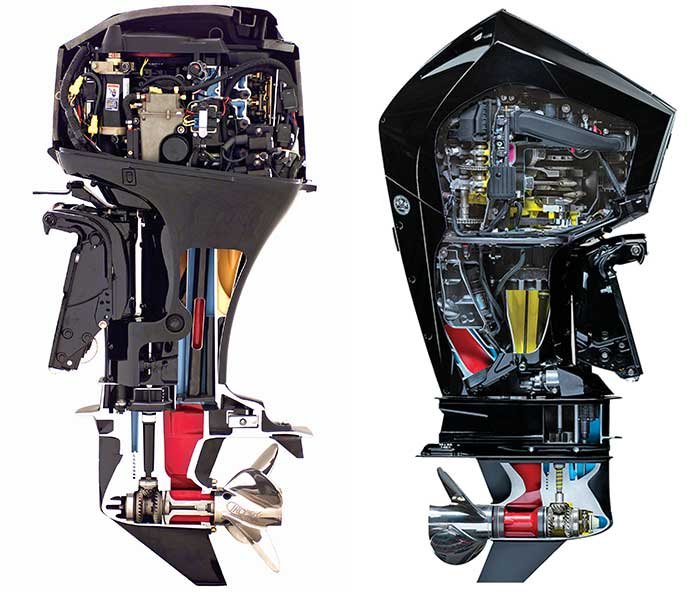
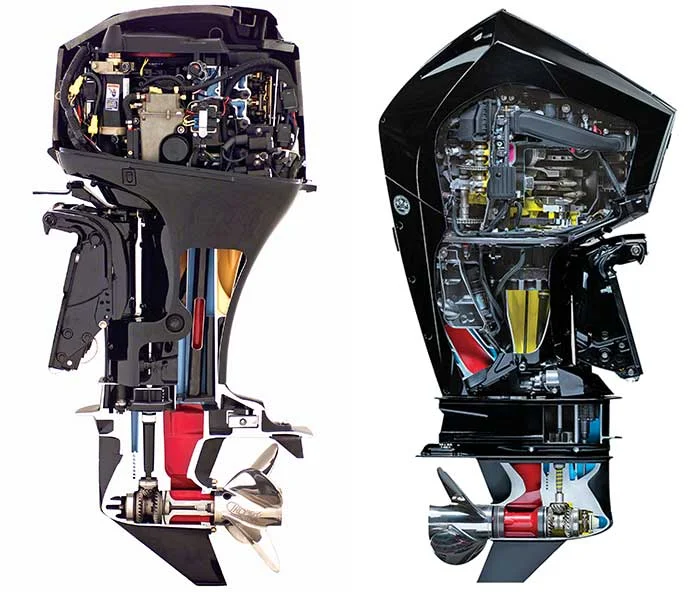
A serious marine engine store isn’t a single warehouse with three engines gathering dust. It’s a rotating inventory across the horsepower range, because different boats need completely different power. Here’s the kind of spread you should expect to find on the shelf:
| Category | Typical Range | Notes |
|---|---|---|
| Horsepower | 2.5 HP to 425 HP | Portable tiller motors up to V8 offshore engines |
| Stroke type | 2-stroke and 4-stroke | Most new stock is 4-stroke; 2-stroke still available for older rigging and weight-sensitive builds |
| Shaft length | 15″, 20″, 25″, 30″, 35″ | Must match your transom height, not just the boat size |
| Fuel delivery | Carbureted or EFI | EFI dominates 25 HP and up for easier cold starts and better fuel economy |
| Starting | Manual pull-start or electric | Electric start standard from around 9.9 HP up |
| Weight | 27 lbs to over 900 lbs | A 2.5 HP portable and a 425 HP V8 are not the same category of purchase |
When you’re browsing a marine engine store, those specs are the first filter, before brand, before price, before anything else. A boat rigged for a 20″ shaft will run rough and cavitate on a 15″ motor no matter how good the engine is. Get the fitment wrong and the rest of the spec sheet doesn’t matter. Measure from the top of the transom straight down to the bottom of the hull before you call anyone, and write that number down. Half the fitment mistakes we untangle for customers trace back to a guess instead of a tape measure.
Matching Horsepower to Your Boat, Not Just Your Budget
The other filter that matters as much as shaft length is horsepower rating. Every hull has a maximum HP rating stamped on the transom or listed in the owner’s manual, and going over it isn’t just a warranty problem, it changes how the boat handles. Underpowering is just as common a mistake, usually because someone is trying to save money at the counter of a marine engine store without thinking about resale value or how the boat will actually get used.
- Jon boats and small dinghies under 12 feet: 2.5 HP to 9.9 HP is usually plenty
- 14 to 16 foot aluminum fishing boats: 25 HP to 60 HP depending on hull weight and load
- 18 to 22 foot center consoles and bass boats: 90 HP to 150 HP for a good power-to-weight ratio
- 22 feet and up, offshore or performance hulls: 175 HP and up, often twin-rigged
If you’re between two sizes, we generally tell people to size up rather than down. An engine running at 70 percent load all day lasts longer and burns less fuel per mile than one working flat out to keep the boat on plane.
New vs Used: What You’ll Find on the Shelf
Most people assume a marine engine store only sells new stock. That’s rarely true. A good one carries both, and the two categories serve different buyers:
- New engines come with full manufacturer warranty, current emissions compliance, and the latest EFI and charging system tech. You pay full price for zero hours and zero history.
- Used and low-hour engines can save 30 to 50 percent off new pricing if the compression tests clean and the lower unit shows no water intrusion. The catch is you need a seller who actually tests before listing, not one who just wipes it down and takes a photo.
We test every engine that comes through our marine engine store before it goes back on the shelf: compression on every cylinder, water pump output, lower unit oil checked for metal shavings or a milky look that signals moisture intrusion, and a run test under actual load, not just an idle-in-a-barrel check that hides half the problems. If a seller can’t tell you the compression numbers on a used outboard, that’s a red flag, not a technicality you can ignore.
EFI, Carburetors, and What the Fuel System Actually Means for You
A lot of first-time buyers walk into a marine engine store and glaze over the moment someone mentions EFI versus carbureted. It matters more than people think. Carbureted engines are simpler mechanically, which some owners in remote areas prefer because there’s less electronics to fail and fewer specialized tools needed for a field repair. EFI engines start easier in cold weather, idle smoother, adjust automatically for altitude and temperature, and generally burn 10 to 15 percent less fuel across a season of normal use. Almost everything 25 HP and up sold new today is EFI, and most manufacturers have phased carbureted models out of that range entirely.
Saltwater vs Freshwater: Why It Changes What You Should Buy
Not every engine on a marine engine store’s shelf is built the same way underneath the paint. Saltwater use is brutal on an outboard: it eats through unprotected metal, clogs cooling passages with salt buildup, and corrodes electrical connections that would last decades in freshwater. If you’re running in salt or brackish water, look for engines with anti-corrosion coating on the powerhead, stainless steel water pump components, and sacrificial anodes already fitted, not sold as a separate add-on you have to remember to install. A store that doesn’t ask whether your boat runs salt or fresh isn’t paying attention to something that actually affects how long the engine lasts.
Freshwater-only use is easier on hardware, which is part of why used freshwater engines tend to hold value better and show fewer corrosion issues at the same hour count as a saltwater equivalent. If you’re buying used, always ask where the engine spent its life. It’s a fair question, and any honest seller will answer it directly.
How to Vet a Marine Engine Store Before You Send Money
We’d rather lose a sale than have someone learn the hard way. Before you wire money to any marine engine store, worldwide or local, run through this list:
- Ask for the engine’s serial number and run it against the manufacturer’s warranty lookup yourself, don’t take their word for it.
- Request current photos and, if possible, a short video of the engine running, not stock manufacturer images pulled off the brand’s own catalog.
- Confirm in writing what’s included: propeller, controls, rigging, oil, and shipping crate. These get left off quotes constantly and then show up as “extras” after you’ve already committed.
- Check how long the business has actually been operating, not just how new the website looks. Domain age and business registration are both public information you can check in a couple of minutes.
- Ask what happens if the engine arrives damaged. A real marine engine store has an actual claims process, not a shrug and a “that’s between you and the shipping company.”
- Look for a landline or verifiable business address, not just a WhatsApp number and a first name.
None of this is paranoia. Engines are expensive, freight takes weeks, and cross-border disputes are a nightmare to resolve after the fact. A few minutes of checking up front saves months of frustration later, and it filters out the resellers who are just drop-shipping from someone else’s warehouse without ever touching the engine.
Parts, Props, and Accessories: The Stuff That Gets Left Off the Quote
A marine engine store worth using stocks more than just the powerhead. Propellers alone come in a dozen pitch and diameter combinations, and the wrong prop will leave you either over-revving with no top speed or lugging the engine under load, both of which shorten its life. Beyond props, a decent store should have OEM water pump kits, spark plugs, fuel filters, control cables, and rigging harnesses on hand, because when something needs replacing, waiting three weeks for a part to ship from overseas isn’t an option most boat owners can live with. Ask what’s in stock locally versus what has to be special-ordered before you commit to a brand, especially if you’re buying somewhere without a dense dealer network nearby.
What It Actually Costs
Prices swing hard by horsepower and stroke type, and any marine engine store quoting a flat number for “an outboard” without asking your HP needs is guessing, or worse, steering you toward whatever they happen to have sitting around. Rough bands we see across the market right now:
- 2.5 HP to 9.9 HP portables: budget-friendly, often under $2,500 new
- 15 HP to 60 HP mid-range: the volume category for fishing boats and small runabouts
- 75 HP to 150 HP: center consoles and pontoon boats, where four-stroke EFI is now standard
- 200 HP and up: offshore and performance builds, where V6 and V8 configurations take over
Freight, import duties, and destination-country compliance can add a meaningful chunk on top of the engine price itself, so always ask for a landed cost, not just a factory price. A quote that looks 20 percent cheaper than everyone else’s is worth a second look, because the difference is usually hiding somewhere in the fine print.
Shipping From a Marine Engine Store, Worldwide
This is where a lot of otherwise decent sellers fall apart. Crating an outboard properly, especially anything over 90 HP, takes real skill: the engine has to be braced so it can’t shift in transit, the lower unit protected from impact, and the paperwork, commercial invoice, packing list, sometimes a certificate of origin, has to match exactly what customs in the destination country actually wants. We ship out of our marine engine store to buyers across Africa, the Middle East, Europe, and North America on a regular basis, and the single biggest cause of delay is incomplete paperwork, not the freight itself.
Ask your supplier which ports or airports they ship through, what the average transit time is to your country, and who handles the crate if it’s damaged in transit. Get this in writing before you pay, not after the crate is already sitting on a dock somewhere with a dispute attached to it.
Warranty and Support After the Sale
A marine engine store that disappears after the wire transfer clears isn’t a store, it’s a one-time transaction dressed up to look like a business relationship. Look for:
- Written warranty terms, not a verbal “don’t worry, we’ll take care of you”
- Access to OEM parts for the specific model you’re buying, not just “compatible” aftermarket substitutes that may or may not fit right
- Someone who can walk you through basic troubleshooting by phone or video call when you’re stuck at the dock
- A clear return or exchange policy in case the engine doesn’t match what was described
Financing, Bulk Orders, and Trade-Ins
Not every purchase from a marine engine store is a single buyer with a single boat. We regularly work with charter operators, fishing fleets, and dealers who need multiple units at once, and pricing structures for that kind of volume look different from a one-off retail sale. If you’re buying three or more engines, ask specifically about fleet pricing rather than assuming the per-unit retail price is the best you can get. On the financing side, some buyers spread the cost over a few months rather than paying the full landed cost up front, so it’s worth asking what payment structures a store actually supports before assuming it’s all-or-nothing.
If you’re replacing an aging outboard rather than buying your first one, ask whether the store takes trade-ins or can at least help you value your current engine. Even a tired 20-year-old two-stroke has some resale or parts value, and rolling that into the cost of a new purchase softens the price jump considerably.
A Real Example of What Buying From Us Looks Like
A charter operator needed to replace two aging 115 HP engines before the start of tourist season. We confirmed transom height and shaft length over a video call, pulled compression numbers on the used units we had in that range, and quoted a landed cost that included crating and freight to their nearest port. The engines shipped within the week, cleared customs with the paperwork we’d prepared in advance, and were running charters within a month of first contact. That’s the standard a marine engine store should be held to: clear answers, real numbers, and a timeline you can actually plan around instead of vague promises about “a few weeks, maybe.”
Mistakes We See Constantly
Buyers who skip the vetting steps above tend to run into the same handful of problems: wrong shaft length ordered because nobody measured the transom, no propeller included because it wasn’t specified in writing, and warranty claims denied because the engine was bought through an unauthorized reseller rather than an authorized dealer. All three are avoidable with a five-minute conversation before the purchase, not after the engine is already bolted on and the boat is in the water.
Import Rules and Regional Compliance
Every country has its own rules about what can cross the border, and outboard engines aren’t exempt. Some regions require proof of emissions compliance before customs will clear an engine, others cap engine age for used imports, and a few require pre-shipment inspection certificates. A marine engine store that ships internationally on a regular basis should already know the requirements for your country, or be willing to find out before quoting you a price. If a seller can’t answer basic questions about import documentation for your specific location, that’s usually a sign they haven’t actually shipped there before, no matter what their website claims.
It also pays to ask about registration paperwork once the engine arrives. Some countries require the outboard’s serial number and horsepower to be declared as part of vessel registration, and having the original bill of sale and specification sheet on hand makes that process far smoother than trying to track down documentation after the fact.
Frequently Asked Questions
Is it safe to buy a marine engine from an online store instead of a local dealer?
Yes, as long as the store can verify serial numbers, provide real photos or video, and put warranty and shipping terms in writing. Distance isn’t the risk, lack of documentation is.
Do all outboards from a marine engine store come with a warranty?
New engines typically carry manufacturer warranty. Used engines vary, so always ask what specifically is covered and for how long before you buy, and get it in writing rather than relying on a verbal promise.
Can a marine engine store ship a large V8 outboard internationally?
Yes, with the right crating and paperwork. Ask specifically about their experience shipping engines over 200 HP, since the crating requirements are different from a small portable and mistakes here are expensive to fix after the fact.
What’s the difference between a marine engine store and a general boat dealer?
A dedicated engine store usually carries deeper inventory across horsepower ranges and stroke types, and the staff tend to specialize in engines specifically rather than splitting attention across boats, trailers, and accessories.
Should I buy new or used from a marine engine store?
If budget allows and you want full warranty coverage with zero history, buy new. If you’re comfortable with a tested, low-hour used engine and want to save 30 to 50 percent, ask for compression numbers and lower unit inspection results before committing.
How do I know what shaft length my boat needs?
Measure from the top center of the transom straight down to the bottom of the hull. Round to the nearest standard length (15″, 20″, 25″, 30″, or 35″) and confirm it against your boat’s rigging specs if you have them.
What documentation should I get before paying?
At minimum: serial number, current photos or video, written warranty terms, an itemized quote showing what’s included, and shipping terms with an estimated transit time.
Buy From a Marine Engine Store That Actually Answers the Phone
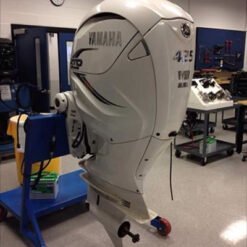
We test, crate, and ship every engine ourselves. Browse our current stock, from a 2.5 HP Yamaha F2.5SMHB for a dinghy up to a 425 HP Yamaha V8 for serious offshore power, plus everything in between like the 90 HP F90LB, the 40 HP F40LA, and the 9.9 HP T9.9XPHB. If you’re not sure which engine fits your boat, read our guide on outboard engine installation, our breakdown of how to actually choose the right outboard, or just send us your transom measurements and we’ll tell you straight.
For general safety and construction standards that apply across the industry, the American Boat and Yacht Council and EPA marine engine emissions regulations are worth a look before you buy, especially if you’re importing into a country with its own compliance rules.
Posts Widget
- 1

- 2

- 3

- 4


S.H Continental Marine
USA HERALD MAGAZINE INC
Our team is dedicated to providing exceptional customer service.
Email: info@shcontinentalmarine.com
Choose S.H Continental Marine
for your outboard engine needs and enjoy superior quality, exceptional customer service, and unbeatable prices.
