
Outboard Motor Specialists: What Actually Sets Us Apart
“Specialist” gets thrown around loosely in the outboard business. Plenty of sellers use the word in a headline and then can’t tell you the gear ratio on the engine they’re listing. Real outboard motor specialists are a different thing entirely — people who have pulled apart hundreds of powerheads, know which model years of a given engine had a weak fuel pump or a corrosion-prone trim relay, and can look at a compression reading and tell you honestly whether it’s a good engine or a problem waiting to happen. This is what that actually looks like in practice, and why it matters more than most buyers realize until they’ve been burned once by someone who wasn’t one.
n
What Makes Someone an Outboard Motor Specialist, Really
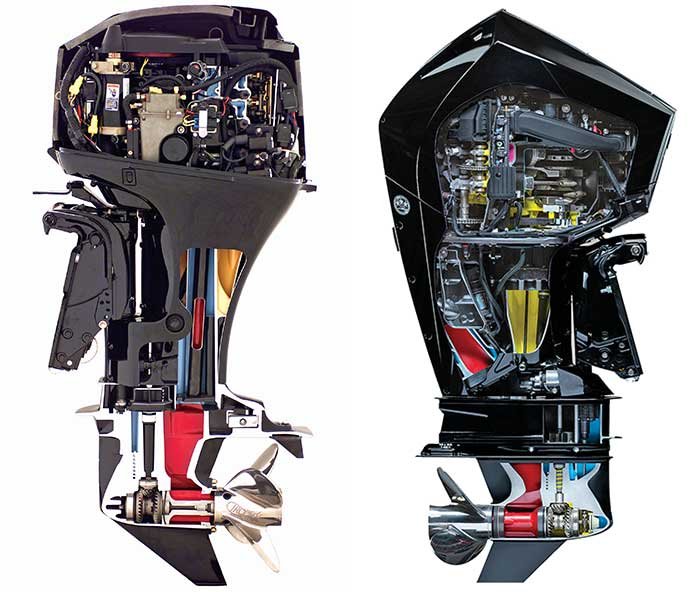
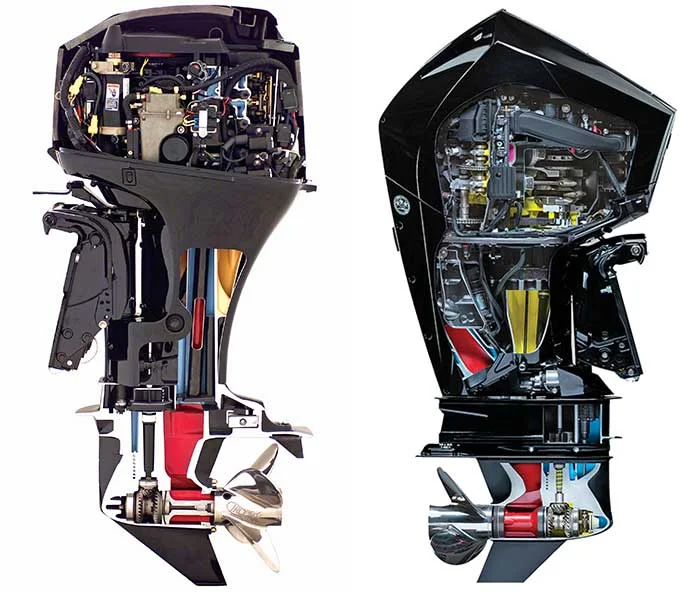
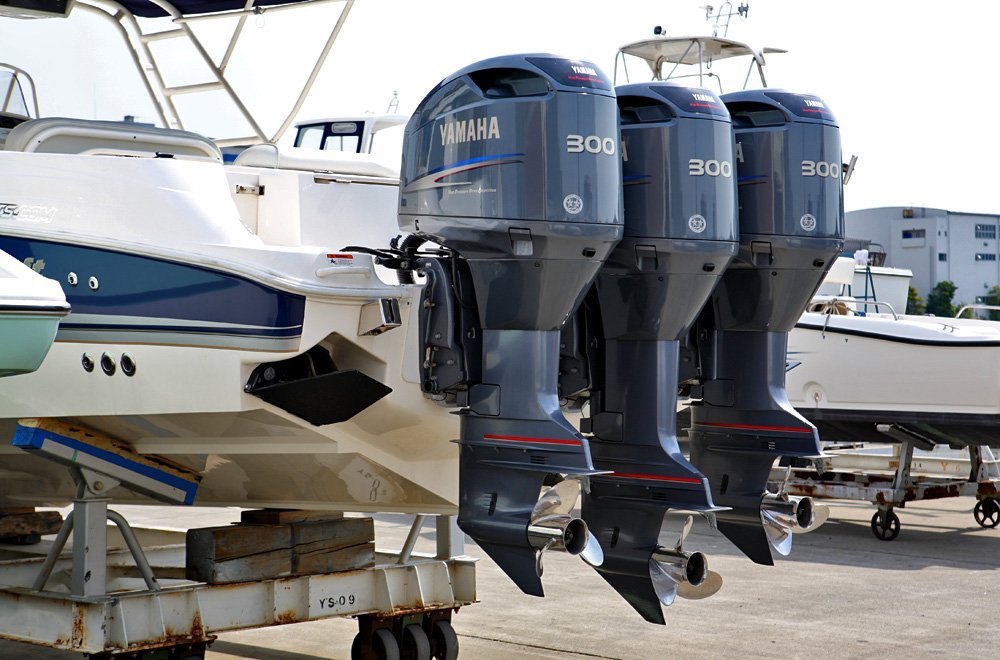
A general boat dealer moves hulls, trailers, life jackets, and whatever engine happens to be bolted to the transom of the package deal. Outboard motor specialists work the other way around — the engine is the whole business, not an accessory to one. That focus changes what you get as a buyer. Instead of a sales rep reading a spec sheet off a laminated card, you’re talking to someone who has actually run compression tests on a hundred used Yamahas and can tell you, off the top of their head, that a healthy F-series four-stroke should read somewhere around 145 to 165 psi per cylinder depending on the model, and that anything with more than about a 10% spread between cylinders is worth a second look before you commit.
That kind of knowledge isn’t something you pick up from a brochure. It comes from handling the same engines over and over, watching what breaks and what doesn’t, and keeping notes on it instead of just moving on to the next sale.
The Technical Checklist a Real Specialist Runs Through
When we say “specialist,” here’s the ground we mean, concretely:
- Compression and leak-down testing on every used unit before it’s listed, with the actual numbers recorded, not just a pass or fail stamp.
- Fuel system inspection — carbureted engines get checked for varnish and float sticking, EFI engines get a fuel pressure test.
- Lower unit gear oil check for milky discoloration, which usually means a failed seal and water intrusion, one of the more expensive problems to inherit unknowingly.
- Corrosion assessment that distinguishes normal saltwater patina from galvanic corrosion caused by a dead anode or bad grounding, which is a much bigger red flag.
- Electrical and charging system test, confirming actual output at idle and at wide-open throttle rather than just checking that the key turns the engine over.
- Serial number and title verification to confirm the engine isn’t stolen or flagged, which matters a lot more once it’s crossing a border.
None of this is glamorous work. It’s also the entire reason a buyer should care whether they’re dealing with outboard motor specialists or just a general reseller flipping whatever comes through the door.
Specification Detail We Actually Track
Beyond horsepower and shaft length, which is about as far as most listings go, here’s what we record and share with buyers on request:
| Spec | Why It Matters |
|---|---|
| Displacement (cc) | Larger displacement for the same horsepower generally means the engine works less hard and tends to last longer under continuous load |
| Gear ratio | Affects prop matching and low-end torque, especially relevant on loaded work boats or bass boats needing hole shot |
| Full-throttle RPM range | Confirms the engine is correctly propped for the boat it’s going on, or flags a repropping issue before shipment |
| Alternator output (amps) | Matters a lot if the buyer runs electronics, livewells, or trolling motors that draw current at idle |
| Dry weight (kg/lb) | Affects transom rating and balance, particularly on smaller boats near their max engine weight |
| Fuel induction type | Carbureted engines are mechanically simpler to service in remote locations; EFI engines start more reliably cold and run leaner |
We publish this level of detail on listings like the Yamaha 90 HP F90LB and the Yamaha 40 HP F40LA because a buyer ordering sight-unseen, often from another country, deserves more than “good condition, runs great” in the description.
Brands and Horsepower Ranges We Work Across
A narrow specialist who only knows one brand can still call themselves a specialist, technically, but it limits how useful their advice is. Our team works across Yamaha, Suzuki, Honda, Mercury, and Tohatsu, from portable 6 HP units up through 425 HP V8 offshore engines, which means the recommendation you get is based on what actually fits your boat and your budget rather than what we happen to have the most of in stock. A remote commercial operator asking about reliability in a location without a dealer network gets pointed toward something mechanically simple, like the Honda 40 HP BF40D4LHA or the Suzuki 40 HP DF40ATLW2, not necessarily the engine with the most horsepower per dollar.
Why This Matters More on Used and Reconditioned Engines
Buying new, a generalist can usually do the job fine — the engine ships sealed from the factory and the spec sheet is accurate no matter who’s selling it. Used and reconditioned inventory is where the gap between a specialist and a generalist actually shows up in your wallet. Assessing a used engine honestly takes knowing what to check beyond a visual inspection and a test start in a barrel. A seller without that background is more likely to miss a real problem, or to describe a marginal engine more generously than it deserves, not always out of dishonesty but simply from not knowing what to look for.
Every engine we recondition, from an entry-level Yamaha 9.9 HP T9.9LPHB up to a big-block V8, goes through the same inspection process regardless of price, because a small engine failing on a customer is just as damaging to our name as an expensive one would be.
How Specialists Handle Export and Cross-Border Orders
A big share of what separates real outboard motor specialists from a local shop is what happens after the sale is agreed and the engine has to actually leave the country. That means understanding how to drain and stabilize a fuel system for weeks of ocean transit, how to protect wiring harnesses and ECUs from crate handling, and which documents a given destination’s customs office will genuinely require versus what’s boilerplate padding on an invoice. We go into more detail on that process in our guide to outboard motor shipping, and in our dedicated post on outboard motors for export if you’re ordering internationally.
Specialist Support Doesn’t End at the Sale
A seller who disappears the moment payment clears isn’t a specialist, they’re a transaction. What we expect of ourselves, and what buyers should expect from anyone using the term seriously, includes:
- Remote diagnosis based on symptoms described over email or a phone call, before assuming the worst
- Correct service parts and intervals for the exact model and year purchased
- Prop pitch and gear ratio advice if the boat isn’t performing the way it should after installation
- Sourcing for hard-to-find parts on older or discontinued models
Our outboard motor maintenance guide reflects the same level of detail we apply during the sale itself — real answers, not a generic troubleshooting script copied from a manual.
Specialization Across Horsepower Classes
| Horsepower Range | Where Specialist Knowledge Shows Up |
|---|---|
| 6–9.9 HP | Model-specific reliability history, carburetor gumming prevention on engines that sit between uses |
| 15–60 HP | Gear ratio and prop pitch matching, which is where most “underpowered” complaints actually originate |
| 70–150 HP | EFI diagnostics, correct alternator sizing for electronics-heavy rigs |
| 175–425 HP | ECU fault code interpretation, V6/V8 service complexity, twin-rig prop rotation matching |
How to Tell If a Seller Is Actually a Specialist
Since the word gets used loosely, it’s worth testing before you trust it:
- Ask a specific technical question — compression range, gear ratio, known issues on a given model year — and see how precise the answer is
- Check whether listings include real numbers or just marketing adjectives like “great condition”
- Ask exactly how used engines are inspected and whether you get documentation
- Look for experience across multiple brands rather than someone who’s only ever touched one
A genuine specialist welcomes this kind of question. Someone using the word loosely tends to get vague or change the subject.
Frequently Asked Questions
Is it worth paying more to buy from outboard motor specialists instead of a general dealer?
For used and reconditioned engines, generally yes — the inspection depth and honest grading reduce your risk in a way that’s hard to put a price on until you’ve bought a bad one. On new engines the gap is smaller since the product is standardized by the manufacturer either way.
Do outboard motor specialists only work with one brand?
Not the useful ones. Multi-brand experience is usually what lets a specialist recommend what actually fits your boat instead of what they’re contractually obligated to push.
Can a specialist help if I bought the engine somewhere else?
Many will, especially for common brands they handle regularly, though naturally their own customers get priority on response time.
What’s the fastest way to spot a real specialist versus someone using the term as marketing?
Ask a pointed technical question and judge the answer. Vague reassurance instead of specifics is the tell.
For a neutral technical overview of how outboard engines are built and classified, the Wikipedia entry on outboard motors is a decent starting reference.
Common Myths About Outboard Motor Specialists
A few misconceptions come up often enough that they’re worth addressing directly. The first is that specialist pricing always runs higher than a generalist’s. In practice it’s often the opposite once you account for what a botched purchase costs — a $4,000 engine that needs a $1,800 lower unit rebuild six months after delivery was never actually cheap, it just looked that way on the invoice. The second myth is that specialization means narrow inventory. Real outboard motor specialists usually carry more depth across brands and horsepower classes than a generalist dealer, not less, because propulsion is the entire business rather than a side category. The third is that specialist knowledge only matters for big, expensive engines. It matters just as much on a $1,200 portable, because the failure modes on small two- and three-cylinder engines are just as real, they’re just cheaper to be wrong about.
What This Looks Like for a First-Time International Buyer
If you’ve never bought an outboard from overseas before, the process understandably feels opaque. A typical order with a specialist runs roughly like this: you tell us the boat, the intended use, and your budget, and we recommend two or three specific engines rather than a generic horsepower range. We run or re-verify the compression and leak-down numbers, photograph the serial number plate, gearcase, and powerhead from multiple angles, and answer whatever technical questions come up before you commit to anything. Once payment and shipping details are confirmed, the engine is drained, stabilized, and crated specifically for the transit method — ocean freight and air freight get prepared differently — and you get tracking and the paperwork your customs broker will actually need, not a generic packing slip. None of this is unusual for us, but it’s the part a buyer who’s only dealt with local dealers before often doesn’t know to ask about upfront.
Regional Considerations Specialists Account For
Climate and typical use case change what a specialist recommends, and this is another place where generalist advice tends to fall short. Buyers in consistently hot, humid coastal regions do better with engines that have proven corrosion resistance in their powerhead and lower unit coatings, and benefit from slightly more conservative alternator sizing if they’re also running refrigeration or extended electronics. Buyers in colder climates with real seasonal swings tend to do better with EFI engines over carbureted ones purely because cold-start reliability improves noticeably. Buyers running commercial fishing or transport routes, where downtime costs real money, usually get steered toward the simplest mechanical platform that meets their horsepower need, since fewer electronic dependencies means fewer things that can strand a boat somewhere without a dealer nearby.
What Documentation You Should Expect
Part of working with genuine outboard motor specialists is getting a paper trail that holds up, not just a friendly assurance. At minimum, expect a written condition report with actual compression numbers, serial number photos matched to the listing, a bill of sale with the engine’s full identifying information, and shipping documentation appropriate to your destination country. If a seller can’t produce this before you pay, that’s worth treating as a warning sign regardless of how good the engine looks in photos.
Questions Worth Asking Before You Wire a Deposit
Buyers who’ve done this a few times tend to ask a fairly consistent set of questions before committing money, and they’re worth borrowing even if it’s your first order. Ask what the actual compression readings were, cylinder by cylinder, not just “it tested fine.” Ask how long the engine sat before it was tested, since a fresh test on an engine that’s been sitting for a year means less than one done right before shipment. Ask whether the lower unit oil was checked and changed, and what color it was when drained. Ask what happens if the engine arrives with shipping damage — who’s responsible, and what the resolution process actually looks like. Outboard motor specialists who deal with this regularly will have straightforward answers to all four without hesitation. A vague or defensive response to any of them is worth taking seriously as a signal, not brushing off as a one-off.
It’s also reasonable to ask for a short video of the engine running, ideally in a test tank rather than just on a stand with a flush attachment, since that shows you real water flow through the cooling system and gives you an honest read on idle stability and throttle response. A specialist with nothing to hide will send this without much back-and-forth.
Why We Stand Behind This the Way We Do
None of this is theoretical for us. Every engine that leaves our warehouse, whether it’s a compact Yamaha 9.9 HP T9.9XPHB or a full offshore V8 like the Yamaha 425 HP, goes through the same documented process before it’s crated. We’d rather lose a sale by being honest about an engine’s condition than gain one by glossing over something a buyer would want to know. That’s a slower way to build a business than mass-listing whatever comes through the door, but it’s the only version of “specialist” that actually means something once the engine is on a boat three thousand miles from where you bought it.
Final Word
Real outboard motor specialists earn the label through depth, not a headline. Knowing the mechanical differences between engines, being straight about tradeoffs between brands, and standing behind what’s sold before and after the invoice is paid is the whole job. Browse our current inventory across Yamaha, Suzuki, Honda, Mercury, and Tohatsu, and ask us something technical before you buy — that’s the fastest way to find out whether you’re actually dealing with specialists or just another listing site.
Posts Widget
- 1

- 2
- 3
- 4


S.H Continental Marine
USA HERALD MAGAZINE INC
Our team is dedicated to providing exceptional customer service.
Email: info@shcontinentalmarine.com
Choose S.H Continental Marine
for your outboard engine needs and enjoy superior quality, exceptional customer service, and unbeatable prices.
