
Hydraulic Steering for Outboard Motors: The Complete Upgrade Guide
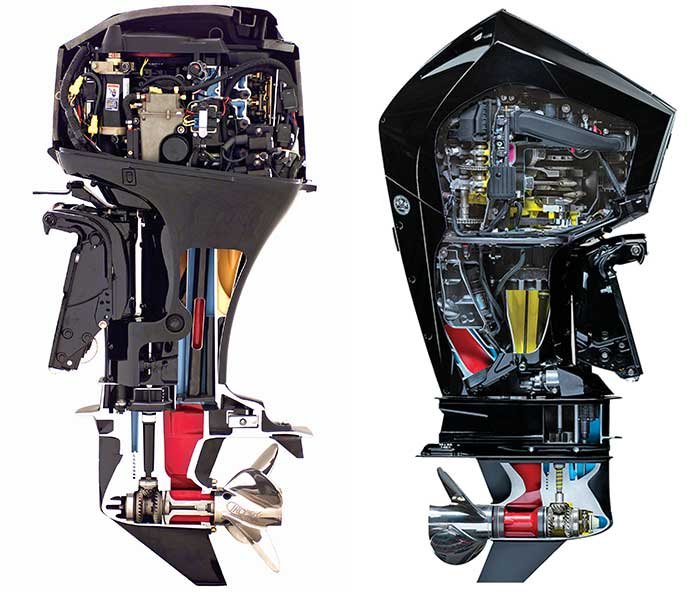
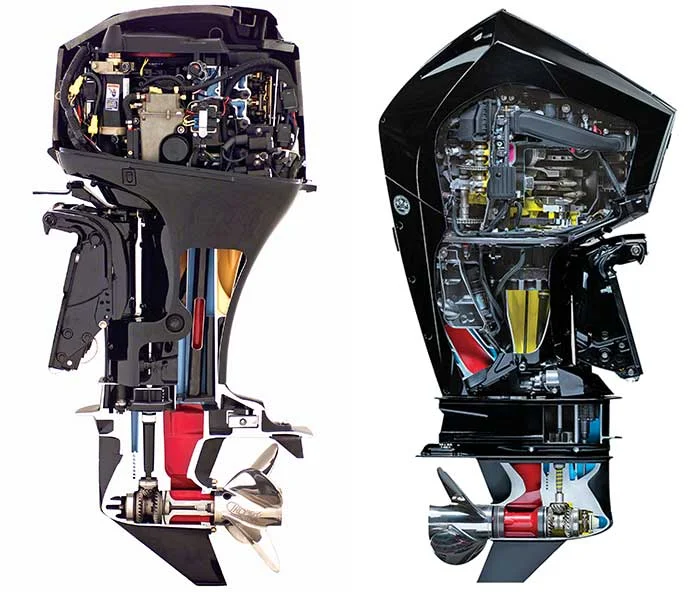
Somewhere around 90 to 115 HP, most boaters start noticing that their arms get tired turning the wheel, and that’s usually the point where the conversation turns to hydraulic steering for outboard motors. It’s not an upgrade every boat needs, but on bigger engines, twin-engine setups, or boats that spend a lot of time running at speed, it changes the entire feel of driving the boat.
We sell outboards across the full horsepower range, from small tiller-handle portables that don’t need any of this to 425 HP V8s where hydraulic steering isn’t really optional anymore. Here’s how it actually works, when it makes sense, and what to check before you buy or upgrade.
What Mechanical Steering Actually Struggles With
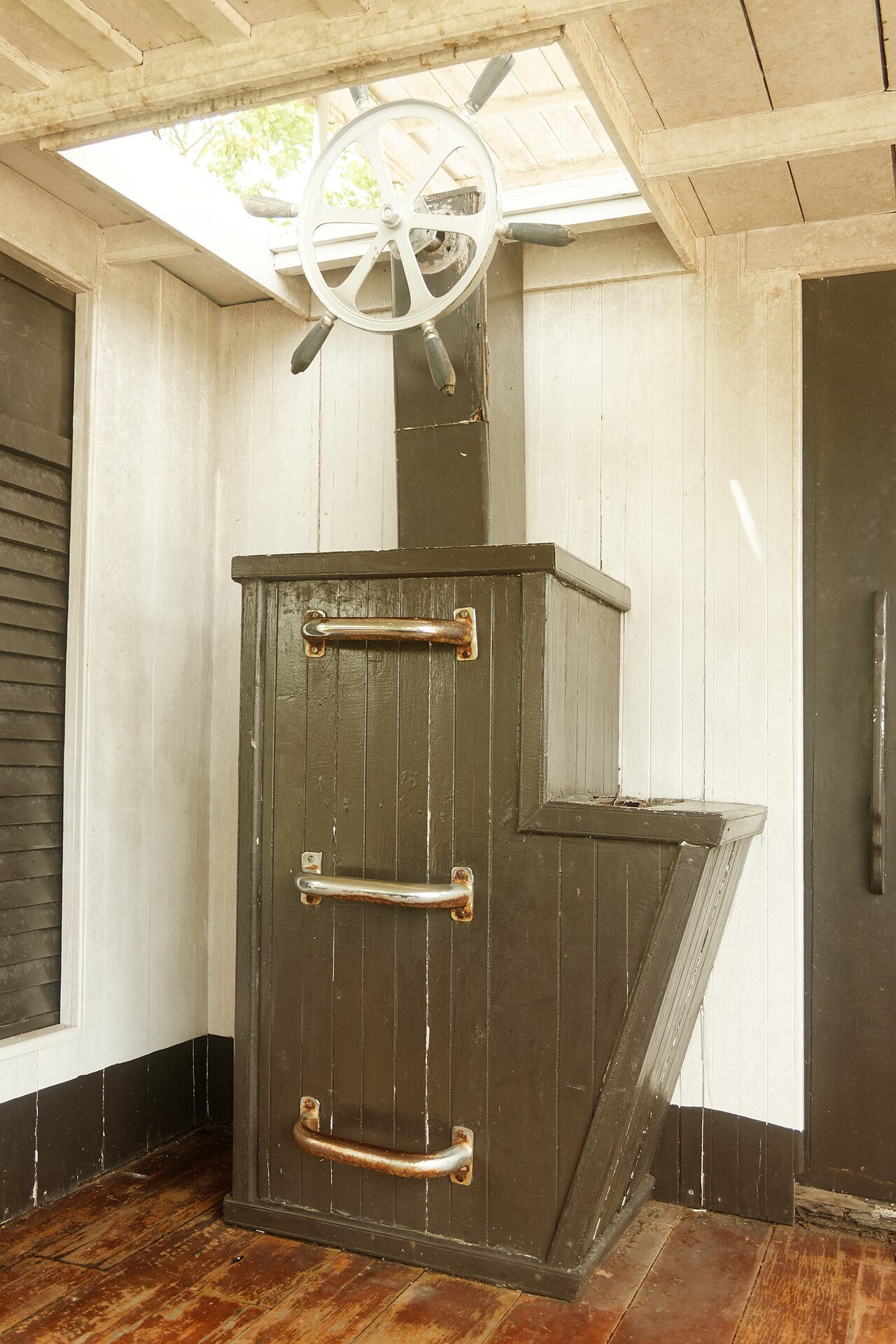
A standard cable steering system connects the helm wheel to the outboard through a rack-and-pinion cable, and it works fine on smaller, lighter engines. The problem shows up as horsepower and engine weight climb: more torque at the propeller means more resistance at the helm, and cable systems start requiring real physical effort to turn, especially at low speed or when docking. On a single 200 HP-plus engine, or on any twin-engine setup, that resistance can go from mildly annoying to genuinely fatiguing over a long day on the water.
How Hydraulic Steering Solves the Torque Problem
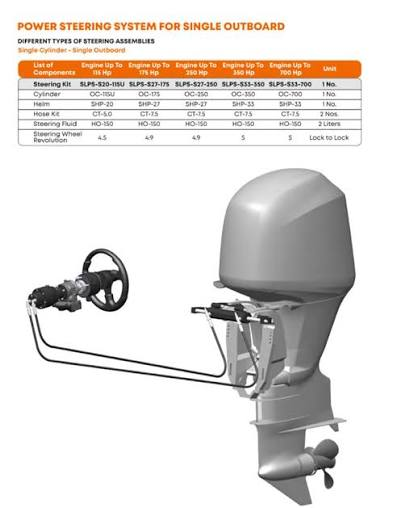
Hydraulic steering for outboard motors replaces the mechanical cable with a sealed fluid system: turning the helm wheel moves fluid through lines to a steering cylinder mounted at the transom, and that cylinder does the physical work of turning the engine. The operator’s effort stays consistent regardless of engine size, because the hydraulic fluid — not your arm strength — is doing the heavy lifting. It’s the same basic principle as power steering in a car, adapted for a transom-mounted outboard instead of a front axle.
Where the Switch to Hydraulic Usually Makes Sense
As a general guideline, single engines above roughly 150 HP start to benefit noticeably from hydraulic steering, and almost any twin-engine setup benefits regardless of individual engine size, since two engines pulling against a cable system multiplies the effort required. Boats that spend significant time at high speed also benefit, since cable steering can develop play and feedback issues at speed that a properly bled hydraulic system doesn’t.
Components in a Typical Hydraulic Steering System
A complete system includes a helm pump at the wheel, a steering cylinder at the transom, hydraulic hoses connecting the two, and hydraulic fluid filling the sealed circuit. On twin-engine setups, a tie-bar connects both engines so they turn together, with the steering cylinder driving one engine and the tie-bar transferring that motion to the second. Getting the tie-bar geometry right on a twin setup matters as much as the hydraulic components themselves — a poorly adjusted tie-bar can cause the engines to fight each other through a turn.
Front Mount Versus Rear Mount Cylinders
Steering cylinders come in front-mount and rear-mount configurations depending on the engine bracket design and available transom space. Front-mount cylinders sit ahead of the engine’s swivel bracket, while rear-mount units sit behind it. The choice usually comes down to what your specific outboard model and transom layout accommodate, and it’s worth confirming compatibility before ordering rather than assuming any cylinder fits any engine. Getting this detail right matters just as much on a hydraulic steering for outboard motors retrofit as it does on a factory install.
Bleeding the System and Why It’s Not a DIY Shortcut
Air trapped in hydraulic lines causes spongy, inconsistent steering feel, and properly bleeding a system requires the correct procedure and often a specific tool to purge air from the highest points in the circuit. This is one upgrade we don’t recommend rushing — a poorly bled system can feel fine on day one and develop a soft, unpredictable feel a few weeks later as trapped air works its way through the lines. We handle this as part of any hydraulic steering installation on an engine going through our shop.
Maintenance Differences From Cable Steering
Hydraulic systems trade the occasional cable lubrication and eventual cable replacement for a different maintenance profile: checking fluid level, watching for hose wear or chafing at the transom, and confirming the system stays properly sealed with no slow leaks. It’s not more maintenance, just different maintenance, and most owners find it’s actually less hands-on once the system is properly installed and bled. That’s one more reason owners who upgrade to hydraulic steering for outboard motors rarely regret the switch.
Cost Considerations When Upgrading an Existing Engine
Retrofitting hydraulic steering for outboard motors onto an engine that shipped with cable steering is a bigger job than a simple swap — it typically means adding a helm pump at the console, running new hydraulic lines to the transom, and mounting a steering cylinder compatible with your specific engine bracket. It’s a worthwhile investment on a higher-horsepower engine you plan to keep for years, less so on an engine you’re likely to sell or trade up from within a season or two.
Hydraulic Steering on Twin-Engine Setups Specifically
If you’re running or planning a twin outboard motor setup, hydraulic steering isn’t just a comfort upgrade — it’s close to a practical necessity once combined horsepower climbs into higher territory, since cable steering on two engines fighting independent resistance becomes genuinely difficult to manage precisely at speed. Properly linked hydraulic steering keeps both engines turning in sync without the operator fighting uneven resistance between them.
How This Interacts With Trim and Tilt
Steering and trim are separate systems, but they work together in how a boat actually handles. Our power trim and tilt guide covers how trim angle affects handling and fuel efficiency, and a boat with properly tuned trim and responsive hydraulic steering handles noticeably better through turns than one where either system is fighting the other.
Steering, Gear Ratio, and How They Relate
Your outboard’s gear ratio affects how much torque reaches the propeller at a given RPM, which in turn affects how much resistance your steering system has to overcome. A lower gear ratio built for torque, common on engines pushing heavier boats, generally means more resistance at the helm on cable steering, which is one more factor pushing bigger, torque-heavy engines toward hydraulic setups.
Engines Where This Upgrade Is Most Relevant
Looking at current stock, engines like a Yamaha 425 HP V8 LXF425USA or a Mercury Verado 350HP CXL represent exactly the horsepower range where hydraulic steering stops being optional and starts being close to essential. A Suzuki 200 HP DF200ATXSS2 sits right at the point where either setup works, though most buyers at that horsepower opt for hydraulic if they’re running the boat hard.
Brand-Specific Steering Compatibility
Compatible steering hardware varies by manufacturer and even by model year within the same brand. Our Yamaha outboard guide, Mercury outboard guide, and Suzuki outboard guide each note the steering options available for that brand’s higher-horsepower models, since ordering the wrong cylinder or helm pump for your specific engine bracket is a common and avoidable mistake. Confirming compatible hardware before ordering hydraulic steering for outboard motors saves a return shipment later.
Financing a Higher-Horsepower Engine With Hydraulic Steering Included
If you’re stepping up into the horsepower range where hydraulic steering makes sense, it’s worth having the system priced as part of the whole package rather than as a separate add-on after the fact. Our outboard motor financing page covers how buyers typically structure a purchase that includes both the engine and any steering upgrades needed to run it comfortably.
Industry Standards Behind Steering System Design
Steering system safety and performance standards for recreational marine vessels are maintained by the American Boat and Yacht Council, whose H-33 standard specifically addresses steering system requirements for boats sold and operated worldwide. The general mechanical principles behind hydraulic steering and power-assist systems are also documented on Wikipedia’s ship steering gear article, which covers the broader engineering context beyond just outboard applications.
What We Check Before an Engine With Hydraulic Steering Ships
Any engine that leaves our warehouse with hydraulic steering installed gets the system pressure-checked and bled as part of our outboard motor testing process, not left for the buyer to discover a soft pedal feel after installation. We also confirm hose routing is clean and free of sharp bends that could restrict flow or wear through over time, since a chafed hydraulic line is a slow leak waiting to happen.
Warranty Coverage on Steering Components
Steering hardware sits in a slightly different category than the powerhead when it comes to coverage, and it’s worth reading the fine print rather than assuming everything is covered equally. Our outboard motors under warranty guide breaks down what’s typically included, and hydraulic steering components — pump, cylinder, hoses — usually carry their own separate coverage terms from the engine itself, especially if the system was added as an aftermarket upgrade rather than shipped from the factory.
Weight and Balance Considerations on Twin Setups
Adding hydraulic steering to a twin-engine boat also means running a tie-bar and duplicate hydraulic lines to both engines, which adds a small amount of weight at the transom compared to a single-cable setup. It’s a minor factor compared to the handling benefit, but it’s worth factoring into overall boat balance calculations, especially on smaller hulls running two mid-range engines rather than one large one. Most owners accept that small tradeoff once they feel how much easier hydraulic steering for outboard motors makes docking.
When Cable Steering Is Still the Right Call
Not every engine needs this upgrade, and we tell buyers that directly rather than pushing hydraulic steering as a blanket recommendation. A single engine under 115 HP on a boat that spends most of its time cruising at moderate speed does perfectly well on a properly maintained cable system, and spending the extra money on hydraulic hardware in that case doesn’t buy you much beyond a marginally lighter helm feel.
Frequently Asked Questions
At what horsepower should I consider hydraulic steering for outboard motors?
Most boaters start noticing real benefit somewhere around 150 HP on a single engine, and almost any twin-engine setup benefits regardless of individual engine horsepower, since combined resistance on cable steering multiplies quickly.
Can I retrofit hydraulic steering onto an engine that came with cable steering?
Yes, in most cases, though it requires installing a helm pump, running new hydraulic lines, and mounting a compatible steering cylinder. It’s a bigger job than swapping a cable but very doable on most console-rigged boats.
Does hydraulic steering require more maintenance than cable steering?
It’s different maintenance rather than more: checking fluid level and hose condition instead of lubricating and eventually replacing a cable. Most owners find it needs less hands-on attention once properly installed.
Is hydraulic steering necessary on a single mid-range engine?
Not necessarily. Engines under roughly 150 HP generally steer fine on a well-maintained cable system. It becomes more valuable as horsepower climbs or when running two engines together.
What causes spongy or inconsistent hydraulic steering feel?
Trapped air in the hydraulic lines is the most common cause, usually from an incomplete bleed during installation. It requires re-bleeding the system through the correct procedure to fully resolve.
Hydraulic Steering for Outboard Motors: The Bottom Line
Whether hydraulic steering for outboard motors makes sense for your boat comes down to horsepower, whether you’re running one engine or two, and how much time you spend at speed versus idling around a harbor. It’s not a universal upgrade, but on the higher end of our inventory, it’s close to standard practice rather than an optional extra. If you’re shopping in that horsepower range and want to know exactly what steering setup makes sense for a specific engine, that’s a detail we walk through with every buyer before the sale, not after.
Posts Widget
- 1

- 2

- 3
- 4


S.H Continental Marine
USA HERALD MAGAZINE INC
Our team is dedicated to providing exceptional customer service.
Email: info@shcontinentalmarine.com
Choose S.H Continental Marine
for your outboard engine needs and enjoy superior quality, exceptional customer service, and unbeatable prices.
