
Outboard Motor Trade-In Program: The Smart Way to Upgrade Your Engine
A question we hear constantly from returning customers is what to do with the engine they already own once they’ve decided to move up in horsepower. That’s exactly what our outboard motor trade-in program is built for — a straightforward way to put your current engine’s value toward something bigger, newer, or simply better suited to how you actually use your boat now.
We buy, sell, and ship outboards worldwide, which means we’re set up to evaluate almost any brand and horsepower class you bring us, not just the models we happen to have in stock that week. Here’s how the process actually works, what affects your engine’s trade value, and what to have ready before you start.
Why Trading In Beats Selling Privately for Most Owners
Selling an outboard privately means photographing it, listing it, fielding questions from buyers who never show up, and eventually negotiating a price with someone who may or may not actually follow through. An outboard motor trade-in program skips all of that: you get a valuation, agree on a number, and apply it directly toward your next engine in one transaction instead of two separate, drawn-out processes.
What Actually Determines Your Engine’s Trade Value
Four factors drive most of the valuation: total hours if the engine has an hour meter or documented usage history, overall physical condition including the lower unit and powerhead, whether maintenance records exist showing regular oil changes and impeller replacement, and simple market demand for that specific brand and horsepower at the time you’re trading. A well-maintained mid-range engine with documented service history routinely trades higher than a neglected one of the same age and hours, even from the same manufacturer.
How Compression and Testing Factor Into the Number
Before we finalize any trade valuation, we run the same checks we run on every engine we sell: a compression test, spark check, and a full inspection of the lower unit and cooling system. This isn’t a formality — a trade engine with strong compression numbers and clean internals is worth meaningfully more than one showing early signs of wear, even if both look similar on the outside. We walk you through the actual test results before finalizing a number, so you’re not guessing at how we arrived at the offer.
Brands and Horsepower We Accept
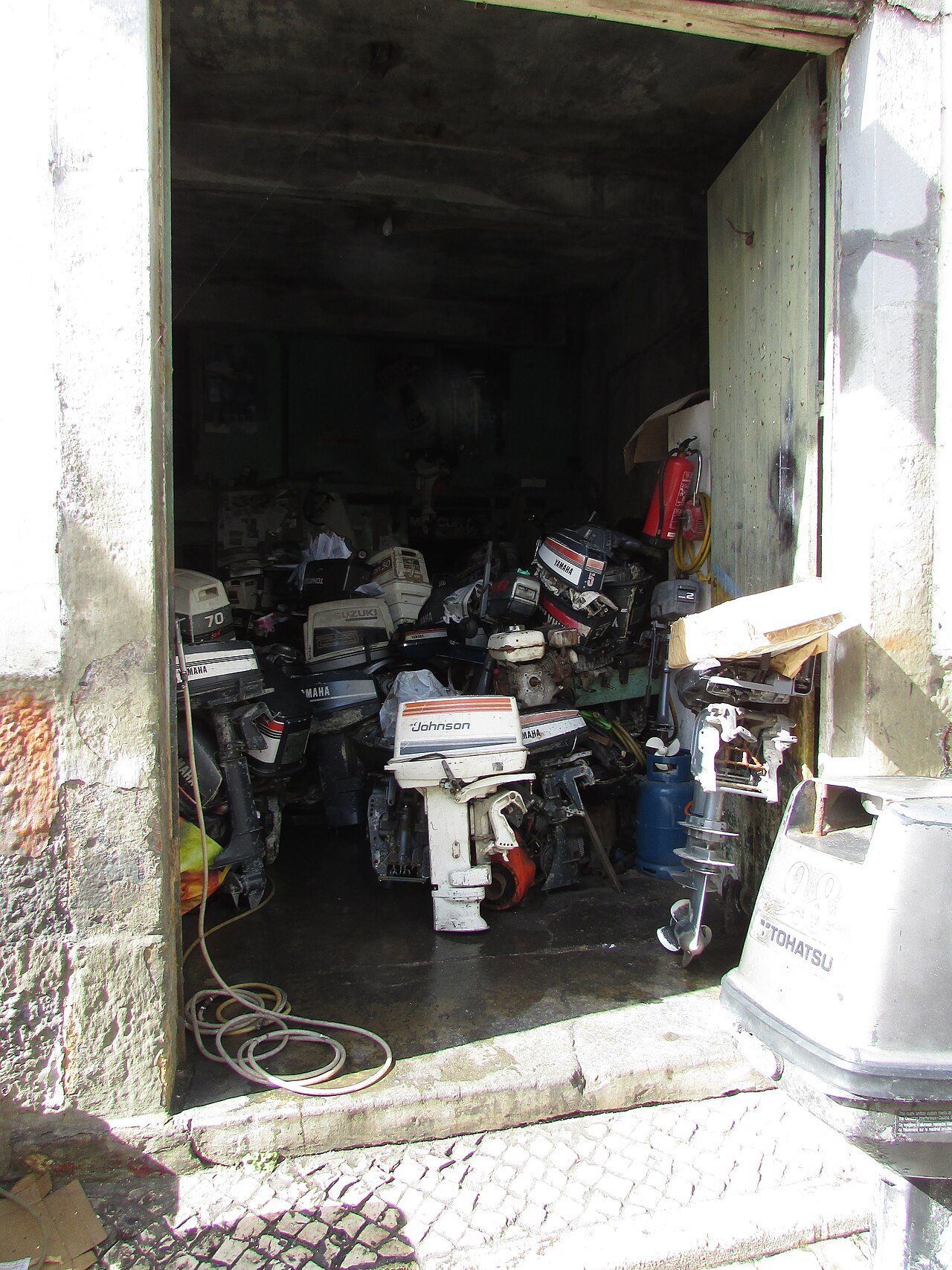
Our outboard motor trade-in program isn’t limited to the brands we currently stock. We regularly accept Yamaha, Mercury, Suzuki, Honda, Evinrude, and Tohatsu engines across the full horsepower spectrum, from small portables in the 2.5 HP to 20 HP range up through high-output V8s. If you’re trading toward a specific model you’ve had your eye on, let us know upfront so we can factor timing into the process.
Documentation That Speeds Up a Trade
Having your engine’s service history, original purchase documentation, and any warranty paperwork ready significantly speeds up the valuation process. It’s not required — we can still evaluate an engine without paperwork — but documented maintenance history consistently supports a stronger trade number than an engine with an unknown service background, simply because it removes guesswork from our inspection. Either way, our outboard motor trade-in program moves faster with paperwork in hand.
How the Physical Handoff Works
For local trades, we inspect the engine in person before finalizing numbers. For customers trading from farther away, including international trades, we work through photos, a video walkthrough, and a compression test performed by a technician you arrange locally, followed by final confirmation once the engine physically arrives at our facility. We’ve built this process to work for buyers who aren’t anywhere near our warehouse, since a large share of our business is already conducted this way for straightforward sales.
Applying Trade Value Toward a Specific Upgrade
Once your trade value is confirmed, it applies directly as credit toward any engine in our inventory, whether that’s a straightforward horsepower upgrade within the same brand or a switch to a different manufacturer entirely. Buyers stepping up from a 90 HP engine into something like a Suzuki 200 HP DF200ATXSS2 or a Honda 225 HP BF225DUCDA often find the trade credit covers a meaningful chunk of the price difference.
Trading Toward a High-Output Engine
If you’re trading up toward something in the flagship range, like a Yamaha 425 HP V8 LXF425USA or a Mercury Verado 350HP CXL, we typically recommend also reviewing whether trim and tilt and steering hardware on your current setup will transfer or need upgrading alongside the new engine, since jumping horsepower classes often means other systems need attention too.
Financing the Difference on a Bigger Upgrade
Trade credit rarely covers the entire cost of a significant horsepower jump, and that’s exactly what our outboard motor financing option is built to handle. Combining trade value with financing on the remaining balance is one of the most common ways buyers move from a mid-range engine into something considerably more powerful without paying the full difference upfront.
What Happens to Your Traded Engine Afterward
Engines that come through our trade program get the same treatment as any other used engine in our inventory: full inspection, service work where needed, fresh anodes, verified kill switch function, and a documented condition report before it’s relisted. Some trades go straight into our used outboard motors for sale inventory after reconditioning, giving another buyer a well-documented engine at a lower price point than new.
Trade-In Value Compared to Buying an Engine With Warranty Already Expired
One detail worth understanding: an engine’s remaining factory warranty, if any, factors into trade value the same way it factors into resale value generally. Our outboard motors under warranty guide explains what typically transfers to a new owner and what doesn’t, which is useful context before you assume your engine’s trade number should match what a similar model with active warranty coverage would fetch.
Why We Built This Program for International Customers Too
A large share of our customers order engines for delivery well outside our home market, and plenty of them already own an outboard they’d like to trade rather than sell separately before ordering something new. We built our trade process to accommodate that from the start, using photo and video documentation plus a local compression test rather than requiring every trade engine to physically arrive at our facility before we can quote a number.
How Market Timing Affects What You’ll Get
Trade values for outboard motors, like most durable equipment, shift with market demand. Certain brands and horsepower classes see stronger demand during specific seasons or in specific regions, and we’re upfront about that rather than quoting a flat number regardless of timing. If you have flexibility on when you trade, asking us directly about current demand for your specific engine can sometimes make a meaningful difference in the number we offer.
How Trade Value Compares to General Market Guidance
Independent valuation resources for used marine equipment, including guides published by J.D. Power’s boat valuation tool, provide a useful general reference point for what a given engine model and age typically commands in the broader resale market. General consumer guidance on trade-in transactions, including how dealers typically structure trade credit against a new purchase, is also covered by the Federal Trade Commission’s consumer resources, which apply the same basic principles across vehicles and equipment generally.
Trading In an Engine You Bought From Us Originally
A good number of trades we handle involve engines we sold in the first place, sometimes years earlier. That history works in your favor, since we already have prior inspection and sale records on file, which speeds up revaluation considerably. It’s one more reason repeat customers tend to move through our outboard motor trade-in program faster than someone trading in an engine with a completely unknown history.
What We Look for During the Physical Inspection
Beyond the compression and spark checks already mentioned, we look closely at the gearcase for signs of water intrusion, check anode condition as a proxy for how well the engine’s cooling and electrical systems have been maintained, and inspect the powerhead for corrosion or oil residue that suggests a past issue wasn’t fully resolved. None of this is designed to lowball a fair trade — it’s the same inspection standard we apply before listing any engine for resale, and it protects the next buyer as much as it protects our own inventory quality.
Timing a Trade Around a Repower Project
If you’re planning a full repower rather than a simple horsepower bump, timing your trade to coincide with when the new engine actually arrives avoids leaving your boat without power for longer than necessary. We can hold a valuation for a reasonable window while your replacement engine is in transit, which matters most for international orders where shipping time is measured in weeks rather than days. That kind of flexibility is exactly what our outboard motor trade-in program is built to offer.
Frequently Asked Questions
How long does the outboard motor trade-in program valuation process take?
For local trades with the engine in hand, usually the same day. For remote or international trades relying on photos and a local compression test, typically a few business days depending on how quickly documentation comes back.
Can I trade in an engine that isn’t running?
Yes, though a non-running engine trades for considerably less than a functioning one, since it needs full diagnostic work before we know what’s actually wrong and whether it’s economically worth reconditioning.
Does the brand of my current engine limit which brand I can trade toward?
No. You can trade any accepted brand toward any engine in our inventory regardless of manufacturer — plenty of buyers use our trade program specifically to switch brands.
Is the trade value negotiable?
We walk you through exactly how we arrived at a number based on compression, condition, and documented history, and we’re open to discussing it if you have service records or context that weren’t factored in initially.
What if my engine’s trade value doesn’t cover the full cost of the upgrade?
That’s the norm rather than the exception on any meaningful horsepower jump. Combining trade credit with financing on the remaining balance is the most common way buyers handle the difference.
Outboard Motor Trade-In Program: The Bottom Line
Our outboard motor trade-in program exists because most buyers upgrading their engine don’t want the hassle of selling their old one separately before they can move forward. Bring us documentation if you have it, expect a straightforward inspection process whether you’re local or ordering from overseas, and apply the resulting credit toward whatever engine actually fits how you use your boat now. If you’re considering an upgrade and want a straight answer on what your current engine is worth toward something new, that’s a conversation we’re set up to have quickly.
Posts Widget
- 1

- 2

- 3
- 4


S.H Continental Marine
USA HERALD MAGAZINE INC
Our team is dedicated to providing exceptional customer service.
Email: info@shcontinentalmarine.com
Choose S.H Continental Marine
for your outboard engine needs and enjoy superior quality, exceptional customer service, and unbeatable prices.
