
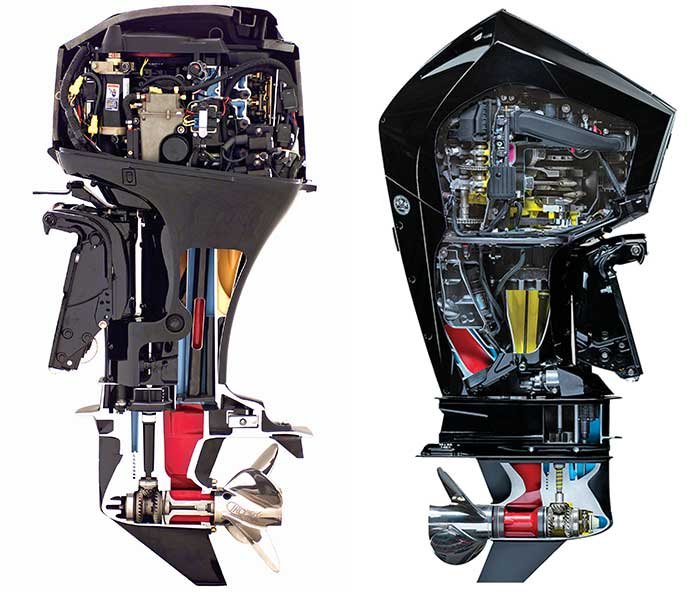
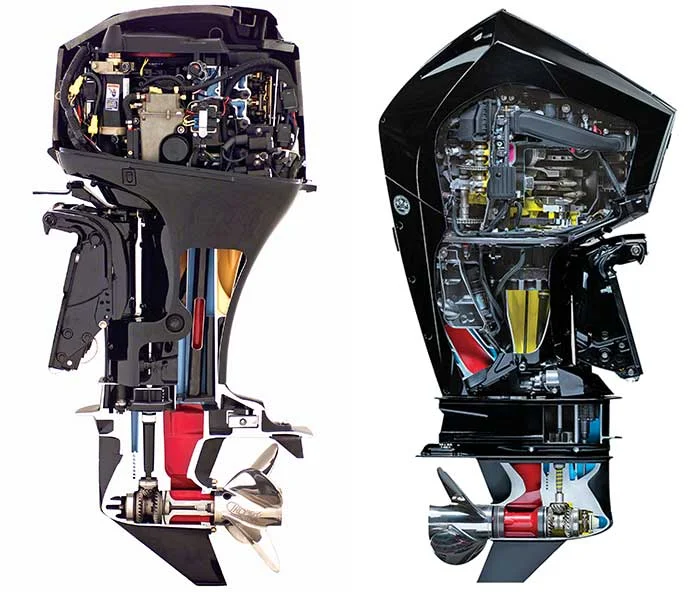
Boat Motor Shop: What to Expect From One That Actually Knows What It’s Doing

Boat Motor Shop: What to Expect From One That Actually Knows What It’s Doing
“Boat motor shop” sounds like a simple thing to search for until you realize how differently that term gets used. Some are full-service operations with mechanics on staff, parts inventory, and engines they actually stock. Others are a single guy reselling whatever he can source that week. Neither is necessarily wrong, but they’re not the same thing, and conflating them is how people end up disappointed. Here’s what a real boat motor shop should look like, and what we try to be on that list.
The Two Things a Boat Motor Shop Should Actually Offer
At minimum, a boat motor shop worth your time should be able to do two things well: sell you a motor that’s properly sourced and matched to your boat, and support that motor after the sale with parts, service knowledge, or at least a straight answer when something goes wrong. A shop that’s only good at the first half is really just a storefront. A shop that’s only good at the second half but can’t actually source quality inventory isn’t much use either. The combination is what you’re looking for.
We run our side of this as a genuine boat motor shop stocking new Yamaha outboards from small portables through offshore V8s, and we try to treat the sale as the start of the relationship rather than the end of it.
What’s Actually in Stock at a Well-Run Boat Motor Shop
A real shop carries depth, not just a few popular sizes. Here’s a sample of the range you should expect to find, with the kind of specs a shop should be able to walk you through without checking a manual:
| Model | HP | Cylinders | Weight | Fuel System | Best Suited For |
|---|---|---|---|---|---|
| F6LMHA | 6 HP | 1 | ~57 lbs | Carbureted | Tenders, small jon boats |
| F9.9LEB | 9.9 HP | 2 | ~99 lbs | Carbureted | Sailboats, small skiffs |
| F75LB | 75 HP | 4 | ~245 lbs | EFI | Family runabouts |
| F90XB | 90 HP | 4 | ~353 lbs | EFI | Pontoons, bay boats |
| LXF425XSA | 425 HP | 8 (V8) | ~635 lbs | EFI, DEC | Offshore, commercial |
That spread matters because the boat motor shop you choose should be able to talk you through any of these with equal confidence, not steer everyone toward the same two or three motors regardless of what they actually need.
How a Boat Motor Shop Should Help You Pick the Right Size
Picking horsepower isn’t just about going as big as your budget allows. A good shop asks about your boat’s rated maximum horsepower (which is usually printed on a capacity plate near the helm), your typical load — passengers, gear, fuel — and how you actually use the boat day to day. Overpowering a boat isn’t just wasteful, it can be genuinely unsafe and may void your boat’s own certification if you exceed the rated max. Underpowering it means sluggish handling, poor fuel economy at cruising speed, and a motor that’s working harder than it should for routine use.
A boat motor shop that just asks “how much horsepower do you want” without asking about the boat itself isn’t doing its job. The honest answer is usually somewhere in the middle of what you’d guess, sized to the boat’s rating and your actual use pattern rather than the biggest number that fits the budget.
New vs. Used Stock at a Boat Motor Shop
Most established shops carry both, and there’s a real case for each:
New stock comes with the full manufacturer warranty, a known service history (none, because it’s new), and no guesswork about prior use. This is the lower-risk option if your budget allows for it.
Used stock, when properly inspected, can deliver real savings without meaningfully compromising reliability. The key word is “properly inspected” — a boat motor shop should be running compression tests, checking the lower unit for water intrusion, flushing and inspecting the cooling system, and disclosing the actual hour count if it’s known, rather than just cleaning up the cowling and listing it as-is.
If you’re weighing this decision, our guide on buying used boat motors goes into more depth on what separates a genuinely good used deal from a risky one.
Service and Parts: The Part People Forget to Ask About
A shop that only sells motors but can’t point you toward service or parts down the line is only doing half the job. Ask any boat motor shop you’re considering: do they stock common wear parts — impellers, spark plugs, fuel filters, lower-unit gear oil — or do you need to track those down elsewhere once the motor’s in your hands? Do they have a relationship with a mechanic or service network they can refer you to if you’re not doing your own maintenance? These questions rarely come up during the sale itself, but they matter enormously a year later when something needs attention.
Walking Into (or Logging Onto) a Boat Motor Shop: What to Bring
Whether you’re visiting in person or working with a shop online, a few details speed up the process and help you get matched to the right motor faster:
- Your boat’s make, model, and year, plus its rated maximum horsepower if you know it.
- Current transom height, so the right shaft length gets selected the first time.
- Whether you’re replacing an existing motor (and if so, what’s currently mounted) or starting fresh.
- How you primarily use the boat — fishing, cruising, watersports, commercial work — since this shapes which motor actually fits best.
- Your rough budget range, so the shop isn’t wasting your time on options outside it.
A shop that asks for this information upfront is generally one that’s trying to match you correctly rather than just upsell whatever’s sitting in inventory longest.
Shipping From a Boat Motor Shop to Anywhere in the World
Plenty of buyers assume a “shop” implies a local, in-person-only business, but most serious ones ship well beyond their own region. We sell to customers across multiple continents, with engines properly crated for export and pricing shown in local currency for a number of regions. If a shop can’t speak clearly to how they handle international shipping — crating standards, insurance, realistic transit times, who’s responsible for import duties — that’s a gap worth asking about directly before you commit to a purchase.
Warranty Terms Worth Pinning Down
Every motor sold through a legitimate boat motor shop should come with clearly stated warranty terms, not a vague verbal assurance. At minimum, confirm: the length of coverage, what’s covered versus excluded, whether the warranty is honored internationally if you’re an overseas buyer, and what the claims process actually looks like if something goes wrong. Get this in writing before paying, not after.
Why We Built Our Shop the Way We Did
We carry genuine new Yamaha outboards across the full horsepower range — from the 9.9 HP T9.9XPB up through the 425 HP V8 lineup — because narrowing down to just a few “popular” sizes doesn’t actually serve the range of boats and buyers who come to us. Every unit ships with full manufacturer backing, proper export crating, and a real warranty, and our team is available to talk through fit before you buy, not just process the order afterward. You can browse the complete outboard motors for sale catalog, or get in touch directly if you’d rather describe your boat and let us suggest the right options.
An Independent Resource Worth Bookmarking
For general safety standards and certification information that applies regardless of which boat motor shop you ultimately buy from, the U.S. Coast Guard’s recreational boating safety division is a solid, non-commercial reference for horsepower capacity ratings and safe equipment practices.
Signs a Boat Motor Shop Isn’t What It Claims to Be
A few patterns worth watching for before you commit money to any boat motor shop:
- No actual photos of stock, just manufacturer stock images on every listing. If a shop genuinely has the motor in inventory, it’s not hard for them to show you the real unit.
- Vague or shifting answers about warranty coverage. A real shop knows its warranty terms cold because they deal with the question daily.
- Pressure to decide immediately or pricing that’s only “good for the next hour.” Genuine inventory doesn’t usually require that kind of urgency tactic.
- No verifiable customer history — no reviews, no references, no social proof of any kind, even when asked directly.
- Reluctance to discuss shipping specifics beyond “we ship everywhere,” with no detail on crating, insurance, or timelines.
One of these alone isn’t necessarily disqualifying, but a shop that hits several of them at once is one we’d be cautious about.
How Boat Type Should Shape What a Shop Recommends
A boat motor shop worth its reputation tailors its recommendation to the boat, not the other way around:
Inflatables and tenders usually call for portable motors in the 2.5–9.9 HP range, where total weight matters because these motors often get carried by hand between the boat and storage.
Aluminum fishing boats and jon boats tend to sit comfortably in the 25–60 HP range, balancing decent speed with fuel economy for a day on the water.
Pontoons and deck boats typically run best in the 90–150 HP range, prioritizing smooth low-end torque for getting a loaded boat up to plane rather than outright top speed.
Center consoles and offshore boats often need 200 HP and up, sometimes paired in twin or triple configurations, where a shop’s knowledge of rigging and matched-pair setups becomes genuinely important.
A shop that recommends the same horsepower range regardless of which of these you describe isn’t actually listening to what you need.
Comparing Two Shops Side by Side
If you’re weighing quotes from more than one boat motor shop, break the comparison into pieces instead of looking at the bottom-line number alone: unit price, whether controls and a propeller are included or sold separately, crating and shipping cost, insurance, and warranty length and terms. Shops sometimes quote a lower headline price while excluding pieces a competitor includes by default, which makes a side-by-side comparison misleading unless you itemize first. Ask each shop for a full breakdown rather than just a total, and the real difference in value usually becomes obvious fast.
Frequently Asked Questions
Q: Should I buy from a local boat motor shop or order online?
A: Both can work well. A local shop offers in-person inspection and easier face-to-face service, while a well-run online shop often carries a deeper range of inventory and competitive pricing since it isn’t limited to local foot traffic. The sourcing and support standards matter more than the format.
Q: Do boat motor shops install the motor, or is that separate?
A: This varies by shop. Some offer rigging and installation services directly; others sell the motor and refer you to a local marine mechanic for installation. Ask directly before assuming either way.
Q: Can a boat motor shop help me if I’m not sure what horsepower I need?
A: A good one absolutely should — that’s part of the job, not an extra. Bring your boat’s capacity plate information and usage details, and a knowledgeable shop will narrow the options for you.
Q: Is buying from a boat motor shop overseas riskier than buying locally?
A: Not inherently, as long as shipping, insurance, and warranty terms are clearly documented before you pay. International purchasing is routine in this industry.
Q: What’s the most common mistake buyers make at a boat motor shop?
A: Focusing entirely on horsepower and price while skipping shaft length, weight, and fuel system questions that affect how well the motor actually performs once it’s mounted on your specific boat.
Controls and Rigging Compatibility
If you’re replacing an existing motor rather than starting from scratch, a knowledgeable boat motor shop should ask whether you intend to reuse your current controls, throttle cables, and steering setup, or whether you’re replacing everything as a complete package. Mixing an old control head with a new motor sometimes works fine, and sometimes creates compatibility headaches that aren’t obvious until installation day. A shop that proactively raises this question before the sale is saving you a potential surprise later, while one that never mentions it is leaving you to find out the hard way.
Electrical Capacity Worth Checking Before You Buy
If your boat runs electronics, livewells, or a trolling motor off the same battery system, alternator output on the new motor matters more than most buyers think to ask about at a boat motor shop. Smaller portable motors typically have no charging output at all, mid-range four-strokes commonly run somewhere between 16 and 35 amps, and larger V8 units can reach 50 amps or beyond. A shop that understands your accessory load should be able to point you toward a model with adequate charging capacity rather than leaving you to discover a shortfall after installation.
A Short Checklist Before You Buy
- Confirm your boat’s rated maximum horsepower from its capacity plate.
- Measure your transom height to get shaft length right the first time.
- Decide whether EFI is worth the difference for how often you’ll be on the water.
- Ask whether controls, harness, and propeller are included in the quoted price.
- Get warranty terms in writing, including how they apply if you’re buying internationally.
- Confirm a specific shipping timeline rather than accepting a vague estimate.
A boat motor shop that’s used to fielding these questions will move through them quickly. One that seems unfamiliar with them is worth a second look before you commit.
Timing Your Purchase
When you buy from a boat motor shop can affect both price and selection. Late fall and winter, in regions where boating season winds down, tend to bring better pricing as shops move inventory before the new model year arrives. Spring, by contrast, brings the widest selection but also the most demand, which can mean longer lead times on popular sizes. If your schedule allows flexibility, asking a shop directly when they expect to discount current-year stock is a reasonable question, and most will give you an honest answer rather than just pushing whatever’s on the floor that day.
The Bottom Line
A boat motor shop worth your money does more than list engines at competitive prices. It asks about your actual boat and usage before recommending a horsepower, stocks genuine, properly sourced inventory across a real range of sizes, stands behind what it sells with a warranty that’s written down and honored, and stays reachable after the sale closes. Judge any shop — including ours — against that standard, and the right one becomes a lot easier to spot.
Posts Widget
- 1

- 2

- 3
- 4


S.H Continental Marine
USA HERALD MAGAZINE INC
Our team is dedicated to providing exceptional customer service.
Email: info@shcontinentalmarine.com
Choose S.H Continental Marine
for your outboard engine needs and enjoy superior quality, exceptional customer service, and unbeatable prices.
