
Fishing Vessel Engines: The Ultimate 2026 Guide

A fishing crew doesn’t care about a spec sheet, they care about whether the engine starts every morning before sunrise and gets them back to the dock with the catch before it spoils. Fishing vessel engines get judged by a much simpler standard than recreational outboards: does it run, every single day, in whatever conditions the season throws at it. We supply fishing vessel engines to small-scale commercial operators, artisanal fishing crews, and charter fleets around the world, and this guide covers what actually matters when the engine’s job is putting food on someone’s table, not just a good day on the water. From gear-pulling torque to saltwater durability to what happens when something breaks a day’s run from the nearest mechanic, the priorities for working fishing power look nothing like a recreational buying guide, and treating them the same way is where a lot of buyers go wrong.
What Sets Fishing Vessel Engines Apart
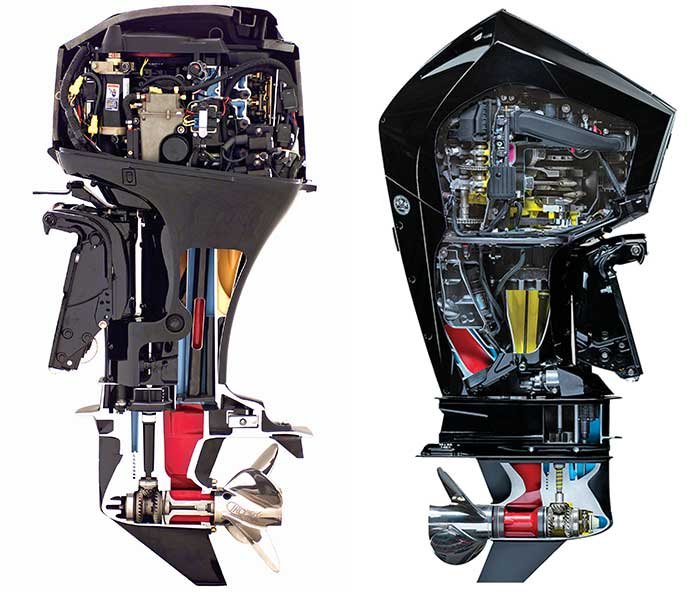
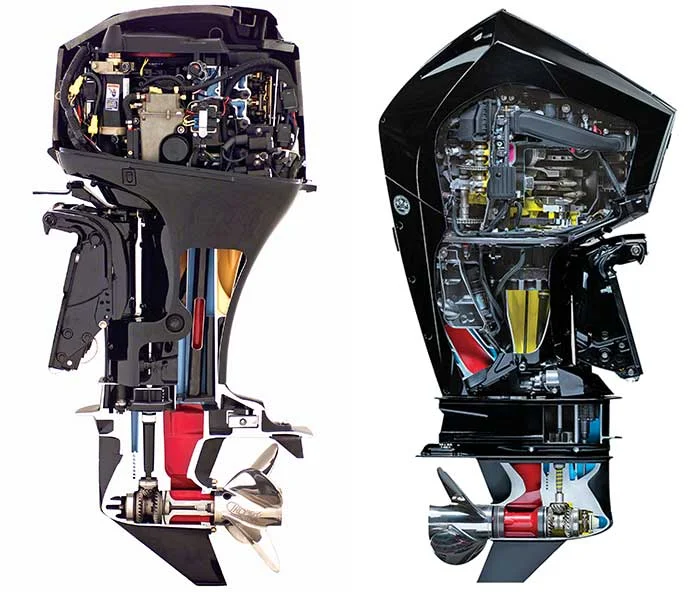
Recreational outboards get optimized for top speed and a smooth ride. Fishing vessel engines get optimized for something different: low-end torque for trolling and pulling gear, reliability across long days at low RPM, and enough saltwater durability to survive being run hard six or seven days a week for years. A lot of the technology that looks impressive on a brochure, aggressive top-end horsepower, flashy digital displays, matters far less to a working fishing crew than an engine that idles smoothly for six hours of trolling and starts on the first try at four in the morning.
Key Features Working Fishing Crews Actually Need
- Strong low-end torque. Trolling speed control and pulling gear, nets, or a loaded catch depend far more on low-RPM torque than peak horsepower.
- Reliable idle and trolling performance. Electronic fuel injection with good low-speed tuning keeps the engine running smoothly for hours at trolling speed without fouling plugs or hunting for idle.
- Saltwater durability. Corrosion resistance matters enormously on a boat that’s in saltwater daily rather than occasionally, since downtime for repairs directly costs a working crew income.
- Simple, field-serviceable design. Crews working remote fishing grounds benefit from engines that a competent local mechanic can actually service, rather than requiring specialized dealer diagnostic equipment for every issue.
Specifications Typical of Fishing Vessel Engines
| Spec | Typical Range |
|---|---|
| Horsepower range | 15 HP to 250 HP depending on hull size and fishing method |
| Fuel system | Electronic fuel injection standard on current models, improving trolling reliability |
| Trolling features | Electronic idle/trolling speed control on many mid-to-large models |
| Configuration | Single or twin depending on distance offshore and redundancy needs |
| Starting | Manual on smaller portables, electric standard from mid-range up |
| Recommended fuel | 87 octane minimum on most models |
Matching Horsepower to Fishing Method
- Small artisanal and canoe-style fishing boats: 15 to 40 HP typically covers this category, prioritizing fuel economy and light weight for boats launched from beaches or small landings.
- Longline and gillnet vessels: 40 to 115 HP, with an emphasis on low-end torque for pulling gear steadily rather than top speed.
- Trolling and charter fishing boats: 90 to 250 HP, often with electronic trolling speed control for holding a precise slow speed for hours.
- Offshore and longer-range commercial fishing: 150 to 250 HP, frequently in twin configurations for both power and the redundancy needed running well offshore.
Fishing vessel engines should be sized around your actual working conditions, not just the boat’s rated maximum. A crew running well offshore in variable weather needs more margin than a boat working sheltered coastal waters close to shore.
Single Engine vs. Twin Setups for Offshore Safety
Redundancy matters more for fishing vessels than almost any other application, since a mechanical failure offshore isn’t just an inconvenience, it can be a genuine safety emergency for the crew aboard. Vessels working well offshore or in remote waters often run twin fishing vessel engines specifically so a single failure doesn’t leave the crew stranded far from help. For boats working closer to shore or with reliable rescue access nearby, a well-maintained single engine is often a reasonable choice, but the decision should weigh actual distance from help, not just budget.
What We Currently Stock
Recent stock suited to fishing applications has included models popular for trolling and gear-pulling torque like the Honda 115 HP BF115D1LA and performance-oriented options like the Mercury 200XL Pro XS, favored by charter and offshore crews. Browse our Honda, Mercury, Suzuki, and Yamaha category pages for current inventory, or tell us your typical fishing method and distance offshore and we’ll recommend a configuration built for your actual working conditions.
Trolling Performance and Electronic Speed Control
For crews trolling for hours at a stretch, holding a precise, consistent low speed matters as much as horsepower on the spec sheet. Many current fishing vessel engines offer electronic trolling speed control, which holds RPM steady at very low speeds far more precisely than manually managing the throttle, freeing up a crew member who’d otherwise need to babysit the throttle all day. This feature alone is worth prioritizing for any crew that spends significant time trolling rather than running point to point.
Fuel Range and Efficiency for Long Days
A working fishing day often means running out to the grounds, hours of trolling or gear work, and running back, all on one tank. Fuel efficiency across your fishing vessel engines directly determines your practical range and how much of the day you can actually spend fishing rather than worrying about fuel margin. Electronic fuel injection meaningfully improves efficiency over older carbureted engines, particularly during the extended low-RPM running that trolling and gear work require, which translates directly into more usable range per tank.
Saltwater Durability and Daily Corrosion Protection
Working fishing vessels spend far more time in saltwater than recreational boats that get trailered and rinsed occasionally. Flush fishing vessel engines with fresh water after every single trip where practical, not just occasionally, check anodes at minimum monthly given the daily saltwater exposure, and inspect electrical connectors regularly since a boat running every day has less natural downtime for small corrosion issues to be caught before they cause a real failure.
Maintenance for Daily Working Boats
A fishing vessel running six or seven days a week accumulates hours dramatically faster than recreational use, which means maintenance needs to track actual hours rather than the calendar. Oil and filter changes every 100 hours, more frequent spark plug and water pump impeller checks given the sustained running, and gear oil service on a tighter schedule for boats working in sandy or debris-heavy coastal waters. Falling behind on hour-based maintenance is one of the most common reasons working fishing engines fail earlier than their rated service life would suggest.
Buying New vs. Used for Fishing Operations
New engines make sense for crews depending on the boat as their primary income source, where warranty coverage and predictable reliability protect daily earnings. Well-maintained used engines can still represent strong value for crews on tighter budgets, provided you get full service history, an hour count, and a compression test before buying. We’re upfront about hours and condition on every used engine we sell for fishing applications, since a working crew needs accurate information to plan realistic maintenance costs, not optimistic sales copy.
Financing and Fleet Orders for Fishing Operators
Cooperatives, charter fleets, and commercial fishing operators sourcing multiple fishing vessel engines should reach out directly about volume orders. We arrange consolidated shipping to reduce per-unit freight costs and coordinate delivery timing so an entire fleet isn’t sitting idle waiting on engines all at once. Tell us your boat count, typical fishing method, and timeline, and we’ll put together a plan that keeps your operation running while engines are delivered.
Worldwide Shipping to Fishing Communities
We ship fishing vessel engines internationally by sea and air freight, handling crating, insurance, and export documentation on our end. We’ve supplied fishing crews and cooperatives across Africa, the Caribbean, Southeast Asia, the Middle East, Latin America, and Europe, managing customs classifications so engines arrive ready to mount instead of stuck at port during a critical fishing season. For operators in remote coastal or island communities, we plan shipping timing around your actual season rather than a generic schedule.
Spare Parts for Remote Fishing Communities
A lot of the fishing crews we supply work from communities where the nearest dealer service center is a genuine journey away. For fishing vessel engines operating in these locations, keeping a basic spares kit on hand, water pump impellers, spark plugs, fuel filters, and common fasteners, makes the difference between a short delay and days of lost fishing income while parts are ordered and shipped in. We can help put together a starter spares kit alongside your engine order for crews working in harder-to-reach locations.
Choosing Between Brands for Fishing Applications
Every major manufacturer has real strengths for fishing use. Honda’s quiet, smooth running is genuinely appreciated by crews spending full days next to the engine. Mercury’s Pro XS models deliver strong hole shot for crews who need to reach the grounds quickly. Suzuki and Yamaha both offer excellent low-end torque and reliability reputations built over decades of commercial fishing fleet use worldwide. There isn’t a single universally correct choice, the right fishing vessel engine depends on your specific fishing method, typical distance offshore, and which brand has reliable parts support in your region.
Weather, Sea Conditions, and Engine Margin
Fishing crews often don’t get to choose their working conditions the way recreational boaters can simply stay home on a rough day. Engines for working fishing vessels benefit from a reasonable power margin above the bare minimum, since a boat that’s adequately powered in calm water can be genuinely underpowered and unsafe pushing back to port against wind and chop at the end of a long day. Build in margin for the conditions you’ll actually face, not just the conditions on a calm demonstration run.
Noise, Vibration, and Long-Day Crew Fatigue
Crews spending ten or twelve hour days next to a running engine notice noise and vibration in a way occasional recreational users simply don’t. Lower vibration transfer and quieter running measurably reduce fatigue over a long working day, which matters for both crew wellbeing and, honestly, for safety, since a tired crew makes more mistakes handling gear and navigating back to port after dark. It’s worth weighing alongside horsepower and price when comparing fishing vessel engines for a boat that runs full days routinely.
Documentation and Regulatory Requirements
Depending on your country and fishery, commercial fishing vessels may need documentation of engine origin and specifications for licensing, insurance, or fisheries management purposes. We provide serial number verification and origin documentation with every sale, since we know fishing operators sometimes need to produce this paperwork to register a vessel or renew a commercial fishing license.
Cooperative and Community Buying for Small-Scale Fleets
A lot of artisanal and small-scale fishing operations we work with buy through cooperatives rather than as individual owners, and there’s real value in that approach for fishing vessel engines specifically. Buying as a group brings volume pricing and consolidated shipping that individual small purchases can’t access, and standardizing on the same engine across a cooperative’s fleet means shared spare parts, shared mechanic knowledge, and the ability to borrow a part from another boat in an emergency. If your cooperative or community is considering a group purchase, talk to us directly, we regularly structure these orders differently from a single retail sale to make the logistics work for everyone involved.
Cold and Variable Climate Fishing Operations
Not every fishing vessel engine we ship goes to a warm-water tropical fishery. Crews working colder or more variable climates need to think about cold-start reliability, appropriate winterization if the season includes a layup period, and fuel formulations that hold up in lower temperatures. If you’re operating somewhere with real seasonal temperature swings, mention that when you’re speccing an engine, since some configurations and accessories handle cold starts and seasonal storage more gracefully than others.
Deck Layout and Engine Mounting for Working Boats
Where and how a fishing vessel engine sits on the transom affects more than just performance, it affects deck space for gear, nets, and catch handling, which is often at a premium on smaller working boats. Twin engine setups, in particular, need enough transom width and clearance to avoid interfering with net or line handling along the stern. When we help crews specify engines, we factor in how the boat is actually worked on deck, not just the horsepower and hull length numbers on paper.
Insurance Considerations for Commercial Fishing Vessels
Insurers covering commercial fishing vessels frequently want documentation of engine origin and service history, particularly after an incident or at policy renewal time. Crews who can’t produce this paperwork sometimes face higher premiums or complications getting a claim processed. Keeping organized records from the point of purchase, including our verification documentation and any service logs, makes the insurance side of running a fishing operation considerably less stressful when it actually matters.
Common Mistakes Fishing Vessel Buyers Make
The most common mistake is prioritizing top speed over trolling performance and low-end torque, which matters far more to most working fishing days than how fast the boat can run point to point. A second is skipping redundancy for boats working genuinely offshore, where a mechanical failure has real safety consequences. A third is underestimating how quickly hours accumulate on a boat fishing daily, leading to missed maintenance and premature failure. All three are avoidable by matching the engine choice to actual working conditions rather than a generic spec sheet comparison.
Repowering an Older Working Boat
Many of the fishing vessel engines we sell go onto hulls that have been fishing for decades already, since a well-built working hull can outlast several engines over its lifetime. Repowering an older boat with a modern fuel-injected engine often brings a meaningful fuel efficiency improvement over whatever carbureted engine it’s replacing, which matters directly to daily operating cost for a crew running the boat every working day. Before repowering, confirm the transom is still structurally sound for the new engine’s weight, since older working hulls sometimes need transom reinforcement after years of hard use before a repower makes sense.
Balancing Upfront Cost Against Daily Reliability
For a lot of small-scale operators, the upfront cost of a fishing vessel engine is a genuinely difficult number to stretch the budget around, and we understand that pressure is real. That said, the cheapest engine available is rarely the cheapest option once you factor in lost fishing days from breakdowns, emergency repair costs in a remote location, and the risk of being stranded offshore with an unreliable engine. We try to be straightforward with every customer about which engines genuinely fit a tight budget without sacrificing the reliability a working crew depends on, rather than just selling the cheapest thing on the shelf.
Setting a Realistic Budget
Fishing vessel engines built for reliable daily commercial use typically cost more upfront than a bare-minimum recreational-spec engine, but that premium is almost always smaller than the cost of lost fishing days from an unreliable engine. For crews whose income depends directly on the boat running every day it can, budgeting for reliability and appropriate torque characteristics from the start pays for itself quickly compared to replacing an underspecced engine within a season or two.
Common Questions About Fishing Vessel Engines
What horsepower is right for a commercial fishing boat?
It depends heavily on fishing method and hull size. Trolling and gear-pulling work favor torque over top speed, so send us your typical method and we’ll recommend an appropriate range.
Should offshore fishing boats run twin engines?
For boats working genuinely offshore or far from rescue access, twin engines are common specifically for the redundancy and safety margin they provide.
What is electronic trolling speed control?
A feature on many current engines that holds a precise, steady low RPM for trolling automatically, rather than requiring constant manual throttle adjustment.
How often should a working fishing engine be serviced?
On an hour-based schedule, typically every 100 hours for oil and filters, since daily fishing use accumulates hours far faster than recreational boating.
Do you ship fishing vessel engines internationally?
Yes, we export worldwide by sea and air freight, including to remote coastal and island fishing communities, with consolidated shipping for fleet orders.
Is a used engine a safe choice for a working fishing boat?
Yes, provided it has full service history, a known hour count, and passes a compression test. We’re upfront about condition on every used unit we sell.
Can our cooperative buy engines as a group order?
Yes, we regularly structure cooperative and community orders differently from single retail sales, with volume pricing and consolidated shipping for the group.
What matters more for fishing, torque or top speed?
For most fishing methods, low-end torque for trolling and pulling gear matters more day to day than top-end speed, which mainly affects the run out to the grounds.
Ready to Source Fishing Vessel Engines
Whether you’re outfitting a single artisanal fishing boat or a small commercial fleet, we can help you specify fishing vessel engines built for your actual fishing method, distance offshore, and working conditions, then get them shipped to your location. Tell us your typical catch method, boat size, and how far offshore you work, and we’ll recommend a configuration built around reliability rather than just a spec sheet. You can also browse our other outboard motor buying guides, including our guide to outboard motors for commercial boats and our guide to verifying genuine outboard motors, if you’re still comparing options.
For global fisheries data, sustainable fishing practices, and vessel safety guidance, the UN Food and Agriculture Organization’s fisheries division maintains resources referenced by fishing communities and regulators worldwide.
Posts Widget
- 1
- 2

- 3

- 4


S.H Continental Marine
USA HERALD MAGAZINE INC
Our team is dedicated to providing exceptional customer service.
Email: info@shcontinentalmarine.com
Choose S.H Continental Marine
for your outboard engine needs and enjoy superior quality, exceptional customer service, and unbeatable prices.
