
Outboard Motor Suppliers: What Actually Separates the Good Ones From the Rest

Outboard Motor Suppliers: What Actually Separates the Good Ones From the Rest
If you’ve spent any time searching for outboard motor suppliers, you already know the problem isn’t finding one — it’s finding one you can actually trust with a few thousand dollars and a delivery address. Type the phrase into Google and you’ll get a wall of listings, some run by real businesses with real inventory, others run by a guy with a website and a dropship account he set up last week. Telling the two apart from a screen is harder than it should be, so this is a rundown of what we’d actually look at if we were the ones buying, not selling.
What an Outboard Motor Supplier Is Actually Supposed to Do
A supplier isn’t just a website with a price tag and a “buy now” button. The job is sourcing, stocking, and standing behind the motor after the sale — three things that sound obvious until you find out a supplier can’t actually do one of them. Sourcing means having a real relationship with the manufacturer or an authorized distribution chain, not buying gray-market units from wherever happens to be cheapest that month. Stocking means the motor in the listing photo is the motor that ships, not a placeholder image while they wait to see if anyone orders it. And standing behind the sale means there’s a warranty that means something, plus a person who answers the phone if the motor doesn’t start on the first pull.
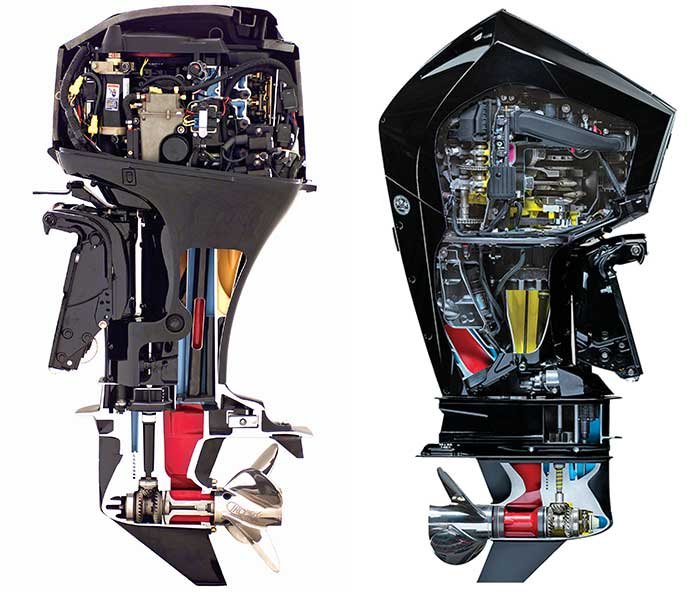
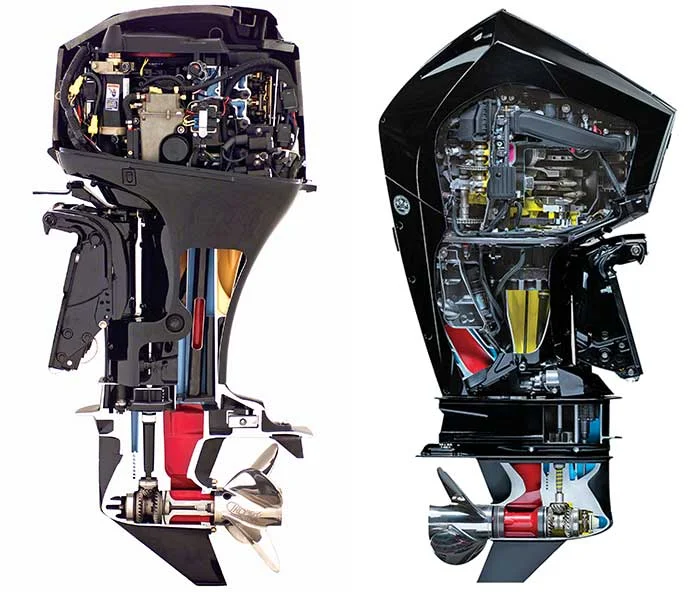
We sell Yamaha outboard motors in this exact way, ranging from small portable units to V8 offshore engines, and we’d rather explain how we do it than just claim we’re “the best outboard motor suppliers” the way half the internet does without backing it up.
Why the Sourcing Chain Matters More Than the Price Tag
Two outboard motor suppliers can list the same model at the same horsepower and still be selling a completely different experience. One sources directly from authorized channels, tests the unit, and ships it with a real warranty card. The other buys a pallet of units that fell off the back of an export deal, slaps a generic photo on a listing, and hopes nobody asks too many questions about where it came from. Both show up identically in a search result. The difference only becomes obvious after you’ve paid and the motor either runs the way it’s supposed to or doesn’t.
This is the part that’s easy to skip when you’re price-shopping, but it’s the part that actually determines whether your engine still runs the way it should three seasons from now. A motor with a murky paper trail is harder to get parts for, harder to get warranty support on, and harder to resell down the line if you ever upgrade.
Specifications Worth Checking Before You Commit to a Supplier
Whatever outboard motor suppliers you’re comparing, the spec sheet should answer these questions before you ever talk price:
- Horsepower and engine configuration — inline cylinder count and displacement, since these determine how the motor actually behaves under load, not just the headline HP number.
- Shaft length — usually 15, 20, or 25 inches, and getting it wrong means the motor either sits too high or drags too deep on your transom.
- Weight — matters for smaller boats and tenders where every extra pound changes the trim.
- Fuel delivery system — carbureted versus electronic fuel injection (EFI) changes starting behavior, fuel economy, and altitude performance.
- Starting and steering setup — manual or electric start, tiller or remote steering.
- Alternator output — relevant if you’re running electronics, livewells, or trolling motors off the same battery bank.
Here’s how that plays out across a real range of motors, using our own current lineup as the example, since these are the exact specs you’d be checking on any supplier’s listing:
| Model | Horsepower | Engine Type | Weight | Shaft Length |
|---|---|---|---|---|
| Yamaha F6SMHA | 6 HP | 1-cylinder, 4-stroke | ~57 lbs | 15″ |
| Yamaha T9.9LWHB | 9.9 HP | 2-cylinder, 4-stroke, SOHC | ~99 lbs | 20″ |
| Yamaha F60LB | 60 HP | 4-cylinder, 4-stroke | ~225 lbs | 20″ |
| Yamaha VF90LA V MAX SHO | 90 HP | 1.8L inline 4, DOHC, EFI | ~353 lbs | 20″ |
| Yamaha LXF425ESA | 425 HP | 4.2L V8, EFI, DEC | ~635 lbs | 35″ |
Notice the spread — a 6 HP portable and a 425 HP offshore V8 aren’t even the same category of purchase, but a serious supplier should be able to walk you through both with the same level of detail instead of pushing you toward whatever’s easiest to sell.
Authorized vs. Gray Market: Why It’s Worth Asking Directly
This is one question most buyers don’t ask, and it’s the one that matters most. An authorized outboard motor supplier has a real agreement with the manufacturer or its distribution network. A gray-market seller is moving units that were intended for a different region, sometimes diverted through several intermediaries before they reach a listing page. The motor itself might be fine mechanically, but the warranty often won’t transfer, the serial number might not match anything in the manufacturer’s system, and getting OEM parts later can turn into a genuine headache.
Asking “is this an authorized unit, and can you show me how the warranty works” is a fair question to put to any supplier, and a good one will answer it without hesitation. If you get a vague non-answer or a sudden change of subject, that’s worth paying attention to.
Global Shipping: What to Actually Confirm
A lot of outboard motor suppliers will tell you they “ship worldwide” without explaining what that actually involves. Here’s what we think buyers should pin down before paying anything:
- Crating and packaging. Engines are heavy and awkward, and a motor shipped on a flimsy pallet is far more likely to arrive with cosmetic or mechanical damage than one shipped in a proper export crate.
- Insurance on the shipment. If the carrier damages the unit in transit, who’s covering the cost — you or the supplier? Get this in writing before you pay.
- Import duties and documentation. Depending on your country, you may owe import tax separately from the purchase price, and the supplier should be upfront about that rather than letting it surprise you at customs.
- Realistic delivery windows. “Ships immediately” sometimes means it leaves the warehouse immediately, not that it lands on your dock next week. Ask for an honest estimate, not a marketing one.
We currently ship to buyers across multiple regions, and our pricing reflects local currency wherever that’s relevant, which is a reasonable thing to expect from any supplier doing genuine international business rather than just listing a single price and hoping the rest sorts itself out.
Stock Range Tells You a Lot
One quiet signal of a serious supplier versus a thin one is how deep their inventory actually goes. Anyone can list a handful of popular mid-range motors. Fewer suppliers carry a genuine spread — small portables for tenders and dinghies, mid-range four-strokes for family boats and fishing rigs, and high-output V8s for offshore and commercial use. Our own range runs from the 6 HP F6SMHA right up through the 425 HP V8 lineup, and that range exists because we’re stocking for actual buyer needs, not just chasing whatever’s easiest to move.
Questions Worth Asking Any Supplier Before You Pay
- Is this a brand-new unit, and does it come with the full manufacturer warranty?
- Can you provide the serial number and confirm it’s registered with the manufacturer?
- What happens if the motor arrives with shipping damage?
- Who do I contact for parts or service after the sale — you, or do I need to find someone else?
- Do you have other customers who’ve bought this exact model that I can hear from?
If a supplier gets cagey on any of these, take that seriously. A business with nothing to hide answers these questions in a single email.
Where We Fit Into This
We’ve built our business specifically around being the kind of outboard motor supplier that survives this list of questions. Every motor we list — from the 9.9 HP T9.9XPB to the 70 HP F70LA to the larger V8 units — ships as a genuine unit with manufacturer backing, proper export packaging, and a real person on the other end of the line if something needs sorting out. You can browse our complete outboard motors for sale catalog by horsepower, or if you’d rather just tell us what boat you’ve got and how you use it, reach out directly and we’ll point you to the right model instead of just the most expensive one.
If you’re weighing a new purchase against a used one, our breakdown on buying used boat motors covers the specific things to check before handing over money for a secondhand engine, and it applies whether you’re buying from us or anyone else.
A Useful Independent Reference
If you want a neutral, non-sales perspective on engine standards and marine equipment safety before buying from any outboard motor suppliers, the National Marine Manufacturers Association publishes general guidance on certification and industry standards that’s worth a read regardless of who you end up buying from.
Red Flags We’d Walk Away From
Not every warning sign is dramatic. Most of the time it’s something small that’s easy to talk yourself out of noticing. A few we’d treat as dealbreakers when evaluating outboard motor suppliers:
- No physical address or phone number anywhere on the site. A real supplier isn’t hiding behind a contact form with no other way to reach them.
- Prices that are dramatically below everyone else for the same model. Sometimes that’s a genuine clearance deal. More often it means something’s missing — the warranty, the documentation, or the condition disclosure.
- Stock photos instead of actual unit photos, especially for used or refurbished units. If you can’t see the actual motor, you’re buying blind.
- Payment only by wire transfer or crypto, with no other option. Legitimate suppliers offer traceable, reversible payment methods because they’re not worried about chargebacks on a motor they actually shipped.
- Reluctance to put warranty terms in writing. If it’s not written down, it’s not a real warranty — it’s a verbal promise that’s hard to enforce later.
None of these alone is automatically disqualifying, but two or three together is usually enough reason to keep looking.
New, Used, and Reconditioned: Different Supplier, Different Standards
Not all outboard motor suppliers operate the same business model, and it’s worth knowing which one you’re dealing with:
New-unit suppliers source directly from the manufacturer or an authorized distributor, sell sealed, unused engines, and pass along the full factory warranty. This is the simplest transaction and carries the least risk, assuming the sourcing is legitimate.
Used-motor suppliers buy and resell engines that have already seen service hours. The good ones run compression tests, check the lower unit, flush the cooling system, and disclose exactly what they found. The bad ones clean the cowling, snap a photo, and sell it as-is with no real inspection.
Reconditioned or rebuilt suppliers sit somewhere in between — engines that have had meaningful work done, sometimes including a powerhead rebuild, before resale. This can be a genuinely good value if the work was done properly and documented, but it leans heavily on trusting the supplier’s word, so reputation matters even more here than with new units.
None of these categories is inherently better than the others — a well-inspected used motor from a transparent supplier often beats a poorly-sourced “new” unit from a supplier who won’t answer questions. The category matters less than the honesty of the supplier selling it.
How Boat Type Changes What You Should Be Asking
The right questions to ask a supplier shift a little depending on what you’re actually putting the motor on:
Tenders and small dinghies generally pair best with portable motors in the 2.5–9.9 HP range, where weight matters as much as power — you’re often lifting these on and off the boat by hand, so a supplier who can speak to actual carry weight, not just horsepower, is worth more than one who can’t.
Pontoons and family runabouts usually land in the 40–115 HP range, where fuel efficiency and smooth low-speed handling matter more than top-end speed. Ask suppliers specifically about EFI versus carbureted options here, since the fuel savings add up over a season of regular use.
Bass and bay boats chasing speed and acceleration are where models like the VF90LA V MAX SHO earn their reputation — a supplier who understands performance tuning, not just horsepower numbers, is the one worth talking to for this category.
Offshore and commercial vessels need suppliers who can speak fluently about V8 and V6 configurations, corrosion protection for extended saltwater exposure, and parts availability for higher-hour duty cycles — this is where the difference between an authorized supplier and a gray-market reseller shows up fastest, because commercial operators can’t afford downtime waiting on parts that don’t exist in their region.
After the Sale: The Part Most Buyers Forget to Ask About
A motor purchase doesn’t end when the engine arrives. The supplier relationship that actually matters is the one that exists six months or two years later, when you need a part, a question answered, or warranty service. Before buying from any outboard motor suppliers, it’s worth asking plainly: what does support look like after the sale closes? Do they stock common service parts, or do you need to source those elsewhere? Is there a real technical contact, or does the trail go cold once payment clears? A supplier who can answer this confidently — and ideally point to existing customers who’ll vouch for it — is one worth paying a bit more for over a supplier who only seems interested up until the invoice is settled.
Comparing Quotes Apples-to-Apples
When you’ve got two or three outboard motor suppliers quoting you on what looks like the same engine, the price line on its own won’t tell you much. Break each quote down into its actual components before comparing: base unit price, shipping and crating, insurance, any import duty the supplier is including or excluding, controls and wiring harness if they’re not bundled in, and the propeller. We’ve seen buyers compare a “cheaper” quote that turned out to exclude the wiring harness against a “more expensive” one that included everything, and end up paying more in the end once the missing pieces were sourced separately. Ask each supplier for an itemized breakdown rather than a single bottom-line number, and the real comparison gets a lot easier.
It’s also worth asking how long the quoted price is good for. Engine pricing can shift with currency fluctuations and manufacturer allocation, so a quote that was accurate two weeks ago isn’t always still accurate today. A supplier who reconfirms pricing before charging your card is behaving the way a serious business should.
Frequently Asked Questions
Q: Is it cheaper to buy directly from a manufacturer instead of a supplier?
A: Most manufacturers don’t sell directly to consumers — they distribute through authorized suppliers and dealers, which is normal and doesn’t mean you’re paying extra for no reason. The key is making sure the supplier you choose is genuinely authorized.
Q: How do I verify a supplier is authorized before I pay?
A: Ask for the serial number in advance, and ask whether it can be verified against the manufacturer’s own registration system. A legitimate supplier won’t hesitate to provide this.
Q: Do outboard motor suppliers typically negotiate on price?
A: Sometimes, particularly on larger purchases, bundled orders, or end-of-model-year stock. It rarely hurts to ask, but be wary of a supplier who drops the price dramatically just because you pushed back once.
Q: What’s a reasonable warranty length to expect on a new outboard?
A: This varies by manufacturer and model, but it should be clearly stated in writing before purchase, not described vaguely as “covered.”
Q: Should I worry about buying from a supplier in a different country than mine?
A: Not inherently — plenty of legitimate suppliers ship internationally every day. Just confirm shipping, insurance, and import duty details up front so there are no surprises at delivery.
The Bottom Line
The phrase “outboard motor suppliers” covers everything from serious, established businesses to one-page websites with no real inventory behind them, and price alone won’t tell you which one you’re dealing with. Ask about sourcing, confirm the warranty actually transfers, get shipping and insurance details in writing, and pay attention to whether the supplier can answer direct questions without dodging them. Do that, and the supplier you pick is far more likely to still be there — and still backing your motor — two years after the sale.
Posts Widget
- 1

- 2

- 3
- 4


S.H Continental Marine
USA HERALD MAGAZINE INC
Our team is dedicated to providing exceptional customer service.
Email: info@shcontinentalmarine.com
Choose S.H Continental Marine
for your outboard engine needs and enjoy superior quality, exceptional customer service, and unbeatable prices.
