
Outboard Motor Shipping: Crating, Freight, and Customs Done Right

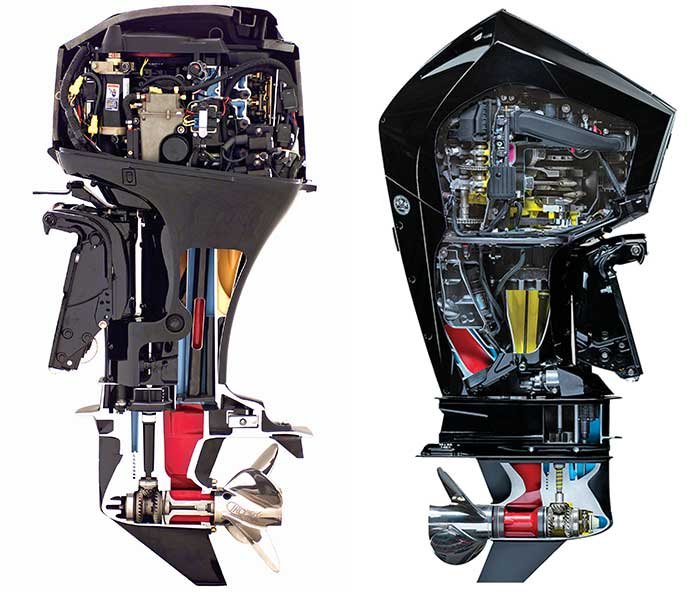
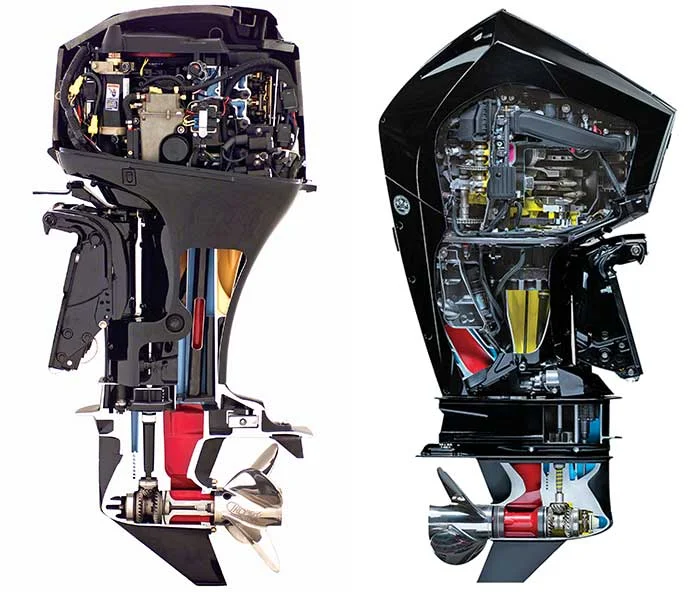
An outboard motor is an awkward thing to ship. It’s heavy, top-weighted by the powerhead, has a delicate shaft and lower unit that can’t take a sideways impact, and often has residual fuel and oil that freight carriers have opinions about. Getting outboard motor shipping right is mostly about crating and paperwork — get those two things wrong and everything else in the deal falls apart, no matter how good the engine is.
How Outboards Actually Get Packed for Freight
- Small engines (portable, under ~25 HP) — typically crated in wood or heavy cardboard with internal bracing, small enough to ship by air freight if speed matters, or consolidated sea freight for cost savings.
- Mid-size engines (40-150 HP) — custom wooden crates with the engine bolted to a base pallet, cowling protected, shaft and lower unit braced separately from the powerhead.
- Large and V8 engines (200 HP+) — heavy-duty crating, often on reinforced pallets, usually shipped sea freight given the weight (a 425 HP V8 can weigh close to 1,000 lbs).
For reference, here’s what a large-format engine looks like on the spec sheet, so you understand what’s actually being crated: the Yamaha 425 HP XF425ESA V8 weighs approximately 999 lbs and ships on a reinforced pallet with a full plywood crate — that’s not something you strap to a standard shipping pallet and hope for the best.
Air Freight vs. Sea Freight
Air freight costs more but moves fast — useful for a single engine or an urgent repower where downtime is costing money. Sea freight is dramatically cheaper per unit, especially at volume, but takes weeks rather than days and requires more advance planning around vessel schedules and port congestion.
Most wholesale and multi-unit orders go sea freight by default; single urgent orders often go air. Ask your supplier for both quotes if timing matters — the price difference is usually significant enough to be worth comparing.
What Should Be Included in the Crate
- The engine, secured to a base pallet so it can’t shift in transit
- Cowling protected from impact, often with foam or cardboard corner protection
- Shaft and lower unit braced independently — this is the part most likely to take damage from side impacts
- Any included propeller, packed separately to avoid denting the housing
- Paperwork in a weatherproof pouch attached to the outside of the crate
Documentation That Needs to Travel With the Shipment
- Commercial invoice, itemized by unit if it’s a multi-engine shipment
- Packing list matching exactly what’s in the crate or container
- Certificate of origin, if your destination country requires it for customs clearance
- Bill of lading (sea freight) or air waybill (air freight)
- Serial numbers matched to each unit, especially important for multi-engine orders
Missing or mismatched paperwork is the single most common reason a shipment gets held at customs, not damage or loss.
Insurance: Read the Actual Coverage
Freight carriers’ default liability coverage is usually far below what an engine is actually worth — it’s often calculated by weight, not value, which badly undervalues something like a 425 HP V8. Ask specifically whether your supplier is arranging full-value cargo insurance separate from the carrier’s baseline liability. If the answer is vague, get it in writing before the engine ships, not after something goes wrong.
Realistic Timelines
- In-stock single engine, air freight: often 5-10 business days door to door
- In-stock single or small multi-engine order, sea freight: typically 3-6 weeks depending on origin and destination port
- Container-load wholesale orders: 6-10 weeks is common once you factor in loading, transit, and customs clearance
These are general ranges — actual timelines depend heavily on your specific origin and destination ports, and on how quickly customs paperwork clears on your end.
Customs and Duties
Import duty rates on marine engines vary significantly by country and sometimes by engine type or displacement. This isn’t something a supplier can quote precisely for your specific situation — it’s worth checking with your own customs broker or your country’s import authority before you commit to an order, so the landed cost doesn’t surprise you.
Shipping as Part of a Wholesale Order
If you’re ordering multiple engines, shipping cost per unit drops substantially once you hit container-load quantities — it’s one of the main reasons wholesale outboard motor buyers see better all-in pricing than single-unit buyers. Ask your supplier to break out engine cost and freight cost separately in the quote so you can see exactly where the savings come from.
Frequently Asked Questions
Can outboard motors be shipped with fuel still in the tank?
No — most carriers and freight forwarders require fuel systems to be drained or purged before shipment, particularly for air freight. Ask your supplier to confirm this is handled before the engine leaves.
Who’s responsible if an engine arrives damaged?
This depends on the shipping terms agreed at purchase (FOB, CIF, etc.). Confirm in writing who files the freight claim and who covers the cost while it’s resolved.
Do I need a customs broker to import an outboard motor?
For a single engine, often not — many couriers and freight forwarders handle basic clearance. For container-load or commercial-quantity orders, a broker is usually worth the cost.
Is it cheaper to pick up an engine locally instead of shipping internationally?
Sometimes, but the price difference on the engine itself often outweighs shipping cost, especially if you’re buying from a supplier with better wholesale pricing than what’s available locally.
Getting a Shipping Quote
The only way to get an accurate outboard motor shipping cost is to give a supplier your exact model, quantity, and delivery port — generic per-kilogram freight calculators rarely match what an oddly-shaped, top-heavy engine crate actually costs to move. The U.S. International Trade Administration publishes general guidance on export documentation that’s worth a look if you’re new to importing equipment internationally. Contact us with your details and we’ll send a real shipping quote, not a rough estimate.
Posts Widget
- 1

- 2

- 3

- 4


S.H Continental Marine
USA HERALD MAGAZINE INC
Our team is dedicated to providing exceptional customer service.
Email: info@shcontinentalmarine.com
Choose S.H Continental Marine
for your outboard engine needs and enjoy superior quality, exceptional customer service, and unbeatable prices.
