
How to Maintain Honda Outboard Engines for Long Life 2
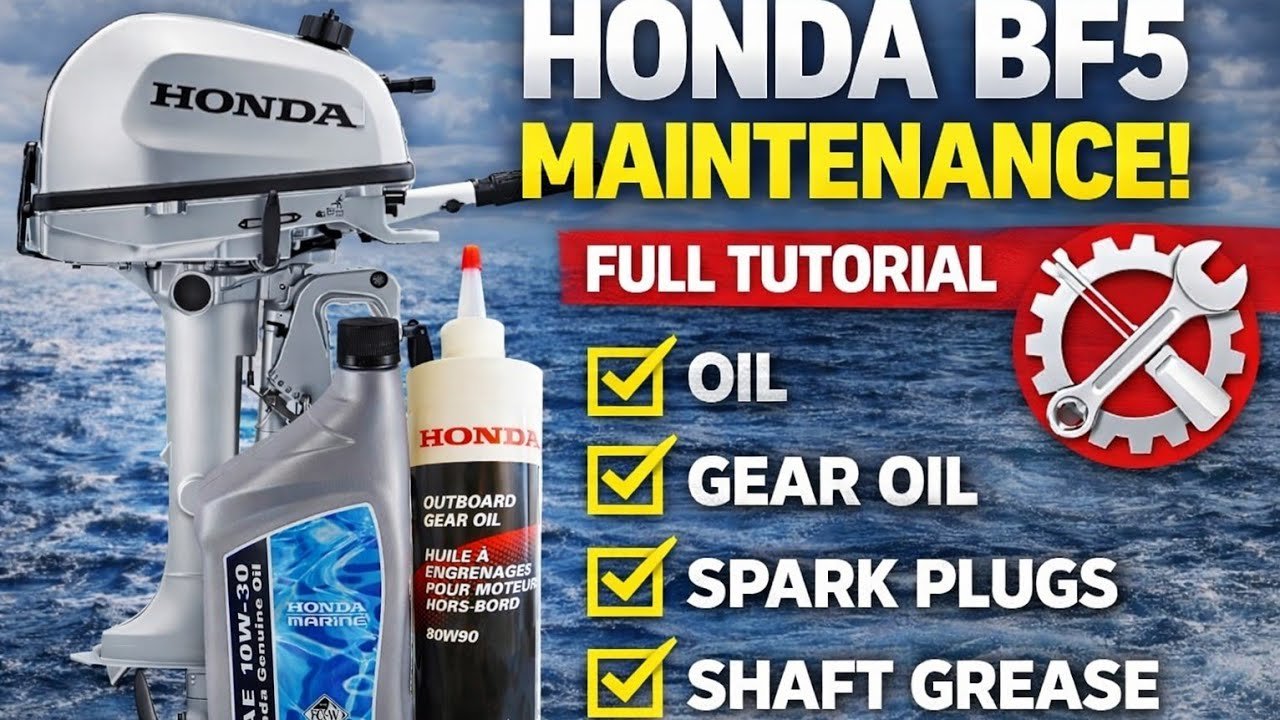
How to Maintain Honda Outboard Engines for Long Life
Honda outboard engines have a reputation for lasting a long time.
And honestly, most of them do. How to Maintain Honda Outboard Engines for Long Life
But there’s something people forget all the time:
A Honda outboard only stays reliable if it’s maintained properly.
A lot of owners assume these engines are basically indestructible. Then they ignore basic maintenance for years and get surprised when problems start showing up.
That’s why searches for How to Maintain Honda Outboard Engines for Long Life matter so much.
Because most expensive engine failures start with small problems that were ignored too long.
The good news is this:
Most Honda outboards will run for years if you take care of the basics consistently.
Why maintenance matters more on marine engines
Boat engines deal with conditions cars never have to deal with.
Things like:
- Salt air
- Moisture
- Long storage periods
- Corrosion
- Irregular use
all create wear over time.
That’s why marine maintenance matters more than most people realize.
Especially if you want the engine to last long term.
Honda outboards are built for reliability
There’s a reason Honda marine engines stay in demand worldwide.
People buy them because they’re known for:
- Smooth operation
- Fuel efficiency
- Quiet running
- Long lifespan
But even reliable engines need maintenance.
A neglected Honda outboard can fail just like anything else.
The biggest mistake owners make
Simple.
They wait until something goes wrong before paying attention.
That’s usually when:
- Power loss starts
- Fuel problems appear
- Cooling issues develop
- Corrosion spreads
Preventive maintenance is always cheaper than major repairs later.
Regular oil changes matter
This is one of the biggest things people skip.
Engine oil breaks down over time from:
- Heat
- Moisture
- Normal engine wear
Old oil loses its ability to protect internal engine components.
That leads to:
- Increased wear
- Sludge buildup
- Reduced engine life
If you’re serious about How to Maintain Honda Outboard Engines for Long Life, oil changes are one of the first things to stay consistent with.
Use the correct oil
Not all oils are the same.
Marine engines operate differently from automotive engines.
Using the proper marine-grade oil helps protect:
- Bearings
- Pistons
- Internal engine surfaces
Especially during heavy use or long hours on the water.
Don’t ignore the cooling system
Overheating destroys marine engines fast.
The cooling system needs attention regularly because:
- Salt buildup happens
- Corrosion develops
- Water passages clog
A lot of outboard engines fail because cooling issues were ignored too long.
Flush the engine after use
This matters especially in saltwater environments.
Flushing helps remove:
- Salt deposits
- Debris
- Corrosive buildup
And honestly, this is one of the easiest ways to extend engine life.
People who skip flushing usually deal with more corrosion problems later.
Fuel quality matters
Bad fuel creates problems fast in marine engines.
Common issues include:
- Water contamination
- Ethanol damage
- Injector clogging
- Fuel system corrosion
Using fresh fuel and proper stabilizers helps avoid expensive repairs later.
Fuel stabilizer is worth using
Especially if the boat sits unused for long periods.
Fuel stabilizer helps prevent:
- Fuel breakdown
- Moisture problems
- Injector deposits
This is one of the simplest maintenance habits that actually makes a noticeable difference long term.
Replace fuel filters regularly
People overlook fuel filters constantly.
Dirty filters restrict fuel flow and can create:
- Power loss
- Hard starting
- Rough running
Sometimes replacing a fuel filter solves problems owners thought were serious engine issues.
Check spark plugs
Spark plugs affect:
- Starting performance
- Fuel economy
- Engine smoothness
Worn plugs make engines run poorly over time.
Luckily, they’re usually inexpensive compared to bigger repairs.
Watch for corrosion
This is one of the biggest long-term marine engine problems.
Corrosion spreads slowly, then suddenly becomes expensive.
Areas to inspect regularly:
- Electrical connections
- Cooling components
- Exterior hardware
- Fuel system parts
Catching corrosion early saves money later.
Propeller inspection matters too
People focus only on the engine and forget the propeller.
A damaged prop can:
- Reduce performance
- Stress the engine
- Increase fuel use
Even small prop damage affects how the engine performs under load.
Battery maintenance
Weak batteries create all kinds of problems:
- Hard starting
- Charging issues
- Electrical system stress
Marine batteries need regular inspection, especially during long storage periods.
Don’t ignore warning signs
Honda outboards usually give signs before serious failure happens.
Pay attention to:
- Rough idle
- Reduced power
- Strange noises
- Excessive smoke
- Temperature issues
Ignoring small symptoms is what turns manageable repairs into engine replacement situations.
Operating hours matter
Marine engines use hours instead of mileage.
General idea:
- Under 100 hours → very low
- 100–300 hours → still strong
- Higher hours → depends heavily on maintenance
A properly maintained Honda with higher hours can still outperform a neglected low-hour engine.
Storage matters more than people think
Bad storage habits destroy marine engines slowly.
Proper storage includes:
- Fuel stabilization
- Flushing the cooling system
- Battery maintenance
- Dry storage when possible
A lot of avoidable engine problems start during long storage periods.
Why used Honda outboards stay in demand
Simple answer: reliability.
Honda outboards are known for:
- Long engine life
- Smooth operation
- Strong fuel economy
- Dependable performance
That’s why even used Honda engines continue selling worldwide.
Especially low-hour tested engines.
What “tested engine” should actually mean
This part matters.
A tested Honda outboard should go through:
- Compression testing
- Cooling system checks
- Running verification
- Visual inspection
Not just “it came off a running boat.”
If a seller can’t explain testing clearly, ask questions.
Typical Honda outboard specifications
When searching How to Maintain Honda Outboard Engines for Long Life, buyers are usually dealing with engines like:
- Honda 2.3 HP
- Honda 75 HP
- Honda 150 HP
- Honda 225 HP
Common features include:
- 4-stroke setup
- Water cooling
- Gasoline fuel
- Electric or manual start depending on model
Honda outboards are mainly known for reliability and efficiency.
Buying online
This is completely normal now.
A lot of buyers purchase Honda outboards online because:
- More inventory is available
- Prices are competitive
- Local options may be limited
The process is usually simple:
- Confirm engine details
- Review condition and hours
- Arrange payment
- Organize shipping
The important thing is clear communication.
Shipping
Outboard engines need proper handling during transport.
The engine should be:
- Secured correctly
- Protected during shipping
- Carefully loaded and transported
That matters especially with larger outboards.
What we do
We keep things straightforward.
If you’re looking into How to Maintain Honda Outboard Engines for Long Life, we focus on:
- Tested Honda outboards
- Clear operating hours
- Real engine condition details
- Proper shipping preparation
No vague listings or confusing information.
Most buyers just want an engine that runs properly and lasts.
Common mistakes buyers make
This happens constantly:
- Ignoring maintenance schedules
- Using old fuel
- Skipping flushing
- Buying only based on price
A lot of expensive marine engine damage starts with simple neglect.
Final thoughts
If you’re searching How to Maintain Honda Outboard Engines for Long Life, the most important thing to understand is this:
Consistency matters more than perfection.
Small maintenance habits done regularly usually prevent the biggest problems later.
And if your current engine already has serious damage, replacing it with a tested used Honda outboard often becomes the smarter financial decision.
Especially when you still want reliability without paying brand-new prices.
FAQ
How often should I service my Honda outboard?
Regular maintenance intervals depend on usage, but routine inspections should happen consistently.
Why should I flush my outboard after use?
To remove salt, debris, and corrosive buildup.
Can bad fuel damage a Honda outboard?
Yes, especially if water contamination or old fuel is involved.
What causes most Honda outboard failures?
Poor maintenance, overheating, fuel issues, and corrosion.
Are used Honda outboards reliable?
Yes, especially low-hour tested engines.
What are low hours for a marine engine?
Generally under 300 hours is considered good.
Can used outboards be shipped worldwide?
Yes.
What should I avoid when buying?
Untested engines and unclear condition reports.
Why is my outboard losing power?
Fuel restriction, cooling problems, or ignition issues are common causes.
How do I order?
Contact us, confirm details, then proceed.
If something isn’t clear, ask before buying. It’s easier than dealing with problems later.
Yamaha 300HP Outboard Review: Built for Speed and Strength – Yamaha 300HP outboard for sale
Electric vs Gas Outboard Motors: Pros, Cons & Which is Right for You
Posts Widget
- 1

- 2
- 3
- 4


S.H Continental Marine
USA HERALD MAGAZINE INC
Our team is dedicated to providing exceptional customer service.
Email: info@shcontinentalmarine.com
Choose S.H Continental Marine
for your outboard engine needs and enjoy superior quality, exceptional customer service, and unbeatable prices.
