
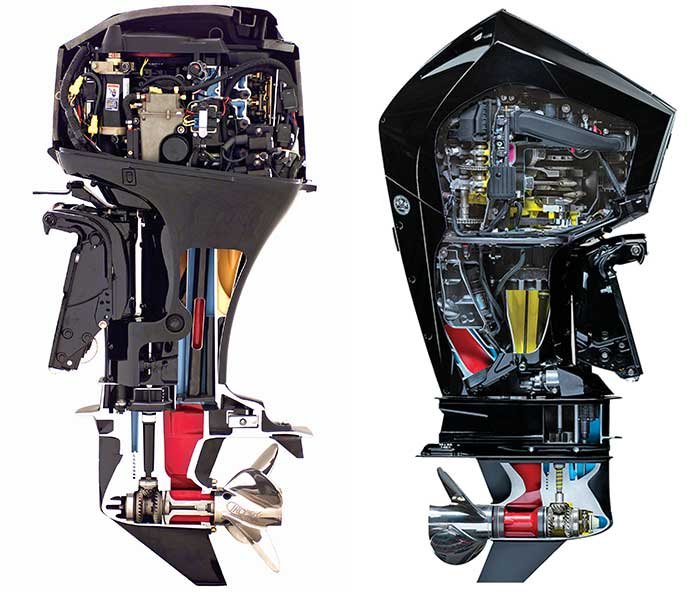
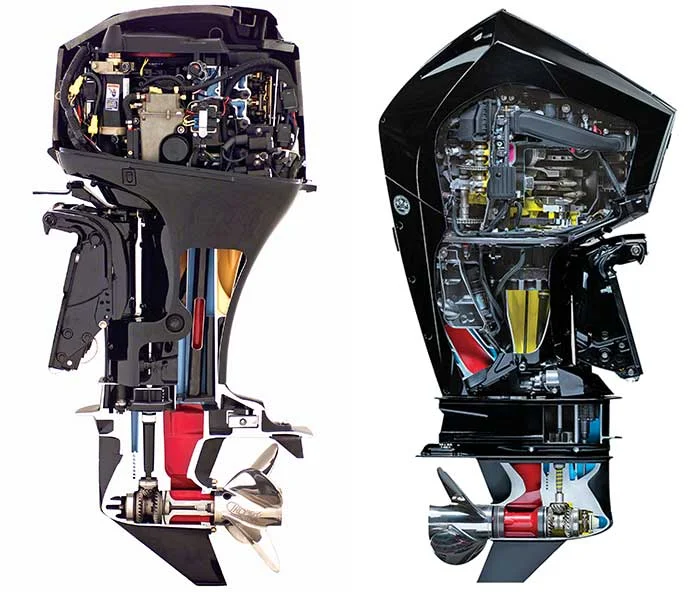
Yamaha Outboard Fuel Efficiency Comparison
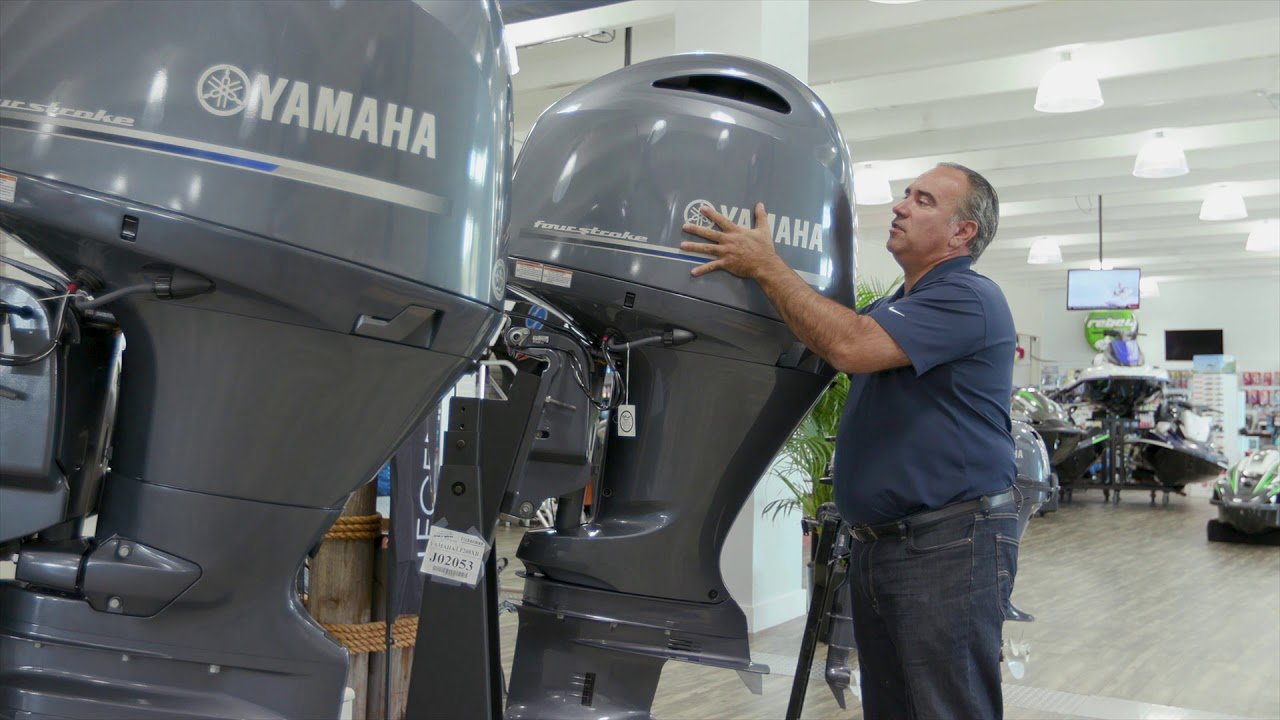
Yamaha Outboard Fuel Efficiency Comparison
Anybody who owns a boat long enough eventually starts paying attention to fuel.
Not because they want to.
Because fuel costs on the water add up fast.
Especially for people spending long days offshore, running charter trips, fishing every weekend, or using boats commercially.
That’s why searches for Yamaha Outboard Fuel Efficiency Comparison keep growing every year.
Boat owners want answers before buying another outboard.
They want to know:
Which Yamaha engine burns less fuel?
Which setup works best offshore?
Which motor saves money over time?
And which engine actually fits the way they use their boat?
We sell Yamaha outboard engines for buyers worldwide, and honestly, fuel economy is one of the biggest things customers ask about now.
Years ago people mostly cared about horsepower.
Now they care about:
- Fuel costs
- Engine hours
- Offshore range
- Reliability
- Long-term operating costs
And honestly, that makes sense.
Fuel prices changed how people shop for marine engines.
Why Fuel Efficiency Matters So Much on Boats
Cars can pull into fuel stations almost anywhere.
Boats are different.
Fuel on the water is expensive.
Sometimes extremely expensive.
And once you start running offshore regularly, fuel economy becomes impossible to ignore.
That’s one reason Yamaha Outboard Fuel Efficiency Comparison discussions became so common among boat owners.
The wrong engine setup can cost thousands more in fuel over time.
Especially for:
- Offshore fishing boats
- Charter boats
- Commercial operators
- Long-distance recreational boaters
Yamaha Built a Strong Reputation for Fuel Efficiency
Yamaha became extremely popular partly because their outboards developed a reputation for balancing power with fuel economy.
That balance matters.
People want engines that run strong without draining fuel tanks constantly.
Modern Yamaha outboards became especially popular because they offer:
- Smooth operation
- Reliable performance
- Better fuel economy
- Quiet operation
- Long engine life
A lot of buyers researching Yamaha Outboard Fuel Efficiency Comparison already trust Yamaha. They’re just trying to decide which horsepower range or engine type works best.
Yamaha 2-Stroke vs 4-Stroke Fuel Economy
This debate never completely disappears.
Older Yamaha 2-strokes still have loyal fans everywhere.
But when it comes to fuel economy, modern Yamaha 4-strokes usually win.
That’s one reason the marine market shifted heavily toward four-stroke engines.
Why Yamaha 4-Strokes Became So Popular
Fuel savings changed everything.
Especially offshore.
A Yamaha 4-stroke generally burns less fuel than an older two-stroke setup.
That becomes a major advantage over time.
Especially for:
- Offshore fishing
- Commercial boating
- Charter operations
- Long-distance cruising
That’s one reason Yamaha Outboard Fuel Efficiency Comparison conversations usually favor four-strokes for long-term ownership.
Yamaha F150 Fuel Efficiency
The Yamaha F150 became one of the most respected outboards for balancing power and fuel economy.
A lot of boat owners consider it one of Yamaha’s best all-around engines.
Yamaha F150 Specifications
- 150 horsepower
- Four-stroke design
- Electronic fuel injection
- Smooth idle
- Strong mid-range power
- Offshore capable
The F150 became popular because it performs well without excessive fuel burn.
A lot of center console owners trust this engine for long fishing trips.
Why the Yamaha F150 Became So Trusted
This engine developed a reputation for reliability and efficiency at the same time.
That combination matters.
Some engines are powerful but thirsty.
Others save fuel but feel weak.
The F150 sits in a sweet spot for many boat owners.
That’s why it comes up constantly in Yamaha Outboard Fuel Efficiency Comparison discussions.
Yamaha F200 Fuel Economy
The Yamaha F200 gives buyers more offshore power while still staying relatively fuel efficient for its size.
Yamaha F200 Specifications
- 200 horsepower
- Four-stroke engine
- Electronic fuel injection
- Strong offshore performance
- Smooth acceleration
- Reliable cruising performance
A lot of offshore fishermen choose the F200 because it balances fuel economy with serious power.
Yamaha 300HP Outboards and Fuel Usage
Once horsepower increases, fuel usage naturally increases too.
That’s expected.
But Yamaha 300HP four-strokes still perform well compared to many large offshore engines.
Yamaha 300HP Specifications
- 300 horsepower
- Four-stroke V6 setup
- Digital throttle systems available
- Offshore-focused performance
- Smooth high-speed cruising
Large offshore boats often need engines in this range for performance and safety offshore.
Why Boat Weight Changes Fuel Consumption
This matters more than people realize.
A fuel-efficient engine on the wrong boat can still burn excessive fuel.
Things affecting fuel economy include:
- Boat weight
- Hull design
- Passenger load
- Weather conditions
- Propeller setup
- Speed
That’s why Yamaha Outboard Fuel Efficiency Comparison conversations should always include the boat itself, not just the engine.
Why Offshore Fishermen Care So Much About Fuel Economy
Offshore fuel bills become serious fast.
Especially on larger boats.
Long-distance runs combined with rough water can dramatically increase fuel usage.
That’s why many offshore boat owners switched toward modern Yamaha four-strokes.
The fuel savings over time become impossible to ignore.
We Sell Yamaha Outboard Engines
We sell Yamaha outboard engines for buyers worldwide.
That includes:
- Yamaha 2-stroke outboards
- Yamaha 4-stroke outboards
- Low-hour Yamaha engines
- Offshore Yamaha motors
- Used Yamaha outboards
- Fishing boat outboards
A lot of customers contact us after researching Yamaha Outboard Fuel Efficiency Comparison and deciding which Yamaha engine works best for their boating style.
Yamaha 2-Stroke Fuel Usage
Older Yamaha 2-strokes still have loyal fans.
Especially among performance boat owners.
They feel aggressive.
Throttle response feels instant.
And many people still love the sound.
But fuel economy is usually not their strongest advantage.
Typical 2-Stroke Characteristics
- Strong acceleration
- Lightweight setup
- Higher fuel usage
- Simpler mechanics
- Fast throttle response
Some buyers still prefer them despite fuel consumption because they like the overall driving feel.
Why Some Owners Still Prefer Yamaha 2-Strokes
Not everybody cares most about fuel savings.
Some boat owners prioritize:
- Lightweight engines
- Faster acceleration
- Simpler repairs
- Lower upfront cost
- Traditional engine feel
That’s why older Yamaha 2-strokes still stay in demand worldwide.
Fuel Economy at Cruising Speed
Most boats achieve their best fuel economy at cruising speed, not wide-open throttle.
That matters.
A lot of people assume slowing down slightly doesn’t matter much.
Actually it can make a huge difference.
Fuel economy often improves dramatically when engines operate in their ideal RPM range.
Yamaha Digital Fuel Management Systems
Modern Yamaha engines include fuel management technology designed to improve efficiency.
Features may include:
- Electronic fuel injection
- Variable valve timing
- Precision throttle management
- Fuel monitoring systems
That technology helped Yamaha improve fuel economy significantly over older setups.
Why Lower RPM Cruising Saves Fuel
Running at maximum RPM constantly burns serious fuel.
A lot of experienced offshore boaters cruise slightly below top speed because it dramatically improves range.
That becomes extremely important during long offshore trips.
Twin Engine vs Single Engine Fuel Usage
This becomes another major discussion among boat owners.
Twin engines provide:
- More redundancy
- Better offshore confidence
- Improved handling
But they also usually increase fuel consumption overall.
Single-engine setups often save more fuel but may not suit larger offshore boats.
Low-Hour Yamaha Outboards Matter
Hours matter on marine engines the same way mileage matters on trucks.
Lower-hour Yamaha engines usually offer:
- Less wear
- Better compression
- Better reliability
- Longer expected lifespan
That’s why low-hour Yamaha outboards remain in strong demand.
Why Yamaha Engines Stay Popular Worldwide
People use Yamaha engines for:
- Offshore fishing
- Charter operations
- Commercial boats
- Family boating
- Recreational cruising
- Center consoles
That broad demand keeps Yamaha engines popular globally.
Corrosion Resistance Matters Too
Fuel economy matters, but so does durability.
Saltwater destroys poorly maintained engines over time.
Yamaha developed a strong reputation partly because their outboards hold up well in marine environments when maintained properly.
Why Buyers Replace Instead of Rebuild
At some point rebuilding older outboards stops making financial sense.
Especially after:
- Severe corrosion
- Internal engine failure
- Overheating damage
- Low compression
- Cracked blocks
That’s when many boat owners decide replacing the engine makes more sense.
We Ship Yamaha Outboards Worldwide
We work with buyers worldwide looking for Yamaha outboard engines.
Shipping options depend on:
- Engine size
- Destination
- Freight handling
- Crating requirements
A lot of customers buy replacement outboards for offshore fishing boats and commercial marine applications.
Why Proper Engine Matching Matters
Not every engine works for every boat.
Things that affect fuel economy include:
- Boat length
- Hull design
- Passenger weight
- Fuel load
- Offshore use
- Cruising speed
That’s why Yamaha Outboard Fuel Efficiency Comparison discussions should always include real-world boat usage.
Why Fuel Economy Became More Important Than Ever
Fuel prices changed the marine industry.
People who ignored fuel economy years ago pay close attention now.
Especially commercial operators and offshore fishermen running long distances regularly.
That’s one reason modern Yamaha four-strokes became so dominant.
Frequently Asked Questions
Which Yamaha outboard is the most fuel efficient?
Many boat owners consider Yamaha four-stroke models like the F150 and F200 among the most fuel-efficient offshore engines.
Do you sell Yamaha outboard engines?
Yes. We sell Yamaha outboard engines worldwide.
Are Yamaha 4-strokes more fuel efficient than 2-strokes?
Generally yes. Modern four-strokes usually burn less fuel.
Are Yamaha 2-strokes still good?
Yes. Many boat owners still prefer Yamaha 2-strokes for lightweight performance and simplicity.
What affects outboard fuel economy?
Boat weight, hull design, engine size, cruising speed, weather, and propeller setup all affect fuel usage.
Are low-hour Yamaha outboards better?
Usually yes. Lower-hour engines generally have less wear.
Do you ship worldwide?
Yes. We ship Yamaha outboards worldwide.
Why do offshore fishermen care so much about fuel economy?
Long offshore trips can consume large amounts of fuel, so efficient engines help reduce operating costs significantly.
Final Thoughts
The Yamaha Outboard Fuel Efficiency Comparison conversation became important because fuel costs changed how people choose marine engines.
Some boat owners still prefer lightweight Yamaha 2-strokes for simplicity and aggressive performance.
Others prefer modern Yamaha four-strokes because of fuel savings, quiet operation, and smoother offshore cruising.
We sell Yamaha outboard engines for buyers worldwide looking for reliable marine power at competitive prices.
Whether you need a Yamaha offshore engine for long-distance fishing trips, commercial boating, or recreational use, we can help you find the right outboard for your setup.
Yamaha 300HP Outboard Review: Built for Speed and Strength – Yamaha 300HP outboard for sale
Electric vs Gas Outboard Motors: Pros, Cons & Which is Right for You
Posts Widget
- 1

- 2

- 3
- 4


S.H Continental Marine
USA HERALD MAGAZINE INC
Our team is dedicated to providing exceptional customer service.
Email: info@shcontinentalmarine.com
Choose S.H Continental Marine
for your outboard engine needs and enjoy superior quality, exceptional customer service, and unbeatable prices.
