
Genuine Mercury Marine Engines: The Ultimate 2026 Guide

We get the same question about genuine Mercury marine engines almost every week: how do you know it’s real before you wire the money. It’s a fair worry. Mercury is one of the most recognized outboard brands on the water, which unfortunately also makes it one of the more commonly misrepresented ones in the used and grey-market space. We’ve sold genuine Mercury marine engines to buyers across the globe for years, and this guide walks through exactly how we verify what we sell, what the real specs look like across the current lineup, and where the actual risk sits if you’re shopping elsewhere.
Why Verifying Genuine Mercury Marine Engines Matters
- Warranty validity. Mercury’s factory and dealer warranties apply only to verified genuine units with an intact serial number. A mismatched or re-stamped tag can mean zero coverage, even on a recent engine.
- Parts compatibility. Counterfeit or heavily modified units sometimes carry non-genuine internal components that don’t match Mercury’s official parts catalog, which complicates servicing down the line.
- Resale value. An engine with a clean, documented history holds its value far better than one with an unclear background.
- The performance you’re actually paying for. Mercury’s engineering, from SmartCraft digital controls to the supercharged Verado line, is what the brand’s reputation is built on. Counterfeit components undercut exactly the reliability buyers expect.
How to Verify Genuine Mercury Marine Engines
Verification comes down to a handful of checks that take a few minutes and remove most of the guesswork.
- Check the serial number tag. Every genuine Mercury outboard carries a serial number on the transom bracket. It should be factory-stamped or a proper riveted tag, not a printed sticker showing signs of tampering.
- Cross-reference with an authorized dealer. Authorized Mercury Marine dealers can look up a serial number against Mercury’s records to confirm model, production year, and original market.
- Inspect fasteners and cowling fit. Genuine Mercury powerheads use consistent fasteners and a tight, factory-quality cowling fit. Mismatched bolts or a cowling that doesn’t seat cleanly are warning signs.
- Ask for the original bill of sale or import documentation. A clean paper trail back to an authorized dealer is the strongest single piece of evidence you’re looking at a genuine unit.
- Buy from a seller who verifies before listing. We check serial numbers and inspect internals on every used Mercury engine before it goes up for sale, so buyers don’t have to do that work themselves.
Where Counterfeit and Grey-Market Risk Actually Shows Up
Counterfeit outboards tend to concentrate in the small-to-mid horsepower portable range, where unauthorized manufacturers in a handful of markets have produced look-alike engines using recognizable Mercury branding without licensing. The larger, more complex engines, particularly the supercharged Verado line, are harder and less economical to counterfeit convincingly, so risk there is more about mismatched parts on a rebuilt unit than an outright fake. Grey-market units are a separate issue: the engine may be genuine Mercury manufacturing, sold outside its intended regional market without proper documentation, which can leave warranty and parts support thin depending on where you are.
Genuine Mercury Engine Specifications Across the Range
| Spec | Typical Range |
|---|---|
| Horsepower range | 2.5 HP to 600 HP |
| Engine type | 4-stroke, 1 to V12 depending on horsepower and line |
| Fuel system | Electronic fuel injection standard on most models 25 HP and above |
| Notable technology | Supercharged inline-6 and V8 Verado models, SmartCraft digital controls, Active Trim |
| Commercial gearcase | Command Thrust available on SeaPro and select FourStroke models for heavier loads |
| Starting | Manual or electric depending on model |
| Recommended fuel | 87 octane minimum on most models |
What We Currently Stock
Every genuine Mercury marine engine we list has been checked for a matching, unaltered serial number and authentic components before it goes up for sale. Recent stock has included the Mercury 350XL Verado FourStroke, the Mercury 200XL Verado, and commercial-duty units like the Mercury 40ELHPT Command Thrust SeaPro. Browse the full current lineup on our Mercury outboards category page. Availability shifts with demand, so send us your target horsepower and we’ll confirm current stock along with verification documentation.
Genuine Mercury Parts and Oil
Verification doesn’t stop at the engine itself. Genuine Mercury service relies on Mercury Precision Parts and Quicksilver oil, since off-brand substitutes can affect performance and, in some cases, void warranty coverage even on an otherwise authentic engine. Buy replacement parts through an authorized Mercury Marine parts dealer rather than an unverified marketplace listing, particularly for water pump kits, gaskets, and fuel system components, where counterfeit versions have shown up in some markets and can cause real damage if installed.
Verado’s Supercharged Engineering: Hard to Fake
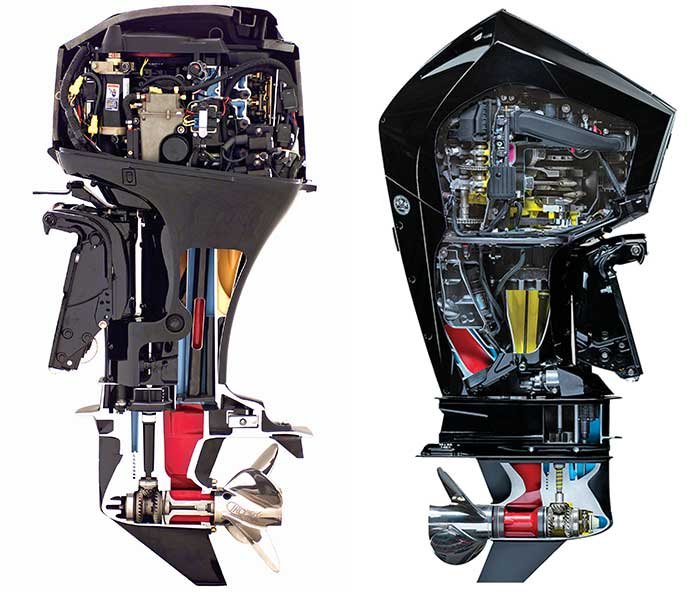
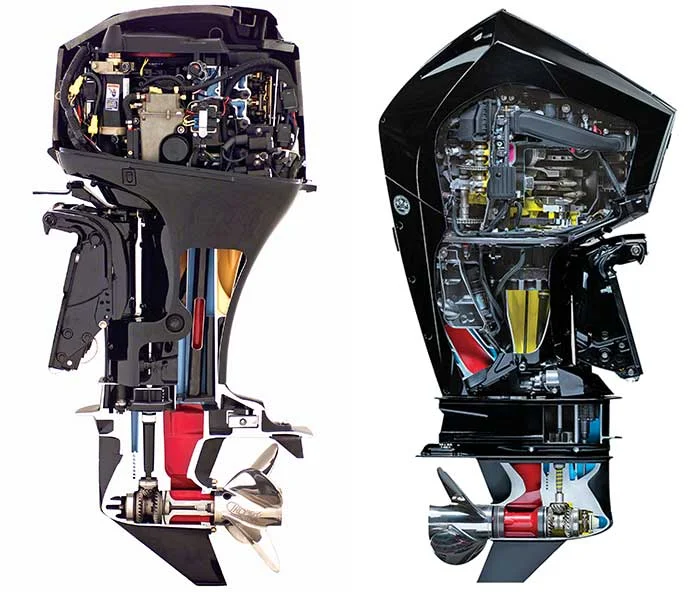
The Verado line is one of Mercury’s clearest engineering signatures and worth understanding as part of authenticity awareness. Supercharging on the inline-6 and V8 Verado models delivers strong torque across the rev range rather than just at the top end, paired with a sound-dampening cowling that keeps noise down despite the extra power on tap. It’s a precision-engineered system that’s genuinely difficult for unauthorized manufacturers to replicate, which makes smooth, quiet, supercharged performance a reasonably good secondary signal of authenticity on top of the serial number check you should always do regardless.
SmartCraft, Joystick Piloting, and Digital Controls
Another detail worth knowing: Mercury’s SmartCraft system ties throttle, shift, and engine diagnostics together digitally, and on larger multi-engine installs it enables Joystick Piloting for precise low-speed maneuvering around docks. This level of integration is unique to Mercury’s own electronics architecture and not something counterfeiters or unauthorized rebuilders can convincingly replicate, since it depends on proprietary software as much as hardware. If a used engine you’re looking at claims SmartCraft compatibility, verifying that against Mercury’s records is one more layer of confidence beyond the basic serial check.
How to Choose the Right Mercury Engine
- Small tenders and inflatables: The 2.5 to 20 HP portable range keeps weight low for easy transport and mounting on smaller hulls.
- Aluminum fishing boats and jon boats: The 25 to 60 HP FourStroke range typically fits here, depending on hull size and load.
- Center consoles and mid-size boats: The 90 to 250 HP range, including Pro XS for anglers who want extra hole shot, is where most recreational buyers land.
- Offshore and performance applications: The 300 to 600 HP Verado range, up to the flagship V12, delivers serious speed and handling for larger hulls.
Shaft length and gearcase choice matter as much as horsepower. Measure your transom height accurately before ordering, and if your boat regularly carries heavy loads, ask about Command Thrust gearcase options, which use a lower gear ratio and larger-diameter prop for better low-speed pushing power.
Rigging and Propeller Selection
Getting the most from a genuine Mercury marine engine comes down partly to propeller choice. Stock aluminum props handle general use fine, but heavier boats loaded with gear typically do better with a slightly lower pitch to improve hole shot, while lighter boats running mostly flat water can pick up extra RPM at wide-open throttle with a higher pitch prop. Mercury’s own stainless props, like the Enertia and Revolution lines, are worth considering for buyers chasing more top-end performance once they’ve confirmed the engine itself is genuine.
Corrosion Protection in Practice
Genuine Mercury engines carry a strong anti-corrosion reputation among saltwater users, helped on larger models by MerCathode, an active corrosion protection system that supplements standard sacrificial anodes. Even with that system in place, flush the engine with fresh water after every saltwater outing using the built-in flush port, inspect anodes at least twice a season, and rinse the cowling and external connectors regularly to prevent salt buildup around electrical contacts.
Maintenance on a Genuine Mercury Engine
Routine service follows the standard four-stroke schedule: oil and filter changes every 100 hours or annually, spark plug replacement on the same interval, water pump impeller inspection roughly every 300 hours or three years on most FourStroke models, and gear oil service annually, especially with regular saltwater use. Sticking to Quicksilver oil and Mercury-specified parts during this routine matters more than owners sometimes realize, since non-genuine substitutes can affect performance and, in some cases, void warranty coverage even when the underlying engine is authentic.
A Brief History of Mercury Marine
Mercury Marine was founded in 1939 in Wisconsin and built its reputation on performance engineering, from early racing outboards through the modern supercharged Verado line. That performance-first culture is part of why Mercury’s technology, like SmartCraft and Verado’s supercharging, tends to be difficult for unauthorized manufacturers to replicate convincingly. Mercury’s status as one of the largest global outboard brands is also exactly why it’s occasionally targeted by counterfeiters in less regulated markets.
Buying New vs. Used Genuine Mercury Engines
A new genuine Mercury engine comes with full factory warranty and current fuel-injection and digital control technology, at a price premium over a used unit. A well-maintained used genuine Mercury engine can represent strong value, provided verification checks out cleanly. When buying used, always ask for compression test results, service history, hours if known, and confirmation of the serial number against Mercury’s records. We test every used unit before listing and describe condition honestly, including any known issues.
Genuine Mercury Engines vs. Other Major Brands
Buyers comparing genuine Mercury marine engines against Yamaha, Suzuki, and Honda are typically weighing performance technology and brand recognition against dealer network breadth and resale value in specific regions. Yamaha and Suzuki both offer strong reliability reputations and, in some cases, wider dealer coverage in certain markets. Honda is known for exceptional smoothness but a narrower top-end horsepower range. Where genuine Mercury marine engines consistently compete well is raw performance: the supercharged Verado line and Pro XS models deliver a combination of speed, torque, and digital integration that’s hard to match elsewhere in the industry.
Repowering With a Verified Genuine Mercury Engine
A large share of buyers looking for genuine Mercury marine engines aren’t outfitting a new boat, they’re repowering an older hull that’s outgrown its original engine or is nearing the end of its service life. Repowering with a verified genuine Mercury engine protects the investment you’re making twice over: you get modern fuel efficiency and reliability, and you know the warranty and parts support you’re paying for is actually valid. Before repowering, confirm your transom is rated for the new engine’s weight and horsepower, and double check your boat’s maximum horsepower rating, usually posted on a capacity plate near the helm.
Trailering and Winter Storage
If you trailer your boat or lay it up for winter, a few habits protect your investment in a genuine Mercury marine engine. Always trim the engine down for trailering rather than leaving it tilted, since a raised outboard bouncing on rough roads puts unnecessary stress on the tilt tube and mounting bracket. Before storage, run fogging oil through the cylinders, stabilize the fuel, and change the gear oil if it’s due, since old gear oil left sitting over winter is one of the more common causes of internal corrosion found during spring service.
Documentation We Provide With Every Sale
Every genuine Mercury marine engine we sell ships with documentation confirming the verified serial number, our inspection findings, and, where available, the original dealer sale history. Keep this documentation with your boat’s records the same way you’d keep a vehicle title, since it protects you if a warranty question or resale situation comes up years down the line.
Worldwide Shipping
We ship genuine Mercury marine engines internationally by sea and air freight, with crating, insurance, and export documentation handled on our end. We’ve shipped Mercury engines to customers across Africa, the Caribbean, Southeast Asia, the Middle East, Latin America, and Europe, managing customs classifications so the engine arrives ready to mount rather than delayed at port while paperwork gets sorted. Every export includes documentation confirming the unit’s verified serial number and authentic origin.
Bulk, Fleet, and Financing Orders
Dealers, charter operators, and commercial fleets sourcing genuine Mercury marine engines in volume should reach out directly. We verify every unit individually regardless of order size, and we arrange consolidated shipping and volume pricing for multi-unit orders, which keeps per-unit freight costs reasonable compared to ordering engines individually over time. If you’re outfitting a fleet, tell us the quantity and timeline and we’ll work out a plan with full verification documentation for every unit.
Red Flags When Shopping Elsewhere
If you’re comparing listings beyond what we have in stock, a few warning signs are worth watching for: a seller who won’t provide a serial number before payment, a price significantly below market for the claimed model and condition, missing or inconsistent documentation, and reluctance to let you verify the serial number independently with a dealer before completing the purchase. None of these automatically means a listing is fraudulent, but any of them is a reason to slow down and verify carefully before you send money.
Mercury’s Global Manufacturing and Serial Consistency
Mercury Marine builds outboards primarily in the United States, with quality control processes that keep serial numbering and component sourcing consistent across the global lineup. A genuine Mercury marine engine, wherever it’s ultimately sold, still carries Mercury’s official serial numbering and passes through the same quality control process, unlike unauthorized copies produced entirely outside the company’s supply chain. If you’re ever unsure whether a specific unit’s origin affects its authenticity, an authorized dealer serial lookup resolves the question directly rather than leaving you to guess.
Why We Verify Every Engine Before Listing
We’ve built our process around the exact problem this guide addresses: buyers want certainty that what they’re paying for is real. Every genuine Mercury marine engine that comes through us gets a serial number check, a physical inspection for mismatched or non-genuine components, and a compression test before it’s ever listed for sale. We turn away units that don’t check out cleanly rather than risk selling something we can’t fully stand behind, which is a slower way to run inventory but it’s the reason customers keep coming back when they need another engine down the line.
Mercury Engines for Commercial and Workboat Use
Beyond recreational buyers, we regularly supply verified genuine Mercury marine engines to commercial operators: ferry tenders, dive boat operators, small-scale fishing fleets, and water taxi services. Mercury’s SeaPro and Command Thrust models, built specifically for continuous-duty commercial use with heavier-duty components and lower gear ratios for pushing loaded hulls, make the mid-to-large horsepower range a common choice for operators who run engines hard for extended hours day after day. Documentation and verification matter even more in commercial applications, where insurance and regulatory compliance often require proof of an engine’s authentic origin.
Fuel Economy Across the Lineup
Electronic fuel injection across most of Mercury’s current range, combined with Adaptive Speed Control on select models that automatically adjusts idle for smoother, more efficient low-speed running, helps genuine Mercury marine engines deliver competitive fuel economy against Yamaha and Suzuki. For buyers running long distances between fuel stops, whether on offshore trips or inter-island runs, that efficiency translates directly into range and lower operating cost over a season of use.
Twin and Triple Engine Rigging
Larger center consoles and commercial hulls increasingly run twin, triple, or even quad genuine Mercury marine engines rather than a single big block, and there’s a reason beyond raw horsepower. Multiple smaller engines give you redundancy if one develops a problem offshore, and Mercury’s Joystick Piloting system, available on multi-engine Verado and Pro XS installs, makes docking a two or three engine boat dramatically easier than fighting independent throttles by hand. If you’re speccing a new build or considering a switch from single to multiple engines, factor in that each engine still needs its own verified serial number and documentation, the same rules apply whether you’re buying one genuine Mercury marine engine or four.
Setting Realistic Expectations Before You Buy
We’d rather be upfront than oversell this: verification takes a little extra time up front, and it’s worth every minute of it. A genuine Mercury marine engine with clean documentation costs the same or close to it as an unverified listing, but it protects your warranty, your resale value, and your ability to source parts without guesswork for years afterward. If a deal looks too good to be true on price with no willingness to verify, it usually is. We’re honest about condition and origin on every unit we list precisely because that honesty is what keeps buyers coming back specifically when they want genuine Mercury marine engines rather than gambling on an unknown listing.
Common Questions About Genuine Mercury Marine Engines
How do I check if a Mercury outboard is genuine?
Look up the serial number on the transom bracket with an authorized Mercury Marine dealer, and inspect fasteners and cowling fit for consistency with Mercury’s official build quality.
What horsepower range do genuine Mercury marine engines cover?
From 2.5 HP portable engines up to the 600 HP V12 Verado, covering nearly every recreational and commercial application on the water.
What is Command Thrust?
A Mercury gearcase option, available on SeaPro and select FourStroke models, that uses a lower gear ratio and larger prop diameter for better low-speed pushing power on heavier boats.
Do you ship internationally?
Yes, we export worldwide with sea and air freight options depending on your timeline and budget, with verification documentation included.
What should I do if a seller won’t provide a serial number?
Treat it as a serious red flag and walk away. Legitimate sellers of genuine Mercury marine engines have nothing to hide and will readily provide serial numbers for verification.
Is a used genuine Mercury marine engine a safe purchase?
Yes, provided the serial number checks out and the engine has been properly inspected. We verify every used unit before listing.
Ready to Buy Genuine Mercury Marine Engines
Whether you need a small portable engine or a full offshore repower with a supercharged Verado, we can help you source a verified genuine Mercury marine engine and get it shipped to your location. Tell us your boat’s horsepower rating, transom height, and typical use, and we’ll confirm current availability, verification documentation, and a shipping quote. You can also browse our other outboard motor buying guides, including our full Mercury outboards buying guide, our Mercury FourStroke, Pro XS and Verado guide, and our guide to verifying genuine outboard motors generally, if you’re still comparing options.
For official specifications, current model lineups, and warranty details straight from the manufacturer, Mercury Marine’s official site maintains full documentation on the current range.
Posts Widget
- 1

- 2

- 3

- 4


S.H Continental Marine
USA HERALD MAGAZINE INC
Our team is dedicated to providing exceptional customer service.
Email: info@shcontinentalmarine.com
Choose S.H Continental Marine
for your outboard engine needs and enjoy superior quality, exceptional customer service, and unbeatable prices.
