
Marine Engines for Export: A Straight-Talk Guide to Specs and Shipping
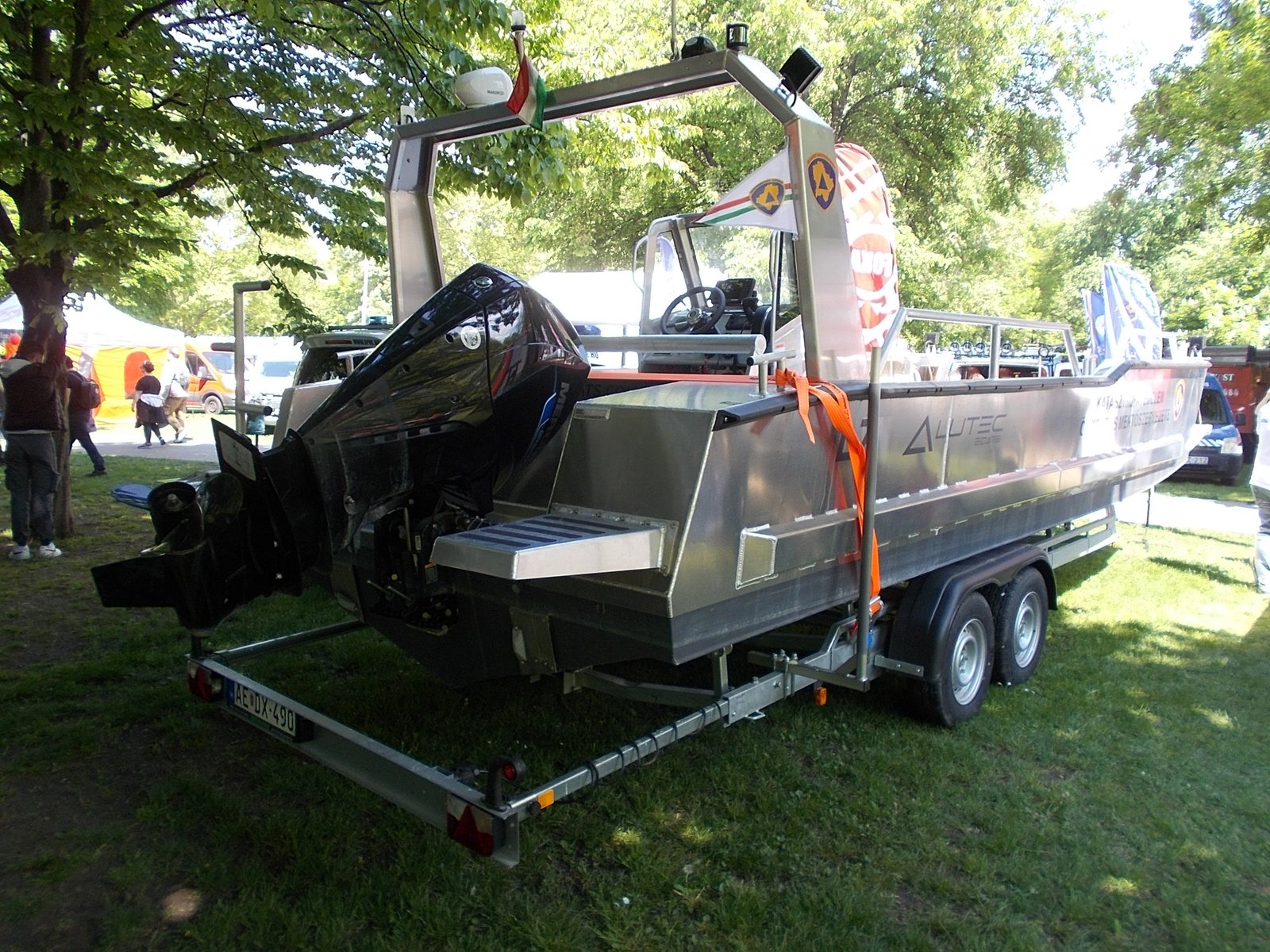
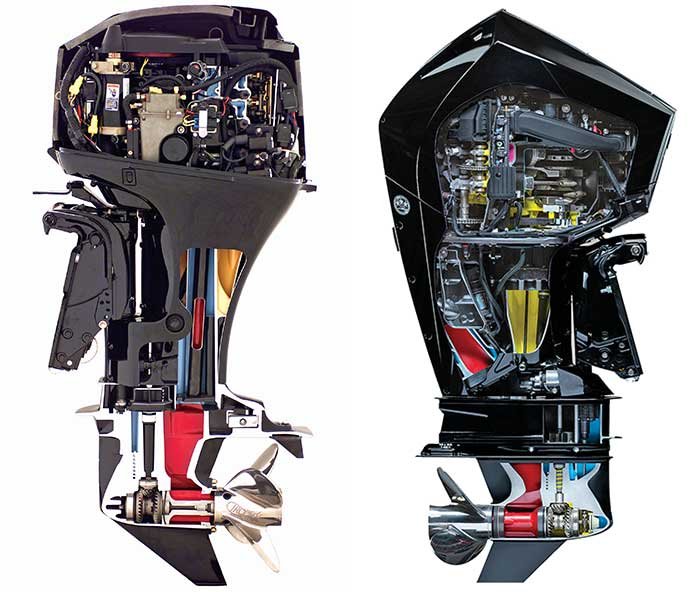
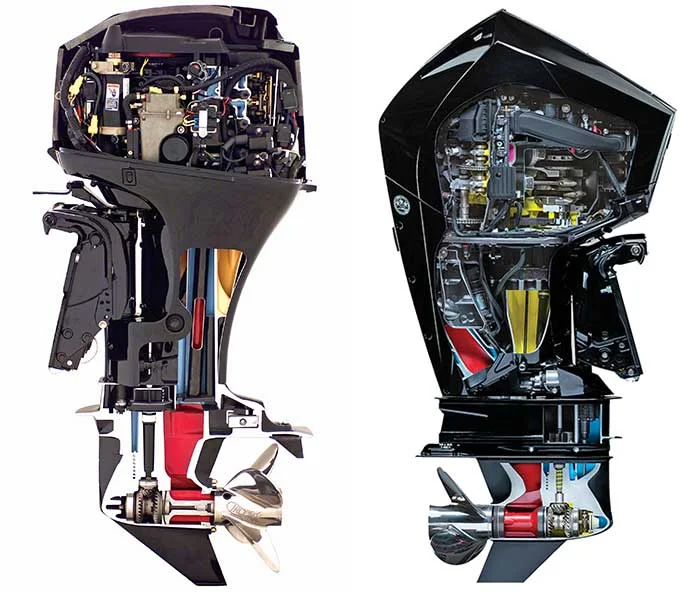
“Marine engine” is the umbrella term — it covers outboards, sterndrives, and inboards — but for the vast majority of buyers contacting us about marine engines for export, what they actually need is an outboard, and for good reason. Outboards are simpler to ship, easier to inspect thoroughly before they leave the warehouse, and far more forgiving to install once they land, which matters a lot when the installer might be working without a manufacturer-trained technician nearby. This is a plain look at what exporting a marine engine actually involves, the specs that matter most, and where outboards specifically make the whole process easier than the alternatives.
n
Why Outboards Dominate the Export Market
Sterndrives and inboards are bolted into the hull, wired into a driveline, and typically require a qualified installer to set up correctly — not something you want to discover you’re missing after a marine engine has already cleared customs in a country without a dealer network for that brand. Outboards bolt to the transom, connect through a standardized set of control and fuel lines, and can reasonably be installed by a competent local mechanic almost anywhere in the world. That’s the core reason marine engines for export requests so heavily skew toward outboard motors once buyers understand the tradeoff, particularly for buyers in regions without an established dealer network for a specific inboard or sterndrive brand.
Specs That Matter Most on an Export Order
| Spec | Export Relevance |
|---|---|
| Horsepower and displacement | Confirms correct match to hull rating, which some destination countries check during registration |
| Shaft length | Wrong length is the single most common and most expensive export ordering mistake |
| Weight (dry/wet) | Affects both freight cost and whether the transom can safely carry the engine |
| Fuel induction (carbureted/EFI) | Carbureted engines are generally easier to service without specialized diagnostic tools in remote locations |
| Cooling and corrosion protection | Matters more in tropical, high-salinity destinations than in the country the engine originally shipped from |
These specs are documented on every listing we export, including engines like the Yamaha 50 HP T50LB and the Yamaha 40 HP F40JEA, so a buyer knows exactly what’s arriving before it ships.
Preparing a Marine Engine for International Transit
The prep sequence doesn’t change much regardless of the specific engine class, though outboards are considerably easier to execute cleanly. Fuel systems get drained or stabilized to prevent gum and varnish buildup over a multi-week transit. Cooling passages are flushed and fully drained. Electrical connections are protected against humidity and vibration. And the whole unit gets crated with internal bracing rather than shrink-wrapped to a pallet, since that’s the difference between an engine that arrives exactly as it left and one that shows up with a cracked cowling from careless port handling.
Emissions and Regulatory Considerations by Destination
Some countries apply emissions restrictions on imported marine engines, particularly around older carbureted two-stroke technology. This varies enough by country that it’s worth confirming before ordering rather than assuming any engine can be imported anywhere without restriction. We can advise based on what we’ve seen from prior shipments to a given region, though the final authority is always your destination country’s own import regulations.
Documentation for Marine Engine Exports
- Commercial invoice with accurate declared value and full engine identification
- Packing list matching the crate’s actual contents
- Bill of lading or air waybill for tracking and customs release
- Engine serial number documentation, useful for both customs and any future warranty or resale needs
Frequently Asked Questions
Do you export sterndrive or inboard marine engines as well as outboards?
Our core inventory and expertise is in outboard motors, which is also what the overwhelming majority of export buyers end up needing once they weigh in installation complexity at the destination.
What’s the biggest mistake buyers make ordering marine engines for export?
Ordering by horsepower alone without confirming shaft length and weight against their actual boat, which causes far more post-delivery headaches than any shipping issue does.
How is a marine engine protected during a multi-week ocean voyage?
Proper fuel and cooling system draining, secured electrical connections, and a purpose-built crate with internal bracing, not a shrink-wrapped pallet.
For an overview of how marine spark-ignition engine emissions are regulated, the U.S. EPA’s marine engine emissions page is a useful reference point, even for buyers outside the U.S., since many destination markets base their own standards on similar frameworks.
How Buyers Typically Decide Between Engine Classes
Most buyers reaching out about marine engines for export haven’t fully settled on outboard versus sterndrive before the conversation starts, so it’s worth walking through how that decision usually shakes out. Sterndrives offer some performance and interior layout advantages on larger recreational boats, but they need a qualified marine mechanic for installation and ongoing service, plus a steady supply of brand-specific parts. For a buyer in a market with an established dealer network for that brand, that’s a non-issue. For a buyer in a market without one, it turns every future service need into a logistics problem. Outboards sidestep almost all of that — they bolt on, they’re serviceable by a broader range of mechanics, and parts commonality across model years within a brand tends to be better than with sterndrive drivetrains. This is why, in practice, the overwhelming majority of our export orders end up being outboards even when the buyer initially asked more generally about marine engines.
Matching Engine Class to Boat Type and Use Case
Fishing and transport vessels in the 15 to 30 foot range, which make up the bulk of export demand we see, are almost universally better served by outboards — easier tilt-up for shallow water and beach launching, simpler maintenance, and better resale liquidity if the buyer ever wants to sell the boat locally. Larger recreational cruisers or performance boats are where sterndrive and inboard configurations start making more sense, but those buyers are also more likely to have access to brand-specific service support already, which changes the calculation. If you’re unsure which category your boat and use case fall into, describing your hull length, typical load, and where you’ll be operating gives us enough to make a specific recommendation rather than a generic one.
Freight and Handling Differences by Engine Type
Outboards crate efficiently because they’re a single self-contained unit — engine, gearcase, and prop all in one package with predictable dimensions. Sterndrive and inboard packages typically ship as multiple separate components (engine block, outdrive, control systems) which increases both crating complexity and the number of things that can go wrong or go missing in transit. This is one more practical reason outboards remain the more straightforward and more commonly exported option, and why our shipping process, refined specifically around outboard crating, tends to run more predictably than a one-off sterndrive shipment would.
What to Have Ready Before You Request a Quote
- Boat make, model, and length, plus current or intended transom height
- Primary use case — fishing, transport, leisure, or commercial
- Destination port or city, since this drives both freight cost and estimated transit time
- Any known local fuel quality or regulatory considerations specific to your country
Having these details ready when you reach out lets us give you an accurate recommendation and quote on the first pass instead of several rounds of back-and-forth.
Cost Comparisons Worth Running Before You Commit
Buyers evaluating marine engines for export often compare only the sticker price of the engine itself, which misses most of the real cost picture. A full comparison should include freight to your port, import duty and any local taxes, a customs broker fee if you use one, inland trucking from the port, and, for sterndrive or inboard configurations specifically, the cost of a qualified installer if one isn’t already part of your team. Once all of that is factored in, outboards frequently come out ahead even before accounting for the simpler long-term maintenance picture, which is part of why they remain the default recommendation for the majority of export buyers we work with, regardless of the engine class they originally asked about.
Parts Availability After the Sale
This is an underrated factor in choosing between engine classes for an export order. Outboard parts — water pump impellers, spark plugs, fuel filters, gearcase seals — are broadly standardized within a brand and widely stocked by third-party suppliers in addition to official dealer networks, which matters enormously if you’re operating somewhere without a manufacturer-authorized service center nearby. Sterndrive and inboard parts are more often brand- and even model-specific, with narrower distribution outside major markets. If ongoing serviceability in your specific region is a priority, and for most export buyers it should be, this is one of the clearer arguments in favor of outboards over the alternatives.
What We Can and Can’t Help With
We’re upfront about where our expertise is strongest. Outboard motors across Yamaha, Suzuki, Honda, Mercury, and Tohatsu are our core business, and that’s where we can give you the deepest technical detail, the most thorough pre-shipment inspection, and the most refined export process. If your project genuinely requires a sterndrive or inboard configuration, we’ll say so directly rather than trying to fit a square peg into a round hole just to make a sale, and we’re happy to point you toward the right kind of specialist for that specific need.
A Realistic Look at Delivery Timing
For most destinations, plan on three to eight weeks of ocean transit once the crate leaves port, with an additional few days for pre-shipment inspection and crating on our end, and however long customs clearance takes once it lands, which ranges from same-day to a couple of weeks depending on your local process and whether the shipment is selected for physical inspection. Air freight is available for smaller outboards when timing is genuinely critical, typically cutting that window down to under two weeks total, at a meaningfully higher cost per kilogram than ocean freight.
Why Buyers Come to Us Instead of a Generic Freight Broker
A freight broker can move a crate from point A to point B, but they typically have no opinion on whether the engine inside was properly prepped before it was sealed up, and no ability to answer a technical question about the unit itself. Buying marine engines for export from a seller who is also the one handling the mechanical prep and export documentation removes that gap entirely — one point of contact who can answer both the engineering question and the logistics question, rather than two separate parties who each only know half the picture and point fingers at each other if something goes wrong.
Final Word
Buying marine engines for export comes down to matching the right engine class to your installation reality, then working with a seller who preps and documents it properly for the trip. For the vast majority of buyers, that means an outboard, prepped, crated, and shipped by someone who’s done this hundreds of times rather than a generalist figuring it out on your order. Tell us your boat and destination and we’ll walk you through exactly what fits.
Posts Widget
- 1

- 2

- 3
- 4


S.H Continental Marine
USA HERALD MAGAZINE INC
Our team is dedicated to providing exceptional customer service.
Email: info@shcontinentalmarine.com
Choose S.H Continental Marine
for your outboard engine needs and enjoy superior quality, exceptional customer service, and unbeatable prices.
