
Outboard Motors Direct: Buy Genuine Marine Engines Straight From Our Stock
If you’ve spent any time shopping for a new engine, you already know the runaround. You call one place, they don’t have the model. You call another, and the price jumps $2,000 the moment you mention shipping. A lot of buyers end up going through three or four middlemen before an engine even leaves a warehouse, and every one of those middlemen adds a markup. That’s the whole reason we exist — we sell outboard motors direct from our own stock, no broker in the middle, no reseller taking a cut, no “let me check with our supplier” phone tag.
We’re a working marine engine dealer, not a lead-generation website that forwards your inquiry to someone else. Every engine listed in our catalog is something we physically have, tested, and ready to crate. When you buy outboard motors direct from us, you’re skipping the auction houses, skipping the flippers, and skipping the “call for pricing” games that waste a week of your life.
What “buying direct” actually changes
People throw the word “direct” around a lot in this industry, so let’s be specific about what it means here. When you buy outboard motors direct through our shop:
- You see the real price up front — the number on the page is the number you pay, not a “starting from” figure.
- You’re dealing with the people who inspected the engine, not a call center reading off a spreadsheet they’ve never seen in person.
- There’s no reseller sitting between the compression test and your invoice, quietly adding their margin.
- Shipping is arranged from our warehouse straight to your port, marina, or freight forwarder — not routed through a third party’s logistics desk.
That last point matters more than people expect. A lot of “outboard motors direct” listings you’ll find online are actually drop-shipped from somewhere else entirely, and the seller has never laid hands on the unit. We don’t do that. If a listing is live, the motor is sitting in our facility right now.
The range we keep in stock
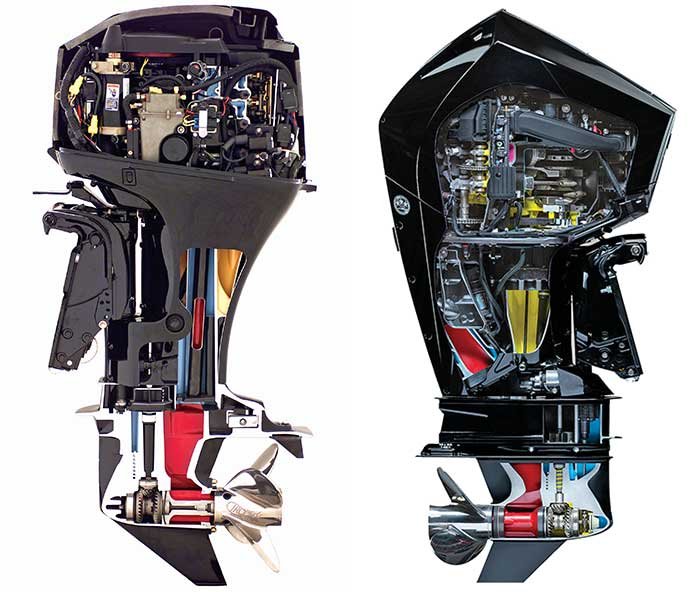
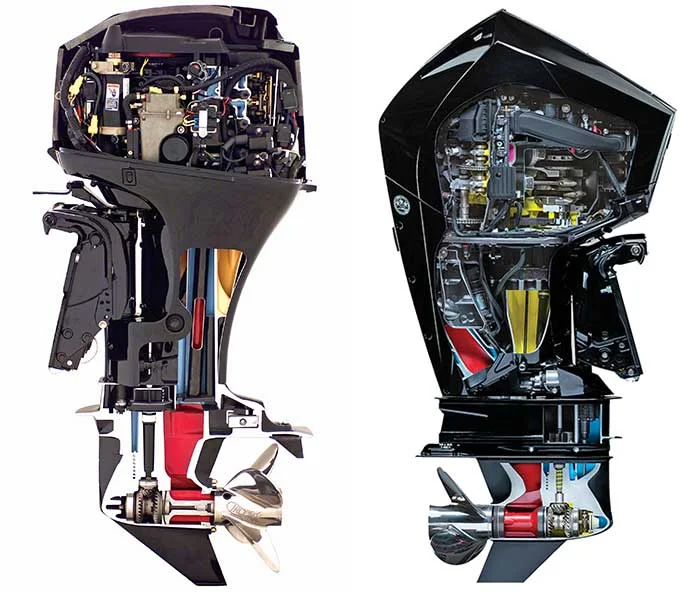
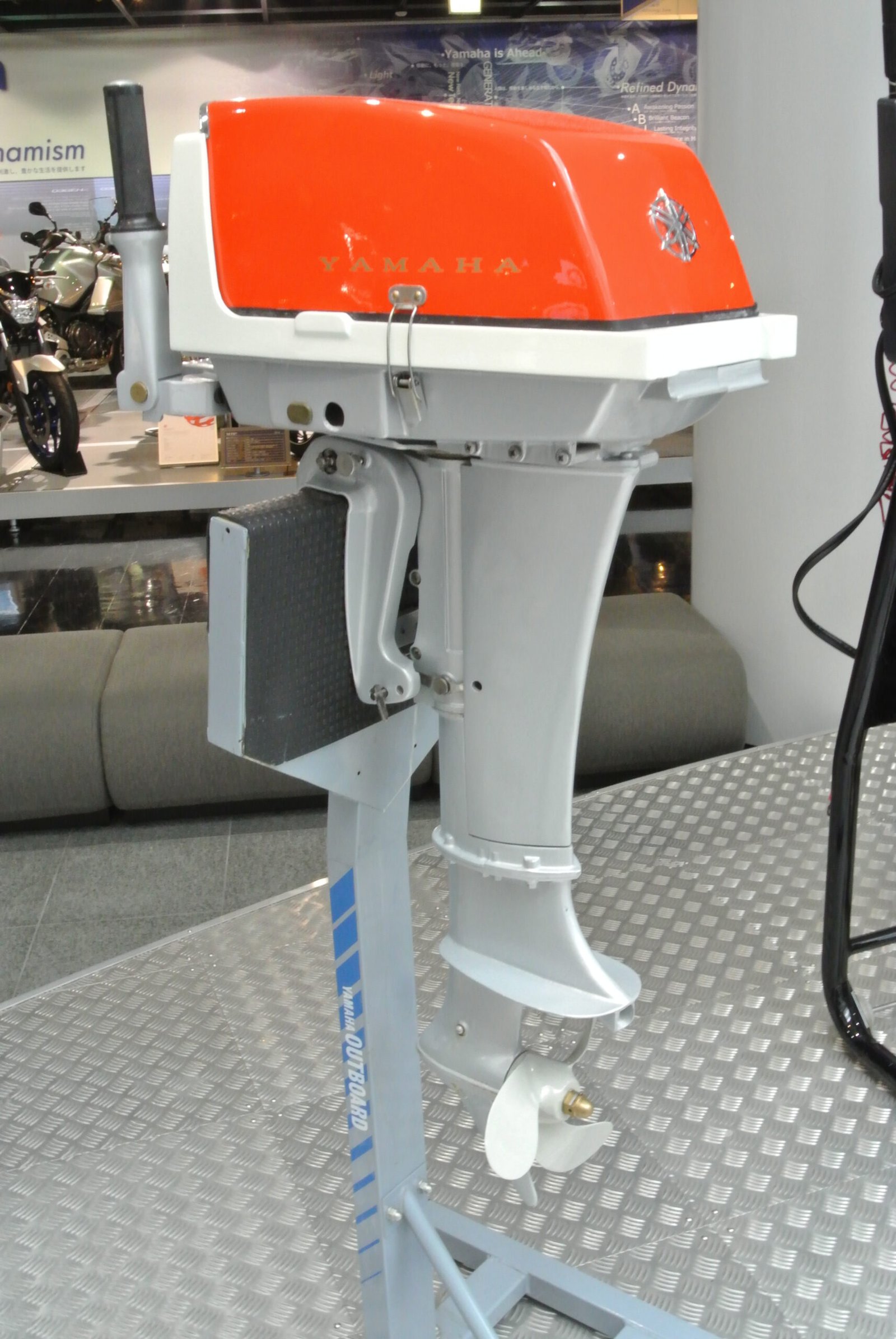
We carry Yamaha four-stroke outboards from portable 6 HP tiller units all the way up to 425 HP V8 offshore engines, and most of what’s in between. Here’s a sample of what’s currently sitting on the shelf, with the kind of spec detail you actually need before you commit to a purchase:
Yamaha 90 HP F90XB
- Displacement: 1,832 cc, inline 4-cylinder, DOHC 16-valve
- Weight: approximately 165 kg depending on shaft length
- Full throttle RPM range: 5,000–6,000 rpm
- Fuel system: electronic fuel injection
- Starting: electric
- Alternator output: 44 amp
- Gear ratio: 2.15:1
Priced at $5,130, this one is a common repower choice for center consoles and pontoon boats that need real mid-range torque without stepping up to a six-cylinder. Full listing and photos are on the Yamaha 90 HP F90XB product page.
Yamaha 60 HP F60LB
- Displacement: 995 cc, inline 4-cylinder
- Weight: around 116 kg
- Fuel system: EFI
- Lubrication: wet sump
- Ignition: TCI (transistor controlled)
- Steering: remote
Listed at $4,780, this is a reliable mid-range choice for aluminum fishing boats and small center consoles — see the full spec sheet on the Yamaha 60 HP F60LB page.
Yamaha 425 HP V8 Offshore (LXF425ESA2)
- Displacement: 5,559 cc V8
- Weight: roughly 288 kg
- Shaft length: 35″ available (25″ and 30″ also stocked)
- Induction: dual overhead cam, 32-valve, direct fuel injection
- Alternator: 50 amp
- Gear ratio: 2.00:1
At $23,700, this is the flagship, built for center console boats running twin or triple setups offshore. You’ll find the shaft-length options broken out on the 425 HP V8 listing.
Yamaha 9.9 HP T9.9XPHB
- Displacement: 232 cc, inline 2-cylinder
- Weight: around 41 kg
- Full throttle range: 5,000–6,000 rpm
- Fuel: carbureted
- Starting: manual pull-start with power tilt option
Priced at $2,065, this small block is a favorite for tenders, dinghies, and as a kicker motor on larger rigs. Details on the 9.9 HP T9.9XPHB page.
That’s four engines out of dozens. If you don’t see your exact horsepower or shaft length here, it’s worth checking our full outboard motor inventory before assuming we don’t have it — new units get added as they’re inspected and photographed.
Why cutting out the middleman actually saves money (and headaches)
Every extra hand an engine passes through before it reaches you adds cost. A broker who never touches the motor still needs their fee. A reseller warehousing units on consignment needs their margin too. None of that shows up as a clean line item — it’s baked into the “asking price” you see. When you buy outboard motors direct, you’re removing those layers, and the savings are real, not marketing copy.
There’s a second, less obvious benefit: accountability. If something’s off with a direct-sold engine — a mismatched prop, a shipping crate that arrived dented — there’s exactly one company to call, and it’s the one that sold it to you. No “that’s actually the shipper’s problem” or “you’ll need to take that up with the original seller.” We handled the inspection, we handled the crating, and we handle it if something needs sorting out afterward.
What to check before you buy any used or new outboard
Whether you buy from us or anywhere else, a few things are worth confirming before money changes hands:
- Compression numbers. Ask for actual PSI readings per cylinder, not just “it runs great.”
- Hour meter reading, if the engine has one, and whether it matches the service history.
- Corrosion on the powerhead and lower unit — saltwater use without proper flushing leaves visible signs.
- Shaft length matched to your transom height — this is the single most common mismatch buyers run into.
- Prop pitch and diameter, since the wrong prop can make a perfectly good motor feel underpowered.
Every listing on our site includes this information because we’ve already done the checks. That’s part of what “direct” is supposed to mean — you’re not buying blind.
Worldwide shipping, handled properly
We crate and ship outboard motors internationally on a regular basis, and the process is more involved than people expect the first time they do it. Engines need to be drained of fuel, secured to prevent movement in transit, and documented correctly for customs in the destination country. We build the crate around the specific engine — a 9.9 HP portable doesn’t need the same handling as a 425 HP V8 — and we provide tracking and documentation the whole way.
If you’re importing into a country with specific marine engine emissions or registration requirements, it’s worth checking the standards published by the International Maritime Organization and comparing them against the engine’s certification before you order, since requirements vary by region. For US-based buyers, the U.S. Coast Guard’s recreational boating safety division publishes clear guidance on horsepower ratings and engine installation limits per hull, which is worth a read if you’re repowering rather than buying new-to-you.
A quick word on warranty and support
Because we’re the ones who sold you the engine, warranty support runs through us directly. That’s a genuinely different experience than buying through a marketplace listing where the “seller” is really just an account forwarding your message to somebody else three time zones away. If a bracket needs replacing or you need help sourcing a matching prop, you’re talking to the people who have the engine’s history on file, not starting from zero with a stranger.
More engines currently on the shelf
Yamaha 90 HP VF90LA V MAX SHO
- Displacement: 1,832 cc inline 4-cylinder, high-output tuned
- Weight: approximately 163 kg
- Full throttle range: 5,500–6,300 rpm (higher than the standard F90)
- Fuel system: EFI with performance camshaft profile
- Best suited for: bass boats and lighter hulls where hole-shot and top-end speed matter more than fuel economy
Priced at $5,950, this is the performance-tuned sibling to the standard F90 line, and it’s worth the extra cost if you’re running a lighter aluminum or fiberglass bass boat where acceleration off the line makes a real difference. See it on the VF90LA V MAX SHO product page.
Yamaha 75 HP F75LB
- Displacement: 1,596 cc inline 4-cylinder
- Weight: around 156 kg
- Fuel system: EFI
- Charging output: 16 amp
- Steering: remote, power tilt standard
At $5,650, this sits neatly between the 60 HP and 90 HP options for buyers who want a bit more headroom without the extra weight of a bigger block. Details are on the 75 HP F75LB page.
Yamaha 50 HP F50LB
- Displacement: 996 cc inline 3-cylinder
- Weight: roughly 108 kg
- Fuel system: EFI
- Common use: pontoon boats, small center consoles, and as a repower for older carbureted engines
Listed at $4,240, this is one of the more frequently repowered sizes we sell, mostly because so many pontoon boats from the 2000s originally shipped with two-stroke engines that are now past their practical service life. Full specs on the 50 HP F50LB listing.
Matching the engine to the boat, not just the horsepower rating
A horsepower number alone doesn’t tell you whether an engine is right for your hull. We get asked constantly whether a given motor will “work” on a particular boat, and the honest answer depends on a handful of factors beyond the HP figure printed on the cowling:
- Boat capacity plate. Every recreational boat built to US standards carries a capacity plate near the helm listing the maximum rated horsepower. Going over that number isn’t just risky, it can void insurance coverage.
- Transom height. Outboards come in short (15″), long (20″), and extra-long (25″–35″) shaft lengths. Mismatching this causes cavitation, poor handling, and in bad cases, water intake into the exhaust.
- Boat weight and hull design. A flat-bottom jon boat and a deep-V center console of the same length behave completely differently under the same horsepower.
- Intended use. Trolling for bass all day asks something very different of an engine than running offshore at cruise speed for three hours.
If you’re not sure which of our in-stock engines fits your hull, send us your boat’s make, model, and current (or original) horsepower rating and we’ll walk through the shaft length and gear ratio that make sense before you order — not after.
Direct sale versus marketplace listing: what actually changes
| Factor | Buying direct from our stock | Buying through a marketplace listing |
|---|---|---|
| Who inspected the engine | Our own technicians, in person | Often unknown, sometimes never inspected at all |
| Price transparency | Listed price is the price | “Contact for pricing” is common, and quotes shift |
| Shipping | Arranged and crated by us | Frequently subcontracted, tracking can be patchy |
| Warranty support | One point of contact, the seller | Often routed through a third party or unclear |
| Return policy | Clear, stated up front | Varies wildly and is often buried in fine print |
Payment and financing options
We work with buyers on straightforward payment terms, including wire transfer for larger units and financing arrangements for qualified buyers who’d rather spread the cost of a higher-horsepower engine over time. For international orders, we quote landed cost including crating and freight up front so there are no surprise charges when the engine clears customs at your end.
Common questions we get about buying outboard motors direct
Do you sell to individuals, or only dealers?
Both. A large share of our buyers are individual boat owners repowering their own boat, not just fleet operators or resellers.
Can I get a video or additional photos of a specific unit before buying?
Yes — since every engine is physically on our premises, we can walk out and film it running, check compression on camera, or answer specific questions about wear.
What happens if the engine doesn’t match the description on arrival?
Because you bought outboard motors direct from us rather than through a reseller, there’s no dispute about who’s responsible. We stand behind the listing.
Do you carry parts and accessories alongside the engines?
We carry propellers, control boxes, and rigging kits for most of the models we sell, so a repower doesn’t turn into a scavenger hunt for compatible parts.
Where we ship
Worldwide shipping isn’t an afterthought bolted onto the listing page — it’s a normal part of how we do business, since a large share of our buyers aren’t local to begin with. We regularly crate and export engines to buyers across North America, South America, Europe, the Middle East, Africa, Asia, and Australia. Freight cost and transit time depend on the destination port and the size of the engine (a 6 HP portable ships very differently than a 425 HP V8), so we quote each shipment individually rather than using a flat rate that either overcharges small orders or undercharges large ones.
For buyers arranging their own freight forwarder, we’re happy to work with your logistics company directly — we’ll prepare the crate to whatever dimensions and documentation your forwarder specifies, and hand off tracking information as soon as the shipment moves.
What to do in the first 20 hours after your new engine arrives
Buying outboard motors direct gets the engine to your dock, but a few basic steps after delivery make a real difference in how the motor performs long-term, especially if it’s new to you rather than brand new from the factory:
- Check the gear oil level before the first start. Shipping and handling can occasionally loosen a drain plug, and running an outboard low on lower-unit oil is one of the fastest ways to damage a gearcase.
- Flush the cooling system with fresh water using a set of flush muffs before the engine ever touches saltwater, even if it’s brand new.
- Verify the prop is torqued correctly and that the cotter pin or lock nut is properly seated — a loose prop is a common and entirely avoidable failure.
- Break in the engine according to the manufacturer’s schedule if it’s new. Yamaha’s break-in period typically involves varying throttle position for the first several hours rather than running at a fixed RPM.
- Register the warranty promptly if the engine still has factory coverage remaining, since some manufacturers require registration within a set window of the sale.
We include a written summary of the engine’s service history and any remaining factory warranty with every unit we sell, so you’re not guessing at what’s already been done and what’s coming up next.
A note on used versus new when buying direct
Not every buyer needs a brand-new powerhead, and honestly, a well-maintained used outboard with low hours can be a smarter purchase than a new one at a much higher price point. The engines we stock range from late-model low-hour units to current-year new stock, and every listing states clearly which category it falls into along with an honest hour count where applicable. If low hours matter more to you than a factory-fresh serial number, ask — we can usually point you toward the best value option in a given horsepower range rather than just the newest one.
Bottom line
Buying outboard motors direct isn’t a slogan for us — it’s the actual structure of how we operate. No consignment lots, no drop-shipping, no “we’ll get back to you” while somebody checks with a supplier three states away. We inspect the engines, we price them honestly, we crate them ourselves, and we stand behind them after the sale. Browse the current stock in our shop, or if you know the exact model and horsepower you need, reach out and we’ll tell you straight away whether we have it sitting on the shelf.
Posts Widget
- 1

- 2

- 3
- 4


S.H Continental Marine
USA HERALD MAGAZINE INC
Our team is dedicated to providing exceptional customer service.
Email: info@shcontinentalmarine.com
Choose S.H Continental Marine
for your outboard engine needs and enjoy superior quality, exceptional customer service, and unbeatable prices.
