
Used Mercury Outboard Motors For Sale: Specs, Prices & Buying Guide

Mercury has one of the strongest brand followings on the water, and that reputation carries a real price tag when you’re shopping new — especially once you’re into Verado territory. That’s why so many owners search for used Mercury outboard motors for sale the moment a repower comes up instead of paying full retail. We stock a deep range of tested used Mercury outboards, from the 200hp Verado through the 350hp flagship, and here’s what’s actually available and what matters when you’re buying one.
Why Mercury Holds Its Reputation Used
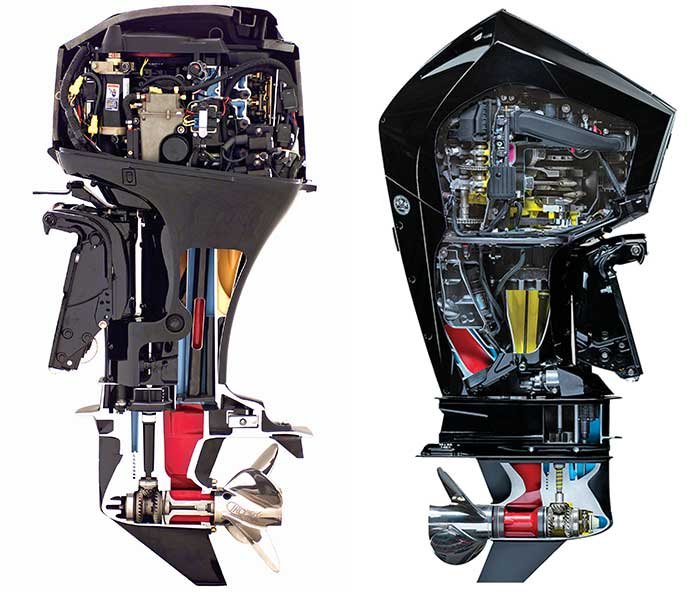
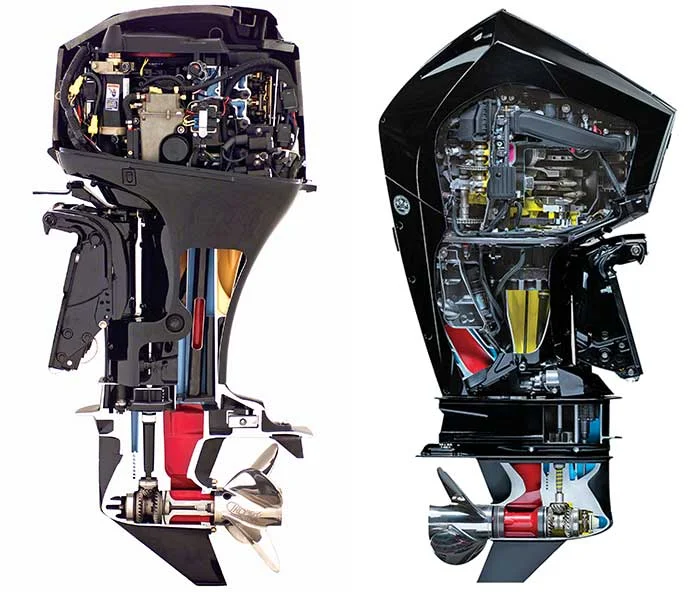
Mercury’s Verado line brought supercharging to the outboard world and changed what people expected from a four-stroke — smooth power delivery, genuinely quiet running for the horsepower, and strong mid-range torque that makes a heavy center console or pontoon feel lighter than it is. That engineering doesn’t disappear once a motor has some hours on it, which is exactly why used Mercury outboard motors for sale hold value well compared to lesser-known brands at similar hours.
Mercury Outboards We Stock (With Real Specs)
200HP Verado
The entry point into Mercury’s supercharged lineup, the Mercury 200XL Verado delivers smooth, quiet power for mid-size center consoles and bay boats. It’s a strong choice for owners who want Verado refinement without stepping up to the bigger displacement units.
225HP Optimax
For owners specifically looking at Mercury’s two-stroke direct-injection lineup, the Mercury 225hp Optimax XL Shaft offers excellent power-to-weight compared to a four-stroke of similar output, with the direct-injection system solving most of the fuel economy and emissions concerns that older two-strokes had.
300HP: Verado and Four Stroke
Mercury builds two distinct 300hp platforms, and we carry both. The standard 300HP CXL Four Stroke is a naturally aspirated inline-6, while the Verado 300HP CL adds the supercharger for a noticeably different power curve and quieter operation. Buyers choosing between the two are usually weighing straightforward reliability against the smoother, more refined Verado experience.
350HP: The Verado Flagship
At the top of Mercury’s outboard lineup sits the Verado 350 — a supercharged inline-6 that delivers serious thrust for large center consoles, sport fishing boats, and multi-engine offshore setups. We regularly stock several configurations of this motor and it’s one of the most requested used units we carry, since new pricing on this platform is significant.
| Model | Configuration | Power | Best For |
|---|---|---|---|
| Verado 200 | Supercharged inline-4 | 200 hp | Mid-size center consoles, bay boats |
| Optimax 225 | 2-stroke direct injection V6 | 225 hp | Lighter, power-focused hulls |
| 300 Four Stroke | Naturally aspirated inline-6 | 300 hp | Reliable offshore power |
| Verado 300 | Supercharged inline-6 | 300 hp | Quieter, refined offshore power |
| Verado 350 | Supercharged inline-6 | 350 hp | Large center consoles, sport fishing |
What to Check Before Buying a Used Mercury Outboard
- Compression across all cylinders, documented with real numbers, not a general condition rating.
- Supercharger condition on Verado units — check for unusual noise or play in the supercharger drive, since this is a component unique to the Verado platform that doesn’t exist on naturally aspirated motors.
- Hours logged, verified against the digital gauge, not estimated.
- Direct-injection system condition on Optimax units — the injectors and oil injection system should be tested specifically, since this technology behaves differently from a standard four-stroke.
- Lower unit and gear case seals, checked for fishing line damage and gear oil contamination.
- Corrosion at the powerhead and trim system on any unit that ran in saltwater.
Every used Mercury outboard we sell goes through this exact checklist before it’s listed, with the real numbers documented rather than a vague condition description.
Verado vs Standard Four-Stroke: What the Difference Actually Means
The supercharger is the whole story here. A standard four-stroke Mercury builds power the way most naturally aspirated engines do — output climbs with RPM in a fairly linear way. A Verado’s supercharger forces air in under pressure at any RPM, which means strong torque is available low in the power band, not just at high revs. The tradeoff is complexity — a supercharged engine has more components that can wear, and Verado service tends to cost more than standard four-stroke service when something does need attention. For most owners, the smoother, quieter running and stronger mid-range torque are worth it, which is reflected in how quickly used Verados move once we get a tested one in stock.
Used vs New: The Real Numbers
| Option | Typical Cost Position | What You Get |
|---|---|---|
| New Mercury Verado | Highest — Verado pricing is a real jump over standard four-strokes | Full factory warranty, zero hours |
| Used Mercury, Untested | Lowest, but risky | Unknown compression, unknown supercharger condition, no documentation |
| Tested Used Mercury Outboard | Meaningfully below new | Documented compression, hours, and supercharger condition, warranty-backed |
The gap between new and tested-used is especially wide on the Verado 300 and 350, which is exactly why these are some of our fastest-moving listings whenever good units come through.
Shipping Mercury Outboards Worldwide
Every Mercury outboard we ship gets crated for freight, with fluids drained and sealed to freight compliance standards. The larger Verado units ship most cost-effectively by ocean freight given their weight; smaller motors can move by air if timing matters more than cost. We handle export documentation on our end, and Mercury outboards are consistently requested by customers across the Caribbean, the Middle East, and coastal West Africa, where the brand’s reputation is strong but local Verado stock is often limited or expensive through official channels.
Matching Horsepower to Your Boat
Never exceed your boat’s rated horsepower, which is listed on the capacity plate near the helm or transom. If you’re upgrading from a lower-horsepower motor, confirm your transom and rigging can handle the added weight of a Verado, which is heavier than a comparable naturally aspirated motor due to the supercharger and intercooler. We’ll help confirm fitment against your boat’s specs before anything ships.
Common Wear Points by Model
- Verado 200/300/350: Supercharger belt and drive wear at higher hours, and intercooler condition, which affects power delivery if neglected.
- Optimax 225: Direct-injector wear and oil injection pump condition, both of which we test specifically since this technology ages differently than standard four-stroke fuel systems.
- Standard 300 Four Stroke: Timing chain and water pump impeller wear consistent with any naturally aspirated four-stroke at higher hours.
None of this is a reason to avoid these motors — it’s exactly what we check for before listing anything, and we tell buyers what we found rather than leaving it as a surprise.
What Ongoing Maintenance Costs
Mercury’s standard four-strokes follow a similar service rhythm to other major brands — oil changes around every 100 hours, water pump impeller service every couple of years, and gear oil changes in the lower unit. Verado units add supercharger service to that list, typically checked at major service intervals rather than annually, and this is one area where Verado ownership costs genuinely more than a standard four-stroke over the long run. It’s worth factoring into your decision between Verado and non-Verado models, not just the purchase price.
Buying Used Online vs Locally
A local Mercury listing lets you hear it run in person, which is a real advantage. But specific configurations — a particular Verado horsepower and shaft length, or the less common Optimax platform — often aren’t sitting on a local lot. Buying from a tested source with documented compression, hours, and supercharger condition trades that in-person listen for real data you can act on, which matters most for buyers outside major boating markets where local Mercury inventory runs thin. For general background on supercharging technology in marine and automotive applications, see this overview of how superchargers work.
Real Scenarios We See Regularly
A center console owner running an aging carbureted 225hp two-stroke wants the quieter, smoother running of a Verado without paying new-Verado prices — a tested used 200 or 300 Verado gets them there for meaningfully less.
An offshore captain running twin Verado 350s loses one to a supercharger fault and needs a matched replacement to keep both engines synced for trim and performance — we confirm supercharger and compression condition on a comparable unit before it ships.
A boat dealer in a market with limited official Mercury support sources tested used Verados from us to offer customers a lower-cost repower option than a new unit through a distant dealer network.
How Ordering Works
- Confirm your boat’s rated horsepower and transom specs.
- Pick the model that fits, or send us your boat details and we’ll match one from current stock.
- We confirm hours, compression, and supercharger condition (on Verado units) before you order.
- We quote freight and crate the motor for your chosen shipping method.
- You receive the motor covered by our warranty period from delivery.
Frequently Asked Questions
How much does a used Mercury outboard cost?
It varies a lot by model — a 200hp Verado is priced differently than a 350hp flagship unit. Check individual listings for current pricing.
Do used Mercury outboards come with a warranty?
Yes, every motor we sell is tested and backed by a warranty period.
Can I get a used Mercury outboard shipped internationally?
Yes, we ship used Mercury outboard motors for sale worldwide and handle export paperwork on our end.
Is a Verado worth the extra cost over a standard four-stroke?
For most owners who value quieter running and stronger mid-range torque, yes. If you want the simplest possible service profile, a standard naturally aspirated four-stroke is the lower-complexity option.
What’s the difference between Optimax and Verado?
Optimax is Mercury’s direct-injection two-stroke technology; Verado is the supercharged four-stroke line. They’re built on different core technology and serve different priorities — Optimax for power-to-weight, Verado for smooth, quiet refinement.
Do you include rigging and controls with a used Mercury outboard?
This varies by listing — check the specific product page or ask us directly what’s included.
How long does shipping take for a Mercury outboard overseas?
Ocean freight typically takes several weeks depending on your port of entry; air freight is faster but costs more, especially on the larger Verado units.
Can I see supercharger condition documentation before I buy a Verado?
Yes, we test and document supercharger condition on every Verado before listing, and we send that documentation before you commit to an order.
What’s the difference between the CL, CXL, and XL designations?
These indicate shaft length and control configuration — check the specific listing details against your boat’s transom height and rigging setup before ordering.
Is Mercury’s supercharged lineup harder to service than a standard four-stroke?
It requires more specialized knowledge for supercharger-specific service, but routine maintenance like oil and impeller changes follows a similar schedule to any four-stroke outboard.
Two-Stroke Optimax vs Modern Four-Stroke: Which to Choose
Mercury’s Optimax direct-injection two-strokes were a genuine engineering leap over older carbureted two-strokes, cutting emissions and improving fuel economy while keeping the power-to-weight advantage two-strokes are known for. Compared to a modern four-stroke of the same horsepower, an Optimax is typically lighter, which can matter on a hull that’s sensitive to transom weight. The tradeoff is oil consumption — Optimax motors still burn oil as part of normal operation, so you’re topping off an oil reservoir periodically, something a four-stroke owner never has to think about. For buyers who prioritize weight and throttle response, Optimax remains a solid used option; for buyers who want the lowest-maintenance ownership experience, a four-stroke or Verado is the more common choice today.
Choosing Between Horsepower Classes
If you’re not replacing a like-for-like motor and instead deciding how much horsepower your boat actually needs, the honest answer depends more on hull design and typical use than raw power numbers. A 200hp Verado on a well-designed 24-foot center console will cruise efficiently and still have plenty of reserve power for rough water. Jumping straight to 350hp on the same hull adds weight, cost, and fuel burn without a proportional gain in real-world usability unless you’re regularly running long offshore distances at higher cruise speeds. We talk through this with customers who aren’t sure which class fits their boat rather than just selling toward the biggest number.
Bottom Line
Mercury’s engineering reputation is earned, and buying used with real testing behind it is the smart way to get that reputation without new-motor pricing. Browse our current stock of used Mercury outboard motors for sale, check the compression and supercharger condition on the listing that fits your boat, and reach out if you need help matching horsepower before you order.
Posts Widget
- 1
- 2

- 3

- 4


S.H Continental Marine
USA HERALD MAGAZINE INC
Our team is dedicated to providing exceptional customer service.
Email: info@shcontinentalmarine.com
Choose S.H Continental Marine
for your outboard engine needs and enjoy superior quality, exceptional customer service, and unbeatable prices.
