
Marine Engine Ecommerce: Best New & Used Engines (2026)

Marine Engine Ecommerce: How Buying Power Online Actually Works
Buying a marine engine used to mean visiting a marina dealership, standing on a lot, and hoping the salesman had something close to what you needed. Marine engine ecommerce changed that math completely. Today a buyer can pull up a catalog, filter by horsepower and brand, read real inspection notes on a used motor, and place an order without ever picking up a phone, though the option to call is still there for anyone who wants it. This guide covers what marine engine ecommerce actually involves in practice: what to expect from a proper catalog, how specs are presented, and what separates a store worth ordering from a listing you should skip.
We run our own marine engine ecommerce operation and see the buying pattern shift year over year. More boat owners now start their search online even when they end up finishing the purchase with a phone call to confirm fit. That’s a healthy pattern, and it’s exactly what a well-built marine engine ecommerce catalog should support: research first, buy with confidence second.
Why the Shift to Marine Engine Ecommerce Happened
The simplest explanation is choice. A physical dealership has floor space for maybe a dozen engines at once. Marine engine ecommerce removes that ceiling entirely. Our own catalog carries hundreds of listings spanning portable motors under 10 HP through flagship offshore V8 platforms, and a buyer can compare all of them from a phone screen in the time it would take to drive to a single dealership. Price transparency matters too. Listings show the number up front instead of a “call for pricing” placeholder that usually means the price depends on how much negotiating you’re willing to do.
The other driver is information. Marine engine ecommerce listings that are done properly show compression readings, hour counts, and documented service history on used engines, something a salesperson standing on a lot rarely hands over unprompted. Buyers increasingly expect that level of detail before they commit money, and stores that don’t provide it are losing sales to the ones that do.
Engine Specifications Worth Comparing
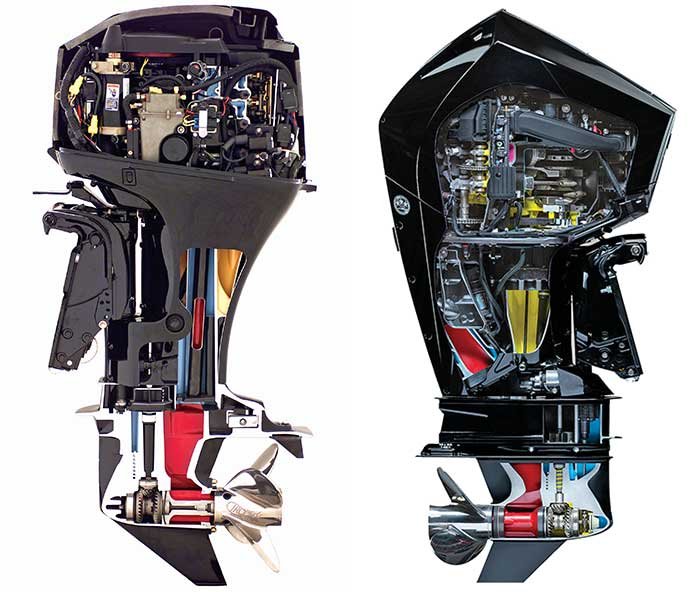
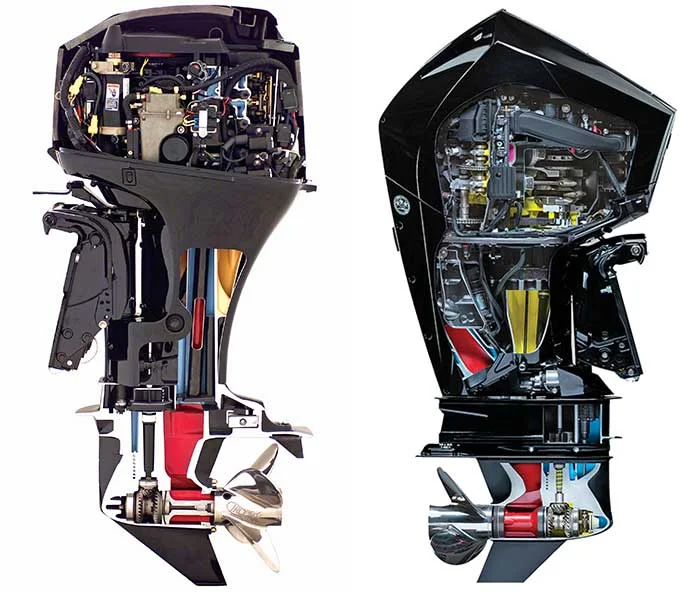
A useful marine engine ecommerce listing gives you real numbers, not marketing language. Here’s a general reference for what buyers typically compare across the outboard range, which makes up the bulk of what moves through marine engine ecommerce catalogs like ours:
| Horsepower | Weight range | Fuel system | Cooling | Starting |
|---|---|---|---|---|
| 2.5 – 9.9 HP | 26 – 90 lbs | Carbureted or EFI | Water-cooled | Manual pull-start |
| 15 – 60 HP | 110 – 250 lbs | EFI standard | Water-cooled thermostatic | Electric / manual |
| 70 – 150 HP | 280 – 480 lbs | Multi-point EFI | Water-cooled thermostatic | Electric |
| 175 – 300 HP | 480 – 650 lbs | Direct injection | Water-cooled, multi-circuit | Electric |
| 350 – 425+ HP | 650 – 850 lbs | Direct injection, V8 | Water-cooled, multi-circuit | Electric |
These numbers vary slightly by manufacturer even within the same horsepower class, so treat this as a starting reference. Any marine engine ecommerce listing worth ordering from should give you the exact figures for that specific unit before you finalize a purchase.
New Engines and Manufacturer Warranty Coverage
New engines sold through marine engine ecommerce arrive through the same authorized channels a physical dealer uses, so full manufacturer warranty coverage is intact regardless of where you place the order. What changes is the seller’s cost structure. An online-first marine engine ecommerce operation doesn’t carry the overhead of a large retail showroom, and that savings usually shows up directly in the price you’re quoted. The Yamaha 90 HP F90XB and Yamaha 70 HP F70LA are examples of new engines that move through marine engine ecommerce with full documentation attached to the listing.
Used Engines: What Inspection Actually Covers
Used listings are where a marine engine ecommerce buyer needs to look closest. A motor’s real condition depends on how it was run and maintained far more than its age alone, and photos don’t tell that story. Before we list a used engine, it goes through a compression test on every cylinder, a visual check of the powerhead and lower unit, a cooling system function test, and documentation of hours where the history is available. That report belongs in the listing itself, not something buried behind a follow-up email request.
A lower price on a used listing usually just reflects hours or cosmetic wear rather than a hidden problem. Sellers who write that down honestly, rather than photographing around a flaw, are the ones worth doing repeat business with. Marine engine ecommerce works best when the listing tells you the truth up front instead of leaving you to find out after the engine arrives.
Brand Selection Across the Catalog
A serious marine engine ecommerce catalog carries multiple brands rather than pushing one manufacturer regardless of fit. We stock Yamaha, Mercury, Suzuki, Honda, Tohatsu, and Evinrude, giving buyers a genuine comparison across horsepower classes rather than a single-brand lot. That breadth is one of the biggest practical advantages marine engine ecommerce has over a local dealership tied to one manufacturer’s floor plan agreement.
How Filtering and Search Should Work
With hundreds of listings, a marine engine ecommerce catalog is only useful if you can actually narrow it down. Filter by brand first if you have a preference or existing parts compatibility. Narrow by horsepower next, matched against your boat’s capacity plate rather than a number you’d simply like to have. Shaft length is the filter buyers skip most often and regret skipping, since a mismatch there is the single biggest reason for return requests across the industry.
Documentation That Matters for International Buyers
Marine engine ecommerce increasingly serves buyers well outside the seller’s home country, which raises documentation questions that a purely local dealership never had to answer. Emissions compliance certificates, commercial invoices with accurate declared values, and country-of-origin documentation are things an international buyer should ask about before ordering rather than after the engine is already crated. A seller who handles marine engine ecommerce seriously has these answers ready rather than scrambling once a customs question comes in.
Freight, Crating, and Delivery Timelines
Engines aren’t small parcels. Freight through marine engine ecommerce is calculated on weight, crating requirements, and destination, and that number should be shown to you clearly before you finalize payment, not added as a surprise at the end. Larger V6 and V8 platforms need real crating to survive freight handling without damage, and that cost is part of an honest quote rather than something absorbed quietly and then recovered elsewhere.
Payment Security and Order Confirmation
Secure checkout matters as much for a five-figure engine purchase as it does for any other major online purchase. Reputable marine engine ecommerce checkout supports standard secure payment processing and issues a clear confirmation tied to the specific engine’s serial number or listing ID, so there’s no ambiguity about exactly which unit is being prepared for shipment once your payment clears.
Signs of a Legitimate Seller
A few things separate a real marine engine ecommerce operation from a listing to avoid. Real sellers publish actual specifications rather than stock photography with vague copy. They answer questions about a specific engine’s history directly. They show freight costs before checkout instead of hiding them. And they back used listings with a documented inspection rather than a blanket disclaimer that leaves you with no recourse if the engine doesn’t match what was described. If a price looks significantly below market for the horsepower and condition, a phone call before payment is worth the five minutes it takes.
Fleet, Dealer, and Bulk Accounts
Marine engine ecommerce isn’t limited to individual boat owners. Charter operations, rental fleets, and dealers restocking their own floor regularly place multi-engine orders through the same catalog. Volume pricing, coordinated delivery so engines arrive together rather than staggered, and documentation for commercial registration are things a mature marine engine ecommerce seller should handle as a standard part of a bulk order rather than a special request.
Comparing Similar Listings
When two listings look close on paper, same brand, similar horsepower, close in price, the details worth checking are model year, control type, and whether the unit is new or used. Model year matters more on used listings than people expect, since a couple years’ gap can mean a different fuel injection generation at the same rated horsepower. Marine engine ecommerce done right gives you enough detail in the listing to make that comparison without guessing.
Fuel Efficiency and Emissions Considerations
Modern four-stroke and direct-injection two-stroke engines available through marine engine ecommerce burn noticeably less fuel than older carbureted designs at equivalent horsepower, often 30 to 40 percent less across a season of typical use. That efficiency difference matters more the more you run the boat, and it’s worth factoring into a new-versus-used decision alongside sticker price alone, since a more efficient new engine can close the price gap over a few seasons of fuel savings.
Seasonal Timing and Pricing Patterns
Stock and pricing through marine engine ecommerce shift with the boating calendar. Heading into spring, listings across the popular mid-range horsepower brackets tend to move fastest as owners prep for the season, and pricing on in-demand models firms up as availability tightens. Late in the season, into fall, used listings typically increase as owners sell ahead of winter storage rather than pay to store a boat they’re planning to replace. Shopping in the shoulder seasons, if your timeline allows it, sometimes turns up better pricing on comparable engines simply because demand eases while new listings keep arriving at a similar pace.
Insurance and Resale Documentation
Keep the documentation from a marine engine ecommerce purchase organized from day one, including the original invoice, serial number record, and any inspection report provided with a used engine. Insurance providers frequently ask for proof of purchase and condition when writing a policy on a boat with a recently replaced engine, and having that paperwork ready speeds up the process considerably. The same documentation matters again down the line if you ever resell the boat, since a buyer evaluating a used engine will want exactly the kind of history a well-documented marine engine ecommerce purchase already gives you.
Financing Larger Purchases
Not every marine engine ecommerce order gets paid in a single transaction. Financing and deposit-plus-balance arrangements are increasingly available for higher-value orders, particularly on engines in the upper horsepower brackets where the total runs into five figures. Ask about financing structure before you start comparing listings so your real budget is clear from the start rather than discovering it mid-negotiation.
What to Confirm Before You Place an Order
A little homework prevents most problems in marine engine ecommerce. Measure your transom height directly rather than estimating it, since shaft length mismatches are the single most common reason a delivered engine gets sent back. Check your boat’s capacity plate for the maximum horsepower rating before shopping by price alone, and note whether your current setup uses tiller or remote steering, because switching between the two typically requires more than swapping the engine itself. Have your boat’s make, model, and year ready when you contact a seller, since that lets a knowledgeable support team flag a compatibility issue in a single phone call rather than after the engine has already shipped.
It also pays to read exactly what’s included in a listing price. Some marine engine ecommerce listings bundle the propeller and controls into the quoted price, while others sell the powerhead separately with rigging priced as an add-on. That distinction changes the real total meaningfully, so read the fine print rather than assuming every seller prices the same way.
Support That Continues After the Sale
The support experience is where a lot of marine engine ecommerce sellers fall short of a good physical dealership. A strong one answers technical questions before you order, not just sales questions, and stays reachable afterward for rigging questions, warranty paperwork, or help sourcing a replacement part. If you’re deciding between two horsepower classes for your specific hull, that’s a conversation worth having with a real person before you commit, whether by phone or live chat. A storefront that goes quiet the moment your payment clears usually isn’t built with repeat customers in mind, and marine engine ecommerce depends heavily on buyers coming back for their next engine or their next set of parts.
Parts and Servicing After the Purchase
An engine bought through marine engine ecommerce still needs regular maintenance and eventually replacement parts, so it’s worth confirming a seller can support that before you buy rather than after. Water pump kits, impellers, spark plugs, and lower unit seals are the parts that wear fastest across nearly every brand, and a seller who stocks these alongside the engines themselves saves you from hunting down a separate parts supplier down the line. This is a detail that’s easy to overlook during the excitement of comparing horsepower and pricing, but it matters a great deal two or three seasons into ownership.
Return Policies Worth Reading Closely
Understand the return policy before you order, not after something goes wrong. Reasonable marine engine ecommerce policies generally cover engines that arrive damaged in freight or don’t match the listed specifications, with the seller covering return freight when the mismatch is their error. What’s typically excluded is a change of mind after the engine has been installed and run, which is standard across the industry rather than something unique to buying online. Knowing this distinction ahead of time avoids a frustrating conversation later.
Where Marine Engine Ecommerce Is Headed
The category keeps getting more transparent. Live video walkthroughs of specific used engines before purchase are becoming more common, essentially replicating an in-person inspection remotely for buyers who can’t visit in person. Real-time inventory syncing cuts down on the frustrating experience of ordering a listing that already sold. And detailed digital documentation, compression numbers, hour meters, service records, is quickly becoming the expectation rather than a bonus. Marine engine ecommerce is arguably converging on something more transparent than the traditional dealership model, simply because the information has to be written down and published rather than delivered verbally on a lot.
Related Reading
For related guides, see our breakdowns on marine engines for cargo boats, fishing vessel engines, and our full outboard engine inventory. The National Marine Manufacturers Association also publishes general buyer guidance worth reviewing before a major engine purchase.
Questions Worth Asking Before You Buy
Before finalizing any marine engine ecommerce order, a short list of questions saves headaches later. Ask what the compression readings were on a used engine and how recently the test was run. Ask whether the listed price includes controls, propeller, and rigging or just the powerhead. Ask what the estimated freight cost will be to your specific address before you commit to checkout. Ask what the return process looks like if the engine arrives with shipping damage. None of these are unusual questions, and a seller who’s genuinely set up for marine engine ecommerce should be able to answer all four without hesitation or a long delay.
It’s also worth asking about lead time. Some listings ship within days, particularly common new models kept in ready stock, while others, especially larger V6 and V8 platforms or less common models, may need a short lead time to prepare crating and confirm freight logistics. Getting a realistic delivery window upfront helps you plan the rest of your season around the engine’s actual arrival rather than an optimistic guess.
Frequently Asked Questions
Is marine engine ecommerce actually reliable for a purchase this size?
Yes, provided the seller has a real inspection process, published specs, and responsive support. It carries the same basic protections as any major online purchase when the seller is legitimate.
What information should a used engine listing include?
Compression readings, documented hours where available, a visual inspection summary, and honest notes on cosmetic condition. If that’s missing, ask for it before ordering.
How is international freight handled?
Freight is calculated on weight, crating needs, and destination, shown clearly before checkout. For cross-border orders, reach out ahead of time about customs documentation for your specific country.
Do new engines bought online carry full warranty coverage?
Yes, new engines purchased through legitimate marine engine ecommerce channels carry the same manufacturer warranty as one bought at a physical dealership.
Can I get volume pricing for a fleet order?
Yes, most established sellers handle bulk and fleet orders regularly, with coordinated delivery and documentation support as part of the process.
What’s the most common mistake buyers make?
Comparing engines on price alone without confirming horsepower against the boat’s capacity plate and shaft length against the transom. Those two checks prevent most return requests.
Final Word
Marine engine ecommerce has made real engine research and comparison possible in a way a physical dealership lot never could, and the shift has generally been good for buyers who know what to check before ordering. Confirm horsepower and shaft length against your boat, ask for the inspection report on any used listing, and buy from a seller that answers questions directly. Our full catalog is open if you’re ready to compare current listings, and we’re glad to talk through the right engine for your boat before you place an order.
Posts Widget
- 1

- 2

- 3
- 4


S.H Continental Marine
USA HERALD MAGAZINE INC
Our team is dedicated to providing exceptional customer service.
Email: info@shcontinentalmarine.com
Choose S.H Continental Marine
for your outboard engine needs and enjoy superior quality, exceptional customer service, and unbeatable prices.
