
Electric Start vs Manual Start Outboard Motors: The Complete Buying Guide
One of the first practical decisions a buyer makes when picking a smaller outboard is electric start vs manual start outboard motors, and it’s a decision that matters more day-to-day than most of the specs people spend hours researching. Neither option is objectively better across the board — it comes down to how you actually use the boat, and on plenty of engines it also comes down to what’s realistically available for that horsepower class.
We sell both configurations across most of our HP range, and this question comes up on nearly every sale of a small-to-mid-size engine. Here’s the actual difference, the tradeoffs worth knowing, and where each option tends to make more sense.
How Manual Start Actually Works
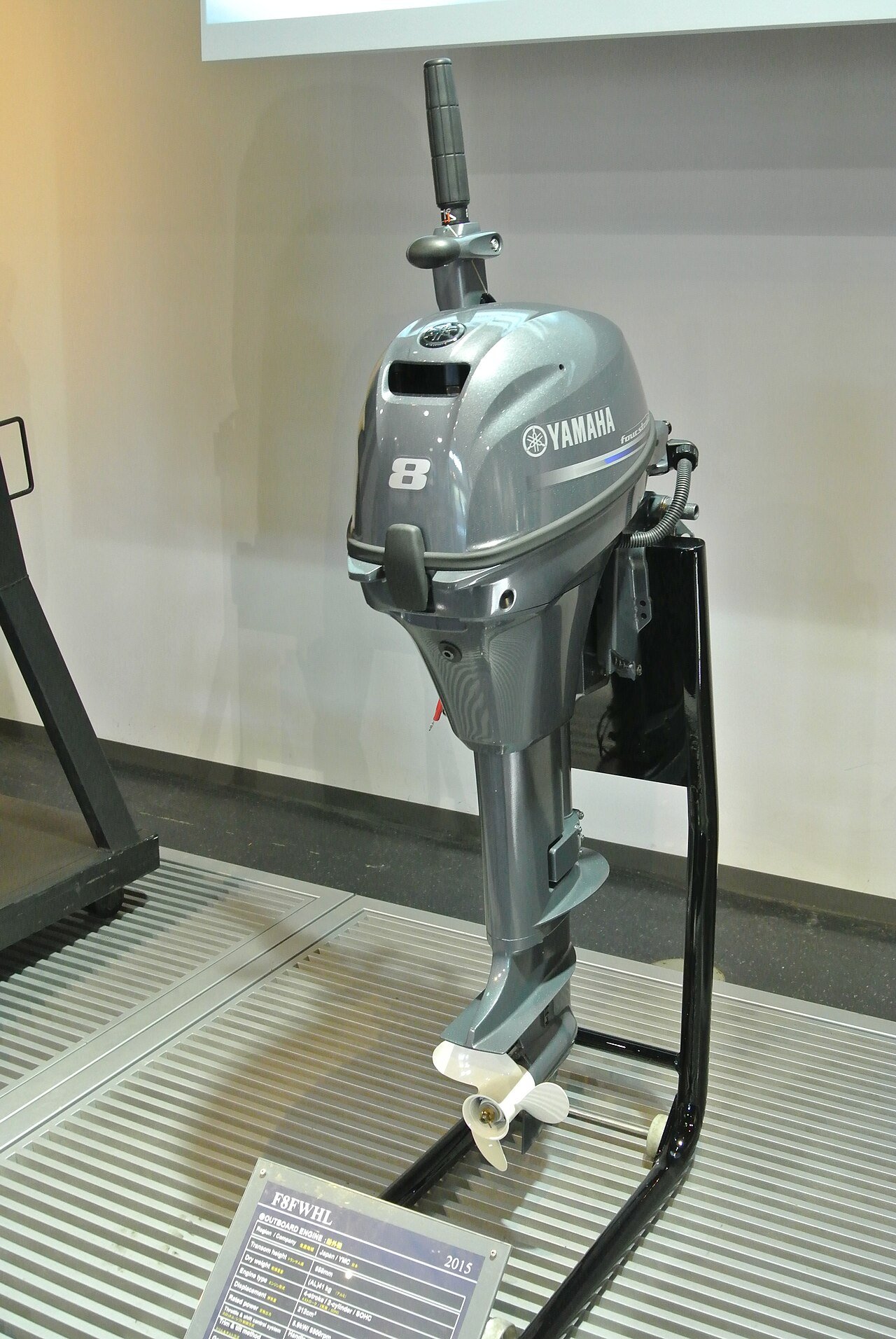
Manual start, sometimes called pull start or recoil start, uses a spring-loaded rope and pulley mechanism: you pull a handle, the rope spins the flywheel fast enough to fire the engine, and the spring retracts the rope automatically. It’s entirely mechanical, requires no battery, and on a well-tuned small engine takes one or two pulls to fire on a warm start and rarely more than three or four on a cold one.
How Electric Start Works
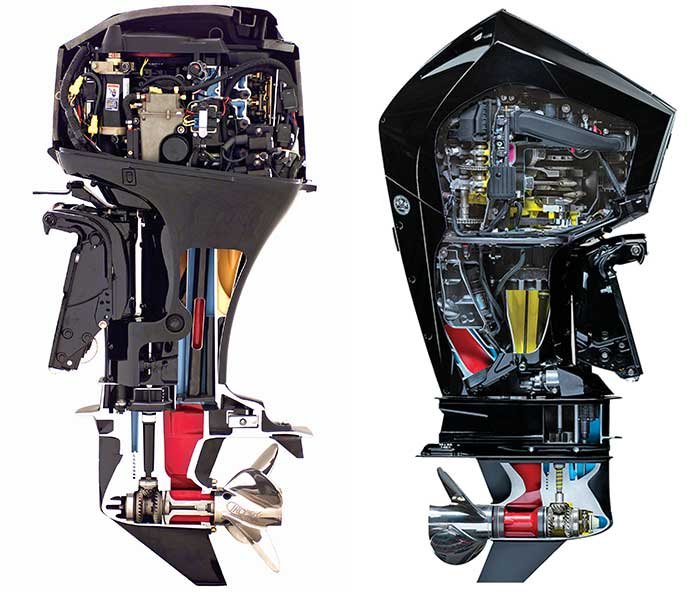
Electric start uses a starter motor powered by a battery to spin the flywheel, the same basic principle as starting a car. Turn a key or press a button, the starter motor engages, and the engine fires without any physical pulling required. It requires a battery, wiring, and typically a charging system built into the outboard to keep that battery topped up while the engine runs.
Where Manual Start Still Makes Practical Sense
On small portable engines, typically under 20 HP, manual start remains genuinely popular, and not just because it’s often the cheaper option. It has no battery to maintain, charge, or eventually replace, nothing to corrode or short out in a wet bilge, and one less system that can fail when you need the engine most. For a dinghy, a small tender, or a backup engine that sits unused for long stretches between trips, that simplicity is a real advantage, not just a budget compromise.
Where Electric Start Becomes the Practical Choice
Once you move into engines large enough that the flywheel takes real effort to spin — generally starting somewhere in the 25 HP to 40 HP range and becoming standard well before you reach 90 HP and up — manual pull start becomes genuinely difficult, sometimes requiring real physical strength and technique to get a cold engine running. At that point electric start isn’t a convenience feature anymore, it’s close to a practical necessity, which is exactly why nearly every outboard above roughly 40 HP to 50 HP ships as electric start standard, with manual start no longer offered as an option at all.
Weight Differences Between the Two Systems
Electric start adds real weight to an outboard: the starter motor, battery cables, and charging components typically add several pounds to several kilograms depending on engine size, and that’s before counting the battery itself, which sits separately but is still part of the overall system weight a boat has to carry. For weight-sensitive applications like small inflatables, kayaks fitted with a small outboard, or portable engines meant to be carried by hand between the boat and a vehicle, manual start’s lighter overall package is a genuine practical benefit, not just a cost difference.
Battery Considerations for Electric Start Engines
An electric start outboard needs a properly sized marine starting battery, and running the wrong battery — undersized, deeply discharged, or simply worn out — is one of the most common reasons an otherwise healthy engine won’t start. Marine starting batteries need enough cold cranking amps to spin the flywheel reliably, and they should be charged through the engine’s own charging system or a separate onboard charger between uses, especially on a boat that sits for weeks between trips.
Reliability: Is One System Actually More Failure-Prone?
Manual start has fewer components that can fail, which is a genuine reliability advantage in the sense that there’s simply less to go wrong mechanically. Electric start systems are reliable when properly maintained, but they add a battery, wiring, a solenoid, and a starter motor to the list of things that need occasional attention. Neither system is unreliable when properly cared for — the difference is that manual start has almost nothing to maintain, while electric start has a short but real maintenance list.
Dual Start Systems: Getting Both on One Engine
On the electric start vs manual start outboard motors question, some mid-range engines, roughly in the 20 HP to 60 HP class, offer both electric and manual start on the same unit, giving you the convenience of electric start with a manual backup if the battery ever dies or the electrical system has an issue. It’s a genuinely useful option for anyone running the boat somewhere remote, where a dead battery with no backup start method could leave you stranded rather than just inconvenienced.
Cost Differences Between the Two Configurations
Electric start typically costs more than manual start on the same base engine, since you’re paying for the starter motor, wiring harness, and charging components, plus the battery itself if it’s not included. On smaller engines where both options exist side by side, that price gap is a real factor for budget-conscious buyers who don’t need the convenience badly enough to pay extra for it. It’s worth weighing carefully before ruling either side of the electric start vs manual start outboard motors decision out on price alone.
How Brand Availability Varies by Configuration
Not every brand offers manual start across the same horsepower range. Our Yamaha outboard guide, Honda outboard guide, and Tohatsu outboard guide each note which models in their smaller HP classes still offer a manual start option, since manufacturers have gradually phased it out on larger portables in favor of electric-only configurations.
Engines Worth Comparing Directly
Looking at current stock, a Mercury 5 HP 5MXLHA represents the manual-start end of the spectrum where simplicity and low weight matter most, while a Suzuki 90 HP DF90ATL2 sits solidly in electric-start-only territory where the convenience is worth the added weight and complexity.
Starting Systems and Twin-Engine Setups
If you’re running a twin outboard motor setup, both engines are almost always electric start given the horsepower typically involved, and it’s worth confirming both engines draw from adequately sized, properly maintained batteries, since starting two engines back to back puts more demand on your electrical system than starting one.
Maintenance Tied to Each Starting System
Manual start maintenance is minimal — mostly checking the rope and spring mechanism periodically covered in our general outboard motor maintenance guide. Electric start adds battery terminal checks, charging system verification, and occasional starter motor inspection to that same maintenance routine, which is a small but real additional item on your checklist. That’s a difference worth knowing before you commit to either side of the electric start vs manual start outboard motors question.
What This Means for Warranty Coverage
Electric start components — the starter motor, solenoid, and charging system — are generally covered under the same terms as the rest of the engine, as outlined in our outboard motors under warranty guide, though the battery itself is typically treated as a separate, non-covered wear item regardless of which system your engine uses.
Choosing Between the Two When You Have an Actual Option
Weighing electric start vs manual start outboard motors when a specific model genuinely offers both configurations usually comes down to three questions: how often will you be starting the engine cold, does weight matter for how you transport or mount the boat, and are you comfortable maintaining a marine battery. Answer those honestly and the right configuration for your situation is usually obvious rather than a close call.
General Engineering Background
The broader history and mechanical principles behind both starting methods, including how they evolved across small engines generally and not just marine applications, are documented on Wikipedia’s outboard motor article. Boating education organizations such as the National Association of State Boating Law Administrators also publish general safety and operational guidance that touches on starting system reliability as part of broader pre-departure engine checks. Context like that is useful regardless of which side of the electric start vs manual start outboard motors decision you land on.
What We Confirm Before Either Configuration Ships
Whichever side of the electric start vs manual start outboard motors decision you land on, every engine we prepare gets its actual starting system verified under our outboard motor testing process — recoil spring tension and rope condition on manual units, battery voltage, starter engagement, and charging output on electric ones. A starting system that looks fine sitting on a stand and one that actually starts a cold engine reliably on the water aren’t always the same thing, which is why we test under real conditions rather than just visually inspecting the parts.
Financing Either Configuration the Same Way
Whether you land on manual or electric start, our outboard motor financing option applies the same way to either engine type, so the starting system shouldn’t be the deciding factor if budget is genuinely tight — the horsepower and brand typically move the price far more than which starting method a specific model uses.
Trading an Older Engine Toward a Different Starting Configuration
Buyers upgrading from an old manual-start portable into something bigger with electric start often go through our outboard motor trade-in program rather than selling the old engine separately. It’s a common enough path that we see it regularly — someone outgrows a small manual-start engine and trades directly into a mid-range electric-start model without the hassle of a separate private sale.
Regional Preferences Worth Knowing About
Preference between electric start vs manual start outboard motors varies noticeably by region and by how boats are typically used locally. Markets where small boats are frequently transported by hand or stored without easy access to charging infrastructure tend to favor manual start on smaller engines, while markets with established marina infrastructure and boats that stay rigged and battery-charged between uses lean electric across a wider horsepower range. We factor this into recommendations for international orders based on where the engine is actually headed.
Frequently Asked Questions
Which is better for a small backup or tender engine, electric start or manual start?
Manual start is usually the better fit for a backup or tender engine, since it has no battery to maintain and works reliably even after sitting unused for long stretches.
At what horsepower do outboards stop offering manual start as an option?
It varies by brand, but manual start becomes rare above roughly 40 HP to 50 HP, and nearly every engine above that range ships as electric start only.
Can I add electric start to an outboard that only came with manual start?
On some models, yes, if the manufacturer offers a factory electric-start kit for that specific engine. It’s not universal, so check compatibility for your exact model before assuming it’s possible.
Does electric start use significantly more fuel than manual start?
No, the starting method itself has no meaningful effect on fuel consumption once the engine is running. Any difference in the engine’s overall efficiency comes from other factors entirely.
What happens if the battery dies on an electric-start-only outboard?
Without a manual backup, a dead battery means the engine can’t be started conventionally, which is why some mid-range models offer dual start systems specifically to avoid leaving you stranded.
Electric Start vs Manual Start Outboard Motors: The Bottom Line
Deciding between electric start vs manual start outboard motors comes down to horsepower, how you use the boat, and how much you value simplicity versus convenience. Small portables genuinely benefit from manual start’s light weight and low maintenance, while anything approaching 40 HP and up is realistically an electric start conversation regardless of preference. If you’re not sure which configuration fits your specific boat and use case, that’s exactly the kind of question we walk through with every buyer before recommending a specific engine.
Posts Widget
- 1

- 2

- 3
- 4


S.H Continental Marine
USA HERALD MAGAZINE INC
Our team is dedicated to providing exceptional customer service.
Email: info@shcontinentalmarine.com
Choose S.H Continental Marine
for your outboard engine needs and enjoy superior quality, exceptional customer service, and unbeatable prices.
