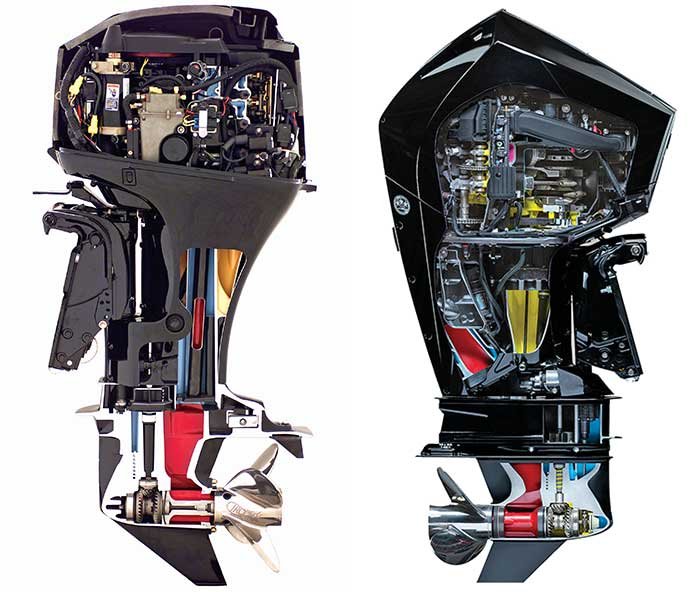
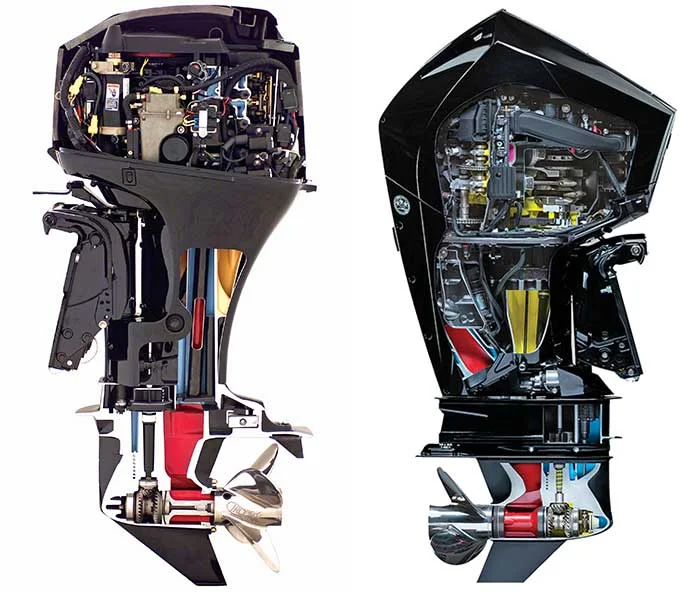
Honda Outboard Engine Not Starting: Causes and Solutions 2
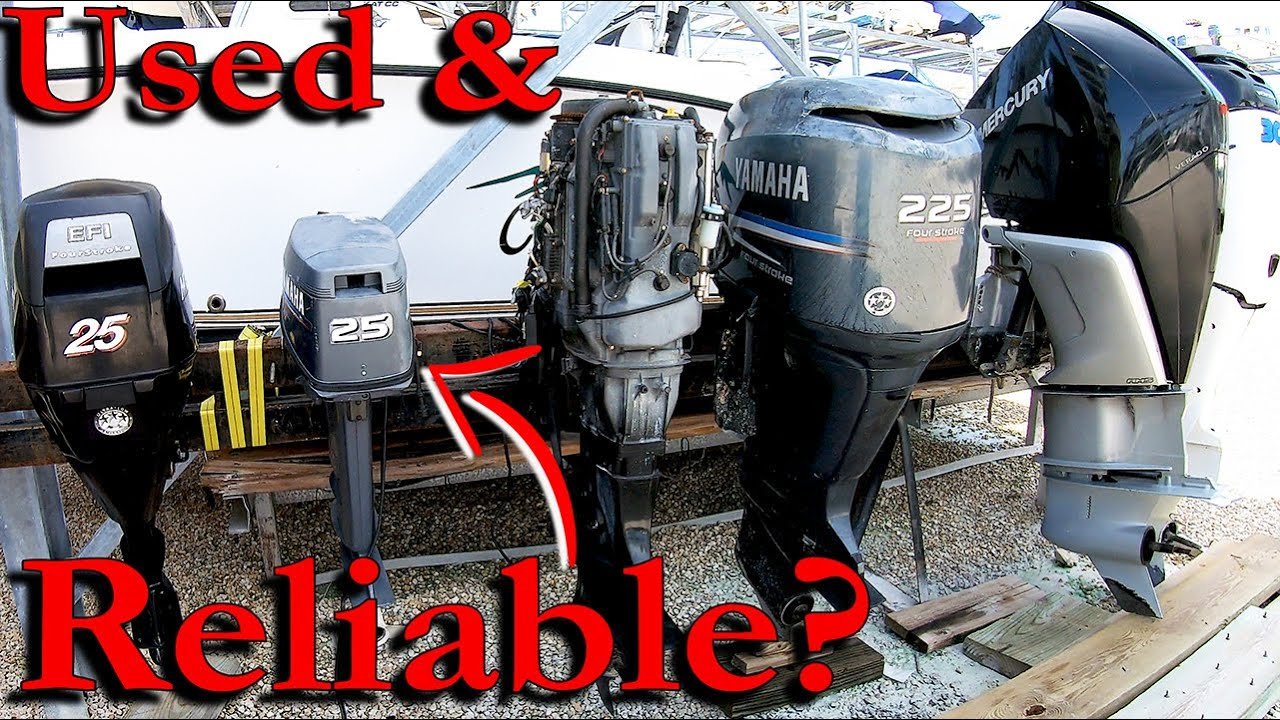
Honda Outboard Engine Not Starting: Causes and Solutions
Let’s be honest. Honda Outboard Engine Not Starting: Causes and Solutions
Few things are more frustrating than getting to the water, turning the key, and hearing absolutely nothing happen.
Or worse—the engine cranks, struggles, coughs a little… and still refuses to start.
That’s usually when people start searching things like Honda Outboard Engine Not Starting: Causes and Solutions.
Sometimes the problem is minor.
Sometimes it’s fuel-related.
Sometimes the engine itself is already worn out.
And if repairs keep piling up, many boat owners eventually start looking at replacement engines instead. Honda Outboard Engine Not Starting: Causes and Solutions
Why Honda outboards are still popular
Before getting into the problems, let’s be fair.
Honda outboards built a strong reputation for a reason.
People trust them because they’re known for:
- Reliability
- Smooth operation
- Fuel efficiency
- Long service life
That’s exactly why so many owners try to repair them first before considering replacement.
But like any engine, they still wear out eventually. Honda Outboard Engine Not Starting: Causes and Solutions
The most common reason an outboard won’t start
Usually, it’s something simple at first.
Most starting issues come down to:
- Fuel
- Battery
- Ignition
- Lack of maintenance
Not always major engine failure.
The trick is knowing when the problem is small… and when it’s becoming expensive. Honda Outboard Engine Not Starting: Causes and Solutions
Dead or weak battery
This is one of the most common issues.
If the engine:
- Clicks repeatedly
- Cranks slowly
- Has weak electronics
the battery may not have enough power.
A lot of people assume the engine is bad when it’s actually just low voltage.
Fuel problems
This happens constantly with marine engines.
Old fuel causes problems fast.
Especially when:
- The boat sits too long
- Fuel is contaminated
- Ethanol buildup happens
The engine may crank normally but still refuse to start.
Sometimes cleaning the fuel system fixes it. Sometimes the damage already spread further. Honda Outboard Engine Not Starting: Causes and Solutions
Dirty fuel filters
Simple issue, but very common.
Fuel filters clog over time, especially if:
- Fuel quality is poor
- Water contamination happens
- Maintenance gets skipped
Restricted fuel flow causes starting problems and rough running.
Spark plug problems
Bad spark plugs can make an engine:
- Hard to start
- Rough at idle
- Weak under load
This is usually an inexpensive fix if caught early.
But ignored long enough, poor combustion can lead to bigger problems. Honda Outboard Engine Not Starting: Causes and Solutions
Electrical issues
Marine environments are rough on wiring.
Corrosion, moisture, and saltwater exposure can damage:
- Connections
- Switches
- Ignition systems
Sometimes the engine itself is fine—the electrical system is the problem.
Low compression
This is where things start getting expensive.
If the engine has:
- Worn internal parts
- Cylinder damage
- Valve problems
compression drops.
And once compression gets too low, the engine struggles to start or won’t start at all.
That’s when many owners start considering engine replacement. Honda Outboard Engine Not Starting: Causes and Solutions
Overheating damage
A lot of Honda outboards eventually develop problems after overheating.
Causes include:
- Blocked cooling passages
- Failed water pumps
- Running without proper cooling
Once overheating damages internal parts, repairs can become expensive quickly.
Oil problems
Lack of oil or poor maintenance eventually catches up with any engine.
Low oil can cause:
- Internal wear
- Bearing damage
- Severe engine failure
At that point, replacing the engine may make more financial sense than rebuilding it. Honda Outboard Engine Not Starting: Causes and Solutions
When repairs stop making sense
This is usually the real question behind Honda Outboard Engine Not Starting: Causes and Solutions.
At some point, owners realize:
- Repairs keep adding up
- Problems keep returning
- Downtime becomes frustrating
That’s when many people decide to replace the engine instead.
Why people buy used Honda outboard engines
Simple answer—cost.
A brand-new outboard is expensive.
A tested used Honda engine often gives buyers:
- Lower cost
- Faster replacement
- Reliable performance if maintained properly
That’s why used marine engines remain in high demand. Honda Outboard Engine Not Starting: Causes and Solutions
What “tested outboard engine” should mean
This part matters.
A tested outboard engine should be checked for:
- Compression
- Starting performance
- Cooling system operation
- Basic running condition
Not just “it was running before removal.”
If a seller can’t explain testing properly, ask questions.
Where used Honda outboards usually come from
A lot of people assume used engines are completely worn out.
Not true.
Many come from:
- Boat upgrades
- Insurance claims
- Light-use boats
- Trade-ins
That’s why low-hour engines are still available.
What to check before buying a replacement engine
This matters more than people think.
Horsepower compatibility
Make sure the engine fits your boat properly.
Shaft length
Wrong shaft length creates major problems.
Hours
Lower hours usually mean less wear.
Corrosion
Especially important with saltwater use.
Included parts
Controls, gauges, propeller, rigging—always confirm what comes with the engine.
Typical Honda outboard specifications
When people search Honda Outboard Engine Not Starting: Causes and Solutions, they usually want details like:
- Horsepower
- Fuel type
- Cooling system
- Shaft length
- Engine hours
- Starting system
Nothing complicated—just clear information.
Pricing — what to expect
Prices depend on:
- Horsepower
- Model year
- Condition
- Engine hours
Larger engines cost more, especially low-hour models.
If something looks unusually cheap, ask why.
Buying online
This is normal now.
Most buyers compare engines online because:
- Better selection
- Easier price comparison
- Access to more inventory
The important thing is dealing with someone who gives clear answers.
Shipping
Outboard engines need proper handling during transport.
The engine should be:
- Packed securely
- Protected during shipping
- Transported through reliable freight services
This part matters because marine engines are expensive equipment.
What we do
We keep things straightforward.
If you’re searching Honda Outboard Engine Not Starting: Causes and Solutions, here’s what we focus on:
- Tested engines
- Low-hour options
- Clear engine details
- Proper shipping
No confusion. No guessing.
Most buyers already know they need another engine—they just want a reliable replacement.
Common mistakes people make
Seen these too many times:
- Ignoring small starting problems too long
- Continuing expensive repairs
- Buying based only on price
- Not checking engine hours properly
Most problems come from delaying too long or rushing too quickly.
Installation matters too
Even a good engine can give problems if installed badly.
Before startup:
- Check fuel system
- Verify cooling system operation
- Inspect wiring and controls
- Mount correctly
Skipping setup details creates unnecessary issues later.
Maintenance matters
Honda engines are reliable, but maintenance still matters.
Basic things like:
- Oil changes
- Fuel system cleaning
- Flushing after saltwater use
- Cooling system checks
make a huge difference long term.
Final thoughts
If you’re reading Honda Outboard Engine Not Starting: Causes and Solutions, you’re probably already dealing with engine trouble.
And honestly, once:
- Starting problems become constant
- Compression drops
- Overheating damage happens
- Repairs keep adding up
replacing the engine often becomes the smarter move.
A tested used Honda outboard can get you back on the water without spending more than necessary.
FAQ
Why won’t my Honda outboard start?
Common causes include battery issues, fuel problems, spark plugs, or low compression.
Can bad fuel stop an outboard from starting?
Yes, especially if the fuel is old or contaminated.
What does low compression mean?
Internal engine wear or damage that affects performance and starting.
When should I replace instead of repair?
Usually when repairs become expensive or problems keep returning.
Are used Honda outboards reliable?
Yes, especially low-hour tested engines.
What are considered low hours?
Usually under 300–500 hours depending on engine size.
Can engines be shipped worldwide?
Yes.
What should I avoid when buying used?
Heavy corrosion, unclear history, and untested engines.
Do I need professional installation?
Recommended unless you have marine engine experience.
How do I order?
Contact us, confirm details, then proceed.
If something isn’t clear, ask before buying. It’s always better to understand everything upfront.
Yamaha 300HP Outboard Review: Built for Speed and Strength – Yamaha 300HP outboard for sale
Electric vs Gas Outboard Motors: Pros, Cons & Which is Right for You
Best Portable Outboard Motors for Small Boats
Expert Tips
When an outboard misbehaves, work through problems in order: fuel, air, spark, then mechanical causes. Most faults are found in the first two steps. Keep a small kit on board with spare plugs, a fuel filter, a spare kill-switch lanyard, basic tools and a torch, so you can sort simple issues on the water.
Never ignore a cooling alarm. Running an outboard without enough cooling water can damage the powerhead in minutes. Stop, investigate and only restart once you are confident water is flowing freely through the system.
Key Points to Remember
- Most outboard faults have simple causes: fuel, air, spark or cooling.
- Always check the kill-switch lanyard and the battery before anything else.
- Stale or water-contaminated fuel causes a large share of starting problems.
- A weak or missing tell-tale stream means you should stop the engine and check the cooling system.
- Warning alarms and fault codes are there to protect the engine; investigate before running again.
- If a fault persists, a qualified technician with diagnostic tools will save time and money.
Practical Checklist
Use this quick checklist to put the advice in this article into practice:
- Fuel is fresh, the tank vent is open and the primer bulb is firm
- Kill-switch lanyard is fitted and the engine is in neutral
- Battery is charged and terminals are clean and tight
- Spark plugs are clean and correctly gapped
- Water intakes are clear and the tell-tale stream is strong
- Propeller is undamaged and free of weed or line
More Questions Answered
Why won’t my outboard start after storage?
The most common reasons are stale fuel, a discharged battery or a blocked fuel filter. Fresh fuel, a charged battery and a new filter fix most cases.
What should I do if there is no water from the tell-tale?
Stop the engine, clear the tell-tale outlet with a thin wire and check the intakes. If the stream does not return, the impeller may need replacing.
When should I stop and call a technician?
If alarms persist, the engine overheats repeatedly, or you hear knocking or grinding, stop using it and have it inspected.
Honda Outboards to Consider
If you are shopping for an engine after reading this guide, these models are a good place to start. Each listing has full specifications, the model code explained and buying advice.
- Honda 9.9 HP BFP10D3XHT
- Honda 15 HP BF15D3SHS
- Honda 250 HP BF250DLDA
- Honda 25 HP BF25D3LRG
- Honda 150 HP BF150A2LA
- Honda 135 HP BF135A2XA
Related Guides
- Honda Outboard Engine Oil Leak Causes and Fix 2
- Suzuki Outboard Not Starting? Here's What to Check – Suzuki outboard won’t start
- Honda 50hp Outboard Motor: Specs, Prices & Worldwide Shipping
- New vs Used Honda Outboard Engines Comparison 2
- Common Honda Outboard Engine Problems and Fixes 2
- Honda Outboard Engines for Sale: Complete Buyer’s Guide
Next Steps
Browse Honda or the full outboard shop. Read our shipping policy for delivery details, and contact us if you would like help choosing the right engine for your boat.
Posts Widget
-
1
-
2
-
3
-
4


S.H Continental Marine
USA HERALD MAGAZINE INC
Our team is dedicated to providing exceptional customer service.
Email: info@shcontinentalmarine.com
Choose S.H Continental Marine
for your outboard engine needs and enjoy superior quality, exceptional customer service, and unbeatable prices.