
Mercury ProKicker: 4 Best 9.9 & 15 HP Trolling Kickers (2026)
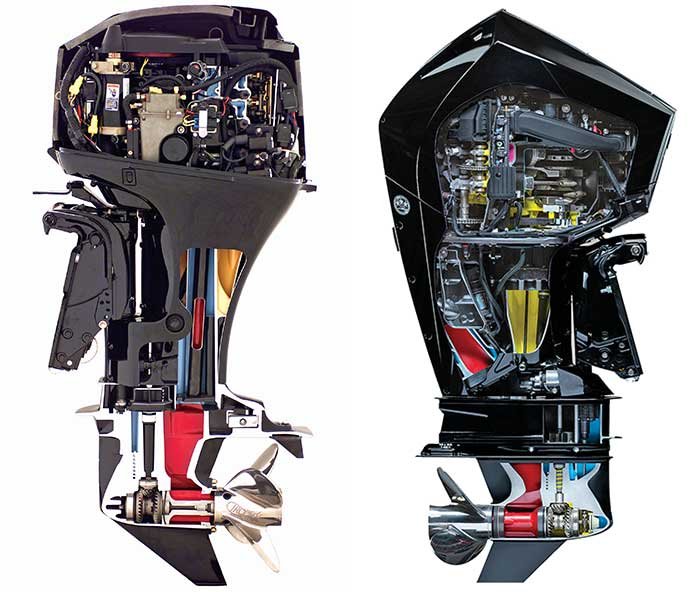
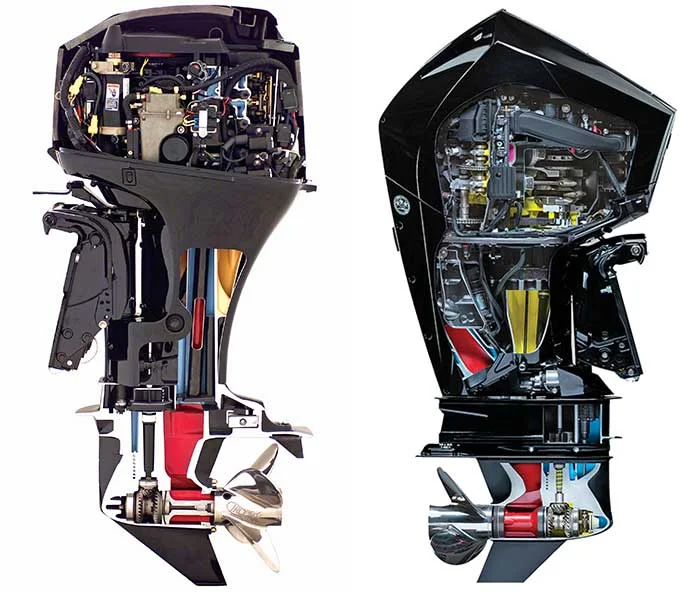
A Mercury ProKicker is a small Mercury four-stroke built to work as a trolling engine and back-up motor on a bigger fishing boat. Mercury makes it in 9.9 and 15 HP. Both use a 333 cc two-cylinder EFI engine, a Command Thrust gearcase, a high-thrust four-blade prop and power tilt, and come with 20 or 25-inch shafts. It sits beside your main engine, trolls slowly and steadily for hours, and gets you home if the main engine lets you down.
We sell four new Mercury ProKicker models, priced from $3,665 to $4,190, and ship them worldwide with free delivery. This guide explains what makes a ProKicker different from a standard small outboard, 9.9 vs 15, 20 vs 25-inch shafts, how it compares with Yamaha, Honda, Suzuki and Tohatsu kickers, and how to set one up. Jump to the price list, or read our general kicker motor guide first.
Table of Contents
Table of Contents

What Is a Mercury ProKicker?
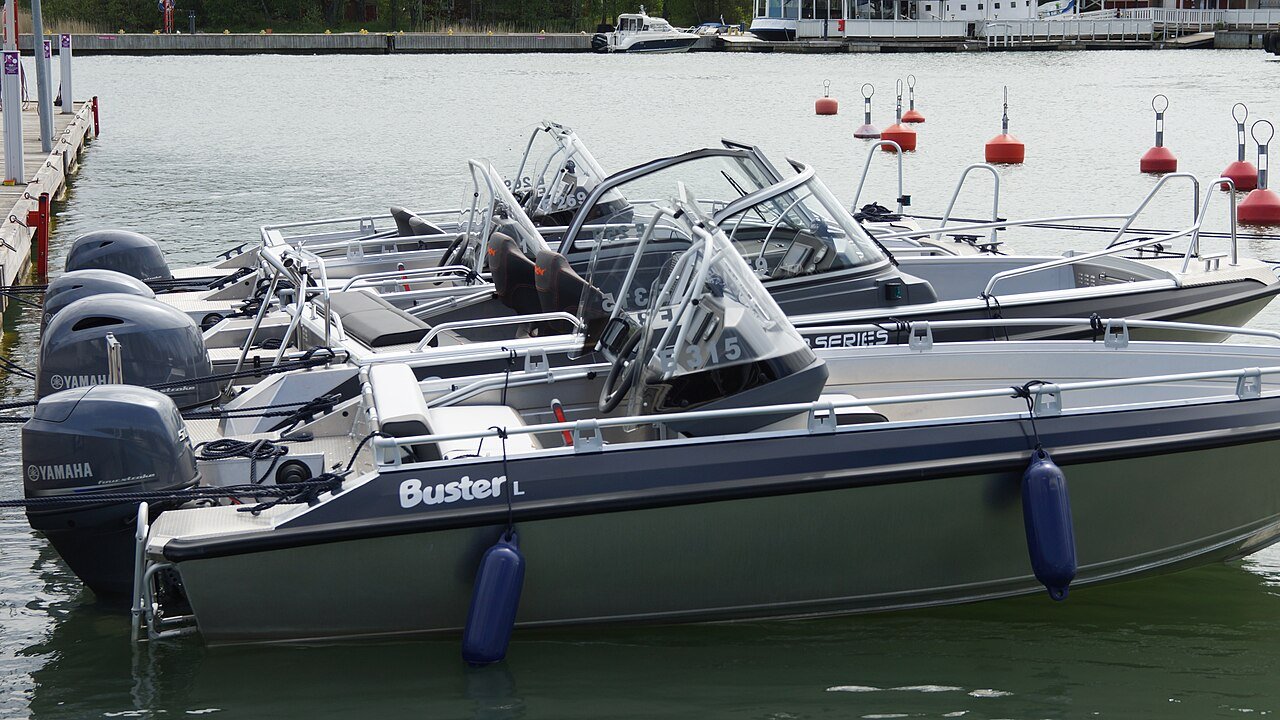
A kicker is a second, smaller outboard mounted next to the main engine. Anglers use it for two jobs:
- Trolling. Running a 150 to 250 HP main engine at walking pace for hours is inefficient and hard to control. A small engine holds slow speeds better and burns far less fuel.
- Get-home power. If the main engine fails, the kicker gets you back to the ramp.
Any small outboard can be used as a kicker. A Mercury ProKicker is built for it from the start. Mercury describes the 15 ProKicker as having a “fishing-first design engineered for dialing in precise low-speed trolling presentations” (Mercury Marine: FourStroke ProKicker 15hp).
What Makes a ProKicker Different From a Standard 9.9 or 15?
- High-thrust four-blade prop. A standard small outboard uses a three-blade prop sized for speed. The ProKicker’s four-blade prop grips the water at low rpm and pushes a heavy boat steadily. Mercury says it’s for fine-tuning trolling speed.
- Command Thrust gearcase. Powerboat & RIB reports a Command Thrust gearcase on the 9.9 EFI ProKicker (Powerboat & RIB on the EFI 8, 9.9 and ProKicker). Our product pages list Command Thrust on both the 9.9 and 15 ProKickers.
- Power tilt as standard. You’ll lift and lower a kicker every trip, often reaching over the transom of a big boat. Pressing a button is safer and easier than lifting by hand.
- Kicker straps. According to Mercury’s launch details for the 15 ProKicker, these centre and lock the engine when tilted up at speed, protecting the clamp bracket from impact (SunCruiser Media on the Mercury 15/20 EFI and ProKicker).
- Electric start. The 9.9 EFI ProKicker is electric start only, per Powerboat & RIB, and Mercury lists electric start with manual backup on the 15 ProKicker.
- Long and extra-long shafts to suit big transoms and kicker brackets.
Mercury ProKicker Specifications
| Specification | 9.9 ProKicker | 15 ProKicker |
|---|---|---|
| Engine | 333 cc two-cylinder four-stroke, EFI | 333 cc two-cylinder four-stroke, EFI |
| Weight | 56 kg (long shaft, Powerboat & RIB) | Platform from 99 lb for standard models; ProKicker heavier |
| Gearcase | Command Thrust | Command Thrust |
| Prop | High-thrust four-blade | High-thrust four-blade |
| Tilt | Power tilt | Power tilt |
| Starting | Electric | Electric with manual backup |
| Shafts in our range | 20 in, 25 in | 20 in, 25 in |
| Steering | Tiller (our range) | Tiller (our range); remote also offered by Mercury |
Sources: Mercury Marine, Powerboat & RIB, SunCruiser Media and our product pages. Our product pages describe the ProKickers as having power trim and tilt, while Mercury describes power tilt. If trim function matters to you, ask us to confirm for the unit you’re buying.
Every Mercury ProKicker We Sell
All four are new, electric-start tiller engines. Prices are as listed in our store when this guide was written, so check each product page for the latest price and stock.
| Model | HP | Shaft | Price |
|---|---|---|---|
| 9.9ELHPT-CT-PK | 9.9 | 20 in | $3,665 |
| 9.9EXLHPT-CT-PK | 9.9 | 25 in | $3,745 |
| 15ELHPT-CT-PK | 15 | 20 in | $4,070 |
| 15EXLHPT-CT-PK | 15 | 25 in | $4,190 |
Going from 20 to 25 inches adds $80 to $120. Stepping up from the 9.9 to the 15 ProKicker adds about $405 to $445.
Reading the model code
- E = electric start
- L = 20-inch shaft; XL = 25-inch shaft
- H = tiller
- PT = power tilt
- CT = Command Thrust gearcase
- PK = ProKicker

9.9 or 15 ProKicker?
Choose the 9.9 ProKicker if:
- your boat is roughly 16 to 20 feet and you mostly troll at slow speeds
- local rules or tournament rules favour a 9.9 HP kicker (check what applies to you)
- you want the lower price and a little less weight on the transom
Choose the 15 ProKicker if:
- your boat is on the bigger, heavier side, around 19 to 22 feet
- you troll into wind, waves or current and need more push to hold speed
- you want more get-home power if the main engine fails
Both share the same 333 cc engine, according to our product specs and Powerboat & RIB, so the 15 makes more power from the same basic package. For more on each, read our Mercury 9.9 hp outboard guide and Mercury 15 hp outboard guide.
20-Inch or 25-Inch Shaft?
This matters more on a kicker than on most outboards. A kicker sits off to one side of the transom, often on a bracket, and the boat rolls and pitches while you troll. If the prop comes out of the water, you lose control of your trolling speed.
- 20 inch (L): suits many 16 to 18-foot aluminium boats where the kicker mounts directly on the transom.
- 25 inch (XL): suits most larger fibreglass boats, boats with 25-inch main engines, and kicker brackets that sit higher.
Measure from where the kicker clamps (on the transom or bracket in its lowered position) to the bottom of the hull. Allow some margin for waves. If you’re unsure, the 25-inch is usually the safer choice for big-water boats. Our guides to long shaft vs short shaft and cavitation plate height explain how to measure.
Do You Need a ProKicker, or Will a Standard Engine Do?
Not everyone needs the full ProKicker package. Our range also includes Mercury 9.9 Command Thrust models without ProKicker extras:
| Model | Start | Shaft | Tilt | Price |
|---|---|---|---|---|
| 9.9MLH-CT | Manual | 20 in | Manual | $3,030 |
| 9.9MXLH-CT | Manual | 25 in | Manual | $3,115 |
| 9.9ELH-CT | Electric | 20 in | Manual | $3,300 |
| 9.9EXLH-CT | Electric | 25 in | Manual | $3,390 |
These keep the Command Thrust gearcase but tilt by hand. Our product pages note that the powerhead varies by version, so confirm it with us. On a smaller boat where you can easily reach the kicker, a manual-tilt Command Thrust 9.9 saves about $355 to $635 compared with a 9.9 ProKicker.
The ProKicker is worth the extra if:
- you can’t comfortably reach over the transom to lift the kicker
- you run at speed with the kicker tilted up and want kicker straps protecting the bracket
- you want the high-thrust four-blade prop
Mercury ProKicker vs Yamaha, Honda, Suzuki and Tohatsu Kickers
Other brands make trolling-focused small engines too. Yamaha calls its versions High Thrust, and Honda calls its own Power Thrust. Here’s how they line up on our prices:
| Model | Our price |
|---|---|
| Mercury 9.9ELHPT-CT-PK | $3,665 |
| Mercury 9.9EXLHPT-CT-PK | $3,745 |
| Yamaha T9.9LPHB (High Thrust) | $3,605 |
| Honda BFP10D3LHT (Power Thrust) | $3,385 |
| Honda BFP10D3XHT (Power Thrust) | $3,328 |
| Tohatsu MFS9.9EEFTUL | $3,400 |
| Suzuki DF9.9BTHXW5 | $3,075 |
| Mercury 15ELHPT-CT-PK | $4,070 |
| Honda BFP15D3XHT (Power Thrust) | $3,880 |
On our prices, a 9.9 Mercury ProKicker is close to the Yamaha T9.9 and a little more than the Honda, Tohatsu and Suzuki options. The 15 ProKicker costs about $190 more than Honda’s 15 Power Thrust.
Engine size is where they differ most. Powerboat & RIB notes that the Mercury 9.9 EFI ProKicker has a 333 cc engine, more than 50% bigger than the 212 cc Yamaha T9.9. The Mercury is also heavier: the magazine says it weighs about 8 to 9 kg more than Yamaha’s T9.9. Bigger displacement usually means more pulling power at low rpm, but the extra weight matters on a crowded transom.
Check what your local mechanic services, and whether you want the kicker to match your main engine’s brand for steering links and rigging. Our Yamaha 9.9 guide, Honda 9.9 guide, Tohatsu MFS9.9EEFTUL guide and Suzuki trolling outboard guide cover those engines.

Three Real Set-Ups for a Mercury ProKicker
These are typical matches, not performance promises. Check your boat’s capacity plate first, because the kicker counts towards total horsepower and weight on many boats.
An 18-foot aluminium walleye boat with a 150 HP main
A 20-inch transom, two anglers, planer boards and slow trolling all morning. The 9.9ELHPT-CT-PK handles the speeds most walleye trolling needs, and power tilt keeps it clear when you run to the next spot.
A 21-foot fibreglass multi-species boat with a Pro XS 225
A 25-inch transom, big water and wind. The 15EXLHPT-CT-PK has the extra power to hold trolling speed into a chop, and the long shaft keeps the prop in the water when the stern rises. See our Mercury Pro XS outboard guide for the main engine.
A 20-foot salmon boat on open water
Long days, downriggers, and a long way back to the harbour. The 9.9EXLHPT-CT-PK or 15EXLHPT-CT-PK, depending on the boat’s weight, gives steady trolling and a get-home option.
Setting Up a Mercury ProKicker
Mounting
Most kickers mount on the transom beside the main engine, or on a dedicated kicker bracket. Leave enough room for the main engine to turn and tilt fully without hitting the kicker. A Mercury ProKicker should be bolted or clamped securely, with a safety cable. A marine technician can advise on the best position for your boat.
Steering link
Many anglers connect the kicker to the main engine with a link bar, so turning the steering wheel turns both engines. That lets you troll from the helm instead of sitting at the stern holding the tiller. Ask us or your dealer which link kit suits your main engine.
Fuel
You can run the kicker from its own tank or from the boat’s main tank with the right fittings. A separate tank is simpler and gives you a backup supply. If you share the main tank, fit a proper fuel/water separator.
Battery
Electric-start kickers need a battery connection. Many owners wire the kicker to the main engine’s cranking battery or a dedicated battery. Make sure the wiring is fused and sized correctly.
Our how to install an outboard motor guide covers the basics.
Trolling With a Mercury ProKicker: Practical Tips
- Use the throttle friction. Set it so the throttle stays exactly where you leave it.
- Trim the boat, not just the engine. Weight distribution affects how a boat tracks at trolling speed.
- Raise the main engine while trolling, so its gearcase doesn’t drag or steer the boat.
- Watch your speed over ground, not just rpm. Wind and current change your real speed. A GPS speed readout is the best guide.
- Use a drift sock in strong wind to slow the boat further.
- Run the kicker regularly, even on days you don’t troll, so it’s ready when you need it as a get-home engine.
Mercury’s bigger FourStroke engines from 40 to 60 HP offer SmartCraft Troll Control, which Mercury says holds trolling rpm as low as 700 in 10 rpm steps (Mercury Marine: 40–60hp FourStroke). On larger boats, a kicker remains the more common trolling choice. Our best outboard motors for trolling guide compares the options.
Mercury ProKicker Features Explained
EFI on the 9.9 ProKicker
Mercury redesigned its 8 and 9.9 family with EFI in 2024, adding a 9.9 EFI ProKicker at the same time (Boating Industry Canada on the EFI launch). Mercury claims up to 27% better fuel economy than its earlier carburetted models in this horsepower range. EFI also means easy starting and no carburettor to gum up when the kicker sits unused between trips.
Low maintenance
Mercury says the EFI 8 and 9.9 family needs no oil filter changes and has a camshaft that needs no valve adjustment for the life of the engine. A quick-connect flush fitting takes a standard garden hose.
Multi-function tiller
On the 15/20 platform the 15 ProKicker is built on, Mercury’s tiller can be set for left or right-handed use and adjusted for angle and height, according to SunCruiser Media. That matters on a kicker, which often sits on the opposite side of the transom from where you’d naturally sit.
Smooth running
Powerboat & RIB reports a balanced powerhead, vibration and sound-damping materials and soft rubber mounts on the EFI 9.9 family. That’s welcome when the kicker runs for hours a few feet from where you’re sitting.

Maintenance for a Kicker That Runs for Hours
A Mercury ProKicker can rack up engine hours faster than you’d expect, because it runs slowly for long periods. Follow the owner’s manual, and pay attention to:
- Engine oil at Mercury’s intervals, based on hours.
- Gearcase oil, checked for water. See our lower unit oil guide.
- Water pump impeller, because long, slow running still wears it.
- Spark plugs, since long idling can foul them over time.
- Fuel. A kicker that sits for weeks needs fresh fuel or a stabiliser.
- Tilt and bracket hardware, checked for wear and corrosion.
- Freshwater flush after saltwater trips.
Our maintenance checklist, winterizing guide, break-in guide and troubleshooting guide cover the details.
Saltwater or Freshwater Use
A Mercury ProKicker works on lakes, rivers and the sea. In salt water, flush it after every trip with the garden-hose fitting, rinse the outside, check the anodes and tilt it up when moored. See our saltwater outboard guide.
What Else to Budget For
- A steering link kit to connect the kicker to the main engine.
- A kicker bracket, if your transom needs one.
- Fuel tank or fittings for a shared tank.
- Battery wiring and a switch.
- A safety cable and lock.
- Professional installation, if you’re not confident rigging it yourself.
Our hidden costs guide covers the rest.
Why Troll With a Kicker Instead of the Main Engine?
Modern main engines can troll, so why add a Mercury ProKicker at all? There are a few practical reasons:
- Slower minimum speed. A big engine at idle in gear can still push a light boat faster than many trolling presentations need. A small engine with a thrust prop holds lower speeds more easily.
- Finer control. Small throttle movements on a kicker make small changes in speed. On a big engine, the same movement can mean a bigger jump.
- Fuel. A 9.9 or 15 burns far less at trolling speed than a 150 to 250 HP engine idling for hours. We don’t have published figures to quote, but the difference in engine size makes the direction clear.
- Engine hours. Trolling puts hours on whatever engine does it. Many owners prefer to put those hours on a cheaper kicker rather than an expensive main engine.
- Back-up. A second engine is a safety margin on big water.
For a 16 to 18-foot boat with a 40 to 60 HP main engine that has Troll Control, a kicker may not be necessary. For larger boats with big main engines, a Mercury ProKicker usually earns its place.
Mercury ProKicker for Different Kinds of Fishing
Walleye trolling
Walleye anglers often troll crankbaits or harnesses slowly behind planer boards, and small speed changes make a difference. A 9.9 Mercury ProKicker on a 17 to 20-foot multi-species boat is a common set-up. Our outboard motors for fishing guide covers boat and engine choices.
Salmon and trout on big water
Downriggers, long days and open water mean wind and waves. A 25-inch shaft keeps the prop in the water, and the 15 ProKicker gives extra push into a chop on heavier boats.
Inshore and coastal trolling
Trolling lures or baits for coastal species often means working tides and currents. A kicker lets you hold speed while the main engine stays tilted up. Salt water needs the usual flushing and anode checks.
Drift fishing with occasional repositioning
If you drift most of the time and only motor short distances, a kicker saves starting and stopping a big main engine over and over.

Get-Home Power: Planning for a Main Engine Failure
A kicker is only a safety net if it works when you need it. A few habits make sure it does:
- Start it every trip, even if you don’t troll.
- Keep its fuel fresh, and make sure it has its own supply or a clear way to draw from the main tank.
- Know your range. A small engine pushing a big boat will be slow. Work out roughly how long it would take to get home from your usual spots.
- Check its battery connection, because a ProKicker is electric start.
- Carry spare plugs and a lanyard for the kicker too.
A Mercury ProKicker won’t plane a 20-foot boat, but it can get you back to the ramp at a steady displacement speed in reasonable conditions.
Matching a ProKicker to Your Main Engine
Rigging is simplest when the kicker and main engine are the same brand, and link kits are designed with that in mind. If you run a Mercury main engine, a Mercury ProKicker is the natural partner. Typical pairings:
- 115 to 150 HP main on a 17 to 19-foot boat: a 9.9 ProKicker. See our Mercury 115hp guide.
- 200 to 250 HP main on a 19 to 22-foot boat: a 9.9 or 15 ProKicker. See our Mercury 200hp, Mercury 250 and Mercury Pro XS guides.
- Larger boats: usually a 15 ProKicker with a 25-inch shaft. See our Mercury Verado guide and Mercury 300 guide.
These are common combinations, not rules. Your boat’s weight, the water you fish and your capacity plate decide what fits.
How to Read a Mercury ProKicker Listing
- PK vs CT. “CT” alone means a Command Thrust gearcase. “CT-PK” means the full ProKicker package.
- Tilt vs trim. Mercury describes ProKickers as having power tilt. Some listings, including ours, say power trim and tilt. Ask us if trim adjustment while running matters to you.
- EFI or carburetted. The 9.9 ProKicker moved to EFI in 2024. Older 9.9 ProKickers were carburetted.
- Weight. Powerboat & RIB’s 56 kg figure is for the long-shaft 9.9 EFI ProKicker.
- Remote versions. Mercury also offers remote-steer ProKickers. Ours are tiller models.
If anything on a Mercury ProKicker listing isn’t clear, ask us before you order.

Kicker Brackets Explained
Some boats have room to mount a kicker straight on the transom. Others need a kicker bracket, a hinged plate that bolts to the transom and holds the small engine. Brackets help in three ways:
- Height adjustment. Many brackets lower the kicker into the water for trolling and raise it for running, on top of the engine’s own tilt.
- Clearance. They move the kicker away from the main engine and any swim platform.
- Transom protection. They spread the load and save drilling extra holes.
If you use a bracket, measure the shaft length with the bracket in its lowered trolling position. A bracket can change whether a Mercury ProKicker with a 20 or 25-inch shaft is the right fit.
Mercury ProKicker or Electric Trolling Motor?
Many fishing boats carry both: a bow-mounted electric motor for precise boat control and a petrol kicker for long trolling runs. They do different jobs.
- Electric trolling motor: silent, precise, great for positioning and slow work near cover. Limited by battery capacity, and less effective in strong wind and waves on a heavy boat.
- Mercury ProKicker: runs all day on fuel, pushes a heavy boat into wind and chop, and can get you home. Louder, and it needs fuel and servicing.
If you troll for hours on big water, a ProKicker makes sense. If you mostly fish close to structure on sheltered water, an electric motor may be enough. See our electric outboard motors guide for battery-powered options.
Mercury ProKicker Generations
- 15 ProKicker on the 15/20 EFI platform. Mercury announced the lightweight 15/20 EFI platform, including the 15 ProKicker with kicker straps and power tilt, at METSTRADE, with North American debuts in January 2018, according to SunCruiser Media.
- 9.9 EFI ProKicker. Mercury introduced the fuel-injected 9.9 ProKicker in June 2024, alongside the EFI 8 and 9.9, per Boating Industry Canada.
- Earlier ProKickers were carburetted, which is worth remembering when comparing a used engine with a new Mercury ProKicker.
Questions to Ask Before Buying a Kicker
- Does my boat’s horsepower rating include the kicker?
- Where will it mount, and do I need a bracket?
- Which link kit fits my main engine?
- Will it share the main fuel tank or have its own?
- What warranty applies in my country? See our warranty guide.
- Who will install it?
We’re happy to answer any of these before you order a Mercury ProKicker.
New or Used ProKicker?
Used kickers are common, but many have hours that don’t show at a glance, and older ones are carburetted. A carburetted kicker that sat with old fuel may need its carb cleaned. Before buying used, ask about hours and storage, check that it pumps cooling water strongly, and look at the gear oil and the power tilt. Our used Mercury guide, compression test guide and used outboard engines page help you compare. A new Mercury ProKicker gives you the current EFI engine and a factory warranty.
When a Mercury ProKicker Isn’t the Right Choice
- Your boat is small enough to troll with the main engine. On a 14 to 16-foot boat, a 25 to 60 HP main engine may troll well on its own, especially Mercury 40 to 60 HP models with Troll Control. See our Mercury 40 and Mercury 50 guides.
- You want a portable engine for a tender. A standard Mercury 5 or Mercury 8 is lighter and simpler.
- You only need occasional get-home power. A manual-tilt Command Thrust 9.9 may do the job for less.
- You want silent trolling. An electric trolling motor is quieter. See our electric outboard motors guide.
Common Mistakes When Buying a Mercury ProKicker
- Short shaft on a big boat. The prop lifts out in waves.
- Exceeding the capacity plate. On many boats, main engine plus kicker must stay within the rated horsepower and weight.
- Mounting too close to the main engine, so they clash when turning or tilting.
- Forgetting a steering link, then trolling all day from the stern.
- Letting it sit unused for months, then expecting it to start when the main engine fails.
Mercury ProKicker Pros and Cons
What’s good:
- Built for trolling: high-thrust four-blade prop and Command Thrust gearcase.
- Power tilt and kicker straps as standard.
- 333 cc EFI engine, bigger than some rival 9.9s.
- 20 and 25-inch shafts.
- Low-maintenance EFI design.
- Matches Mercury main engines for rigging.
What to weigh up:
- Costs more than some Honda, Tohatsu and Suzuki alternatives on our prices.
- Heavier than Yamaha’s T9.9, per Powerboat & RIB.
- Electric start means you need battery wiring.
- More than you need if you rarely troll.
A Simple Buying Walkthrough
- Read the capacity plate and check whether a kicker counts towards total horsepower.
- Choose 9.9 or 15 based on boat weight and conditions.
- Measure for 20 or 25 inches where the kicker will mount.
- Plan rigging: bracket, steering link, fuel and battery.
- Order or ask us. Send us your boat’s make, length, main engine and transom height, and we’ll recommend the right Mercury ProKicker.
Before You Order: A Quick Checklist
- Total horsepower and weight limits
- Kicker mounting position and height
- 9.9 or 15
- Steering link to the main engine
- Fuel and battery set-up
- Who will install it
Safety and the Rules That Apply
The capacity plate sets the maximum horsepower, people and weight (Discover Boating). Wear a lifejacket and the kill-switch lanyard. Licence, registration and horsepower rules vary between countries and waters, so check local requirements before you rig a second engine.
When Your Engine Arrives
- Inspect the box before you sign, and note any damage on the delivery paperwork.
- Check the model code: 9.9 or 15, and 20 or 25-inch shaft.
- Look the engine over for damage.
- Keep the packaging until everything checks out, in case you need our refund and returns policy.
- Record the serial number for warranty and servicing.
- Read the break-in section of the manual before first start.
More Guides for Anglers Rigging a Kicker
If you’re planning a full fishing set-up, these guides cover the next questions:
- Main engines: Mercury 40, Mercury 50, Mercury 60 and Mercury 115.
- Brand comparisons: Mercury vs Suzuki, Yamaha vs Mercury, Honda vs Mercury and best outboard motor brands.
- Set-up: propellers, gear ratios, power trim and tilt and hydraulic steering.
- Running costs: fuel-efficient outboards and 2-stroke vs 4-stroke.
Or ask us directly, and we’ll help you pick the right Mercury ProKicker for your boat and main engine.
Buying a Mercury ProKicker From Us
Every Mercury ProKicker on this page is new and for sale in our store. Our shipping policy says orders normally ship within 1 to 6 business days with free delivery. You’ll get a tracking email when your engine leaves, and you can follow it on our order tracking page. Import duties and taxes depend on your country, so check with your customs office before ordering.
Helpful reading:
- Outboard motors worldwide shipping
- Cost of shipping an outboard motor internationally
- Outboard motors with warranty
- How to spot genuine Mercury engines
- Our guide to buying Mercury outboards
- Can you finance an outboard motor?
Need help choosing? Contact us. You can also browse the Mercury 9.9 HP and Mercury 15 HP categories, all Mercury outboard motors or the full shop.
Mercury ProKicker FAQ
How much does a Mercury ProKicker cost?
In our store, new ProKickers run from $3,665 for the 9.9ELHPT-CT-PK to $4,190 for the 15EXLHPT-CT-PK.
What sizes does the Mercury ProKicker come in?
9.9 HP and 15 HP. We sell both, each with a 20-inch or 25-inch shaft.
What makes a ProKicker different from a normal 9.9?
A high-thrust four-blade prop, a Command Thrust gearcase, power tilt and kicker straps, all aimed at trolling.
How much does the 9.9 ProKicker weigh?
Powerboat & RIB lists the long-shaft 9.9 EFI ProKicker at 56 kg.
Is the ProKicker fuel injected?
Yes. The current 9.9 and 15 ProKickers use EFI.
Can I steer a ProKicker from the helm?
Yes, with a link kit that connects it to the main engine’s steering.
Does it need a battery?
Yes. ProKickers are electric start. The 15 has a manual backup, according to Mercury.
9.9 or 15 ProKicker?
The 9.9 for most 16 to 20-foot boats and where rules favour a 9.9. The 15 for heavier boats and rougher water.
20 or 25-inch shaft?
Measure where the kicker mounts. Bigger boats and higher brackets usually need 25 inches.
Does the kicker count towards my boat’s horsepower limit?
On many boats, the plate limit applies to total horsepower. Check your capacity plate and local rules.
Can I use a Mercury ProKicker in salt water?
Yes. Flush it with fresh water after each trip.
Do you ship a Mercury ProKicker worldwide?
Yes. We ship worldwide with free delivery, and orders normally ship within 1 to 6 business days.
Is a Mercury ProKicker worth it on a small boat?
On a 14 to 16-foot boat with a 25 to 60 HP main engine, often not. On larger boats with big main engines, a Mercury ProKicker usually makes trolling easier and adds a back-up engine.
Can I use a ProKicker as my only engine?
You can, but its thrust prop is built for low speed. As a main engine on a small boat, a standard Mercury 9.9 or 15 with a three-blade prop will usually be faster.
Does a Mercury ProKicker come with a remote option?
Mercury lists tiller and remote steering for the 15 ProKicker. All the ProKickers we currently sell are tiller models.
How fast will a boat go on a Mercury ProKicker alone?
It depends heavily on the boat. A ProKicker is designed for trolling and get-home use, so expect displacement speeds rather than planing on a typical 18 to 22-foot boat.
Does a Mercury ProKicker need special oil?
Use the four-stroke outboard oil grade listed in your owner’s manual, and outboard gear oil in the gearcase.
Sources and References
- Mercury Marine: FourStroke ProKicker 15hp
- Powerboat & RIB: Mercury launch new EFI 8hp, 9.9hp and ProKicker
- Boating Industry Canada: Mercury introduces 8 and 9.9hp EFI FourStroke and 9.9hp EFI ProKicker
- SunCruiser Media: Mercury Marine’s new 15/20hp EFI FourStroke
- Mercury Marine: 40–60hp FourStroke and Troll Control
- Discover Boating: all about capacity plates
Posts Widget
- 1

- 2

- 3

- 4


S.H Continental Marine
USA HERALD MAGAZINE INC
Our team is dedicated to providing exceptional customer service.
Email: info@shcontinentalmarine.com
Choose S.H Continental Marine
for your outboard engine needs and enjoy superior quality, exceptional customer service, and unbeatable prices.
