
How to Winterize a Yamaha Outboard
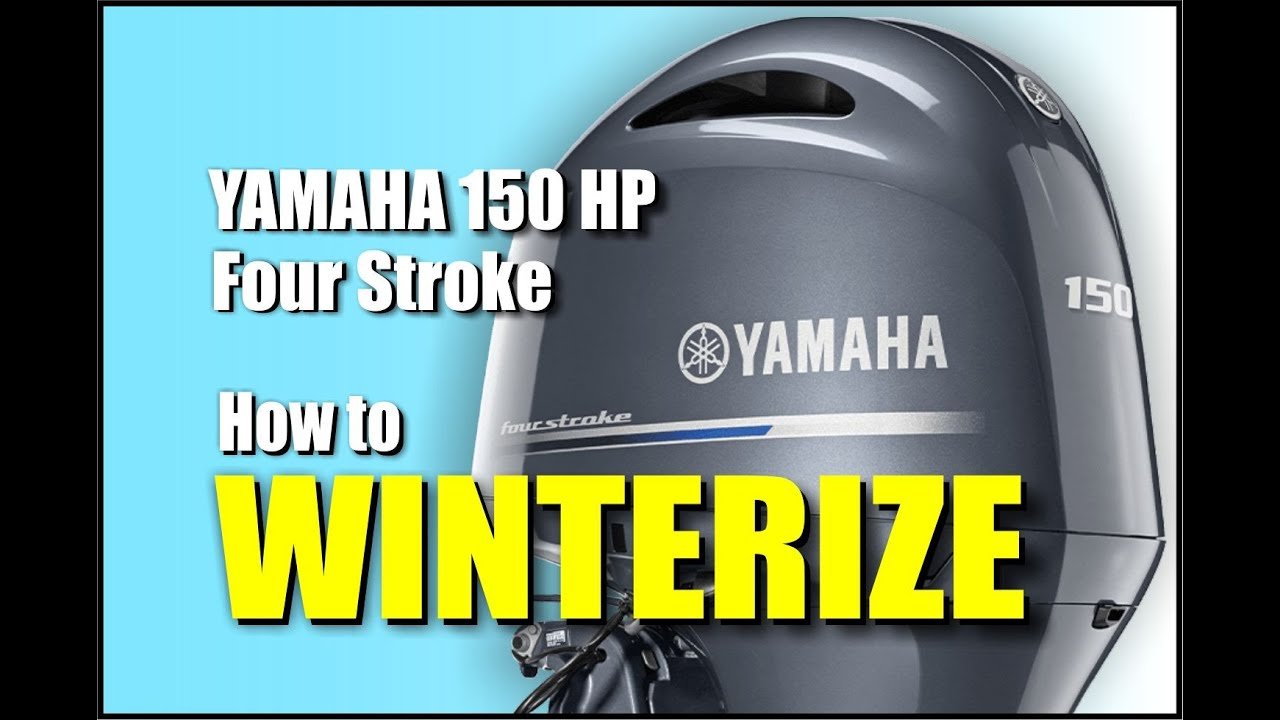
How to Winterize a Yamaha Outboard
Anybody who owns a boat long enough eventually learns this lesson the hard way.
Ignoring winterization can become expensive.
A lot of boat owners finish the season, park the boat, walk away for a few months, and assume everything will be fine when spring comes back around.
Then the problems start.
Dead batteries.
Fuel issues.
Corrosion.
Water damage.
Hard starting.
Sometimes even complete engine failure.
That is why so many boat owners search for How to Winterize a Yamaha Outboard before cold weather arrives.
And honestly, it makes sense.
Yamaha outboards are known for reliability, but even reliable marine engines still need proper care during storage periods.
This guide about How to Winterize a Yamaha Outboard was written for real boat owners who want to protect their engines properly while also understanding what matters most during seasonal storage.
We supply Yamaha outboard engines for buyers worldwide. Whether you need a replacement outboard, a low-hour Yamaha motor, a fishing boat engine, or a complete offshore setup, we help buyers source dependable marine engines with worldwide shipping support.
The goal stays simple.
Good engines. Honest information. Reliable marine equipment. No unnecessary sales talk.
Why Buyers Search for How to Winterize a Yamaha Outboard
Most people searching for How to Winterize a Yamaha Outboard are already dealing with one of two situations.
Either:
- They want to protect their current engine before winter
- They already experienced expensive winter damage before
Cold weather can destroy marine engines if water, fuel, and internal components are not handled properly before storage.
That is especially true in colder climates where freezing temperatures become severe.
Winterization helps protect:
- Cooling systems
- Fuel systems
- Internal engine parts
- Electrical components
- Lower units
- Propeller systems
Skipping proper winterization often creates expensive repair bills later.
Why Yamaha Outboards Need Winterization
A lot of boat owners assume marine engines are built tough enough to survive winter storage without preparation.
That is not really how it works.
Even strong engines like Yamaha outboards still deal with problems caused by:
- Moisture
- Fuel breakdown
- Internal corrosion
- Salt buildup
- Freezing temperatures
- Battery discharge
That is why proper winter storage matters.
Buyers searching for How to Winterize a Yamaha Outboard usually want to avoid replacing expensive engine parts later.
Our Yamaha Outboard Engine Supply
We supply Yamaha outboard engines for buyers worldwide.
Some customers are replacing older motors.
Others are repowering fishing boats or offshore vessels.
Some buyers are commercial operators replacing high-hour engines.
We help buyers source:
- Used Yamaha outboards
- Low-hour Yamaha engines
- Four-stroke marine motors
- Offshore Yamaha engines
- Replacement outboard motors
- Twin-engine setups
Availability changes depending on inventory and demand.
How to Winterize a Yamaha Outboard Properly
Winterizing a Yamaha outboard does not need to become complicated, but it does need to be done correctly.
The goal is simple.
Protect the engine during storage so it starts properly when boating season returns.
Flush the Cooling System
This is one of the most important steps.
Saltwater, dirt, sand, and debris stay trapped inside cooling passages after boating.
Flushing the engine helps remove buildup before storage.
Most Yamaha owners use freshwater flushing systems or flushing muffs attached to a hose.
Running clean water through the engine helps protect against:
- Salt corrosion
- Mineral buildup
- Cooling blockage
Change the Engine Oil
Old oil holds contaminants and moisture.
Leaving dirty oil inside the engine during winter storage is not a good idea.
Fresh oil helps protect internal engine parts while the motor sits unused.
That is why buyers researching How to Winterize a Yamaha Outboard almost always include oil service as part of the process.
Replace the Oil Filter
Changing the filter at the same time as the oil helps remove contaminants trapped inside the old filter.
That helps improve protection during storage.
Stabilize the Fuel System
Fuel problems become extremely common after winter storage.
Gasoline breaks down over time.
That can create:
- Hard starting
- Fuel injector problems
- Poor engine performance
- Gum and varnish buildup
Fuel stabilizer helps protect the fuel system during long storage periods.
Check the Fuel Filters
Dirty or water-contaminated fuel filters should be replaced before winter storage.
Clean filters help improve spring startup performance.
Fog the Engine if Necessary
Some boat owners fog the engine to help coat internal engine components with protective oil during storage.
This helps reduce internal corrosion.
Fogging procedures may vary depending on Yamaha engine type and model.
Inspect the Lower Unit
The lower unit handles a lot of stress during boating season.
That is why buyers searching for How to Winterize a Yamaha Outboard often inspect:
- Gear oil condition
- Propeller condition
- Seal leaks
- Fishing line damage
Milky lower unit oil can indicate water intrusion.
That should never be ignored before winter storage.
Change Lower Unit Gear Oil
Fresh gear oil helps protect gears and bearings during storage.
If water contamination exists, changing the fluid becomes even more important.
Remove and Inspect the Propeller
A lot of people skip this step.
That is a mistake.
Fishing line can wrap around the prop shaft and damage seals without owners noticing.
Removing the propeller helps inspect:
- Fishing line damage
- Corrosion
- Propeller wear
- Seal condition
Protect the Battery
Batteries often fail during winter storage because they sit discharged too long.
That is why proper battery maintenance matters.
Many boat owners:
- Disconnect batteries
- Store them indoors
- Use battery maintainers
- Fully charge batteries before storage
That helps extend battery lifespan.
Wash and Clean the Outboard
Saltwater engines should always be cleaned before winter storage.
Salt buildup creates corrosion problems quickly.
Cleaning helps protect:
- Engine covers
- External hardware
- Electrical connections
- Mounting systems
Spray Corrosion Protection
Corrosion protection sprays help protect external metal surfaces during storage.
That matters especially for saltwater boats.
Store the Engine Properly
Storage position matters more than some boat owners realize.
Outboards should usually remain stored in the proper vertical position whenever possible.
That helps water drain properly from the engine.
Yamaha Outboard Specifications
Most buyers ask for engine specifications before purchasing.
That is normal because different boats require different engine setups.
Yamaha F150 Specifications
Engine Type
Four-Stroke Outboard
Horsepower
150 HP
Fuel Type
Gasoline
Cooling System
Water-Cooled
Common Use
Fishing boats and offshore boats
Yamaha F250 Specifications
Engine Type
V6 Four-Stroke Outboard
Horsepower
250 HP
Common Use
Offshore fishing and larger boats
Yamaha F300 Specifications
Engine Type
V6 Four-Stroke Outboard
Horsepower
300 HP
Application
Large offshore and commercial boats
Why Buyers Prefer Yamaha Outboards
A lot of boat owners stick with Yamaha because of reliability.
That reputation matters.
Yamaha outboards are commonly used for:
- Offshore fishing
- Commercial boating
- Recreational boating
- Saltwater applications
- Twin-engine offshore setups
A properly maintained Yamaha engine can last a very long time.
Why Winterization Helps Engine Lifespan
Buyers searching for How to Winterize a Yamaha Outboard are usually trying to avoid expensive damage.
Proper winterization helps reduce risks like:
- Internal corrosion
- Fuel system damage
- Cooling system problems
- Battery failure
- Seal damage
- Freezing damage
That matters because marine engine repairs are expensive.
Shipping Yamaha Outboards Worldwide
We support worldwide shipping depending on buyer requirements.
Available shipping methods may include:
- Crated shipping
- Freight transport
- Container shipping
- Marine export handling
Engine Preparation
Before shipping, engines are usually:
- Secured properly
- Wrapped for protection
- Drained when required
- Prepared for safe transportation
Proper handling helps reduce shipping-related problems.
Why Buyers Continue Working With Us
Most repeat buyers come back for one reason.
Straightforward communication.
Nobody wants hidden surprises when purchasing marine engines.
We focus on:
- Honest engine information
- Proper shipping coordination
- Clear communication
- Reliable inventory updates
- Compatibility support
That matters more than flashy advertising.
Frequently Asked Questions
Why is winterizing a Yamaha outboard important?
Winterization helps protect the engine from corrosion, fuel breakdown, freezing damage, and storage-related problems.
How often should a Yamaha outboard be winterized?
Usually once before long-term cold-weather storage.
Do Yamaha outboards need fuel stabilizer during storage?
Yes. Fuel stabilizer helps protect gasoline during long storage periods.
Should lower unit oil be changed before winter?
Yes. Fresh gear oil helps protect internal components during storage.
Why do boat owners flush Yamaha outboards?
Flushing removes salt, dirt, and debris from the cooling system.
Can cold weather damage marine engines?
Yes. Freezing temperatures and moisture can create serious engine damage if winterization is ignored.
Do you sell Yamaha outboard engines?
Yes. We supply Yamaha outboards for buyers worldwide.
Are used Yamaha outboards available?
Yes. Used and low-hour Yamaha marine engines may be available depending on inventory.
Do you ship Yamaha outboards internationally?
Yes. Worldwide shipping support is available.
Why do buyers search for How to Winterize a Yamaha Outboard?
Most buyers want to protect their engines properly during seasonal storage and avoid expensive repair costs later.
Tips Before Storing a Yamaha Outboard
Before winter storage, boat owners should always verify:
- Oil condition
- Fuel system condition
- Gear oil quality
- Cooling system cleanliness
- Battery charge level
- Corrosion protection
- Proper engine storage position
Ignoring small maintenance steps often creates expensive problems later.
Final Thoughts on How to Winterize a Yamaha Outboard
Anybody who owns a Yamaha outboard knows marine engines are not cheap.
That is why proper winterization matters so much.
A little preparation before storage can prevent major repair bills later.
This guide about How to Winterize a Yamaha Outboard was written to help boat owners better understand the basic steps involved in protecting marine engines during cold-weather storage.
If you need a replacement Yamaha outboard, a low-hour marine engine, a fishing boat motor, or a complete offshore setup, we are ready to help with available inventory and worldwide shipping support.
Yamaha 300HP Outboard Review: Built for Speed and Strength – Yamaha 300HP outboard for sale
Electric vs Gas Outboard Motors: Pros, Cons & Which is Right for You
Posts Widget
- 1

- 2

- 3

- 4


S.H Continental Marine
USA HERALD MAGAZINE INC
Our team is dedicated to providing exceptional customer service.
Email: info@shcontinentalmarine.com
Choose S.H Continental Marine
for your outboard engine needs and enjoy superior quality, exceptional customer service, and unbeatable prices.
