
Outboard Motor Upgrades: The Complete Guide to When to Repower and What Pays Off (2026)

Outboard Motor Upgrades: When to Repower, What to Add First, and What Actually Pays Off
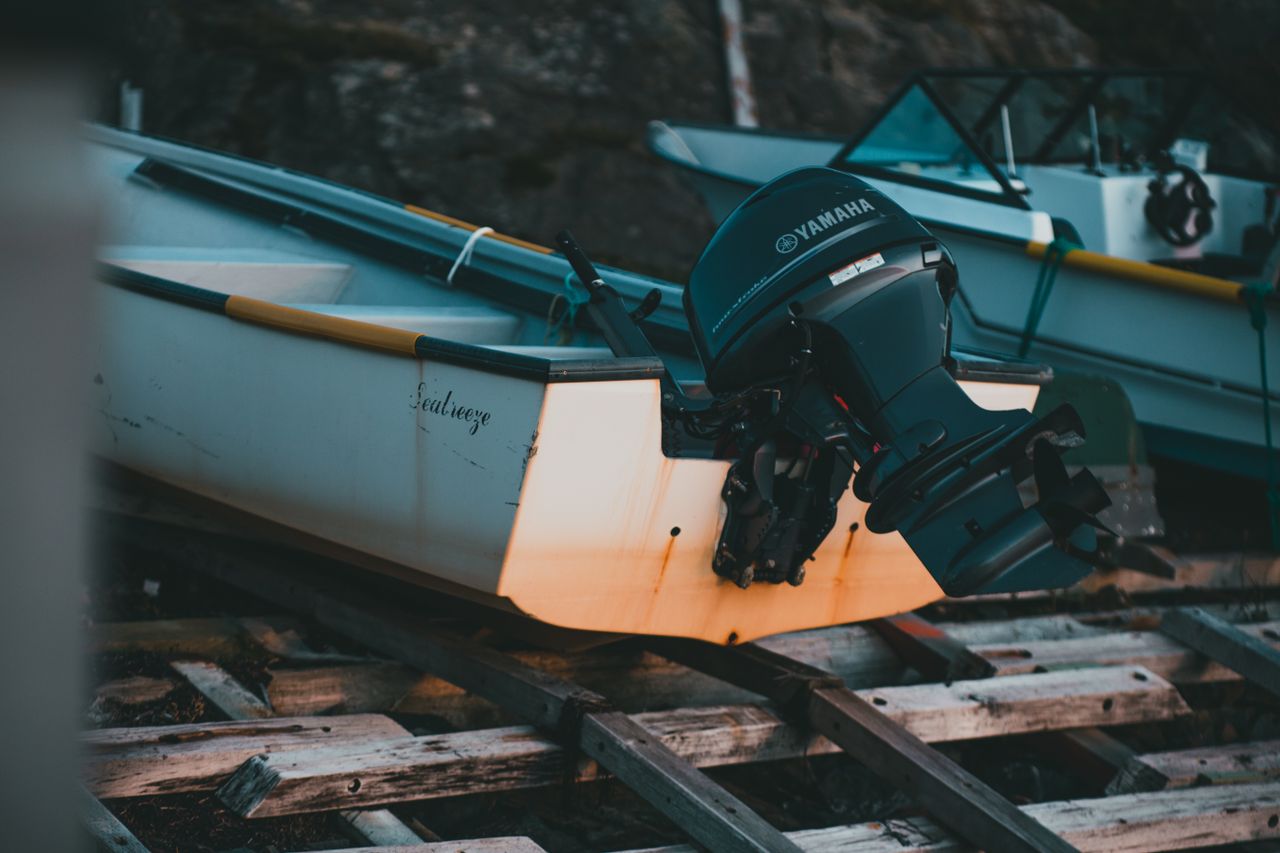
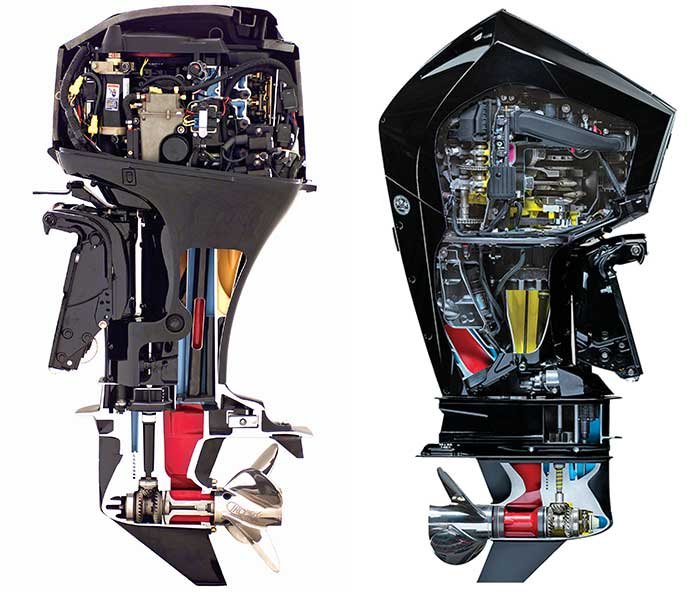
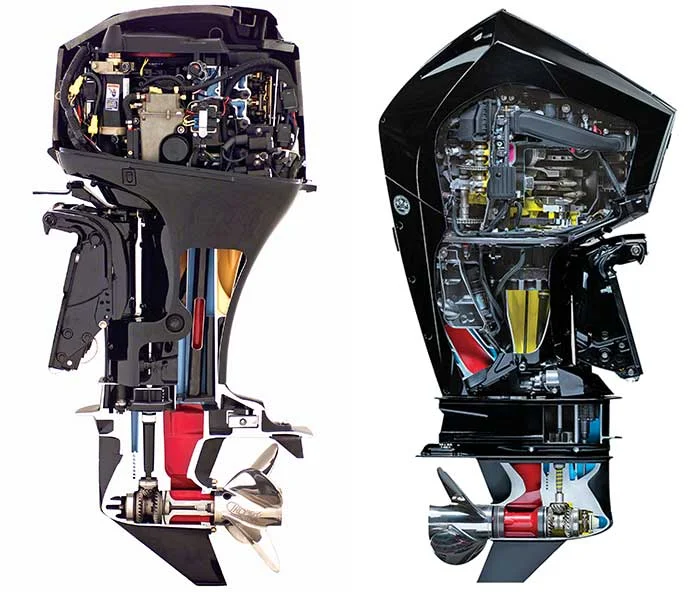
Every outboard owner eventually asks the same question at some point: is it time to fix what I have, add something to it, or replace the whole engine. The honest answer depends on the engine’s age, condition, and what’s actually driving the frustration, whether that’s fading performance, rising repair bills, or just wanting features the current setup doesn’t have. Outboard motor upgrades cover a much wider range than most owners initially think, from a fifty-dollar propeller swap to a full repower with a brand-new engine, and knowing where on that spectrum a given problem actually sits saves a lot of wasted money.
We handle both ends of that spectrum, small upgrades on engines customers already own and full repowers with a new motor, and we’d rather point a customer toward the fifty-dollar fix when that’s genuinely what solves the problem than sell a new engine that wasn’t actually needed.
Repower versus repair: the outboard motor upgrades decision that actually matters most
The clearest signal that a repair has crossed into repower territory is when the cost of fixing the current problem approaches a meaningful fraction of what a comparable replacement engine costs, especially once labor is added to parts. A gearcase rebuild on top of an aging power head, a cracked block, or an engine that’s already had multiple major repairs in recent seasons are all situations where continuing to repair often costs more over an eighteen-month window than repowering would have cost upfront.
On the other hand, an engine with a single isolated issue, good compression, reasonable hours, and no history of repeated failures is usually still worth repairing rather than replacing. The mistake we see most often isn’t picking the wrong side of this decision; it’s not running the numbers at all before deciding.
| Situation | Usually Points To |
|---|---|
| Single isolated failure, good compression, moderate hours | Repair |
| Repeated major repairs within 2–3 seasons | Repower |
| Even compression loss across all cylinders | Repower |
| Repair estimate over roughly 40–50% of replacement cost | Repower |
| Engine otherwise sound, just underpowered for current use | Upgrade (bigger engine) rather than full boat replacement |
Propeller upgrades: the highest-return outboard motor upgrades money can buy
If there’s one of all the outboard motor upgrades that consistently delivers more improvement per dollar than anything else, it’s moving to a properly matched, higher-quality propeller. Owners running the propeller that happened to come with the engine, rather than one actually matched to their boat and load, are leaving real performance on the table. Upgrading from aluminum to stainless steel improves durability and holds pitch more precisely under load, which translates into more consistent acceleration and top speed over the propeller’s life. For owners chasing better hole-shot with a loaded boat, a four-blade or higher rake option often outperforms a stock three-blade prop specifically in that scenario, even at a slight cost to outright top speed.
Electronics and digital gauge outboard motor upgrades
Older engines with analog gauges or no integrated monitoring at all can often be upgraded to digital gauge networks that report real-time fuel consumption, engine hours, trim position, and fault codes, assuming the engine’s ECU supports the data output required. Where this is possible, it’s one of the more practical outboard motor upgrades available, because it turns guesswork about engine condition into actual visible data at the helm. Boats running multiple instruments from different eras often benefit from consolidating onto a single NMEA 2000 network, the marine electronics data standard that lets engine, GPS, depth, and other instruments share a common data backbone instead of running as isolated, incompatible gauges.
Steering and control outboard motor upgrades
Converting from mechanical cable steering to hydraulic is one of the more noticeable outboard motor upgrades available on mid-to-large engines, particularly for owners who’ve found low-speed steering effort tiring over time. Digital throttle and shift systems, where supported by the engine, replace mechanical cables entirely with electronic controls, which reduces the maintenance points that can develop stiffness or play over years of use and, on twin-engine boats, makes synchronizing both engines considerably smoother than mechanical linkage ever does.
When upgrading the engine itself makes more sense than upgrading around it
Sometimes the honest recommendation is that no amount of propeller or electronics upgrading solves the actual problem, because the engine itself is simply undersized for how the boat is being used now. A boat that’s added a second livewell, a tower, or years of accumulated gear, or that’s now regularly towing water sports equipment it wasn’t originally purchased for, can outgrow its original engine’s practical capability even if that engine is running perfectly. In that scenario, the upgrade that actually solves the problem is more horsepower, not another accessory bolted onto an engine that’s already working as hard as it reasonably can.
| Current HP | Common Upgrade Path | Typical Driver |
|---|---|---|
| Under 25 HP | Step up to 40–60 HP | Added weight, more passengers, towing ambitions |
| 50–70 HP | Step up to 90–115 HP | Faster planing with a full load, better hole-shot |
| 90–150 HP | Step up to 200–250 HP | Offshore range, sustained cruise speed at higher load |
| 250 HP and up | Twin-engine repower or step to 300+ HP | Redundancy for offshore use, towing large water toys |
Trade-in and what to do with the old engine
An engine coming out during outboard motor upgrades still has value, whether it goes back into service on another boat, gets sold as a running used unit, or gets parted out if its condition doesn’t support a full resale. We evaluate trade-in engines using the same testing process we run on anything we sell, since an accurate trade-in value depends on actually knowing the engine’s real condition rather than guessing off its age and appearance. This can meaningfully offset the cost of a new engine, and it’s worth getting an actual evaluation rather than assuming an older engine has little value; a well-maintained engine with clean compression numbers often trades for more than owners expect.
Engines and upgrade paths currently available
A sample of what’s in stock for owners considering a step up in horsepower or a full repower:
| Motor | HP | Configuration | Approx. Price (USD) |
|---|---|---|---|
| Yamaha F60LB | 60 HP | 4-cyl, remote control | $4,780 |
| Yamaha T50LB High Thrust | 50 HP | 4-cyl, high thrust | $4,350 |
| Yamaha F90LB | 90 HP | 4-cyl EFI | $5,835 |
| Tohatsu MFS60D | 60 HP | 956cc, 4-cyl EFI | $5,450 |
| Yamaha LXF425USA V8 | 425 HP | V8, 30″ shaft | $23,600 |
| Yamaha LXF425USA7 V8 | 425 HP | V8, 30″ shaft | $23,800 |
Compare full lineups by brand: Yamaha outboards, Mercury outboards, Suzuki outboards, and our used outboard engines category for lower-cost repower options.
Corrosion protection and anode upgrades often overlooked
Older engines sometimes carry anode setups that were never matched correctly to the water they actually run in, and upgrading to the right anode material, zinc for saltwater, aluminum for mixed salt and brackish water, magnesium for freshwater only, is a low-cost upgrade that extends the life of far more expensive components. It’s not the upgrade anyone gets excited about, but it’s consistently one of the better dollar-for-dollar investments available on an engine that’s otherwise sound.
Fuel system upgrades for engines running modern ethanol-blended fuel
Older engines built before ethanol-blended fuel became standard in most markets sometimes have fuel lines, seals, and float components that weren’t designed for it. Upgrading these to ethanol-compatible parts is a preventive outboard motor upgrades project worth doing on any older engine still running its original fuel system components, since the alternative is dealing with degraded parts shedding debris into the fuel system over time, which eventually causes exactly the kind of intermittent running problems that are frustrating to chase down after the fact.
Cooling system and lower unit upgrades worth considering on older engines
An engine’s cooling system and lower unit rarely get thought of as upgrade candidates, mostly because they’re out of sight and only get attention when something fails. But there are genuine upgrade opportunities here beyond routine maintenance. Aftermarket high-volume water pump kits exist for many popular engines and can improve cooling margin on engines that are run hard or in consistently warm water, reducing the odds of heat-related power reduction during sustained high-RPM running.
On the lower unit side, upgrading to a higher-capacity gear lube or, where available, a modified gearcase for specific high-load applications, is a legitimate outboard motor upgrades path for owners running engines hard in commercial or heavy tow use, though it’s rarely necessary for typical recreational use where factory specifications already provide adequate margin.
Engine mounts, vibration, and the upgrade nobody thinks about until it’s loud
Engine mounts and rubber isolators degrade with age and heat cycling, and a worn mount doesn’t always announce itself clearly, it just gradually lets more vibration and noise transmit into the hull and helm than the engine originally produced. Replacing worn mounts is technically maintenance rather than an upgrade in the strictest sense, but pairing that replacement with upgraded, higher-durometer mounts designed for reduced vibration transfer is a genuine comfort upgrade that a lot of owners don’t realize is available until they experience a properly mounted engine on a comparable boat and notice the difference immediately.
Planning an outboard motor upgrades budget realistically
The upgrades that deliver the most noticeable improvement per dollar, propeller matching, fuel system updates on older engines, and anode correction, are also consistently the least expensive on this list. Steering conversions and digital gauge networks cost more and deliver real quality-of-life improvement but a smaller direct performance return. A full repower is the largest expense by a wide margin and should be reserved for situations where the engine itself, not an accessory around it, is genuinely the limiting factor. Working through upgrades roughly in that order, cheapest and highest-return first, is generally the smarter path unless there’s a specific reason, like an engine that’s already failing mechanically, to skip straight to a repower.
Shipping upgrade parts and engines to customers worldwide
We ship both complete engines and upgrade components, propellers, gauge kits, fuel system parts, worldwide, and we factor in what’s realistically serviceable in a customer’s home region before recommending a specific upgrade path. A digital gauge network is only a good recommendation if compatible displays and wiring are actually available or shippable to where the boat is located, and we’ll flag it honestly if a particular upgrade is going to be difficult to support long-term in a specific region rather than selling it anyway.
Electric and hybrid propulsion: where the technology actually stands
Electric outboard technology has matured significantly for smaller applications, tenders, small fishing boats, and low-speed use, where range limitations matter less. For larger boats needing sustained high-speed running over real distance, traditional combustion outboards remain the practical choice today, with electric and hybrid options still limited by battery weight and range at higher power outputs. We carry electric options for the applications where they make sense and can talk through whether the technology fits a specific use case honestly, rather than treating it as a universal upgrade path it isn’t quite ready to be for every application yet.
Timing upgrades around the season instead of scrambling mid-summer
The best time to plan most outboard motor upgrades is during the off-season or storage period, not in the middle of peak boating months when a shop’s schedule is backed up and parts availability is tighter. A propeller upgrade, steering conversion, or gauge network installation done during winter storage means the boat comes out of storage already improved rather than losing weeks of the season waiting for parts or install time. Owners who wait until a problem is actively bothering them mid-season end up making rushed decisions under time pressure, which is exactly when it’s easiest to overspend on an upgrade that doesn’t actually address the real issue.
How upgrades affect resale value
Not every upgrade adds resale value equal to its cost, and it’s worth knowing which ones do before spending. A well-matched, quality stainless propeller and documented fuel system updates tend to hold value well, since a buyer can see and test the direct benefit. Digital gauge and NMEA 2000 network upgrades also tend to appeal to buyers specifically because they demonstrate the engine has been kept current rather than left original from the factory.
Cosmetic changes and highly specific modifications tailored to one owner’s unusual use case, on the other hand, sometimes add little to resale and occasionally even complicate a sale if a buyer has to be walked through non-standard modifications. If resale value factors into the decision, we’re happy to weigh in on which upgrades are likely to pay back at sale time and which are purely for the current owner’s benefit.
Common mistakes in outboard motor upgrades decisions
Upgrading electronics or steering on an engine that’s mechanically failing and going to need replacement soon anyway, which wastes the investment. Jumping straight to a full repower when a propeller upgrade would have solved the actual complaint. Underestimating trade-in value on a well-maintained older engine and scrapping value that could have offset a new purchase. And choosing horsepower for a repower based on what fits the budget rather than what the boat and its typical load actually need, which just recreates the same mismatch with a newer engine.
Frequently asked questions
How do I know if I should repair or fully repower?
Get an actual repair estimate and compare it against replacement cost including labor. If the repair approaches roughly 40 to 50 percent of a comparable new engine’s price, repowering is usually the better long-term value.
Are propeller-focused outboard motor upgrades really worth doing before considering a bigger engine?
Almost always worth trying first. A properly matched, higher-quality propeller is inexpensive relative to a new engine and frequently resolves performance complaints that owners assume require more horsepower.
What’s my old engine actually worth toward a trade-in?
It depends on condition, not just age. Send us the model, hours if known, and any service history, and we’ll evaluate it properly rather than guessing off a general age bracket.
Are digital gauge upgrades possible on older engines?
Often yes, depending on whether the engine’s ECU supports the required data output. We can confirm compatibility for a specific model before recommending the upgrade.
Is now a good time to consider an electric outboard?
For smaller, shorter-range applications, yes, the technology is genuinely solid. For larger boats needing sustained speed and range, traditional combustion engines remain the more practical choice for now.
Do you install outboard motor upgrades on engines purchased elsewhere?
Yes, propeller changes, steering conversions, electronics upgrades, and fuel system updates are all things we handle regardless of where the original engine was purchased.
Should I upgrade before or after selling my boat?
If you’re planning to sell soon, prioritize upgrades that clearly demonstrate value to a buyer, like a documented propeller match or fuel system update, over highly personalized changes that mainly benefit your own use case.
What’s the best time of year to schedule upgrade work?
Off-season or storage period, when shop schedules and parts availability are both more favorable, and the boat comes out ready rather than losing time mid-season.
The bottom line
Smart outboard motor upgrades start with correctly diagnosing whether the actual problem is the engine itself, the propeller, the electronics, or simply an engine that’s been outgrown by how the boat is used now, rather than assuming a full repower is always the answer. We handle everything from a fifty-dollar propeller swap to a complete repower, and we’ll tell you honestly which end of that spectrum actually solves your problem. Browse our current inventory for repower options, or send us details on what you’re working with and what’s frustrating you about current performance, and we’ll help you figure out the upgrade that actually fixes it.
For what comes after any upgrade to keep it performing well, see our guide to outboard motor servicing, and check our current marine engine discounts if a repower is on the table. For the electronics and installation standards referenced above, see the NMEA 2000 marine electronics data standard and the American Boat and Yacht Council technical standards.
Posts Widget
- 1

- 2
- 3

- 4


S.H Continental Marine
USA HERALD MAGAZINE INC
Our team is dedicated to providing exceptional customer service.
Email: info@shcontinentalmarine.com
Choose S.H Continental Marine
for your outboard engine needs and enjoy superior quality, exceptional customer service, and unbeatable prices.
