
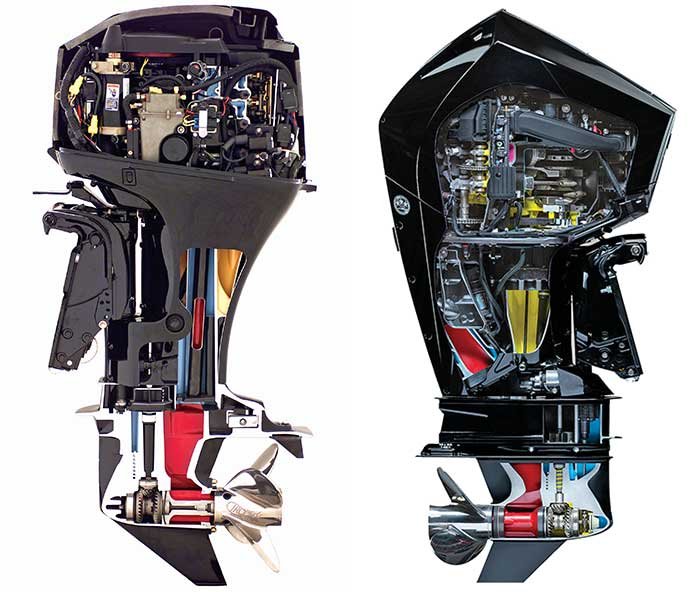
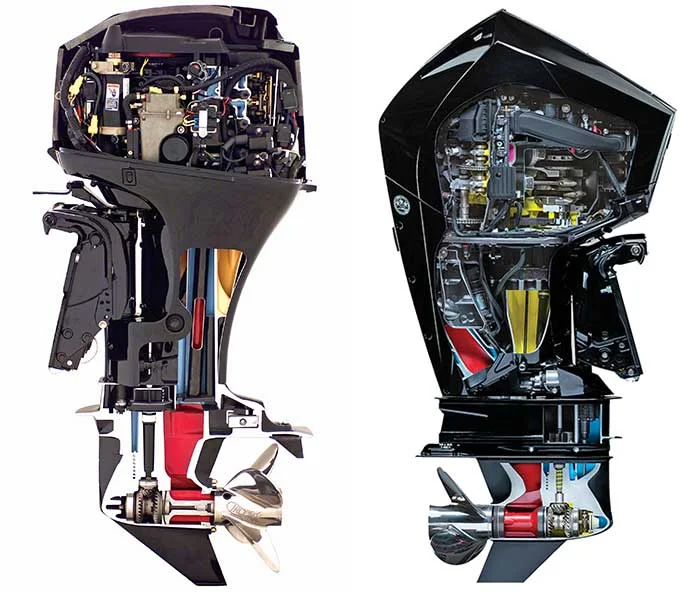

SUZUKI 60 HP DF60AVTL5 OUTBOARD MOTOR FOR SALE
$6,600.00
Suzuki DF60AVTL5: 60 HP high-thrust 4-stroke outboard, 20-inch shaft
- Engine: 941 cc inline 3-cylinder, DOHC 12-valve, EFI with Lean Burn
- Shaft length: 20 in (508 mm), L transom
- Dry weight: approx. 115 kg (254 lb)
- Controls: remote, mechanical (cable)
- Electric start; power trim and tilt
- Gear ratio: 2.42:1 High Energy Rotation, 14-inch propeller
- Colour: Nebular Black
- Use: pontoons, workboats and heavy displacement hulls
Did you like this product? Add to favorites now and follow the product.
Description
The Suzuki DF60AVTL5 is the high-thrust version of Suzuki’s 60 HP four-stroke. It adds Suzuki’s High Energy Rotation lower unit, with a 2.42:1 gear ratio and a 14-inch propeller, to the light 941 cc DOHC three-cylinder. It’s designed for pontoons, workboats and other heavy boats that need thrust more than top speed.
Why Choose a High-Thrust 60?
Standard 60 HP outboards are geared for lighter hulls. The Suzuki DF60AVTL5 trades a little top speed for much more pushing power at low and mid rpm, which makes docking, getting heavy boats on plane and running with a full load far easier. For lighter boats, the standard Suzuki DF60ATL5 is the better match.
Suzuki DF60AVTL5 Specifications
- Output: 60 HP (44.1 kW)
- Engine: inline 3-cylinder, DOHC 12-valve
- Displacement: 941 cc (57.4 cu in)
- Bore x stroke: 72.5 x 76 mm
- Fuel system: multi-point sequential EFI with Lean Burn Control
- Full-throttle range: 5,300 to 6,300 rpm
- Gear ratio: 2.42:1 High Energy Rotation lower unit (14-inch propeller)
- Alternator: 12 V, 19 A
- Shaft length: 20 in (508 mm), L transom
- Dry weight: approx. 115 kg (254 lb)
- Starting and trim: electric start, power trim and tilt
- Controls: remote, mechanical (cable)
- Recommended fuel: unleaded, 87 AKI / 91 RON
- Colour: Nebular Black
What High Energy Rotation Does
More thrust for heavy boats
The V models use a lower unit based on Suzuki’s DF140A gearcase, with a 2.42:1 ratio that turns a larger 14-inch propeller. Suzuki states this delivers substantially more thrust than its standard models, which helps pontoons and heavy boats with docking, acceleration and pushing a load.
Light for a high-thrust engine
Suzuki describes the DF60AV and DF50AV as the lightest and most compact high-thrust outboards in their classes, at around 115 kg on the 20-inch shaft.
Lean Burn economy
Fuel-saving Lean Burn Control is standard. Read more on Suzuki Marine’s website and our guide to outboard motors for pontoons.
Before You Buy the Suzuki DF60AVTL5
- Confirm a 20-inch transom.
- Need slightly less power? See the high-thrust Suzuki DF50AVTL5.
- Check that the engine is within your boat’s capacity plate rating.
- Choose a propeller using our propeller buying guide, and follow the break-in steps for a new outboard.
How the Suzuki DF60AVTL5 Performs on the Water
The Suzuki DF60AVTL5 sits in the most versatile part of the outboard range. At 60 HP it can plane a family runabout, a RIB or a mid-size aluminium fishing boat with a full crew and gear, and it has the torque to push a pontoon at a relaxed cruise. Mid-range power engines like this spend most of their life between idle and about three-quarters throttle, which is where four-stroke designs are at their quietest and most economical. With the right propeller it also has enough reserve to pull a skier or tube on a suitably light boat.
Expect performance to vary with the hull, how heavily you load it, how you trim it and which propeller you fit. Getting those details right often matters as much as the engine itself.
Is 60 HP the Right Size for Your Boat?
Start with the capacity plate fixed near the helm or transom of your boat. It states the maximum horsepower and the maximum engine weight the hull is rated for, and you should never exceed either. Within that limit, it pays to think about how you really use the boat: an engine near the top of the rating handles heavy loads and rough water better, while a smaller one is lighter and cheaper to run. Think about your typical load too: the number of people, fuel, water, fishing or diving gear can easily add several hundred pounds.
If you are repowering, compare the Suzuki DF60AVTL5 with the engine you are replacing. Changing the weight on the transom alters trim and how the boat sits in the water, so a large step up or down in weight may need a different propeller or a change in mounting height. Our repower cost guide helps you plan the whole job.
Choosing a Propeller for the Suzuki DF60AVTL5
The propeller is the single biggest factor in how the Suzuki DF60AVTL5 performs on your boat. The goal is for the engine to reach the top of its rated full-throttle rpm range with a normal load. If it over-revs, fit a propeller with more pitch; if it cannot reach the range, reduce the pitch. As a rule of thumb, each inch of pitch changes full-throttle engine speed by roughly 150 to 200 rpm.
- Aluminium propellers are affordable and a good choice for shallow or debris-filled water, where a strike is likely.
- Stainless steel propellers cost more but flex less, keep their shape and often improve hole shot and top speed.
- Rotation: Standard-rotation engines use a right-hand propeller; check the rotation marking before you buy a spare.
Keep a spare propeller and the fitting kit on board. For a fuller explanation of pitch, diameter and blade count, read our propeller buying guide.
Installing and Mounting the Suzuki DF60AVTL5
Remote-control models like the Suzuki DF60AVTL5 need controls, a steering system, a fuel system, gauges and a correctly sized battery cable. Many owners have a qualified marine technician rig the boat, because control cable adjustment, steering set-up and wiring all affect safety and reliability.
Mounting height matters on every outboard. As a starting point, the anti-ventilation plate above the propeller should sit roughly level with the bottom of the hull. Set too low, the gearcase creates drag and spray; set too high, the propeller can ventilate and lose grip in turns. The 20-inch shaft on this model must match your transom height, measured from the top of the transom down to the bottom of the hull on the centreline. Our long shaft vs short shaft guide shows how to measure correctly.
Break-In and the First Hours
A new engine needs a careful break-in so the piston rings, bearings and gears bed in properly. Follow the break-in procedure in the Suzuki owner’s manual for the Suzuki DF60AVTL5 exactly. In general, most makers ask you to vary engine speed, avoid long periods at one rpm and avoid sustained full throttle for roughly the first ten hours. Many also recommend an early first service to change the engine oil and gear oil and check for leaks. Our outboard break-in guide walks through the process step by step.
Fuel, Oil and Everyday Running
Use fresh, good-quality petrol of the octane listed in the owner’s manual for the Suzuki DF60AVTL5. Petrol that contains ethanol absorbs water and goes stale over time, so add a marine fuel stabiliser if the boat will sit for more than a few weeks, and fit a water-separating fuel filter on boats with a built-in tank. Four-stroke engines like this one do not need oil mixed into the fuel, but you should check the engine oil level regularly and use the oil grade the manufacturer specifies.
Before each trip, check the fuel level and connections, make sure the kill-switch lanyard is attached, and confirm a strong stream of cooling water from the tell-tale outlet once the engine starts. After the trip, especially in salt water, flush the engine with fresh water and rinse the outside to slow corrosion.
Maintenance Schedule for the Suzuki DF60AVTL5
Regular maintenance is the best way to keep the Suzuki DF60AVTL5 reliable for many seasons. The exact intervals for your engine are in the Suzuki owner’s manual; the table below shows the kind of schedule most four-stroke outboards follow.
- After every use: flush with fresh water, check for fuel or oil leaks and inspect the propeller.
- First service (often around 20 hours): change the engine oil and gear oil, and check bolts and connections.
- Every 100 hours or once a year: engine oil and filter, gearcase oil, spark plugs, fuel filters, anodes and greasing points.
- Every two to three years: replace the water pump impeller, or sooner if you run in sandy or silty water.
Keep a simple log of hours and services; it helps you plan work and supports resale value. See our Suzuki outboard maintenance guide and our guide to lower unit oil for more detail.
Storage and Winterizing
If the Suzuki DF60AVTL5 will sit unused for more than a month or two, prepare it properly. Stabilise the fuel and run the engine so treated fuel reaches the injectors or carburettor, change the engine oil so acidic old oil does not sit in the engine, change the gear oil and check it for water, fog the cylinders if the manual recommends it, and grease the fittings. Leave the engine trimmed down so water drains from the gearcase and cooling passages. Remove or maintain the battery. Our Suzuki winterizing guide lists each step.
Troubleshooting Common Issues
Most problems on a well-maintained outboard have simple causes. Check these first before booking a technician:
- Hard starting: stale or contaminated fuel, a blocked fuel filter, a loose kill-switch lanyard, a weak battery or a pinched fuel line.
- No water from the tell-tale: stop the engine and check for a blocked outlet, weed on the water intake or a worn water pump impeller.
- Vibration: a damaged or fouled propeller, or debris wrapped round the propeller shaft.
- Loss of power: fuel restriction, a fouled spark plug, the wrong propeller or too much load. On electronic engines, warning lights or gauge alerts point to the fault.
- Ventilation in turns: mounting height or trim may need adjusting.
If a warning alarm sounds, reduce throttle, stop when it is safe and investigate before running again. Persistent faults should be checked by a qualified technician.
How the Suzuki DF60AVTL5 Compares With Other Options
As a remote-control engine, the Suzuki DF60AVTL5 suits boats with a console. If you have a small open boat with no console, a tiller version of a similar engine can save rigging cost and weight.
Shaft length is the other key choice. This model has a 20-inch shaft; other versions of the same engine are available in different lengths to suit lower or higher transoms. Across brands, Suzuki competes closely with the other leading outboard makers on reliability, fuel economy and service support, so the best choice often comes down to dealer access where you boat, controls and gauges already on the boat, and the specific features you value. Our outboard brands comparison sets out the main differences.
Getting the Best Fuel Economy From the Suzuki DF60AVTL5
Fuel is one of the biggest running costs of any boat, and a few habits make a real difference. First, trim the engine so the bow lifts slightly and the boat runs on the flattest part of the hull; too much trim makes the propeller ventilate, too little pushes the bow into the water. Second, find the boat’s most efficient cruising speed, usually just above the point where it planes cleanly, rather than running near full throttle. Third, spread the load evenly and avoid carrying weight you do not need, such as full water tanks or unused gear.
A clean hull and a propeller in good condition also save fuel: marine growth, dents and bent blades all increase drag. Many engines in this class can display fuel flow on a digital gauge, which makes it easy to find the most economical rpm for your boat with the Suzuki DF60AVTL5 fitted. Our guides to outboard fuel efficiency and four-stroke outboards go into more detail.
Controls, Gauges and Electronics
A remote-control engine like the Suzuki DF60AVTL5 connects to a binnacle or panel control at the helm, plus gauges that show engine speed, trim, temperature, fuel and alerts. Modern engines often send this data over a digital network, so a compatible multifunction display can show it alongside your chartplotter and sonar. Use correctly sized battery cables, a battery switch and good-quality marine connectors, and route wiring away from fuel lines and moving parts.
Whatever the set-up, test the kill switch and the neutral-start safety feature regularly. If the engine will start in gear or the lanyard does not stop it, have it repaired before you go out.
Safety Equipment and Good Habits
A reliable engine is only part of safe boating. Before every trip with the Suzuki DF60AVTL5, check the weather and tell someone where you are going and when you expect to return. Carry the safety equipment your local rules require, which usually includes lifejackets for everyone on board, a fire extinguisher, a sound signal, navigation lights and a way to call for help such as a VHF radio. A paddle or a small auxiliary engine, a spare propeller, spare fuel, a basic tool kit, a spare kill-switch lanyard, plugs and a fuel filter can turn a breakdown into a short delay.
Always wear the kill-switch lanyard while the engine is running, keep people well clear of the propeller when anyone is in the water, and never run the engine in an enclosed space because exhaust gases are dangerous.
Long-Term Ownership and Resale Value
Outboards from the major brands hold their value well when they are cared for. To get the most from the Suzuki DF60AVTL5 over its life, keep every service receipt in one place, use genuine or manufacturer-approved parts and oils, and record engine hours at each service. Fit a cover when the boat is stored, keep the anodes in good condition, and touch up chipped paint on the gearcase before corrosion starts. A well-documented engine is easier to sell, and buyers will pay more for one with a clear history.
If you ever upgrade, a clean, well-maintained Suzuki DF60AVTL5 is also a strong candidate for trade or private sale. Our guide on buying used outboard motors explains what buyers look for, which is useful to know as an owner too.
Typical Uses for the Suzuki DF60AVTL5
Owners choose the Suzuki DF60AVTL5 for a wide range of jobs. Some of the most common are:
- Family days out in a runabout or RIB
- Fishing coastal waters in a mid-size aluminium or fibreglass boat
- Cruising a pontoon with friends and family aboard
- Work and patrol duties where dependable mid-range power is needed
Whatever you use it for, the same basics apply: match the engine to the boat’s rating, choose the right propeller, keep up with servicing and treat the fuel well. Do that, and the Suzuki DF60AVTL5 should give you dependable, economical running season after season. If you are unsure whether it suits your plans, tell us about your boat and how you use it, and we will help you decide.
First-Trip Checklist for the Suzuki DF60AVTL5
Before you take the Suzuki DF60AVTL5 out for the first time, run through a simple checklist. It takes a few minutes and catches most of the problems that spoil a first outing.
- Confirm the engine is securely mounted and the mounting bolts or clamp screws are tight.
- Check the engine oil level and the gearcase oil, as the engine may have been shipped with minimal oil; follow the owner’s manual.
- Check that the fuel line, primer bulb and connectors are secure and that there are no leaks.
- Make sure the propeller is the right one for your boat, correctly fitted and secured with its nut and cotter pin or locking tab.
- Test the kill-switch lanyard, the neutral-start safety and the steering from lock to lock.
- Run the engine in the water and confirm a steady stream from the cooling-water tell-tale before you leave the dock.
- Keep the first outing short and close to shore, and follow the break-in instructions.
Any issue that appears on the first trip is far easier to sort out close to home. If you have questions at any stage, contact us and we will help.
Ordering and Delivery
Delivery times and costs depend on your location and the shipping method; the details are on our shipping policy page. When the Suzuki DF60AVTL5 arrives, inspect the crate or packaging before signing, note any visible damage on the delivery receipt and take photos. Check the model code on the engine’s identification plate against your order, and keep all paperwork, as you will need it for registration and future service. If you have any questions about what is included, such as a propeller, controls or a fuel tank, contact us before you order.
Frequently Asked Questions About the Suzuki DF60AVTL5
What boats is the Suzuki DF60AVTL5 suited to?
It is best suited to runabouts, RIBs, pontoons and mid-size aluminium fishing boats, within the limits on your boat’s capacity plate.
Can I use it in salt water?
Yes. Like other modern marine outboards, the Suzuki DF60AVTL5 is designed for both fresh and salt water. After saltwater use, flush the engine with fresh water and check the anodes regularly.
What fuel does it use?
It runs on unleaded petrol of the octane given in the owner’s manual. As a four-stroke, it needs no oil mixed into the fuel.
How often does it need servicing?
Most four-stroke outboards need a first service after their break-in hours and then a full service every 100 hours or once a year, whichever comes first. Check the Suzuki owner’s manual for the exact schedule.
How do I choose the shaft length?
Measure from the top of the transom to the bottom of the hull on the centreline. About 15 inches suits a short shaft, 20 inches a long shaft, 25 inches an extra-long shaft and 30 inches an ultra-long shaft.
How long will it last?
With regular servicing, correct storage and sensible use, a modern four-stroke outboard can give many years of reliable service. Engine hours, maintenance history and how hard it has been run matter more than age alone.
Can I fit it myself?
Remote-control engines involve controls, steering, fuel and electrical work, so we recommend a qualified marine technician for the installation.
Is a propeller included?
Supply varies by model and listing. Please contact us before ordering and we will confirm exactly what comes with the engine.
More Outboards and Buying Guides
- Suzuki DF70ATL5 70 HP from a bigger 1.5-litre four
- Suzuki 50 HP outboards
- Yamaha 60 HP outboards
- Best Suzuki outboards for pontoon boats
- Best Suzuki outboards for smaller boats
- How we test every engine before it ships
The current Suzuki DF60AVTL5 price is shown on this page. Check our shipping policy and returns policy, compare the full Suzuki 60 HP outboard range, or contact us with any fit or rigging questions.
Related products


S.H Continental Marine
USA HERALD MAGAZINE INC
Our team is dedicated to providing exceptional customer service.
Email: info@shcontinentalmarine.com
Choose S.H Continental Marine
for your outboard engine needs and enjoy superior quality, exceptional customer service, and unbeatable prices.

Reviews
There are no reviews yet.