
Marine Outboard Engine: Everything You Need to Know Before You Buy
Most people shopping for a marine outboard engine already know what they want. They just need to find someone who actually has it in stock, ships it properly, and doesn’t disappear after taking their money. That’s what we do at SH Continental Marine. We sell Yamaha outboard engines to buyers worldwide — fishermen, boat builders, marine workshops, commercial operators, and private owners who just want a reliable engine on the back of their boat.
This isn’t a general overview written by someone who’s never touched an engine. It’s a practical breakdown of what matters when you’re choosing a marine outboard engine, what to watch out for, and how to keep it running once you have it.
What a Marine Outboard Engine Actually Is
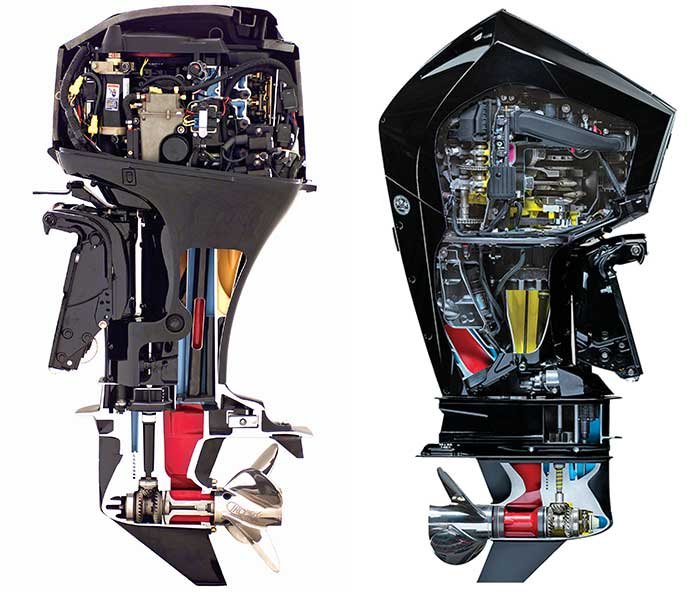
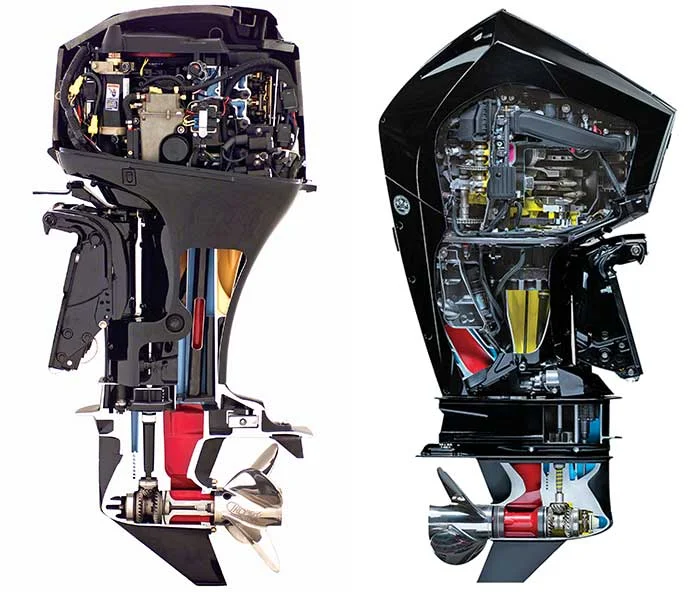
A marine outboard engine mounts on the outside of the boat — on the transom at the stern. The whole unit is self-contained: powerhead on top, gearbox in the middle, propeller at the bottom. Everything in one package. That’s different from an inboard, where the engine sits inside the hull and connects to a shaft that runs through the bottom of the boat.
The reason outboards have been the dominant choice for smaller and mid-sized boats for decades is simple. When something goes wrong, you can pull the whole marine outboard engine off, send it to a mechanic, and put it back on. You’re not draining a bilge or cutting access panels. And if you’re running in shallow water, you tilt it up. That kind of practical flexibility is hard to beat.
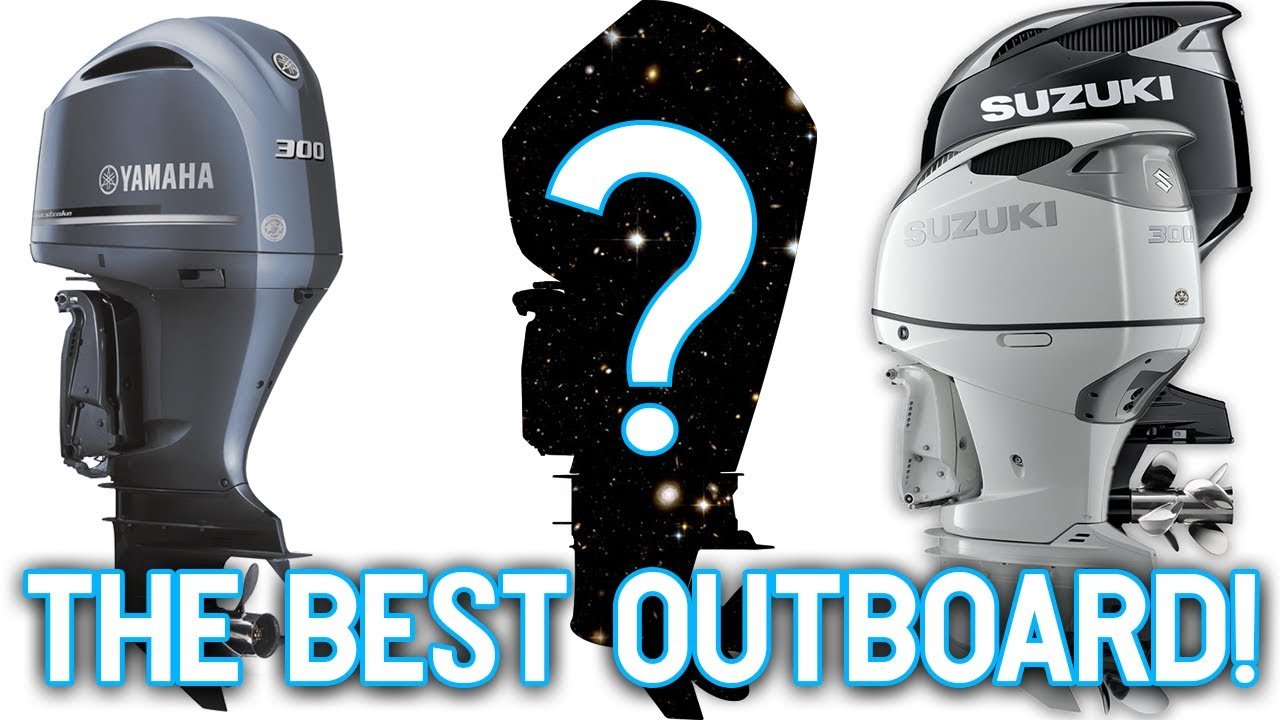
We stock Yamaha outboard engines across a range of horsepower ratings. Yamaha has been the benchmark in this category for a long time, and in our experience, customers who buy them don’t come back complaining. That matters to us.
Two-Stroke vs Four-Stroke
If you’re looking at older or budget engines, you’ll still come across two-stroke marine outboard engines. They’re lighter and have fewer moving parts, which sounds appealing until you factor in the oil-and-fuel mixing, the smoke, the shorter lifespan, and the noise. Two-strokes made sense before four-stroke technology caught up. Now they mostly make sense if weight is the only thing that matters and the engine won’t see heavy use.
For almost everyone else, a four-stroke marine outboard engine is the right call. It burns regular gasoline, runs quietly, uses less fuel, and lasts significantly longer with proper maintenance. The Yamaha four-stroke range we carry at our store is what most of our customers end up with, and they rarely second-guess it.
Getting the Horsepower Right
Every boat has a maximum horsepower rating stamped on the capacity plate. Don’t exceed it. Beyond that, the goal is to match the marine outboard engine to how the boat is actually used — not just what fits on paper.
- Under 15 HP — Small aluminum tinnies, dinghies, canoes, tenders. Easy to carry, easy to maintain, no fuss.
- 15 to 60 HP — Mid-range fishing boats, jon boats, bay boats. A marine outboard engine in this range has real grunt without being overkill on a lighter hull.
- 70 to 115 HP — Center consoles, pontoons, general-purpose vessels. Our Yamaha 90 HP F90LB sits in this class and sells consistently to buyers around the world.
- 150 HP and above — Offshore boats, twin-engine setups, serious working vessels. These marine outboard engines are built for boats that need to cover distance fast and carry weight doing it.
Not sure what HP you actually need? Contact us with your boat’s specs and we’ll give you a straight answer, not a sales pitch.
Why Yamaha
We sell Yamaha because that’s what works. That’s not a marketing line — it’s what we’ve seen consistently over years of supplying marine outboard engines to buyers in different countries, different climates, and different operating conditions. The engines start reliably, they don’t require constant attention, and when you eventually sell the boat, a Yamaha on the back holds value better than most alternatives.
The engineering specifics that matter: Yamaha uses Electronic Fuel Injection across their current four-stroke range, their corrosion protection is genuinely good for saltwater use, and their service network is wide enough that parts and qualified mechanics aren’t hard to find almost anywhere in the world.
We supply these engines to customers ranging from recreational fishermen in Southeast Asia to commercial operators in West Africa and charter businesses in the Caribbean. Every Yamaha marine outboard engine we sell comes through authorized supply channels with full documentation.
Specs That Actually Matter When You’re Buying
EFI vs Carbureted
If two marine outboard engines are priced similarly and one has EFI while the other doesn’t, take the EFI. Better cold starts, better throttle response, better fuel economy, fewer issues over time. Yamaha has been fitting EFI to their four-stroke outboards for years and the difference in day-to-day reliability is noticeable.
Shaft Length
Short shaft is 15 inches. Long shaft is 20 inches. Extra-long is 25 inches. The shaft length of your marine outboard engine needs to match your transom height. Get this wrong and the prop either cavitates at the surface or the engine sits too deep. Both hurt performance and fuel economy. Measure your transom before you order.
Power Trim and Tilt
Power trim lets you adjust the running angle of the marine outboard engine while you’re moving — useful for dialing in efficiency at different speeds and sea conditions. Power tilt lets you lift the engine clear of the water when you’re in shallow areas or loading onto a trailer. If you’re using the boat seriously, you want both. It’s not a luxury feature.
Alternator Output
Modern fishing and cruising boats run a lot of gear — sonar, GPS, radios, lights, livewells, chargers. A marine outboard engine with a weak alternator means you’re draining your battery faster than it’s being charged. The Yamaha 90 HP engines we stock come with a 35-amp alternator, which handles most setups without issue.
Maintenance You Actually Have to Do
A marine outboard engine is not maintenance-free. The ones that last 2,000-plus hours get there because someone looked after them. The ones that fail early usually have a history of skipped services and ignored warning signs.
Flush After Saltwater
Every single time. Run fresh water through the cooling system for a few minutes after any saltwater use. Salt crystallizes inside the cooling passages and causes corrosion from the inside out. It’s a slow process and you won’t notice it until there’s a real problem. Our post on how to flush a Yamaha outboard motor covers the process properly. Five minutes of flushing after each trip can add years to your marine outboard engine.
Oil Changes
A four-stroke marine outboard engine needs its oil changed every 100 hours or once a year, whichever comes first. Use the right oil — it’s not interchangeable with automotive oil in all cases. Our guide on the best oil for Yamaha outboards breaks down exactly what to use and why. Skipping oil changes doesn’t save money. It moves money from your wallet to a mechanic’s later on.
Impeller
The water pump impeller is the rubber vane that pushes cooling water through your marine outboard engine. When it fails, the engine overheats within minutes and the damage can be expensive. Replace it every 100 to 200 hours. It’s a cheap part and a straightforward job. Our impeller replacement guide walks through it clearly. Don’t wait until the engine overheats to think about this.
Propeller
Check the prop before every season and after any hit on debris or submerged objects. A bent or nicked blade makes your marine outboard engine work harder, vibrates the whole drivetrain, and burns more fuel. It’s also a sign that the prop shaft might have taken a hit worth inspecting. Our guide on propellers for Yamaha outboards helps you choose a replacement when needed.
Overheating
If your marine outboard engine is running hot, shut it down and find out why before running it again. Common causes: blocked water intake, failed impeller, stuck thermostat, head gasket starting to go. We’ve covered all of these in our post on Yamaha outboard overheating causes. Running a hot engine is how small problems become engine replacements.
When It Won’t Start
A marine outboard engine that won’t fire up usually has one of a small number of causes: flat battery, stale or contaminated fuel, fouled spark plugs, kill switch issue, or a fuel delivery problem. Before you call a mechanic, work through the basics. Our Yamaha outboard won’t start troubleshooting guide goes through each cause in order. Most no-start issues can be diagnosed and fixed without professional help.
Reading Your Gauges
Your helm gauges are the only real-time window into what your marine outboard engine is doing. RPM, water temperature, oil pressure, battery voltage, trim angle — these tell you what’s normal and flag what isn’t. If you don’t know what each gauge means or what a normal reading looks like, our post on Yamaha outboard gauges explained is worth reading before your next trip.
Getting the Rigging Right
A marine outboard engine is only part of the setup. The control system — throttle, shift, steering — has a big effect on how the boat actually handles. A worn or poorly fitted control box makes docking awkward and trolling imprecise. If you’re setting up from scratch or replacing aging controls, read our Yamaha outboard control box buying guide first.
On the accessories side, engine flushing kits, stainless props, fuel water separators, and quality engine covers all extend the service life of a marine outboard engine in practical ways. See our top Yamaha outboard accessories list for what’s actually worth buying.
And when something needs replacing, use OEM parts. Our genuine Yamaha outboard parts guide explains why cheap aftermarket substitutes often end up costing more than the parts they replaced.
Saltwater vs Freshwater
Running a marine outboard engine in saltwater is harder on the engine than freshwater — full stop. The maintenance schedule is more demanding, the inspection intervals need to be tighter, and corrosion protection matters a lot more. Yamaha builds their engines with this in mind: specialized aluminum alloy, sacrificial anodes on the lower unit, coated internal passages. It’s not marketing. It’s what makes a Yamaha marine outboard engine viable for people who put real hours on their equipment in coastal conditions.
The National Marine Manufacturers Association has consistently placed Yamaha among the top-rated brands in the outboard segment. That means something when you’re trying to decide between comparable engines on price.
Five Things to Check Before You Buy
- Your boat’s maximum HP rating. It’s on the capacity plate. Never put a marine outboard engine on a boat that isn’t rated for it.
- Transom height. Determines whether you need a short, long, or extra-long shaft.
- How you’ll actually use it. Fishing, cruising, working, offshore — each changes what you need from a marine outboard engine.
- Fuel grade availability. Matters if you’re operating in remote areas. Confirm the engine runs on what you can get.
- Parts and service access. A marine outboard engine from a brand with a global service network is a safer long-term bet than a cheaper alternative with limited support.
If you’re not sure about any of these, get in touch through our contact page with your boat’s details and we’ll sort it out with you.
Why Buy From Us
We’re not a marketplace listing engines we don’t actually have. We stock genuine Yamaha marine outboard engines, source them through authorized channels, and ship them properly to buyers worldwide. No grey-market units, no repackaged returns.
When you order from SH Continental Marine, the engine is packed correctly for transit, fully insured, and tracked. We’ve shipped to the UK, Australia, the US, Canada, the Middle East, Southeast Asia, and across sub-Saharan Africa. We know the logistics and we deal with customs documentation as a matter of course.
Our pricing is honest. We work at volume and we’d rather have a customer come back than pad a margin on a single sale. That’s how we’ve built repeat business across multiple continents.
Browse our current marine outboard engine inventory or contact us directly if you don’t see what you need. We have access to more stock than what’s listed at any given time.
Common Questions
How long does a marine outboard engine last?
A well-maintained Yamaha marine outboard engine will typically reach 1,500 to 3,000 hours before needing serious internal work. Plenty of operators get past 2,000 hours on routine maintenance alone. The variables: consistent flushing after saltwater use, regular oil changes, and not ignoring warning signs when they show up.
Can I run the same engine in saltwater and freshwater?
Yes. Yamaha marine outboard engines are built for both. The difference is what you do after saltwater use — flush thoroughly and check the anodes regularly. Freshwater use is less demanding and standard service intervals apply.
Do you ship internationally?
Yes. We ship marine outboard engines worldwide. We handle packaging, documentation, and logistics. Use our contact page to get a quote for your location.
What warranty do your engines come with?
New Yamaha marine outboard engines come with the manufacturer’s warranty covering materials and workmanship. Contact us for the specific terms on the unit you’re looking at.
Ready to Order
If you know what you need, head to our shop. If you’re still working it out, use the contact page and give us the details. We’ll get back to you fast with a straight answer on availability, pricing, and shipping to your location.
Posts Widget
- 1

- 2
- 3
- 4


S.H Continental Marine
USA HERALD MAGAZINE INC
Our team is dedicated to providing exceptional customer service.
Email: info@shcontinentalmarine.com
Choose S.H Continental Marine
for your outboard engine needs and enjoy superior quality, exceptional customer service, and unbeatable prices.
