
Buy Mercury Outboards: The Ultimate 2026 Buying Guide
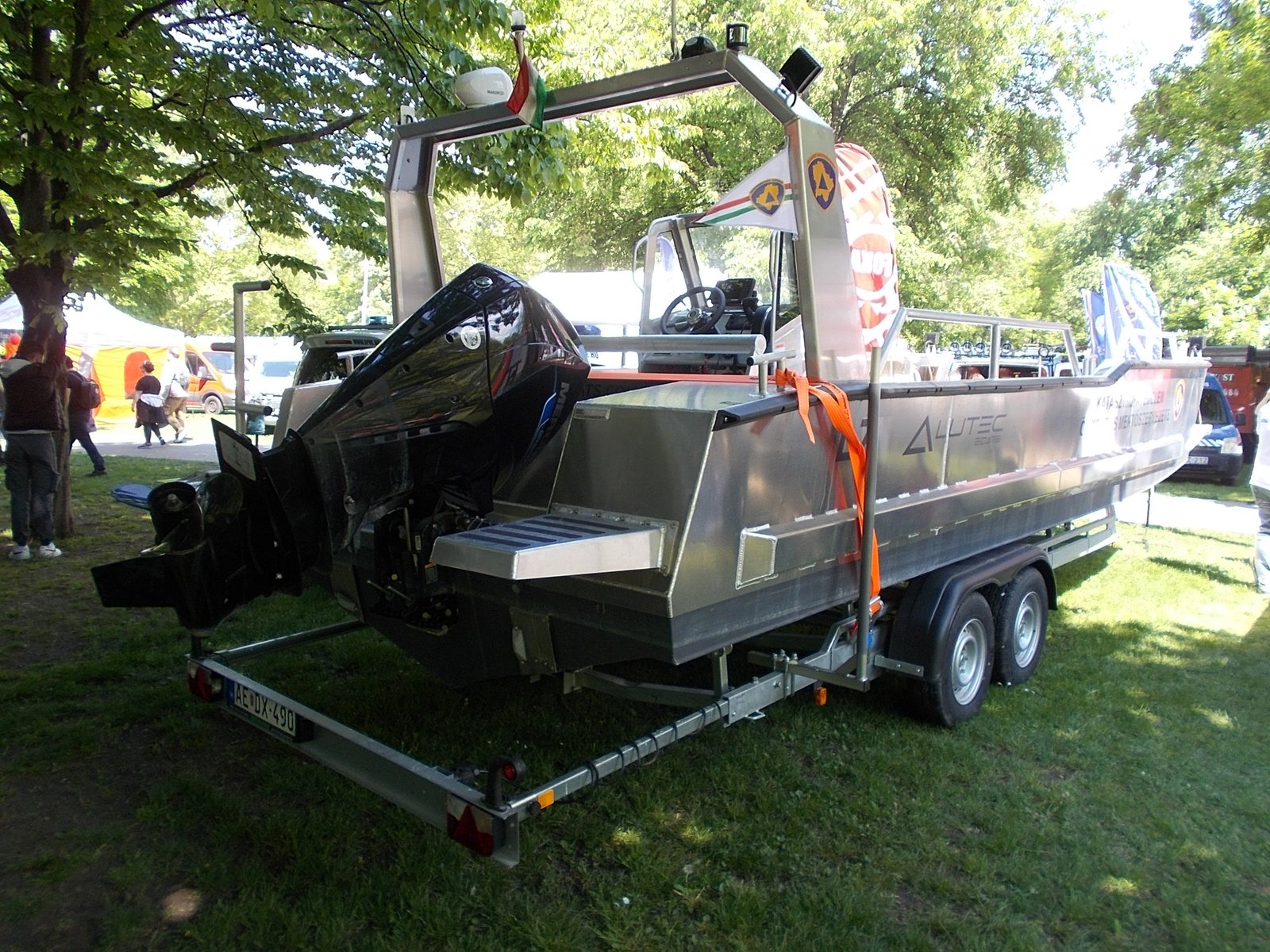
If you’re ready to buy Mercury outboards, you’re looking at the best-selling outboard brand in North America and one of the most recognized names in marine propulsion worldwide. Mercury has built its reputation on horsepower-per-pound performance and digital control technology that most competitors are still catching up to. We’ve sold and shipped Mercury outboards to customers on five continents, so here’s a straight rundown of the lineup, the specs that actually matter, and how to land on the right engine for your boat.
Why Buyers Choose to Buy Mercury Outboards
- Power-to-weight leadership. Mercury’s FourStroke and Pro XS lines consistently post some of the best power-to-weight ratios in their horsepower classes, which matters directly for hole shot and top speed on a given hull.
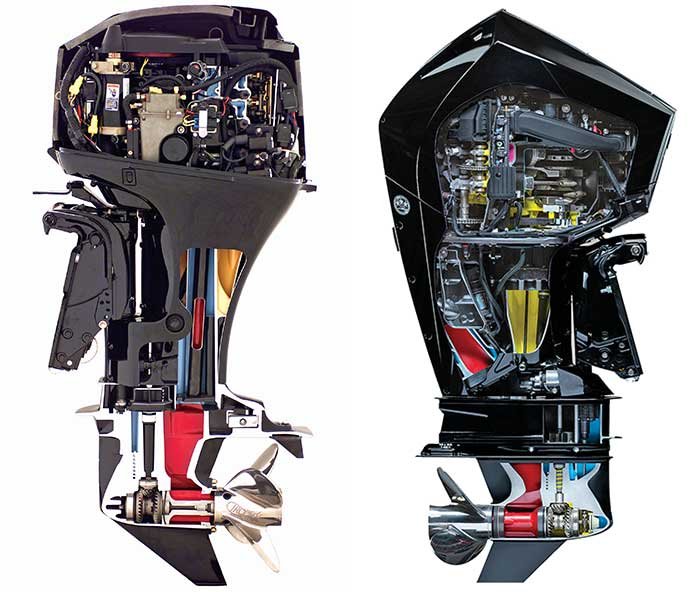
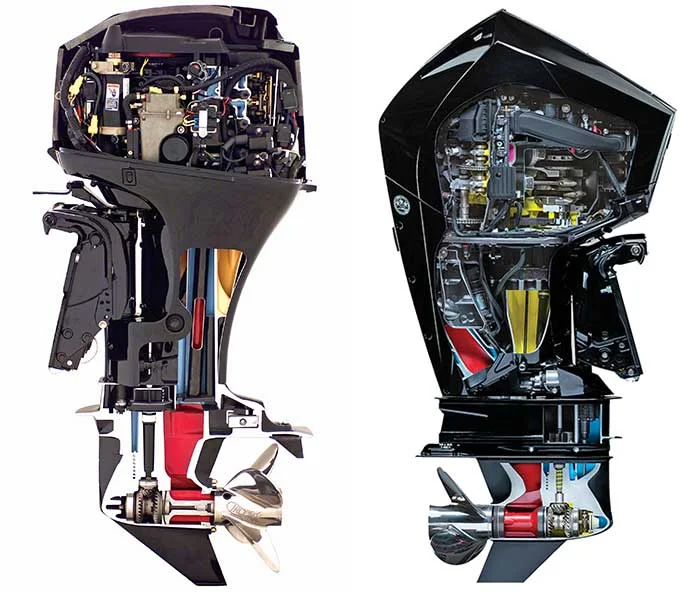
- Supercharged Verado technology. Mercury is the only major outboard brand running supercharged inline-6, V8, V10, and V12 powerheads, giving buyers smooth, quiet power delivery that naturally-aspirated competitors can’t fully match at the same displacement.
- Digital control integration. SmartCraft digital gauges, Digital Throttle and Shift, and Active Trim work together as a system rather than bolted-on add-ons, which shows in how the engine actually feels to run day to day.
- Dealer and parts network. Mercury’s service network is one of the largest in the industry, so parts and qualified technicians are easier to find in most markets than with smaller brands.
Mercury Outboard Specifications Across the Range
Mercury’s four-stroke lineup spans a wide horsepower spread, from portable tiller engines to flagship offshore power. Here’s a general overview of what to expect:
| Spec | Typical Range |
|---|---|
| Horsepower range | 2.5 HP to 600 HP (V12 Verado) |
| Engine type | 4-stroke, inline 3/4-cylinder, V6, V8, V10, and V12 depending on horsepower |
| Fuel system | Electronic fuel injection standard on FourStroke, Pro XS, SeaPro, and Verado models |
| Induction | Naturally aspirated on FourStroke and Pro XS; supercharged on Verado |
| Starting | Manual or electric depending on model |
| Shaft lengths | 15″, 20″, and 25″ depending on model, with 30″ XXL on larger Verados |
| Control options | Mechanical, Digital Throttle and Shift (DTS), and Joystick Piloting for Outboards on multi-engine setups |
| Recommended fuel | 87 octane minimum on most models, premium recommended on high-output Verado |
Small Mercury portables like the 4 HP and 6 HP weigh under 25 kg and suit tenders, small inflatables, and sailboat auxiliary power. Mid-range engines like the 40 HP and 60 HP sit in the 80 to 100 kg range and cover a huge share of the recreational fishing and pontoon market worldwide. At the top of the lineup, the Verado V12 pushes 600 HP from a single engine, a figure no other outboard manufacturer currently matches.
Mercury’s Engine Lineup Explained
Buyers who want to buy Mercury outboards are usually choosing between four core families, and picking the right one comes down to how you actually use the boat rather than horsepower alone.
- FourStroke. The everyday workhorse line, covering 2.5 to 350 HP, built for fuel economy, quiet running, and low maintenance across recreational, family, and light commercial use.
- Pro XS. A performance-tuned version of the FourStroke platform, lightened and remapped for faster acceleration and higher top-end speed, popular with bass and tournament anglers who chase every extra mile per hour.
- SeaPro. Built specifically for commercial duty cycles — charter fleets, ferry operators, and guides who run engines hard, day after day, and need extended service intervals and heavier-duty internals.
- Verado. Mercury’s supercharged flagship line, available as inline-6, V8, V10, and V12 configurations from 250 to 600 HP, engineered for offshore boats, center consoles, and multi-engine transoms where smoothness and top-end power both matter.
What We Currently Stock
Our Mercury inventory changes regularly as units sell, but has recently included models like the Mercury 4 HP 4MH, the Mercury 40 HP 40ELPT, a used Mercury 225 HP Optimax, and a Mercury Verado 350 HP. You can browse the full current lineup on our Mercury outboards category page. Availability shifts with demand, so get in touch with your target horsepower and we’ll confirm current stock.
How to Choose the Right Mercury Outboard
- Small tenders and inflatables: The 2.5 to 9.9 HP portable range prioritizes light weight for easy transport and mounting on smaller hulls.
- Aluminum fishing boats and jon boats: The 15 to 60 HP FourStroke range typically fits, depending on hull size and typical load carried.
- Bass boats and tournament rigs: The Pro XS line in the 115 to 300 HP range is built specifically for buyers chasing acceleration and top speed.
- Center consoles and offshore boats: The Verado 250 to 400 HP range delivers smooth, quiet power that works well in twin and triple-engine configurations.
- Charter fleets and commercial operators: The SeaPro line is purpose-built for engines that need to run hard for years without the downtime that recreational-duty engines aren’t designed for.
Shaft length is critical to get right — measure your transom height accurately before ordering, since the wrong length puts the propeller at the wrong depth and hurts both performance and gearcase longevity. If you’re unsure which configuration your boat needs, send us the make, model, and transom measurement and we’ll confirm before you order.
Mercury’s Verado Supercharged Technology
Verado is Mercury’s signature engineering story, and it’s worth understanding if you’re comparing brands before you buy Mercury outboards. Instead of relying purely on displacement for power, Verado engines use a belt-driven supercharger to force-feed air into the cylinders, which lets Mercury extract V8, V10, and even V12 levels of output from compact powerheads while keeping noise and vibration remarkably low at idle and cruising speed. That smoothness is a genuine selling point for anglers and cruisers who spend hours at the helm, not just a marketing line. The tradeoff is that Verado models run more complex internals than a naturally aspirated FourStroke, which is part of why proper maintenance intervals matter more on this line than on the entry-level range.
Digital Throttle and Shift and SmartCraft Connectivity
Another detail worth knowing about before you buy Mercury outboards: Digital Throttle and Shift, or DTS, replaces mechanical cables with electronic actuators, giving noticeably smoother, more precise shifting and the ability to run Mercury’s Joystick Piloting system on twin and triple-engine boats. Paired with SmartCraft digital gauges, owners get real-time engine diagnostics, fuel consumption data, and maintenance alerts directly at the helm, which makes catching a developing problem early a lot more realistic than relying on analog gauges alone. It’s a subtle piece of engineering that doesn’t always show up clearly on a spec sheet, but it’s a big part of why Mercury has built such a strong following among buyers who run multi-engine offshore boats.
Rigging and Propeller Selection
Getting the most from a Mercury outboard comes down partly to propeller choice, which is one of the more overlooked parts of buying an outboard. Stock aluminum props handle general use fine, but heavier boats loaded with gear typically do better with a slightly lower pitch to improve hole shot, while lighter boats running mostly flat water can pick up extra RPM at wide-open throttle with a higher pitch prop. Mercury’s own stainless props, like the Enertia and Revolution series, are engineered specifically around Mercury’s gearcase geometry and tend to outperform generic aftermarket props on Mercury powerheads specifically. If you’re not sure where to begin, we can recommend a starting pitch based on your boat’s length and typical load.
Corrosion Protection in Practice
Mercury’s anti-corrosion finishes and anode placement carry a solid reputation, but no outboard is maintenance-free in saltwater. Flush the engine with fresh water after every saltwater outing using the built-in flush port, inspect anodes at least twice a season and replace anything more than half consumed, and rinse the cowling and external connectors regularly to prevent salt buildup around electrical contacts. Owners who keep up this routine consistently report Mercury outboards holding up well over years of coastal use, which tracks with the brand’s strong presence in saltwater fishing and offshore markets specifically.
Maintenance on a Mercury Outboard
Routine service follows the standard four-stroke schedule: oil and filter changes every 100 hours or annually, spark plug replacement on the same interval, water pump impeller inspection roughly every 300 hours or three years on most models, and gear oil service annually, especially with regular saltwater use. Verado models add a supercharger service interval that FourStroke and Pro XS owners don’t need to think about, so check your owner’s manual for the specific schedule on that line. Mercury’s dealer network is extensive in most major boating markets, and genuine parts availability is generally strong across most regions.
Buying New vs. Used Mercury Outboards
New Mercury outboards come with full factory warranty and the latest DTS and SmartCraft technology, at a price premium over used units. A well-maintained used Mercury can represent strong value, since the brand’s engineering has a solid longevity track record when properly serviced. When buying used, always ask for compression test results, service history, and hours if known. We test every used unit before listing and describe condition honestly, including any known issues, rather than leaving you to discover problems after the sale.
Mercury vs. Other Major Brands
Buyers who want to buy Mercury outboards often cross-shop against Yamaha, Suzuki, and Honda before committing. Yamaha generally has a wider dealer network in some international markets and slightly stronger resale value in certain regions, but Mercury tends to win on raw power-to-weight and top-end speed, particularly with the Pro XS and Verado lines. Suzuki and Honda both compete well on fuel economy and smooth running at mid-range horsepower, but neither currently offers anything matching Mercury’s supercharged Verado V10 and V12 output. Where Mercury consistently wins is the combination of performance engineering, digital control integration, and a dealer network large enough that parts and service are rarely hard to find.
What Owners Say
The consistent feedback from customers who buy Mercury outboards centers on how smooth and quiet the Verado line runs compared to other brands at similar horsepower, and several Pro XS owners specifically mention the noticeable jump in hole shot and top speed compared to standard FourStroke models on the same hull. Commercial operators running SeaPro engines note the extended service intervals holding up well under genuinely heavy daily use, which lines up with how that line is actually engineered.
Worldwide Shipping
We ship Mercury outboards internationally by sea and air freight, with crating, insurance, and export documentation handled on our end. We’ve shipped Mercury engines to customers across Africa, the Caribbean, Southeast Asia, the Middle East, and Europe, managing customs classifications so the engine arrives ready to mount rather than delayed at port while paperwork gets sorted.
Bulk and Fleet Orders
Dealers, charter operators, and commercial fleets looking to buy Mercury outboards in volume should reach out directly. We arrange consolidated shipping and volume pricing for multi-unit orders, which keeps per-unit freight costs reasonable compared to ordering engines individually over time. This applies whether you’re outfitting a fleet with SeaPro commercial engines or standardizing a rental fleet on FourStroke power.
Mercury Outboards for Commercial and Workboat Use
Beyond recreational buyers, we regularly ship Mercury outboards to commercial operators — ferry tenders, dive boat operators, small-scale fishing fleets, and water taxi services. The SeaPro line specifically was engineered around this use case, with reinforced internals and extended service intervals built for engines that run hard for extended hours day after day. If you’re buying for a commercial application, tell us your typical duty cycle and load, and we’ll help you land on a configuration built to handle sustained heavy use rather than one optimized purely for weekend recreational running.
Financing and Fleet Orders
We work with dealers, charter operators, and commercial fleets who want to buy Mercury outboards in quantity for similar hulls. If you’re outfitting a fleet, tell us the quantity and timeline and we’ll work out volume pricing along with a consolidated shipping plan so freight costs stay reasonable on a per-unit basis rather than being charged individually for each engine.
A Brief History of Mercury Marine
Mercury was founded in 1939 by Carl Kiekhaefer, who bought a failed outboard motor company and rebuilt it around one idea: outboards should be lighter and more powerful than what the industry was selling at the time. That racing-driven mindset never really left the company. Mercury has spent decades setting speed records and supplying engines to offshore racing teams, and a lot of that competition-bred engineering eventually filters down into the recreational lineup, which is part of why buyers who want to buy Mercury outboards specifically often cite performance as the deciding factor over other brands.
Emissions Compliance and Fuel Efficiency
Every current Mercury FourStroke, Pro XS, SeaPro, and Verado model meets strict EPA and CARB emissions standards, and most carry a 3-star or better CARB rating for low emissions. Electronic fuel injection across the range means cleaner combustion and more consistent idle quality compared to older carbureted two-stroke designs, along with noticeably better fuel economy on long-range trips. For buyers in regions with their own environmental import requirements, we can supply the documentation needed to confirm compliance before you order.
Buying Mercury Outboards as an International Customer
A large share of the customers who buy Mercury outboards through us are ordering from outside the country where the engine is currently stocked. That process is more straightforward than most first-time international buyers expect: we confirm the engine’s specification matches what your boat and local fuel quality require, handle export crating and freight booking, and provide the commercial documentation your customs broker needs on the receiving end. If your country has specific outboard registration or emissions requirements, tell us upfront and we’ll flag anything that needs extra paperwork before the engine ships.
Mercury Outboard Warranty Coverage
New Mercury outboards typically carry a limited factory warranty, often extendable through Mercury Product Protection plans that stretch coverage well beyond the standard term. Warranty terms and available extensions vary by region and model year, so if warranty length is a deciding factor for you, ask us for the exact terms on the specific unit you’re considering before you buy Mercury outboards from us or anywhere else. Extended coverage is generally transferable if you sell the boat within the coverage window, which can matter for resale value down the line.
Repowering: Replacing an Older Outboard With a Mercury
A large share of buyers looking to buy Mercury outboards aren’t outfitting a new boat, they’re repowering an older hull that’s outgrown its original engine or is nearing the end of its service life. Repowering with a Mercury usually means a meaningful jump in fuel efficiency and a lighter overall powerhead thanks to modern alloy construction, which can also improve how the boat sits and handles on the water. Before repowering, confirm your transom is rated for the new engine’s weight and horsepower, and double check your boat’s maximum horsepower rating, which is usually posted on a capacity plate near the helm. We can help match a Mercury model to your existing rigging and controls to minimize the extra work involved in the swap.
Mercury Racing and High-Performance Applications
Beyond the recreational and commercial lines, Mercury also builds a dedicated Racing division for buyers who need extreme top-end performance, including high-output V8 and V12 configurations used in offshore powerboat racing and record-setting runs. Most buyers looking to buy Mercury outboards for recreational or light commercial use won’t need Racing-spec components, but it’s worth knowing the option exists if you’re building a dedicated performance boat rather than a general-purpose fishing or family rig. Mercury Racing parts and tuning support are available through the same authorized dealer network as the standard lineup.
Trailering and Winter Storage
If you trailer your boat or lay it up for winter, a few habits protect your investment when you buy Mercury outboards. Always trim the engine down for trailering rather than leaving it tilted, since a raised outboard bouncing on rough roads puts unnecessary stress on the tilt tube and mounting bracket. Before storage, run fogging oil through the cylinders, stabilize the fuel, and change the gear oil if it’s due, since old gear oil left sitting over winter is one of the more common causes of internal corrosion found during spring service. A few minutes of prep in the fall consistently saves owners from expensive surprises when the boating season starts back up.
Common Questions About Buying Mercury Outboards
What horsepower range does Mercury offer?
From 2.5 HP portable engines up to the 600 HP Verado V12, covering nearly every recreational and commercial application on the water.
What makes Verado different from FourStroke?
Verado uses a supercharged powerhead for smoother, quieter high-output performance, while FourStroke is naturally aspirated and built around everyday reliability and fuel economy.
Is it better to buy Mercury outboards new or used?
Depends on budget. New gets full warranty and the latest DTS and SmartCraft technology; a well-maintained used unit offers strong value, provided it’s properly tested before purchase.
Do you ship internationally?
Yes, we export worldwide with sea and air freight options depending on your timeline and budget.
How do I know what shaft length I need?
Measure your transom height from the top of the transom to the bottom of the hull, and send us the measurement along with your boat’s make and model for confirmation.
What’s the difference between Pro XS and Verado?
Pro XS is a lightweight, performance-tuned FourStroke aimed at acceleration and top speed, while Verado is the supercharged flagship line built for smooth, quiet high-output power on larger offshore boats.
Can I get parts and service for Mercury outboards outside the US?
Yes. Mercury runs one of the largest dealer and parts networks in the marine industry, with authorized service points across most major boating regions worldwide.
Ready to Buy Mercury Outboards
Whether you need a small portable engine or a full offshore repower with a Verado V10, we can help you find the right Mercury outboard and get it shipped to your location. Tell us your boat’s horsepower rating, transom height, and typical use, and we’ll confirm current availability and a shipping quote. You can also browse our other outboard motor buying guides, including our breakdown of used Mercury outboard motors, if you’re still comparing options.
For official specifications, current model lineups, and warranty details straight from the manufacturer, Mercury Marine’s official site maintains full documentation on the current outboard range.
Want to confirm authenticity before you buy? Read our full guide to genuine Mercury marine engines for serial number verification and specs.
Posts Widget
- 1

- 2

- 3
- 4


S.H Continental Marine
USA HERALD MAGAZINE INC
Our team is dedicated to providing exceptional customer service.
Email: info@shcontinentalmarine.com
Choose S.H Continental Marine
for your outboard engine needs and enjoy superior quality, exceptional customer service, and unbeatable prices.
