
Marine Engine Specialists: What Real Technical Expertise Looks Like
Anyone can slap a “boats and motors” sign over a storefront. Being marine engine specialists means something more specific — knowing the difference between a Yamaha F90 and VF90 block, understanding why a Suzuki lean-burn system behaves differently at altitude, and being able to tell from a compression reading alone whether a used outboard is worth the asking price or headed for a rebuild. This guide is about what real specialization looks like in the outboard and marine motor business, and how to find it when you’re buying an engine that has to actually work, not just look good in a listing photo.
What Separates a Specialist From a General Seller
A general boat dealer sells hulls, trailers, accessories, and whatever engines come attached to the packages they carry. Marine engine specialists focus specifically on propulsion — sourcing, inspecting, and selling engines across multiple brands and horsepower classes, often with far deeper technical knowledge of the engines themselves than a generalist dealer who’s also trying to move fiberglass and trailers.
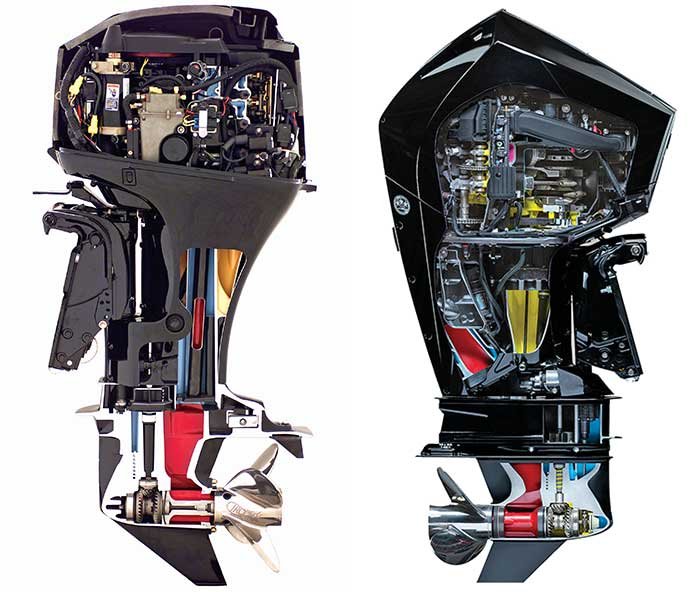
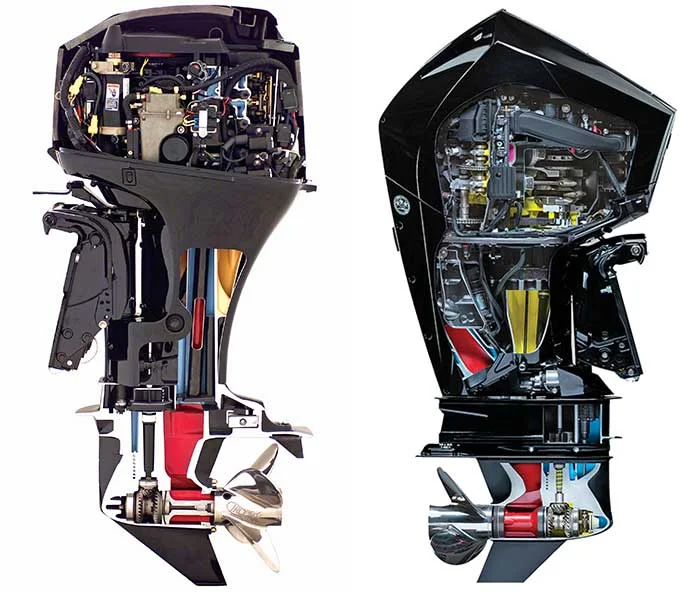
That focus shows up in the details: a specialist can tell you exactly why one 90 HP engine weighs 40 pounds less than a competitor’s 90 HP engine (block design, not marketing), which model years of a given engine had known issues that were later fixed, and how gear ratio and prop pitch interact on a boat that’s currently underpropped. This isn’t information you get from a spec sheet — it comes from handling hundreds of these engines and watching what actually fails and what doesn’t.
The Technical Ground a Real Specialist Should Cover
If you’re trying to evaluate whether a seller is genuinely specialized or just using the word in their marketing, ask about these areas and see how specific the answers are:
- Compression and leak-down testing — a specialist should explain what numbers are normal for a given engine’s compression ratio, not just report a pass/fail.
- Fuel system diagnostics — the difference between a carbureted engine running rough from stale fuel versus a failing fuel pump, and how to tell them apart before a teardown.
- Lower unit condition — what milky gear oil actually indicates, and how to assess seal condition without a full teardown.
- Corrosion patterns — the difference between normal saltwater-service wear and galvanic corrosion from a failed anode or bad grounding, which is a much bigger red flag.
- Gear ratio and prop matching — how to read an engine’s WOT RPM range against a boat’s actual performance to diagnose whether it’s propped correctly.
Our team walks buyers through exactly this kind of detail on engines like the Yamaha 9.9 HP T9.9LPHB or the higher-output Mercury 225 HP Optimax — not just what the spec sheet says, but what it means for how the engine will actually perform on your specific boat.
Specifications Specialists Look at That Generalists Often Skip
Beyond the basics of horsepower and shaft length, a specialist evaluates:
- Displacement-to-horsepower ratio — a higher displacement engine making the same horsepower as a smaller one is generally working less hard and will typically last longer under sustained load.
- Charging system output at idle vs. WOT — matters a lot if you’re running electronics that draw current while trolling at low RPM.
- Cold-start behavior — EFI engines start more reliably in cold conditions than carbureted engines, relevant if you’re operating somewhere with real seasonal temperature swings.
- Noise and vibration characteristics — inline engines vibrate differently than V6 configurations, and this affects long-trip comfort more than most buyers expect going in.
- Service interval design — some engines are built for easier field maintenance (accessible filters, simpler timing systems) which matters enormously if you’re operating somewhere without a nearby dealer network.
Why Specialization Matters More for Used and Reconditioned Engines
Buying new, a generalist seller can do a perfectly fine job — the engine is sealed from the factory and the spec sheet is accurate regardless of who’s selling it. Used and reconditioned inventory is where specialization actually earns its keep. Assessing a used engine honestly requires knowing what to look for beyond a visual check, and a seller without deep technical background is far more likely to either miss a real problem or, worse, misrepresent a marginal engine as being in better shape than it is, not necessarily out of dishonesty but out of not knowing what to check.
Every reconditioned engine we sell, including entry-level units like the Yamaha 8 HP F8LMHB, goes through the same technical inspection process regardless of price point, because a $1,200 engine failing on a customer is just as damaging to trust as a $20,000 one failing.
How Specialists Approach Brand and Model Selection
A true specialist doesn’t push one brand regardless of fit — the whole value of specialization is being able to steer a buyer toward whichever brand and model actually suits their boat and use case. That means being honest that a Tohatsu might be the better call for a remote commercial application where mechanical simplicity beats features, even though a Mercury Verado might be the more impressive engine on paper. It means knowing that Suzuki’s lean-burn technology is a genuine fuel-economy advantage for long-range cruising but adds complexity that matters less if you’re running short hops. This kind of nuanced, occasionally brand-agnostic advice is the clearest signal you’re dealing with a specialist rather than someone reciting a marketing brochure.
A Look at What Specialization Means Across Horsepower Classes
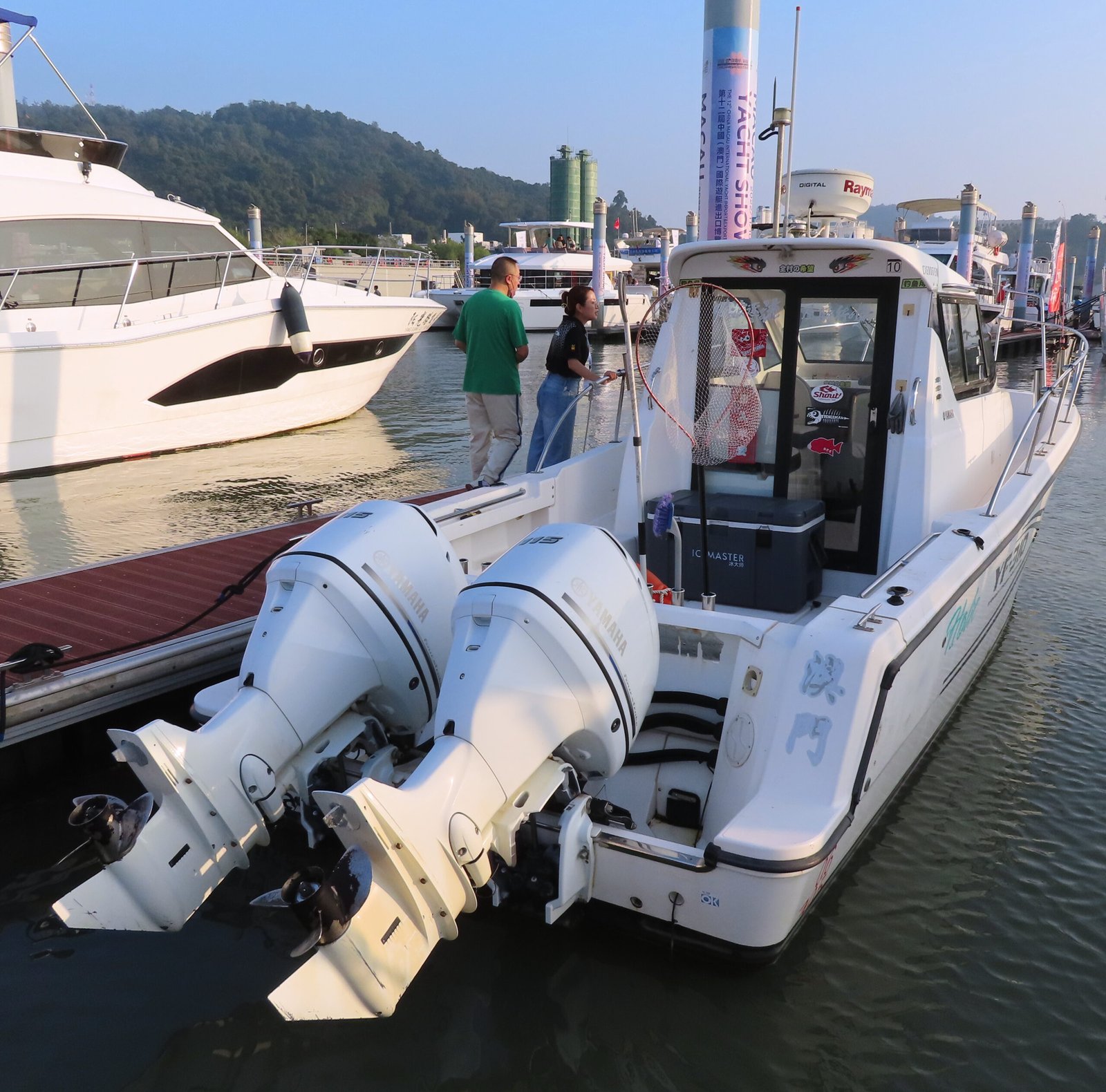
The technical depth a specialist brings matters differently depending on what size engine you’re buying. On small portables in the 2.5-9.9 HP range, the main value is knowing which model has genuinely proven reliability for occasional use versus one prone to carburetor gumming if it sits between trips. In the mid-range, 20-90 HP, specialization shows up in matching gear ratio and prop pitch correctly for the specific hull, which is where a lot of “underpowered” complaints actually trace back to incorrect propping rather than the engine itself. At the top end, 200 HP and above, the stakes get higher because the engines are complex, expensive, and often computer-controlled — a specialist should be able to read diagnostic trouble codes, understand what a specific fault actually means mechanically, and advise honestly on whether an issue is a simple sensor fault or something more serious.
| Horsepower Range | Where Specialist Knowledge Matters Most |
|---|---|
| 2.5–9.9 HP | Model-specific reliability history, fuel system gumming prevention |
| 15–60 HP | Gear ratio and prop pitch matching, mid-range torque characteristics |
| 70–150 HP | EFI diagnostics, charging system sizing for electronics load |
| 175–425 HP | ECU diagnostic codes, V6/V8 service complexity, twin-rig prop rotation matching |
Specialist Support After the Sale
Specialization shouldn’t stop at the point of sale. A real marine engine specialist should be able to help with:
- Diagnosing a problem remotely based on symptoms described over email or phone
- Recommending the correct service parts and intervals for the specific model you bought
- Advising on prop selection and pitch if your boat isn’t performing as expected after installation
- Sourcing hard-to-find parts for older or less common models
Our marine engine maintenance guide and outboard motor maintenance guide reflect the same technical depth we apply to sales — the goal is for a customer to get real answers, not a generic troubleshooting script.
Specialists and International Shipping
Technical knowledge matters just as much in the logistics side of the business. A specialist supplier shipping engines internationally understands things a generalist freight desk often gets wrong — how to properly drain and stabilize a fuel system for a six-week ocean transit, how to protect an ECU and wiring harness from crate handling damage, and what documentation a given destination country’s customs office will actually require versus what’s just boilerplate. Our shipping guide reflects specifics we’ve learned from actually doing this repeatedly, not a generic freight policy copied from a template.
How to Vet a Self-Described Specialist
“Specialist” gets used loosely in marketing, so it’s worth verifying before trusting the label:
- Ask a specific technical question (compression range for a given model, gear ratio on a specific engine) and see if the answer is precise or vague
- Check whether their listings include real technical detail or just marketing adjectives
- Ask how they inspect used engines and whether documentation is provided
- Look for evidence of experience across multiple brands rather than being an authorized dealer for just one
A genuine specialist will welcome these questions. Someone using the term loosely tends to deflect toward generic reassurance instead of specifics.
Frequently Asked Questions
Is it worth paying more to buy from marine engine specialists instead of a general boat dealer?
For used and reconditioned engines specifically, yes — the technical inspection and honest assessment a specialist provides reduces your risk meaningfully. For new engines, the price difference is usually smaller since the product itself is standardized by the manufacturer.
Do specialists only sell one brand?
Not necessarily — many of the most useful specialists, including us, work across multiple brands specifically so they can recommend what fits your boat rather than what they’re contractually required to sell.
Can a marine engine specialist help me diagnose a problem after I’ve already bought an engine elsewhere?
Many will, particularly for common brands they work with regularly, though response and support may reasonably prioritize their own customers first.
What questions reveal whether a seller is a real specialist?
Ask specific technical questions about compression ranges, gear ratios, or known issues with a particular model year. Vague or deflected answers are a signal to keep looking.
For a general technical overview of outboard engine design, the Wikipedia entry on outboard motors is a useful neutral reference point.
Final Word
Real marine engine specialists earn that label through depth, not marketing copy — knowing the mechanical differences between engines, being honest about tradeoffs between brands, and standing behind what they sell with genuine technical support before and after the purchase. Browse our current inventory across Yamaha, Suzuki, Mercury, and Tohatsu, and ask us anything technical before you buy — that’s the whole point of working with a specialist instead of a generalist.
Posts Widget
- 1

- 2

- 3
- 4


S.H Continental Marine
USA HERALD MAGAZINE INC
Our team is dedicated to providing exceptional customer service.
Email: info@shcontinentalmarine.com
Choose S.H Continental Marine
for your outboard engine needs and enjoy superior quality, exceptional customer service, and unbeatable prices.
