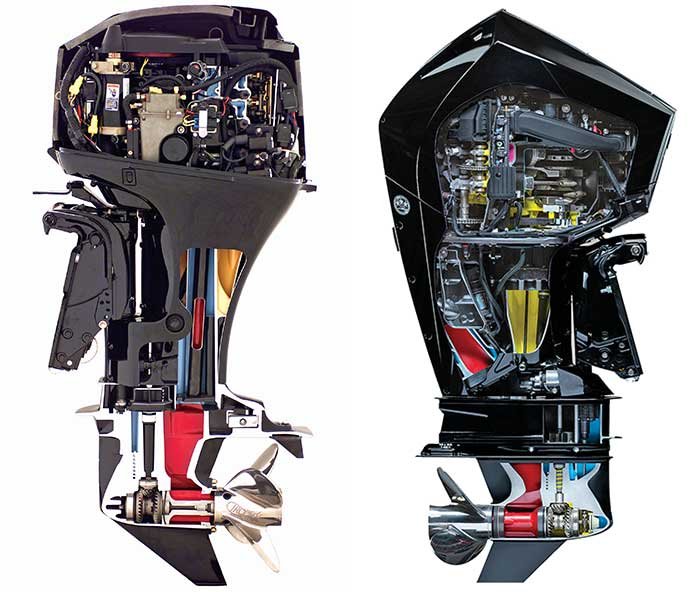
Outboard Motor Trim and Tilt: How It Works and Why It Matters
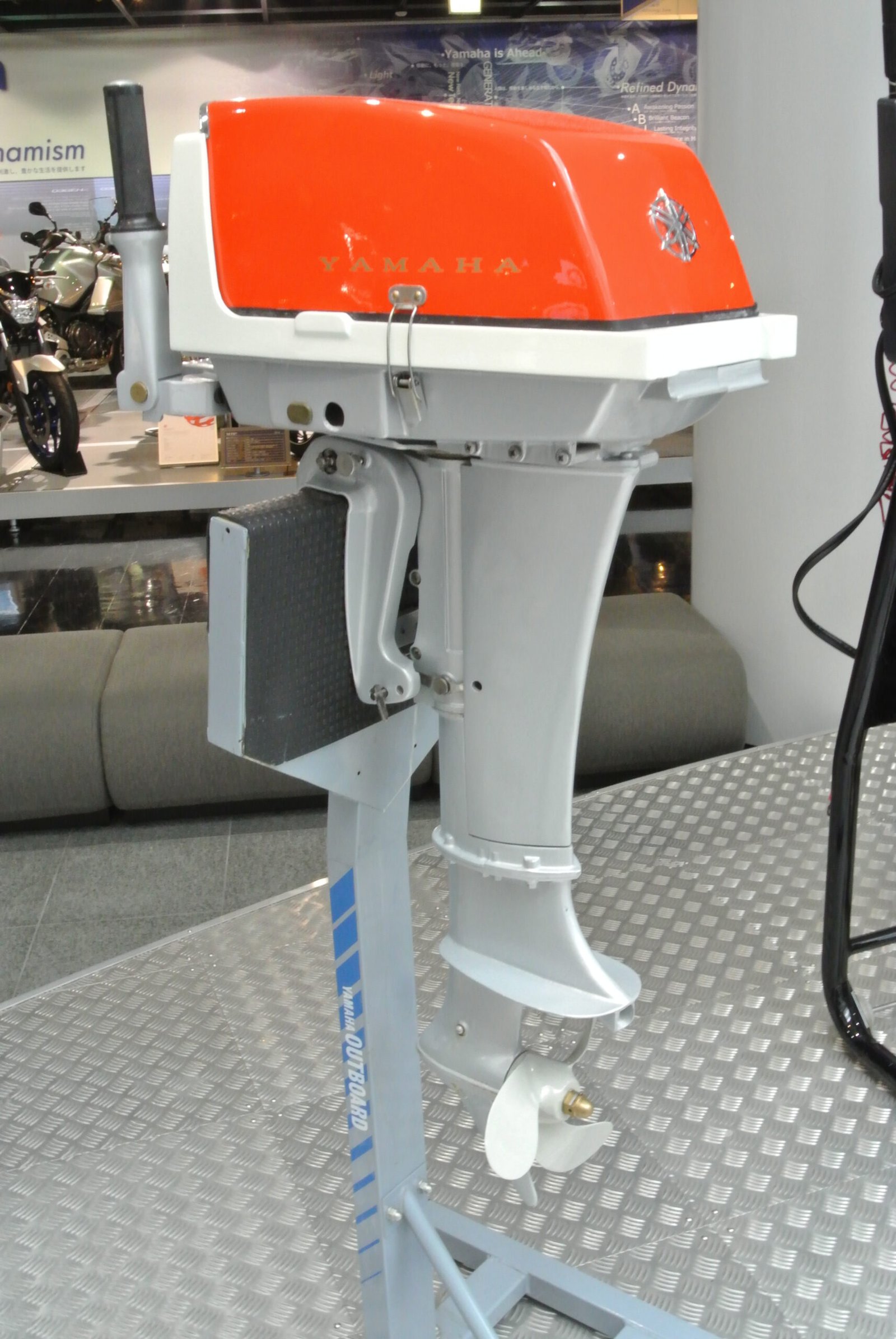
Watch a boat come off a hole shot and you will usually see the bow rise, then settle as the driver bumps the engine angle out with a thumb switch. That small adjustment is doing more work than most people realize. The outboard motor trim and tilt system is one of the most useful controls on a boat, and one of the most misunderstood. Get it wrong and you fight a bow-heavy ride, poor fuel economy, or a prop that cavitates every time you push the throttle down. Get it right and the boat rides flatter, burns less fuel, and handles shallow water without drama.
We rig engines with both manual and power trim and tilt systems, and the question of which one a buyer actually needs comes up on nearly every order for engines under 40 HP. Here is the real breakdown, specs included.
In this guide:
What Trim and Tilt Actually Do — Two Different Jobs
Trim and tilt sound like one feature but they do two different things, even though the same mechanism handles both on most modern outboards.
Trim is the fine adjustment of engine angle while underway, used to change how the bow rides relative to the water. Trimming the engine out (away from the boat) lifts the bow, which can improve top speed and reduce wetted surface drag. Trimming in (toward the boat) pushes the bow down, useful in chop or when accelerating through a hole shot.
Tilt is the larger range of motion used when the boat is stopped — raising the engine clear of the water for shallow-water operation, trailering, or storage, and lowering it back down before running.
An outboard motor trim and tilt system that only offers one range without the other is unusual on modern engines. Nearly all engines above small portable sizes now combine both functions into a single hydraulic or mechanical mechanism.
Power Trim and Tilt vs Manual

This is where horsepower class matters most for outboard motor trim and tilt selection. Power trim and tilt uses an electro-hydraulic pump to move the engine angle at the push of a button on the throttle or a dedicated switch. Manual trim and tilt requires physically lifting the engine by hand and locking it into one of several fixed pin positions, with no adjustment possible while underway.
Power trim and tilt is standard on mid-size and large outboards because it lets the operator fine-tune trim continuously while running, which manual pin systems simply cannot do. Manual systems remain common on smaller portable engines, where the weight savings and mechanical simplicity outweigh the convenience of powered adjustment, and where the engine is light enough to tilt by hand without strain.
Real Examples From Engines We Stock
The split between manual and power trim and tilt tracks closely with horsepower and intended use. Here is how it plays out across our current inventory.
| Engine | HP | Trim & Tilt System | Weight |
|---|---|---|---|
| Tohatsu 9.9 HP MFS9.9EEFS | 9.9 HP | Manual | 95 lbs |
| Tohatsu 15 HP MFS15EEFS | 15 HP | Manual | 94 lbs |
| Tohatsu 30 HP MFS30DEFS | 30 HP | Manual | 128 lbs |
| Yamaha 40 HP F40JEHA | 40 HP | Power | 214 lbs |
| Mercury 225 HP OptiMax XL | 225 HP | Power | 475 lbs |
The crossover point sits somewhere in the 30 to 40 HP range for most manufacturers. Below that, manual trim and tilt is the norm because the engine is light enough to adjust by hand and the cost and weight of a hydraulic pump is harder to justify. Above it, power trim and tilt becomes close to universal because the engines are heavier and the ability to adjust trim continuously while underway pays off in handling and efficiency.
Why Trim Angle Changes Fuel Economy

This is the part that surprises new boat owners. Running with the engine trimmed too far in keeps the bow pushed down, increasing wetted surface area and drag, which burns more fuel to hold the same speed. Trimmed out slightly, the bow rises, wetted surface drops, and the same speed often takes noticeably less throttle to maintain. Trim too far out, though, and the boat can start to porpoise — bouncing the bow up and down — or the prop can partially ventilate, pulling air into the blades and losing bite. The sweet spot is a few degrees of positive trim, found by easing the trim button out gradually until the boat rides its flattest and the engine note steadies, then backing off slightly if porpoising starts.
Using Tilt for Shallow Water
The tilt range exists specifically for situations where running the prop and lower unit at full depth would mean hitting bottom — launching from a shallow ramp, idling over a sandbar, or approaching a beach. Partial tilt raises the gearcase enough to clear obstructions while the engine is still running at low rpm, though running tilted up reduces cooling water intake and should only be used briefly and at low speed. Full tilt, used only with the engine off, lifts the entire lower unit clear of the water for trailering or dock storage, protecting the prop and skeg from bottom contact.
Trim and Tilt in Rough Water
In a head sea, trimming the engine in slightly (bow down) helps the hull cut through waves rather than slapping over them, improving ride comfort and control. Running with the bow trimmed high into a head sea is a common mistake that leads to a pounding, uncomfortable ride and, at worst, the boat launching off wave crests. In a following sea, a touch of positive trim can help keep the bow from digging in. Reading the water and adjusting trim accordingly, rather than setting it once and forgetting it, is one of the biggest differences between a rough and a smooth ride in the same conditions.
Common Trim and Tilt Problems

Won’t hold trim position. Usually a sign of a failing hydraulic seal allowing the ram to slowly bleed down under load. This is a pump or ram service issue, not something to ignore, since it usually gets worse.
Slow or weak trim response. Often low hydraulic fluid or a weakening trim pump motor, particularly on engines with many hours or long periods of disuse.
Trim moves but tilt won’t go to full up. Sometimes a manual override valve was left partially open, or an overload sensor has tripped if the engine hit something while under power. Check the owner’s manual for the specific reset procedure before assuming a bigger repair is needed.
Manual tilt engine feels impossible to lift. Check that the tilt lock or support pin is actually released. Fighting a locked mechanism is a common and avoidable mistake, not a sign the system is broken.
Maintaining a Power Trim and Tilt System
Check hydraulic fluid level per the manufacturer’s schedule, typically once a season or every 100 hours. Keep the trim rams clean and lightly greased where the manual specifies, since salt and grit accelerate seal wear. Cycle the system fully up and down periodically even if you do not need the full range on a given trip, to keep seals from taking a set in one position. Flush salt residue from the tilt tube and pivot points after saltwater use, the same as you would flush the cooling system.
FAQs — Outboard Motor Trim and Tilt
Do I need power trim and tilt on a small engine? Not necessarily. Under 30 to 40 HP, manual systems are common, reliable, and lighter. Power trim and tilt becomes more valuable as horsepower and engine weight increase.
Can I add power trim and tilt to an engine that came with manual? Sometimes, if the manufacturer offers a kit for that specific model, but it is not universal and is often not cost-effective compared to buying an engine that includes it from the factory.
What trim position is best for top speed? Generally a few degrees of positive trim (bow up), found by adjusting gradually until speed peaks and before porpoising begins. The exact position varies by hull.
Is it bad to run trimmed all the way out? At cruise speed, yes — it usually causes porpoising or ventilation. Full trim out is really only useful briefly at low speed in very shallow water.
Order an Engine With the Right Trim and Tilt System for You
Whether you want the simplicity of manual trim and tilt on a portable Tohatsu, or the continuous power adjustment on a Yamaha or Mercury mid-to-large engine, we carry both in stock with full specifications listed for each. Browse our outboard motor inventory or reach out through our contact page and we will help you match the right trim and tilt system to your boat and how you use it, with worldwide shipping available.
For more on how trim affects planing hull performance, Boating Magazine publishes ongoing owner-focused testing and technique coverage worth reading before your next trip out.
Trim Gauges and Why They’re Worth Having
A trim position indicator for your outboard motor trim and tilt system, usually a small gauge at the helm, shows exactly where the engine sits in its trim range without the driver having to look back at the transom. On boats without one, trim adjustment becomes a guessing game based on feel and bow angle, which works but takes longer to learn. If you are ordering a new install, a trim gauge is a small add and worth having, particularly on boats that regularly change load — fuel burning off, passengers moving around, or a livewell filling and draining all shift the ideal trim position through a single outing.
Trim Tabs Are Not the Same Thing
People sometimes confuse the outboard motor trim and tilt system with trim tabs, and they solve related but different problems. Trim tabs are separate hinged plates mounted on the transom below the waterline, adjusted independently of the engine, primarily used to correct list (leaning to one side from uneven weight) or to help a heavier boat get on plane faster. Engine trim adjusts the angle of the propeller thrust relative to the hull. Many serious boaters run both together — trim tabs to level the boat side to side and improve hole shot, engine trim to fine-tune bow angle for speed and ride comfort once underway. They are complementary, not competing, systems.
Trim and Tilt on Twin-Engine Boats
On a twin-engine outboard motor trim and tilt setup, both engines should trim together, synchronized through the same control input, so the boat does not develop an uneven thrust angle side to side. Most digital and hydraulic twin-engine control systems handle this automatically, moving both trim rams in unison from a single button or lever. If you notice one engine trimming faster or reaching a different final angle than its pair, that is worth having checked, since it points to a hydraulic imbalance between the two units rather than a cosmetic issue.
How to Trim Properly for a Clean Hole Shot
Start every hole shot with the engine trimmed in (bow down) to maximize prop bite and get the boat moving without the stern squatting excessively. As the boat accelerates onto plane, gradually trim out in stages, watching how the bow rises and the ride flattens. Stop adding trim the moment you feel the boat start to porpoise or the engine note rise without a matching increase in speed, both signs the prop has trimmed past its efficient range. This sequence, trim in to start, trim out gradually once planing, is close to universal across hull types even though the exact degree of trim that feels right will vary boat to boat.
Checking Trim and Tilt Condition on a Used Engine
If you are evaluating a used outboard, cycle the outboard motor trim and tilt system through its full range several times and watch for smooth, consistent movement without hesitation, grinding, or one side lagging on a twin setup. Check for hydraulic fluid weeping around the ram seals, a sign of developing leaks. Confirm the tilt lock engages properly and holds the engine up without drifting down under its own weight, an easy way to catch a tired hydraulic system before it becomes an expensive repair. Every used engine we sell is checked through this exact process before it ships.
Typical Trim and Tilt Range by Engine Class
Small portable engines with manual systems usually offer a handful of fixed tilt pin positions, often four to six settings, spanning roughly negative four degrees (trimmed in) through positive fifteen to twenty degrees, plus a separate full-tilt-up position for shallow water and trailering. Mid-size and large engines with power trim and tilt offer continuous adjustment across a similar total angular range, roughly negative four to positive sixteen degrees of running trim, plus a wider tilt-up range that can exceed seventy degrees from the water for full clearance at the dock. The exact numbers vary by manufacturer and model, but the pattern holds across brands: continuous power adjustment on larger engines, stepped manual positions on smaller ones.
A Note on Safety
Running trimmed too far out at speed reduces steering bite and can make a boat unpredictable in a hard turn, since less of the lower unit and skeg stays engaged with the water. If a boat feels loose or wants to slide sideways in turns, check trim position before assuming a steering or hull problem. Similarly, never tilt the engine while still under power at speed — tilt adjustments beyond the running trim range are meant for stopped or very slow, controlled maneuvering only, not for use while accelerating or cruising.
Buying Guidance: Matching Trim and Tilt to How You Actually Boat
If your boat sees frequent shallow-water launches, sandbars, or beach approaches, prioritize an engine with reliable, full-range tilt and confirm the tilt-up angle clears your specific hull’s skeg depth. If you run mixed conditions, calm mornings and choppy afternoons, a power trim system earns its keep by letting you adjust continuously without stopping the boat. If budget and simplicity matter more than convenience, and your engine falls under the roughly 30 to 40 HP threshold, a well-maintained manual system is a completely reasonable choice that will not let you down.
Expert Tips
Good outboard ownership comes down to a few habits: choose the right engine for the boat, follow the break-in procedure, service it on schedule and treat the fuel well. Owners who do those things consistently get many years of dependable running from their engines.
Keep the owner’s manual, receipts and service records together. They make maintenance easier, help with any warranty questions and add value when you eventually sell the boat or engine.
Key Points to Remember
- Match the engine to your boat’s capacity plate and typical load.
- Choose the shaft length that fits your transom.
- Follow the break-in procedure for a new engine.
- Service every 100 hours or once a year, whichever comes first.
- Flush after saltwater use and check anodes regularly.
- Keep records of hours and services.
Practical Checklist
Use this quick checklist to put the advice in this article into practice:
- Check the capacity plate for maximum horsepower and weight
- Measure transom height from the top of the transom to the bottom of the hull
- Decide on steering, starting and trim requirements
- Compare model codes and specifications
- Ask what is included: propeller, controls, fuel tank, cables
- Inspect the crate on delivery and note any damage before signing
More Questions Answered
What shaft length do I need?
Measure from the top of the transom to the bottom of the hull on the centreline: about 15 inches suits a short shaft, 20 a long shaft, 25 an extra-long shaft and 30 an ultra-long shaft.
Should I buy new or used?
New engines give you a known history and full manufacturer support. A well-documented used engine can save money, but check hours, compression and service records carefully.
How much power do I really need?
Most owners choose an engine at 75 to 100 percent of the boat’s rated maximum, which usually gives the best balance of performance, economy and resale value.
Outboards to Consider
If you are shopping for an engine after reading this guide, these models are a good place to start. Each listing has full specifications, the model code explained and buying advice.
- Yamaha 350 HP LF350XCC
- Suzuki DF9.9BL5
- Mercury 250HP XXL Four Stroke DTS WH
- Honda 15 HP BF15D3SH
- Tohatsu 30 HP MFS30DL
- Torqeedo Ultralight 403A
Related Guides
- Power Trim and Tilt Outboard Motor: How It Works and Why It Matters
- 2 Stroke Outboard Motor: What It Is, How It Works, and When to Buy One
- Marine Engine Oil: The Essential Guide to What to Run and Why It Matters (2026)
- Outboard Engine Warehouse: What's Actually In Stock and Why It Matters
- Buy Marine Engines Direct: Why Skipping the Middleman Actually Matters
- How Suzuki Outboard Lean Burn Technology Works
Next Steps
Browse the full outboard shop. Read our shipping policy for delivery details, and contact us if you would like help choosing the right engine for your boat.
Posts Widget
-
1

-
2

-
3

-
4



S.H Continental Marine
USA HERALD MAGAZINE INC
Our team is dedicated to providing exceptional customer service.
Email: info@shcontinentalmarine.com
Choose S.H Continental Marine
for your outboard engine needs and enjoy superior quality, exceptional customer service, and unbeatable prices.