
Outboard Engine Warehouse: What’s Actually In Stock and Why It Matters
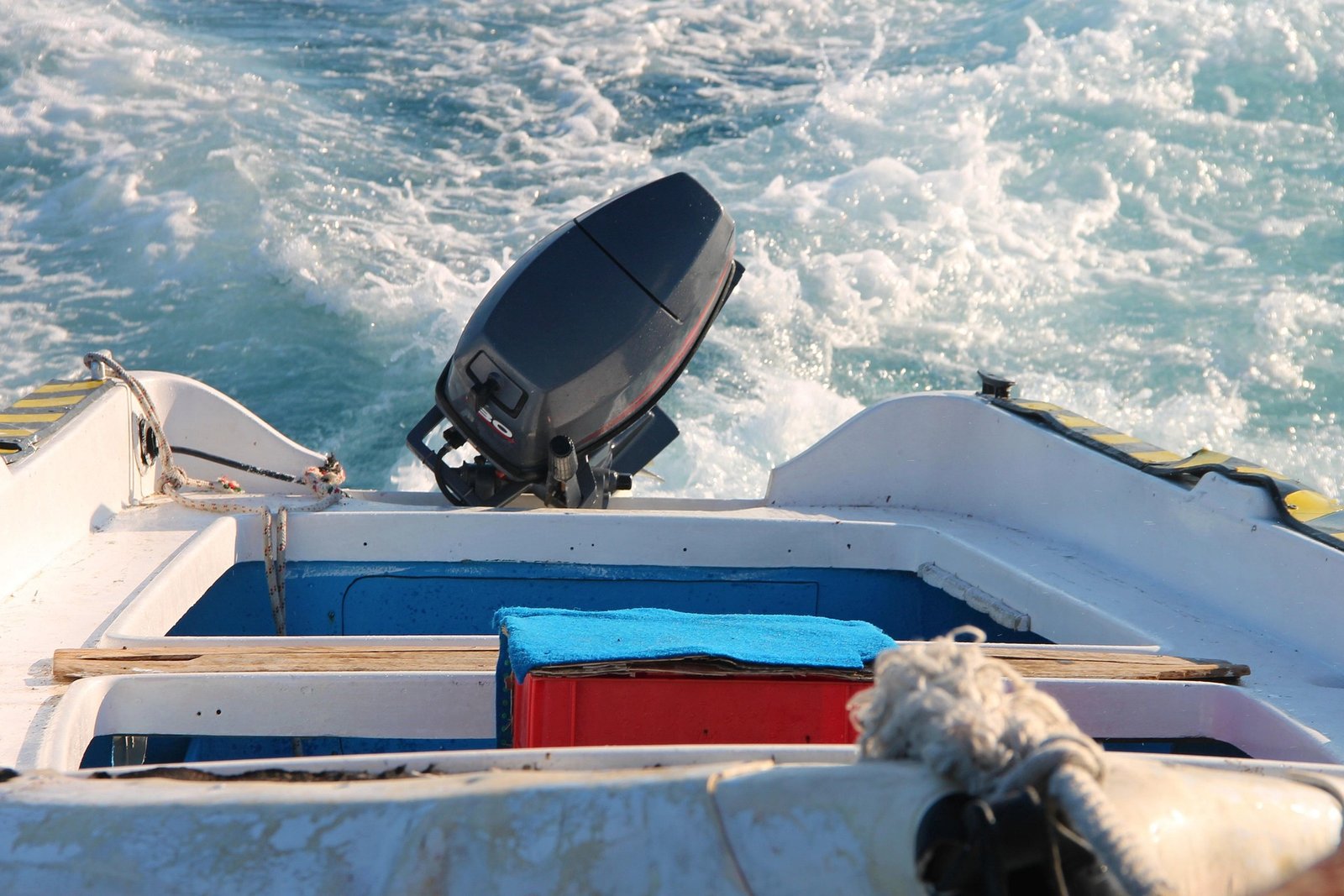
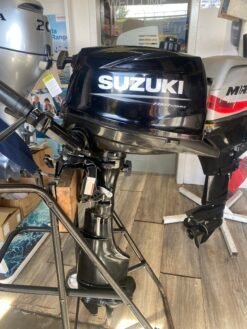
An outboard engine warehouse sounds like a simple thing until you actually try to run one. It’s not a showroom with three shiny engines under good lighting. It’s rows of crates, engines at every horsepower from portable tillers to offshore V8s, parts bins, and a logistics operation behind it that decides whether your order ships this week or sits for a month. We run one, and this is what actually goes on behind the listing photos.
If you’re comparing suppliers and keep seeing the word “warehouse” thrown around, here’s what it should actually mean, what specs to check before you commit, and what separates a warehouse with real depth from one that’s just a small stockroom with an inflated website.
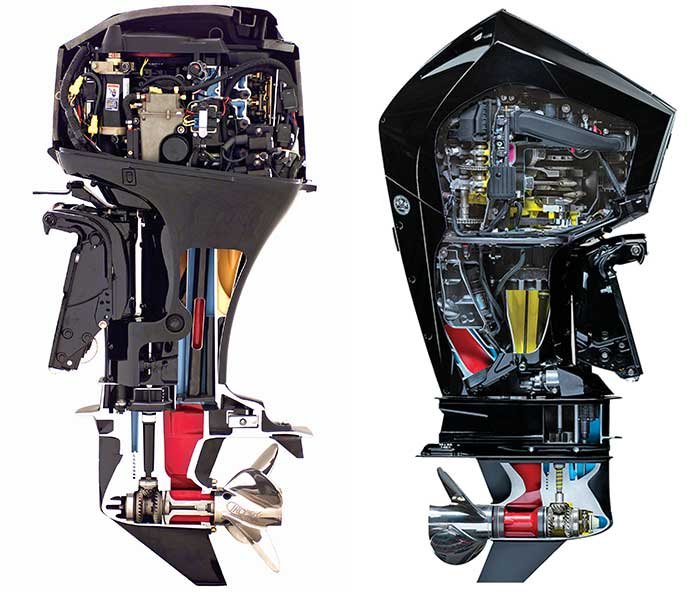
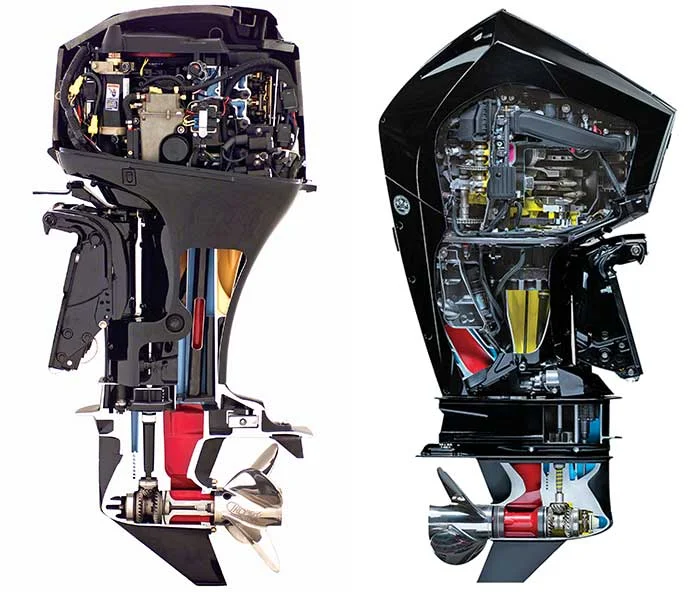
What’s Actually Sitting in a Real Outboard Engine Warehouse
Depth of inventory is the whole point of buying from a warehouse instead of a single-location dealer. Here’s the kind of range that should actually be on the floor, not just listed online with a “contact for availability” tag:
| Spec | Range Carried | Why It’s Listed |
|---|---|---|
| Horsepower | 2.5 HP to 425 HP | Covers everything from dinghies to offshore V8 rigs |
| Stroke type | 2-stroke and 4-stroke | 4-stroke dominates new stock; 2-stroke still moves for specific use cases |
| Shaft length | 15″ to 35″ | Has to match transom height exactly, no rounding |
| Fuel delivery | Carbureted and EFI | EFI standard from 25 HP up on nearly everything sold new |
| Condition | New and tested used | Warehouse stock turns over fast enough to carry both |
A warehouse that only carries two or three horsepower tiers isn’t really a warehouse in the sense that matters to a buyer, it’s a small inventory with a big name. Ask directly how many units they have on hand right now in your target horsepower range, not just what they can “source” through a manufacturer relationship, which usually means weeks of extra wait time.
Why Warehouse Depth Changes Your Buying Options
The advantage of buying from an actual outboard engine warehouse instead of a small dealer is choice. If a dealer has one 90 HP engine in stock and it’s not quite the configuration you want, wrong shaft length, wrong control type, you’re stuck waiting on a factory order. A warehouse with real depth usually has multiple units of the same horsepower in different configurations, which means you can actually get the exact spec you need without a months-long backorder.
This also matters for fleet buyers and dealers sourcing multiple units. A warehouse that can pull five matching engines off the shelf for a fleet order saves weeks compared to a supplier who has to special-order each one individually.
New vs Used Stock in the Warehouse
Every unit that comes through our outboard engine warehouse gets tested before it goes back on the shelf, whether it’s new-in-crate or a trade-in. For used engines specifically, that means:
- Compression testing on every cylinder
- Water pump output check
- Lower unit oil inspected for metal shavings or a milky appearance that signals water intrusion
- A run test under actual load, not just idling in a test tank
New stock still gets a pre-delivery inspection before shipping, checking fluid levels, verifying no shipping damage, and confirming the correct propeller and rigging is included with the order. Skipping this step is how customers end up with an engine that technically works but arrives with a problem that should have been caught before it left the building.
How Warehouse Pricing Actually Works
Buying direct from an outboard engine warehouse instead of a retail storefront usually means better pricing, because there’s no middle layer marking up the engine a second time. Rough pricing bands by category:
- 2.5 HP to 9.9 HP portables: entry-level pricing, often under $2,500 new
- 15 HP to 60 HP: the volume range for most recreational fishing and small boat buyers
- 75 HP to 150 HP: mid-size center consoles and pontoons, mostly EFI four-stroke now
- 200 HP and up: offshore and performance builds, V6 and V8 configurations
Ask for a landed cost quote that includes freight and any import duties for your country, not just the ex-warehouse price. The difference between those two numbers can be significant, and a warehouse that only quotes the base price without mentioning freight is setting you up for a surprise invoice.
Shipping Straight From the Warehouse Floor
This is the part that separates a warehouse operation from a small dealer trying to look bigger than they are. Crating an engine correctly, bracing it so it can’t shift during transit, protecting the lower unit, and preparing accurate customs paperwork, takes real experience, especially for anything over 90 HP. We ship directly out of our outboard engine warehouse to buyers across Africa, the Middle East, Europe, and North America on a regular basis. The single biggest predictor of a smooth delivery isn’t the freight carrier, it’s whether the paperwork was correct and complete before the crate left our floor.
Before ordering, ask which ports or airports the warehouse typically ships through, what transit times look like to your specific location, and who’s responsible if the crate is damaged in transit. All of this should be answerable in writing, not as a vague verbal assurance.
Warranty Coverage on Warehouse Stock
New engines from the warehouse carry full manufacturer warranty. Used engines carry whatever the seller specifically offers, which varies a lot between suppliers. Before buying used warehouse stock, get in writing:
- Exactly what’s covered and for how long
- Whether the coverage transfers if you’re not the original registered owner in the manufacturer’s system
- What voids the coverage, saltwater corrosion and improper installation are common exclusions
- Who handles the claim process if something fails within the coverage window
Bulk Orders and Fleet Purchasing
Because a real outboard engine warehouse carries depth across horsepower ranges, it’s usually the better option for fleet buyers, charter operators, and dealers needing multiple units at once. Ask specifically about volume pricing rather than assuming the listed per-unit price applies to a bulk order. Warehouses that regularly handle fleet business usually have a separate quoting process for this, sometimes including the option to hold stock against a purchase order while financing or approval details get finalized on your end.
A Real Fleet Order From Our Warehouse
A regional dive operator needed four matching 115 HP engines with identical rigging to keep their fleet standardized for parts compatibility. Because we had five units of that exact configuration in stock, we could confirm the order same-day instead of the weeks it would have taken to special-order from a manufacturer one at a time. All four shipped together in a single consolidated crate to cut freight costs, cleared customs together, and were running within the operator’s timeline for their busy season. That’s the practical advantage of warehouse depth over a small dealer’s shelf.
Sizing an Engine From Warehouse Stock to Your Actual Boat
Before contacting any outboard engine warehouse, get your own numbers right. Measure transom height for shaft length rather than guessing based on boat length alone, confirm the hull’s maximum rated horsepower from the capacity plate or owner’s manual, and know whether you’re running saltwater, freshwater, or both. A warehouse can only match you to the right unit in stock if you give them accurate specs up front. Rough sizing guidance:
- Dinghies and small jon boats under 12 feet: 2.5 HP to 9.9 HP
- 14 to 16 foot aluminum fishing boats: 25 HP to 60 HP depending on load
- 18 to 22 foot center consoles and bass boats: 90 HP to 150 HP
- 22 feet and up, offshore hulls: 175 HP and up, often twin-rigged
If your needed configuration is uncommon, an unusual shaft length paired with a specific control type, a deep warehouse is exactly where you’re more likely to find it in stock rather than waiting on a special factory order.
Saltwater and Freshwater Stock Aren’t Interchangeable
Not every engine sitting in an outboard engine warehouse is finished the same way underneath. Saltwater-rated units need anti-corrosion coating on the powerhead, stainless water pump components, and sacrificial anodes fitted from the factory. Running a freshwater-spec engine in saltwater full time will shorten its life significantly through corrosion that isn’t always visible until it’s already caused damage. When you’re checking warehouse stock, confirm the specific unit’s corrosion protection matches your actual water conditions, not just a generic “marine grade” label that doesn’t tell you much on its own.
Parts Availability Behind the Warehouse Floor
A warehouse that stocks engines but not the parts to service them creates a problem down the line. Ask what’s kept on hand for the specific model you’re buying: water pump impeller kits, spark plugs, fuel filters, and control cables should be readily available, not a six-week special order every time something needs replacing. This matters even more if you’re buying from a warehouse in a different country than where you’ll be using the boat, since shipping a single small part internationally after the fact often costs more in freight than the part itself.
Documentation to Get Before You Order
Whatever outboard engine warehouse you end up buying from, get these in writing before payment: an itemized quote separating engine, propeller, rigging, and freight; the exact serial number of the unit you’re purchasing; written warranty terms including exclusions; and a stated transit time with a named shipping method. Verbal assurances are easy to forget or dispute later. A written record protects both sides if something needs to be resolved after the fact.
EFI vs Carbureted Stock in the Warehouse
Most of what moves through an outboard engine warehouse at 25 HP and above is EFI these days, and there’s a practical reason for that beyond just following manufacturer trends. EFI engines start more reliably in cold weather, adjust automatically for altitude and temperature without manual choke or throttle fiddling, and typically burn 10 to 15 percent less fuel over a season of normal use compared to a carbureted equivalent. Carbureted engines still have a place, mainly in smaller portable horsepower ranges and in regions where access to specialized EFI diagnostic tools is limited and simplicity is genuinely valued over efficiency. When you’re checking warehouse stock, confirm which fuel delivery system the specific unit uses rather than assuming based on horsepower alone, since older new-old-stock units sometimes still carry carbureted setups even in ranges where EFI is now standard.
Why Warehouse Prices Look the Way They Do
Buyers sometimes assume a warehouse operation should always beat retail pricing by a huge margin, and get suspicious when it doesn’t. The reality is that a real warehouse still carries real costs: storage, testing labor, insurance on the inventory, and staff who actually know the product rather than reading off a script. What you’re paying for versus a random online reseller is the testing and accountability, not just a building full of boxes. A warehouse quoting prices dramatically below everyone else for identical new stock is more likely cutting corners somewhere, whether that’s skipping pre-delivery inspection, sourcing gray-market units without proper documentation, or simply not being around anymore once a warranty issue comes up.
Another Order, Another Example
A small boatyard sourcing engines for resale to their own retail customers needed a mix, two 40 HP units and one 150 HP unit, on a tight turnaround before a regional boat show. Because our outboard engine warehouse carries that spread simultaneously rather than specializing in one horsepower tier, we pulled all three from existing stock, tested each individually, and had them crated for pickup within four days. A supplier without that depth would have needed to source at least one of those units from elsewhere, adding time the boatyard didn’t have before the show.
A Few More Questions We Get
What’s the difference between an outboard engine warehouse and a manufacturer’s regional distribution center?
A warehouse like ours sells directly to end customers and smaller dealers, while manufacturer distribution centers typically only supply authorized dealer networks and don’t sell retail.
Does warehouse stock include older model years?
Sometimes, particularly toward the end of a model cycle when manufacturers are clearing inventory ahead of a refresh. These can be good value if the specs still meet your needs, just confirm the model year explicitly before ordering.
How quickly can a warehouse actually ship once I order?
For in-stock units, often within a week for crating and dispatch, though international transit time on top of that varies significantly by destination.
Get Your Engine From a Warehouse That Actually Tests Its Stock
Every engine that leaves our outboard engine warehouse has been compression tested, run under load, and inspected before it’s crated. Browse current stock from a 15 HP F15LEHA for a small fishing boat up to a 425 HP Yamaha V8 for offshore fleets, or mid-size options like the 75 HP F75LB and the 50 HP F50LB. If you’re comparing suppliers before deciding where to buy, our guide to spotting a trustworthy outboard engine supplier and our breakdown of what actually makes an outboard motor reliable are worth reading first.
For general technical standards that apply to marine engines regardless of which warehouse you buy from, the American Boat and Yacht Council and the EPA’s marine engine emissions program are useful references, especially before importing across borders.
Import Rules That Affect Warehouse Shipments
Every destination country handles imported engines a little differently. Some require emissions compliance documentation before customs will release the crate, some cap the age of used engines allowed for import, and a few require a pre-shipment inspection certificate arranged before the crate even leaves the warehouse. A warehouse that ships internationally on a regular basis should already know these requirements for common destination countries, or be willing to confirm them with you before quoting a final price. If a warehouse can’t answer basic import questions for your specific country, that’s usually a sign their international shipping experience is thinner than their website suggests.
Keep the original invoice and specification sheet once your engine arrives. Some countries require the serial number and horsepower to be declared during vessel registration, and having that paperwork ready from day one avoids a scramble later.
Mistakes Buyers Make When Sourcing From a Warehouse
The most common issues we see: assuming warehouse stock is automatically cheaper without actually comparing landed cost against other suppliers, not confirming exact configuration (shaft length, control type, prop) before ordering, and choosing based on advertised inventory size without confirming what’s actually available in the specific horsepower needed right now.
Frequently Asked Questions
Is buying from an outboard engine warehouse cheaper than a dealer?
Usually yes, since there’s no additional retail markup layer, but always compare landed cost including freight before assuming warehouse pricing wins automatically.
Can a warehouse ship large engines internationally?
Yes, with proper crating and documentation. Ask specifically about experience shipping engines over 200 HP, since crating requirements differ significantly from smaller portables.
Do warehouse engines come with a warranty?
New stock carries full manufacturer warranty. Used stock varies by seller, so confirm terms in writing before purchasing.
How do I know what’s actually in stock right now versus what has to be ordered?
Ask for current photos or serial numbers of the specific units available today. A warehouse with real stock can provide this immediately, not “within a few days.”
Can I visit the warehouse in person before buying?
Many warehouses allow scheduled visits or can arrange a video walkthrough of the specific engine you’re considering if an in-person visit isn’t practical.
Posts Widget
- 1

- 2
- 3

- 4


S.H Continental Marine
USA HERALD MAGAZINE INC
Our team is dedicated to providing exceptional customer service.
Email: info@shcontinentalmarine.com
Choose S.H Continental Marine
for your outboard engine needs and enjoy superior quality, exceptional customer service, and unbeatable prices.
