
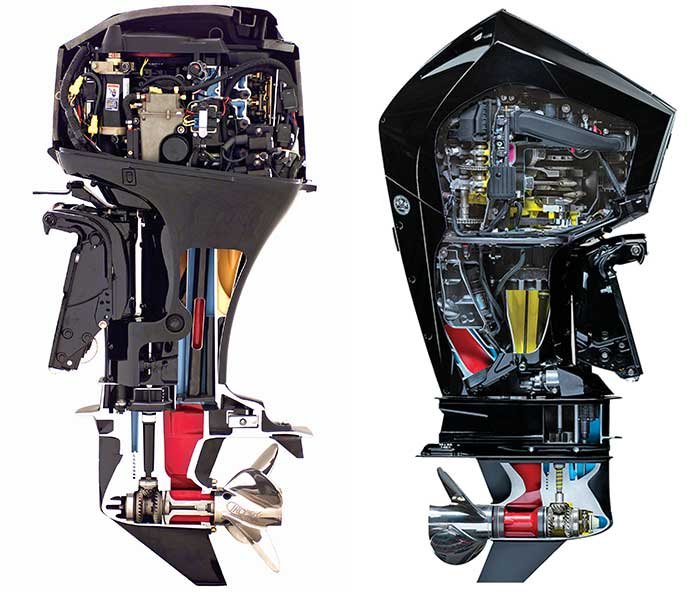
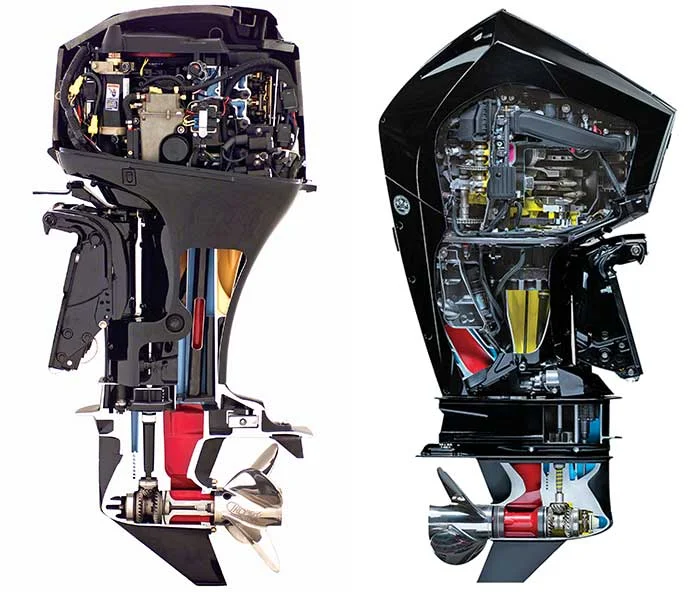
Yamaha 2 Stroke vs 4 Stroke Outboards
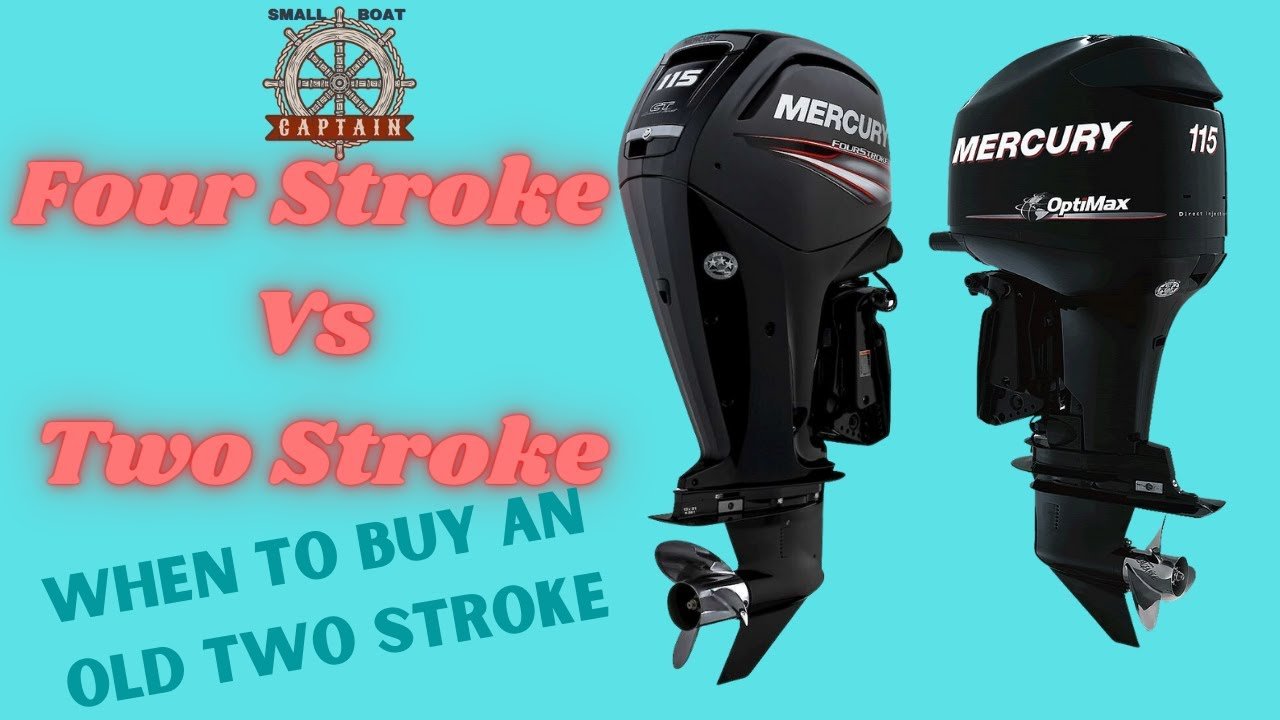
Yamaha 2 Stroke vs 4 Stroke Outboards
Anybody who spends enough time around boats eventually hears the same debate over and over again.
Two-stroke or four-stroke?
And honestly, people get loyal about it.
Some boat owners swear they’ll never give up their old Yamaha 2-stroke because they love the sound, the throttle response, and how simple the engines feel.
Others say once they switched to a Yamaha 4-stroke, they never wanted to go back because of fuel economy, smoother operation, and quieter running.
That’s why searches for Yamaha 2 Stroke vs 4 Stroke Outboards never really stop.
People want to know which one actually makes more sense before spending money on a replacement outboard.
We sell Yamaha outboard engines for buyers worldwide, and honestly, this is one of the most common questions customers ask before buying.
There isn’t one perfect answer for everybody.
A lot depends on:
- Boat type
- Budget
- Fuel usage
- Maintenance habits
- Fishing style
- Performance expectations
Some buyers still prefer older Yamaha 2-stroke outboards.
Others only want Yamaha 4-stroke engines.
Both have strong reputations for different reasons.
Why Yamaha Outboards Stay Popular
Yamaha built a strong reputation in the marine world because their engines tend to last when maintained properly.
That matters offshore.
People don’t care about flashy marketing when they’re miles away from shore.
They care about whether the engine starts.
That’s really what made Yamaha outboards so respected.
Reliability.
A lot of boat owners searching for Yamaha 2 Stroke vs 4 Stroke Outboards already trust Yamaha. They’re just trying to decide which version fits their boating style better.
Yamaha 2-Stroke Outboards
Older Yamaha 2-stroke engines still have loyal fans everywhere.
Especially among fishermen and performance boat owners.
The biggest reason is simple.
They feel aggressive.
The throttle response feels instant. The engines feel lighter. And many people still love the sound of a 2-stroke running hard.
Why People Still Like Yamaha 2-Stroke Outboards
A good Yamaha 2-stroke has a personality modern engines sometimes lack.
People like them because they’re:
- Lightweight
- Simple
- Powerful for their size
- Easy to work on
- Quick throttle response
A lot of older offshore fishermen still trust Yamaha 2-strokes because they spent years running them successfully.
Yamaha 2-Stroke Outboard Specifications
Specifications vary depending on horsepower and model, but common Yamaha 2-stroke features include:
Typical Specifications
- Lightweight engine design
- Strong acceleration
- High RPM performance
- Oil and fuel mixture system
- Simpler mechanical setup
- Strong hole-shot power
Many performance-oriented boat owners still search for Yamaha 2 Stroke vs 4 Stroke Outboards specifically because they like how 2-strokes perform under acceleration.
Yamaha 4-Stroke Outboards
Yamaha 4-strokes became extremely popular because they changed what people expected from marine engines.
They’re smoother.
Quieter.
More fuel efficient.
And honestly, for a lot of everyday boat owners, they simply make boating easier.
Why Yamaha 4-Stroke Engines Became So Popular
Fuel economy changed everything.
Especially for people spending long days offshore.
A Yamaha 4-stroke usually burns less fuel than an older 2-stroke.
That matters.
Especially when fuel prices climb.
Other reasons buyers prefer Yamaha 4-strokes include:
- Quiet operation
- Smooth idle
- Better fuel efficiency
- Cleaner emissions
- Long engine life
That’s why so many newer boat owners searching for Yamaha 2 Stroke vs 4 Stroke Outboards lean toward four-strokes now.
Yamaha 4-Stroke Specifications
Modern Yamaha 4-strokes come in many horsepower ranges.
Common Specifications
- Four-stroke engine design
- Electronic fuel injection
- Improved fuel economy
- Quiet operation
- Lower emissions
- Smooth idle performance
A lot of offshore and recreational boat owners now prefer four-strokes because of comfort and fuel savings.
Fuel Economy Differences
This is one of the biggest differences people notice.
Four-strokes generally use less fuel.
That becomes a huge advantage for:
- Offshore fishing
- Commercial use
- Long-distance boating
- Charter operations
Fuel costs add up fast on the water.
That’s one reason Yamaha 2 Stroke vs 4 Stroke Outboards became such a major discussion among boat owners.
Sound and Engine Feel
This part becomes personal.
Some people love the aggressive sound of a 2-stroke.
Others prefer the quieter operation of a 4-stroke.
A Yamaha 2-stroke feels rawer.
A Yamaha 4-stroke feels smoother and more refined.
Neither choice is automatically wrong.
It depends on what kind of boating experience the owner wants.
Weight Differences Matter
Two-stroke engines are usually lighter.
That matters on smaller boats.
A lighter engine can help with:
- Hole-shot performance
- Weight balance
- Acceleration
- Small boat handling
Four-strokes are heavier but usually smoother and more fuel efficient.
Maintenance Differences
A lot of people searching for Yamaha 2 Stroke vs 4 Stroke Outboards ask about maintenance.
Two-strokes are mechanically simpler in some ways.
Four-strokes usually require:
- Oil changes
- Filter changes
- More complex maintenance schedules
But four-strokes also tend to run cleaner and smoother over long periods.
Yamaha 2-Strokes Still Have Strong Demand
Some buyers assume 2-strokes disappeared completely.
That’s not true.
A lot of experienced boat owners still actively search for Yamaha 2-stroke outboards because they prefer:
- Simplicity
- Lighter weight
- Aggressive power delivery
- Easier repairs
- Lower initial cost
That demand still exists worldwide.
We Sell Yamaha Outboard Engines
We sell Yamaha outboard engines for buyers worldwide.
That includes:
- Yamaha 2-stroke outboards
- Yamaha 4-stroke outboards
- Low-hour Yamaha engines
- Used Yamaha outboards
- Offshore Yamaha engines
- Fishing boat outboards
A lot of customers contact us after researching Yamaha 2 Stroke vs 4 Stroke Outboards and deciding which setup works best for them.
Yamaha F150 4-Stroke Specifications
The Yamaha F150 became one of the most respected 4-stroke outboards for reliability and fuel economy.
Specifications
- 150 horsepower
- Four-stroke engine
- Fuel injected
- Quiet operation
- Excellent fuel economy
- Offshore capable
This engine became extremely popular on center consoles and fishing boats.
Yamaha 200HP 2-Stroke Specifications
Older Yamaha 2-strokes still have loyal offshore fans.
Specifications
- 200 horsepower
- Lightweight design
- Strong acceleration
- High RPM performance
- Popular offshore setup
A lot of experienced boat owners still trust these engines.
Why Offshore Fishermen Often Have Strong Opinions
Offshore boaters care about reliability more than almost anything else.
Engine problems offshore become serious quickly.
That’s why many offshore fishermen become extremely loyal to whichever Yamaha setup worked best for them over the years.
Some swear by older 2-strokes.
Others fully switched to modern 4-strokes.
Why Buyers Replace Instead of Rebuild
At some point rebuilding older outboards stops making financial sense.
Especially after:
- Severe overheating
- Corrosion damage
- Low compression
- Internal engine failure
- Cracked blocks
That’s why many boat owners choose replacement outboards instead.
Low-Hour Yamaha Outboards Matter
Hours matter on marine engines the same way mileage matters on trucks.
Lower-hour engines usually mean:
- Less wear
- Better compression
- Longer lifespan
- Better reliability
That’s why low-hour Yamaha outboards stay in strong demand.
Corrosion Protection Matters
Saltwater destroys equipment over time.
That’s why corrosion resistance matters heavily in marine engines.
Yamaha built a strong reputation partly because many of their engines handle marine environments well when maintained properly.
Yamaha Outboards Are Used Worldwide
People use Yamaha engines for:
- Offshore fishing
- Commercial work
- Recreational boating
- Charter operations
- Family boats
- Center consoles
That broad demand keeps Yamaha engines popular everywhere.
Why Some Buyers Prefer Older Yamaha 2-Strokes
A lot of older boat owners simply trust what worked for them for years.
Some still prefer 2-strokes because they feel:
- More mechanical
- Easier to repair
- Faster responding
- Simpler to maintain
That loyalty still exists strongly in some boating communities.
Why Four-Strokes Took Over So Much of the Market
Fuel economy changed the market.
So did emissions rules.
Modern boat owners also became more focused on:
- Quiet operation
- Smooth idle
- Long-distance comfort
- Fuel savings
That helped Yamaha 4-strokes become extremely dominant.
We Ship Yamaha Outboards Worldwide
We work with buyers worldwide looking for Yamaha outboard engines.
Shipping options depend on:
- Engine size
- Destination
- Crating requirements
- Freight handling
A lot of customers buy replacement outboards for fishing boats, offshore boats, and commercial marine applications.
Buyers Should Match the Engine to the Boat
Not every engine fits every setup.
Things that matter include:
- Boat weight
- Boat size
- Fuel usage
- Offshore use
- Performance goals
- Passenger load
That’s why buyers comparing Yamaha 2 Stroke vs 4 Stroke Outboards should think about how they actually use the boat.
Frequently Asked Questions
Which is better, Yamaha 2-stroke or 4-stroke outboards?
It depends on the boat owner’s needs. Two-strokes are lighter and more aggressive, while four-strokes are quieter and more fuel efficient.
Do you sell Yamaha outboard engines?
Yes. We sell Yamaha outboard engines worldwide.
Are Yamaha 2-strokes still good?
Yes. Many boat owners still trust Yamaha 2-stroke engines for performance and simplicity.
Are Yamaha 4-strokes more fuel efficient?
Yes. Four-strokes generally burn less fuel.
Which Yamaha outboard is best for offshore fishing?
Many offshore boaters use Yamaha 150HP, 200HP, and larger offshore models depending on boat size.
Are low-hour Yamaha outboards better?
Usually yes. Lower-hour engines generally have less wear.
Do you ship worldwide?
Yes. We ship Yamaha outboards worldwide.
Why do some boat owners still prefer 2-strokes?
Many like the lighter weight, throttle response, simplicity, and sound.
Final Thoughts
The Yamaha 2 Stroke vs 4 Stroke Outboards debate will probably never fully disappear because both engine types still have loyal supporters.
Some boat owners want lightweight aggressive power and simplicity.
Others want quiet operation, fuel savings, and smoother long-distance performance.
We sell Yamaha outboard engines for buyers worldwide looking for reliable marine power at competitive prices.
Whether you want a Yamaha 2-stroke for raw performance or a Yamaha 4-stroke for fuel-efficient offshore boating, we can help you find the right outboard for your setup.
Yamaha 300HP Outboard Review: Built for Speed and Strength – Yamaha 300HP outboard for sale
Electric vs Gas Outboard Motors: Pros, Cons & Which is Right for You
Posts Widget
- 1

- 2

- 3

- 4


S.H Continental Marine
USA HERALD MAGAZINE INC
Our team is dedicated to providing exceptional customer service.
Email: info@shcontinentalmarine.com
Choose S.H Continental Marine
for your outboard engine needs and enjoy superior quality, exceptional customer service, and unbeatable prices.
