
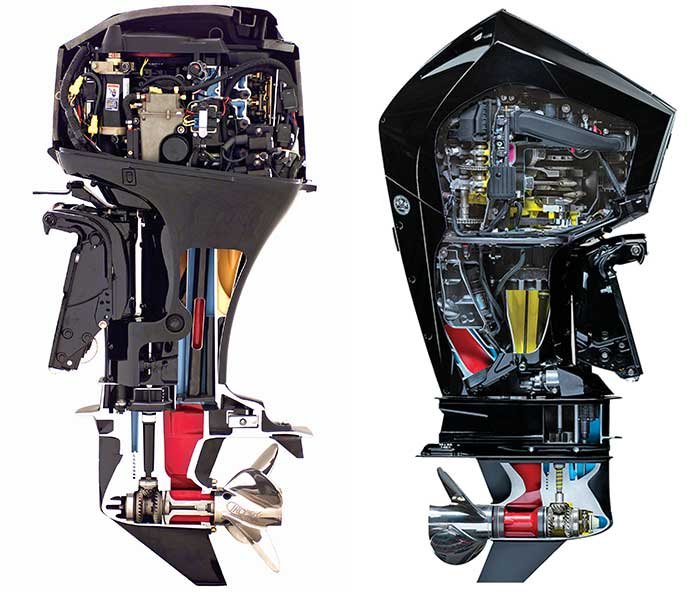
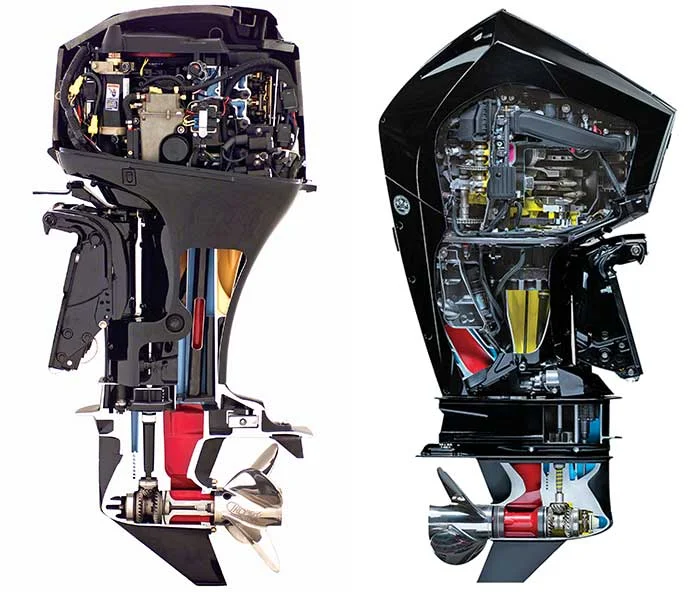
Yamaha Outboard Oil Change Guide
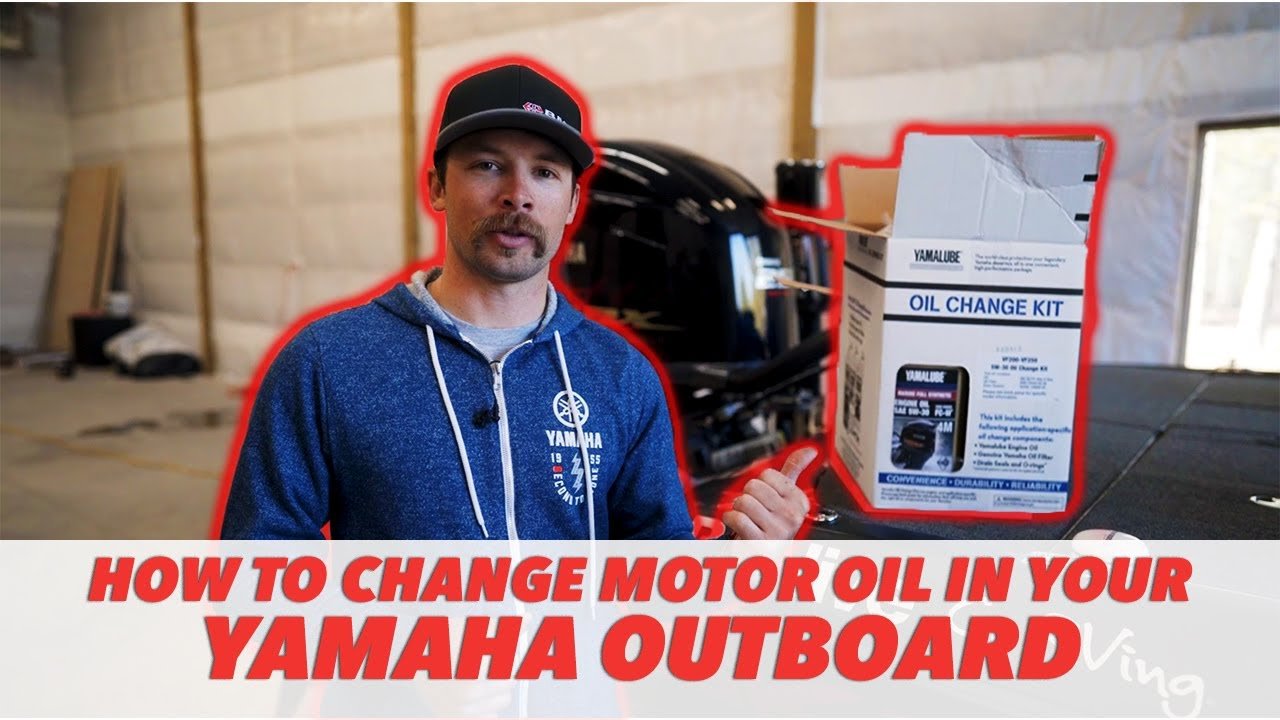
Yamaha Outboard Oil Change Guide
Anybody who has owned a boat long enough eventually learns one thing.
Marine engines can handle a lot of abuse, but poor maintenance catches up eventually.
And honestly, one of the most ignored things on outboards is regular oil changes.
A lot of people wait too long.
Some barely check oil levels at all.
Others assume low engine hours mean maintenance is unnecessary.
Then the problems start.
Rough idle.
Hard starting.
Overheating.
Excessive smoke.
Internal wear.
That is exactly why the Yamaha Outboard Oil Change Guide matters so much for boat owners, fishing operators, commercial marine businesses, and anybody trying to keep an outboard engine alive long term.
We supply Yamaha outboard engines worldwide, including new Yamaha marine motors, used outboards, low-hour engines, replacement outboards, and commercial marine setups for different types of boats and water conditions.
This Yamaha Outboard Oil Change Guide was written for real boat owners who want practical information without robotic marine marketing language.
Why Oil Changes Matter on Yamaha Outboards
A Yamaha outboard spends its life working under load.
Unlike car engines, marine engines often run at higher RPM for long periods while dealing with heat, moisture, corrosion, and constant stress.
That is why regular oil changes matter more than many people realize.
Fresh oil helps:
- Reduce engine wear
- Keep internal parts lubricated
- Reduce overheating
- Prevent sludge buildup
- Improve engine life
- Maintain smoother operation
A lot of buyers researching Yamaha Outboard Oil Change Guide information are trying to protect expensive engines from avoidable damage.
And honestly, that makes sense because replacing an outboard is not cheap.
How Often Should Yamaha Outboard Oil Be Changed?
This is one of the most common questions boat owners ask.
The answer depends on:
- Engine hours
- Water conditions
- Usage frequency
- Engine size
- Commercial vs recreational use
Most Yamaha owners follow basic service intervals like:
- Every 100 hours
- Or once per season
Commercial operators running daily often service engines much more frequently.
Anybody reading a Yamaha Outboard Oil Change Guide should understand one thing.
Hard use shortens oil life faster than people expect.
Signs Your Yamaha Outboard Needs an Oil Change
Sometimes the engine tells you pretty clearly.
Common signs include:
- Dark or dirty oil
- Rough idle
- Increased engine noise
- Hard starting
- Excessive smoke
- Reduced performance
- Burning oil smell
A lot of boat owners searching Yamaha Outboard Oil Change Guide topics waited until symptoms already started appearing.
That happens more often than people admit.
Yamaha Outboard Engines We Supply
People reading maintenance guides often end up searching for replacement engines too.
We supply Yamaha outboards for:
- Fishing boats
- Commercial boats
- River boats
- Leisure boats
- Offshore boats
- Utility boats
Available engine types may include:
- Yamaha 40HP
- Yamaha 60HP
- Yamaha 90HP
- Yamaha 115HP
- Yamaha 150HP
- Yamaha jet drive outboards
- Yamaha propeller outboards
Worldwide buyers contact us for replacement engines, export supply, commercial operations, and marine business inventory.
Common Yamaha Outboard Specifications
Different Yamaha outboards vary by horsepower and setup, but many share similar core features.
Common Yamaha Outboard Specifications
Engine Type
4-Stroke Marine Outboard
Cooling System
Water-Cooled
Fuel System
Electronic Fuel Injection
Starting System
Electric Start
Steering Options
- Hydraulic Steering
- Remote Steering
- Tiller Steering
Fuel Type
Gasoline
Shaft Length Options
- Short Shaft
- Long Shaft
- Extra Long Shaft
Typical Use
- Fishing boats
- Offshore boats
- Commercial marine work
- Recreational boating
- Utility operations
A lot of buyers reading Yamaha Outboard Oil Change Guide content are already trying to protect engines they depend on daily.
Yamaha Outboard Oil Change Guide Step by Step
A proper oil change is not complicated, but rushing through it creates mistakes.
Step 1: Warm the Engine
Run the outboard for a few minutes first.
Warm oil drains more easily and removes contaminants better.
Step 2: Shut Off the Engine
Turn the engine off and keep the boat stable.
Step 3: Remove the Engine Cover
Access the oil fill and drain areas carefully.
Step 4: Drain the Old Oil
Use the proper drain method depending on engine design.
Some engines use drain plugs.
Others require extraction pumps.
Step 5: Replace the Oil Filter
A lot of people skip this step trying to save money.
Bad idea.
Old filters continue holding dirty oil and debris.
Step 6: Add Fresh Marine Oil
Always use proper marine-grade oil recommended for Yamaha outboards.
Step 7: Check Oil Level
Do not overfill.
Too much oil creates problems too.
Step 8: Run the Engine Again
Start the engine briefly and check for leaks.
That is the basic Yamaha Outboard Oil Change Guide process most owners follow.
Why Marine Oil Matters
Some people still try using regular automotive oil in marine engines.
That creates problems over time.
Marine engines deal with:
- Higher moisture exposure
- Longer high-RPM operation
- Corrosion risks
- Continuous heavy load
Marine-grade oil is designed differently for those conditions.
Anybody serious about Yamaha Outboard Oil Change Guide maintenance should use proper marine lubricants.
Common Yamaha Outboard Problems Caused by Poor Oil Maintenance
Ignoring oil changes eventually catches up.
Common issues include:
- Internal engine wear
- Sludge buildup
- Bearing damage
- Overheating
- Reduced compression
- Increased fuel consumption
- Timing problems
Some outboards survive years of neglect.
Others fail surprisingly early.
A lot depends on maintenance habits.
Yamaha Four-Stroke Outboards and Oil Maintenance
Most modern Yamaha outboards are four-stroke engines.
That means engine oil maintenance becomes extremely important.
Four-stroke setups are popular because they offer:
- Better fuel economy
- Smoother operation
- Lower emissions
- Longer engine life
But they also require regular oil service.
That is why Yamaha Outboard Oil Change Guide topics remain important for long-term engine ownership.
Why Buyers Choose Yamaha Outboards
People in the boating industry usually stay loyal to brands that consistently work.
Yamaha built a strong reputation because the engines are known for:
- Reliable starting
- Long-term durability
- Smooth performance
- Strong resale value
- Good fuel economy
That reputation keeps Yamaha engines in demand worldwide.
Used vs New Yamaha Outboards
A lot of buyers ask whether they should buy used or new.
Used Yamaha Outboards
Lower upfront cost.
Good option for budget-conscious buyers.
New Yamaha Outboards
Latest technology and warranty support.
Usually preferred for long-term ownership and commercial use.
Low-Hour Yamaha Engines
Popular middle-ground option.
Many buyers specifically look for low-hour outboards because they balance cost and condition.
Yamaha Outboard Oil Capacity
Oil capacity depends on engine size.
Smaller Yamaha outboards require less oil while larger offshore engines require significantly more.
That is why anybody following a Yamaha Outboard Oil Change Guide should always verify the correct oil quantity for the exact engine model.
Overfilling or underfilling both create problems.
Why Commercial Operators Take Oil Changes Seriously
Commercial marine operators usually learn maintenance discipline quickly.
A failed outboard during commercial work creates:
- Lost income
- Delayed operations
- Repair costs
- Downtime
That is why commercial buyers often maintain engines much more aggressively than recreational owners.
Signs It May Be Better to Replace the Outboard
Sometimes maintenance comes too late.
Common warning signs include:
- Severe knocking
- Low compression
- Excessive smoke
- Metal contamination in oil
- Repeated overheating
- Major internal damage
At some point, replacement becomes more practical than rebuilding.
That is why buyers researching Yamaha Outboard Oil Change Guide information sometimes end up shopping for replacement outboards too.
Why Buyers Work With Us
People buying marine engines usually want straightforward information.
Not exaggerated marketing.
Buyers mainly care about:
- Engine condition
- Reliability
- Shipping support
- Honest communication
- Fair pricing
That is how we handle engine supply.
We provide Yamaha outboard engines for fishing operators, commercial marine businesses, export buyers, and recreational boat owners worldwide.
Worldwide Shipping for Yamaha Outboards
We support worldwide shipping for:
- Boat owners
- Commercial operators
- Marine workshops
- Fishing businesses
- Export buyers
Shipping arrangements depend on engine size and destination.
Yamaha Outboard Oil Change Guide for Long-Term Reliability
A lot of people focus only on horsepower when buying outboards.
But long-term reliability usually comes down to maintenance habits more than anything else.
Regular oil changes help protect:
- Bearings
- Internal moving parts
- Timing components
- Cooling performance
- Overall engine life
Anybody serious about keeping an outboard for years should take maintenance seriously.
Frequently Asked Questions
How often should Yamaha outboard oil be changed?
Most owners change oil every 100 hours or once per season.
Do you sell Yamaha outboard engines?
Yes. We supply Yamaha marine engines worldwide.
Can poor oil maintenance damage an outboard?
Yes. Dirty oil can cause overheating, wear, sludge buildup, and internal engine damage.
Are Yamaha outboards reliable?
Yes. Yamaha outboards are known for long-term durability and smooth operation.
Should the oil filter be replaced during oil changes?
Yes. Replacing the oil filter is important during regular maintenance.
Do you ship Yamaha outboards internationally?
Yes. Worldwide shipping support is available.
Can I use automotive oil in a Yamaha outboard?
Marine-grade oil is strongly recommended for proper protection.
What are signs my Yamaha outboard needs an oil change?
Dark oil, rough idle, excessive smoke, and engine noise are common warning signs.
Are used Yamaha outboards available?
Yes. Used and low-hour Yamaha outboards may be available depending on inventory.
What Yamaha outboards are most popular?
40HP, 60HP, 90HP, 115HP, and 150HP Yamaha outboards remain among the most requested models.
Final Thoughts on Yamaha Outboard Oil Change Guide
Anybody reading a Yamaha Outboard Oil Change Guide is usually trying to do one thing.
Protect the engine before expensive problems start.
Regular oil changes may seem basic, but they play a huge role in long-term outboard reliability.
A well-maintained Yamaha outboard can stay dependable for years when serviced properly.
Ignoring maintenance usually becomes expensive later.
This Yamaha Outboard Oil Change Guide was written to help boat owners understand why regular oil service matters and why Yamaha engines continue holding strong value worldwide.
If you are looking for Yamaha outboard engines for fishing boats, commercial marine use, offshore operations, replacement motors, or export supply, we are ready to help with available inventory, worldwide shipping support, and dependable marine engine solutions.
Yamaha 300HP Outboard Review: Built for Speed and Strength – Yamaha 300HP outboard for sale
Electric vs Gas Outboard Motors: Pros, Cons & Which is Right for You
Posts Widget
- 1

- 2

- 3

- 4


S.H Continental Marine
USA HERALD MAGAZINE INC
Our team is dedicated to providing exceptional customer service.
Email: info@shcontinentalmarine.com
Choose S.H Continental Marine
for your outboard engine needs and enjoy superior quality, exceptional customer service, and unbeatable prices.
