
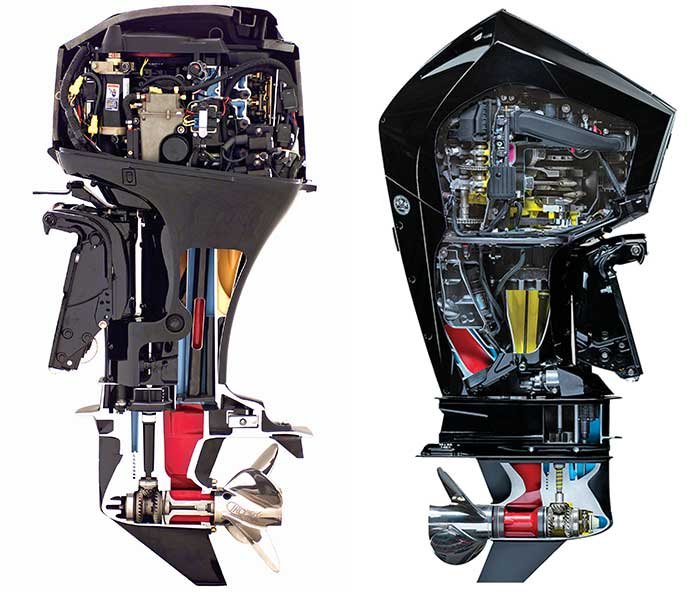
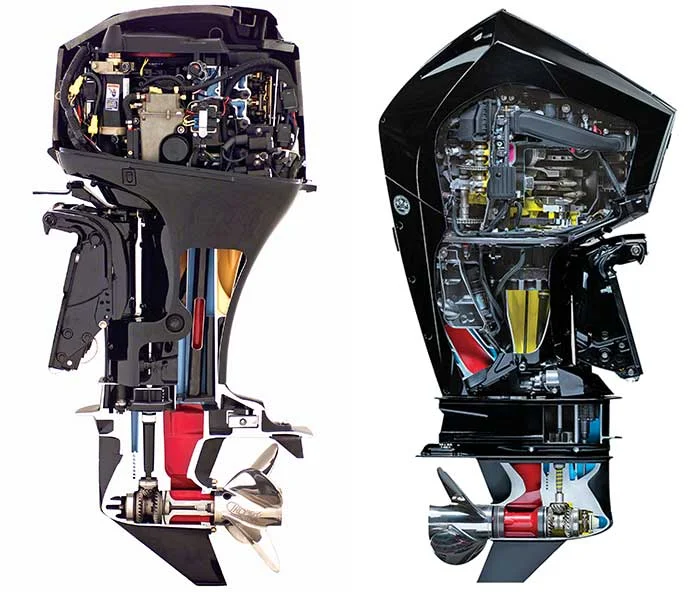
2-Stroke vs 4-Stroke Outboard Motors Explained
Introduction
As per buyer requirements, this guide explains 2-stroke and 4-stroke outboard motors regarding their specifications and features for complete comparison. 2-Stroke vs 4-Stroke Outboard Motors Explained
When you select an outboard motor for your boat, you surely need to choose between 2-stroke and 4-stroke engines. Moreover, this decision is one of the most important choices you will make. As per global marine market trends, these two engine types are most popular regarding different boating needs and their unique benefits.
Both engine types are actually used widely in fishing boats, recreational boats, and commercial marine work according to global marine standards. They are definitely common choices for different types of marine operations. Moreover, surely, buyers must understand how these vehicles differ in performance, maintenance, fuel efficiency, and cost before purchasing. Moreover, this knowledge is essential for making the right choice.
We basically sell 2-stroke and 4-stroke outboard motors worldwide, so buyers can pick the same engine that fits their needs best. This guide surely gives you complete details about specifications, features, and how different options perform. Moreover, it helps you choose the right investment for your needs.
2-Stroke Outboard Motors Explained
As per marine engine technology, 2-stroke outboard motors work with simple design regarding fuel and air mixing in two basic steps.
A 2-stroke engine completes its power cycle in two strokes of the piston itself. This engine design further allows for simpler construction compared to 4-stroke engines.
A 2-stroke outboard motor actually completes its power cycle in just two piston movements, which is definitely one crankshaft revolution. We are seeing this design makes the engine only simpler, lighter, and gives better response.
Advanced Development
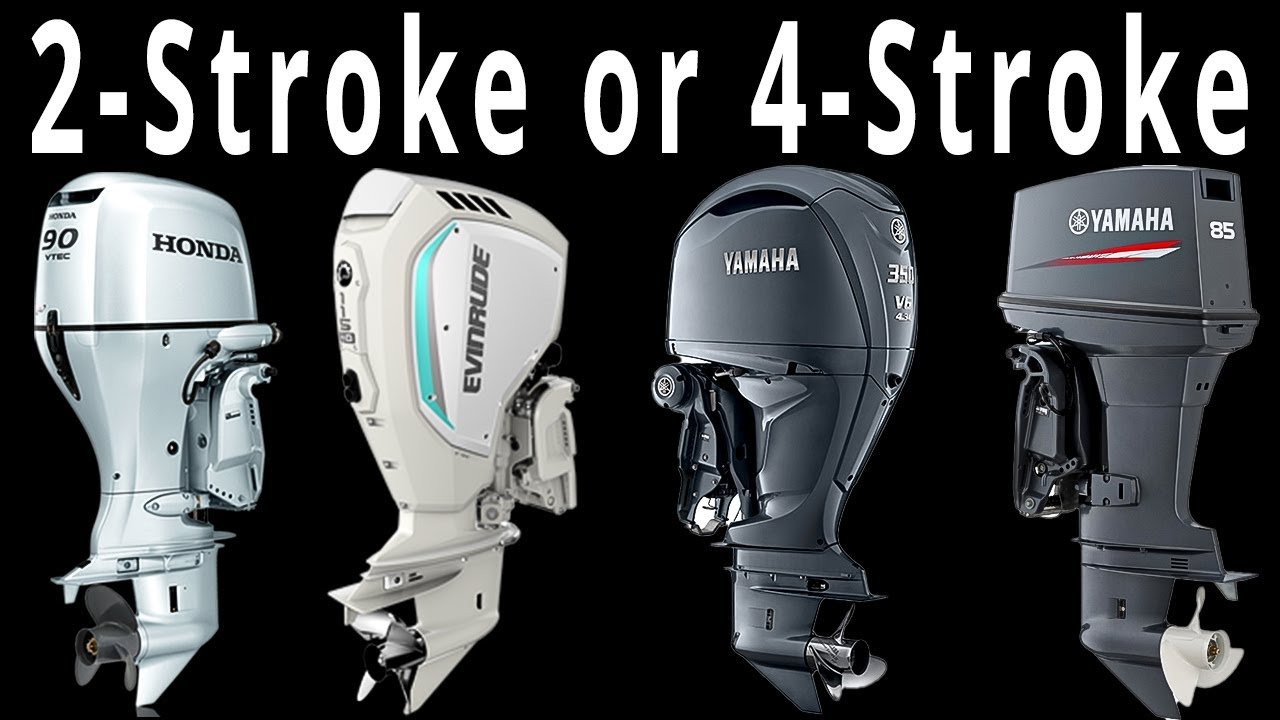
Evinrude itself has developed advanced 2-stroke engines with direct injection technology, which further improved engine performance.
Key Features of 2-Stroke Outboard Motors
Lightweight Design
- The system has fewer parts inside itself, which further reduces complexity.
- We are seeing that these systems are only easier to set up and move from one place to another.
- This product is suitable for small and mid-sized boats and can further enhance their performance. The design itself works well for these boat categories.
Strong Acceleration
- The throttle responds faster, which further improves the driving experience itself.
- As per the requirements, this system provides quick power delivery regarding fast charging needs.
- We are seeing this gives only the best speed and performance that we need.
Simple Mechanics
- Moreover, electric vehicles surely have fewer moving parts compared to traditional engines. Moreover, this reduces maintenance requirements and mechanical complexity.
- As per the design changes, the mechanical complexity is reduced regarding the overall system structure.
- Servicing becomes easier in many cases, which further reduces maintenance complexity. The process itself becomes more straightforward for technicians.
High Power-to-Weight Ratio
- This motor actually gives more power while weighing less. It definitely works better than heavy motors.
- This engine surely generates higher power output compared to its compact size. Moreover, it delivers better power-to-size ratio than conventional engines.
- This product is suitable for high-performance boating and can further enhance the boat’s performance itself.
2-Stroke Specifications
Surely, 2-stroke engines have typical specifications that fall within a standard range. Moreover, these specifications vary based on the engine’s design and application requirements.
- Horsepower range from only 2.5 HP to 300+ HP
- Engine uses the same 2-stroke direct injection system
- Fuel system uses direct fuel injection technology
- Lighter weight compared to 4-stroke engines
- Low to moderate maintenance
- Oil system requires mixing or injection
4-Stroke Outboard Motors Explained
Also, 4-stroke outboard motors require further study to understand their working mechanism itself.
A 4-stroke engine surely operates through four distinct piston movements to complete one working cycle. Moreover, this engine type uses intake, compression, power, and exhaust strokes to convert fuel into mechanical energy.
A 4-stroke outboard motor surely completes its power cycle through four piston movements. Moreover, this process requires exactly two crankshaft revolutions to finish one complete cycle. This design is basically more complex but gives the same smooth and efficient working.
Industry Example
Companies like Yamaha are actually known for making reliable 4-stroke outboard engines. They definitely produce quality motors that work well.
Key Features of 4-Stroke Outboard Motors
Smooth Operation
- Reduced vibration
- Quiet performance
- Provides comfort during extended journeys
Fuel Efficiency
- Consumes less fuel at cruising speeds
- More efficient combustion process
Long Lifespan
- Engine parts last long
- Designed for long-term use
Cleaner Emissions
- Reduces environmental impact
- Meets marine regulations
4-Stroke Specifications
We are seeing 4-stroke engine details that only show the normal range of specifications.
- Horsepower range extends from 2.5 HP to 425 HP
- Uses a 4-stroke system
- Fuel system uses Electronic Fuel Injection (EFI)
- Heavier than 2-stroke engines
- Requires regular oil changes
- Separate lubrication system
Engine Design Comparison
2-Stroke
- Simpler construction
- Fewer moving parts
- Lightweight and compact
4-Stroke
- More complex design
- Includes valves and extra components
- Heavier but refined
Fuel System Comparison
2-Stroke
- Direct fuel injection
- Fuel mixed with oil or injected separately
- Faster combustion
4-Stroke
- Electronic fuel injection
- Precise fuel control
- Cleaner combustion
Specifications Comparison Table
Mid-Range Outboard Motors (60–150 HP)
- Feature Comparison Table:
| Feature | 2-Stroke Engine | 4-Stroke Engine |
|---|---|---|
| Engine Type | 2-Stroke DI | 4-Stroke |
| Horsepower Range | 40–300+ HP | 2.5–425 HP |
| Weight | Lightweight | Heavier |
| Fuel Efficiency | High | Very High |
| Maintenance | Low | Moderate |
| Noise Level | Moderate | Very Quiet |
| Acceleration | Fast | Moderate |
| Lifespan | Good | Excellent |
Performance Comparison
Acceleration
2-Stroke Engines
- Immediate throttle response
- Faster acceleration
- Better for high-speed applications
4-Stroke Engines
- Gradual acceleration
- Smooth power delivery
Speed
- 2-stroke engines run faster due to lighter weight
- 4-stroke engines provide steady cruising speed
Smoothness and Noise
4-Stroke
- Less noise
- Smoother performance
2-Stroke
- More noise
- More vibration
Fuel Efficiency Comparison
2-Stroke Engines
- Efficient during acceleration
- Direct injection reduces fuel waste
4-Stroke Engines
- Better for long-distance fuel saving
- Optimized fuel consumption
Maintenance Comparison
2-Stroke Maintenance
- No frequent oil changes
- Fewer parts
- Lower maintenance cost
4-Stroke Maintenance
- Requires oil and filter changes
- More components
- Higher service cost
Technology Features
2-Stroke Technology
- Direct injection systems
- Automatic winterization
- Digital controls
4-Stroke Technology
- EFI systems
- Advanced diagnostics
- Digital throttle and shifting
Cost Comparison
Initial Cost
- 2-stroke engines are more affordable
- 4-stroke engines cost more initially
Operating Cost
- 2-stroke engines have lower maintenance cost
- 4-stroke engines save fuel over time
Choosing the Right Engine
Choose 2-Stroke If:
- Fast acceleration
- Lightweight engine
- Lower starting cost
- High performance
Choose 4-Stroke If:
- Quiet operation
- Long-term reliability
- Smooth cruising
- Better fuel economy
Applications
Recreational Boating
- Both engines perform well
- 4-stroke preferred for comfort
Fishing Boats
- 2-stroke for speed
- 4-stroke for quiet use
Commercial Use
- 2-stroke for heavy-duty work
- 4-stroke for long operation hours
Why Buy From Us
We supply 2-stroke and 4-stroke outboard motors worldwide as per customer needs regarding the best engine choice.
Our Advantages
- Brand new engines
- Competitive pricing
- Worldwide shipping
- Secure packaging
- Complete documentation
Shipping & Delivery
We provide worldwide delivery regarding all outboard motors.
Key Benefits
- Fast global shipping
- Safe packaging
- Bulk and individual orders accepted
- Reliable logistics
Investment Value
Durability
Both engine types are made for marine use and long-term performance.
Efficiency
Fuel-saving technologies reduce operating costs.
Performance
A good engine improves overall boating experience.
Comparison Summary
- 2-stroke engines are lightweight, powerful, fast, and low maintenance
- 4-stroke engines are quiet, efficient, smooth, and long-lasting
Both are good choices depending on your needs.
Frequently Asked Questions
Which engine is better?
Both are high-quality options depending on your needs.
- Speed → 2-stroke
- Comfort → 4-stroke
Which engine saves more fuel?
- 4-stroke for long distance
- 2-stroke for acceleration
Availability
These engines are available worldwide.
We supply both engine types globally with secure shipping.
Conclusion
The choice between 2-stroke and 4-stroke outboard motors surely depends on one’s boating requirements and financial capacity. Moreover, performance expectations play a crucial role in making this decision.
If you need speed, lightweight design, and lower maintenance, a 2-stroke engine is surely the right choice. Moreover, it offers better performance with simple construction. Basically, if you want quiet running, good fuel economy, and long-term reliability, then 4-stroke engine is the same ideal choice for you.
Basically, we sell both 2-stroke and 4-stroke outboard motors worldwide, so you get the same high-quality marine engines no matter where you are.
Basically, you can order today and get the same powerful motor that makes your boat run better and last longer.
Yamaha 300HP Outboard Review: Built for Speed and Strength – Yamaha 300HP outboard for sale
Electric vs Gas Outboard Motors: Pros, Cons & Which is Right for You
Posts Widget
- 1

- 2

- 3
- 4


S.H Continental Marine
USA HERALD MAGAZINE INC
Our team is dedicated to providing exceptional customer service.
Email: info@shcontinentalmarine.com
Choose S.H Continental Marine
for your outboard engine needs and enjoy superior quality, exceptional customer service, and unbeatable prices.
