
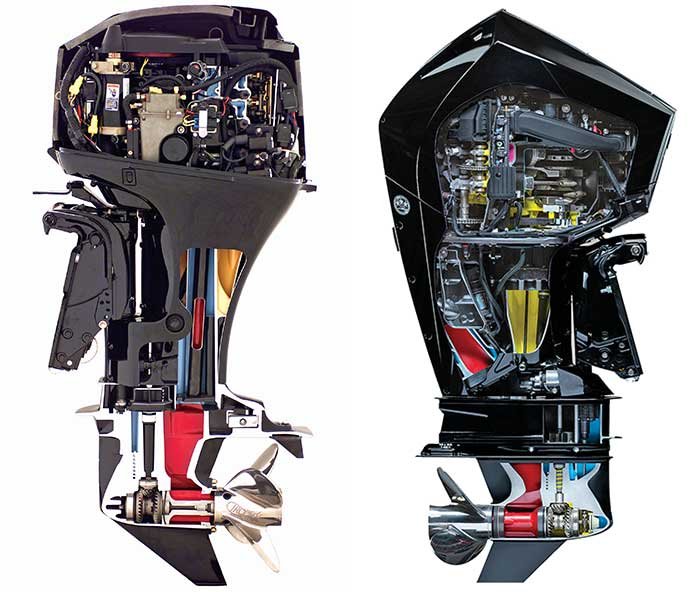
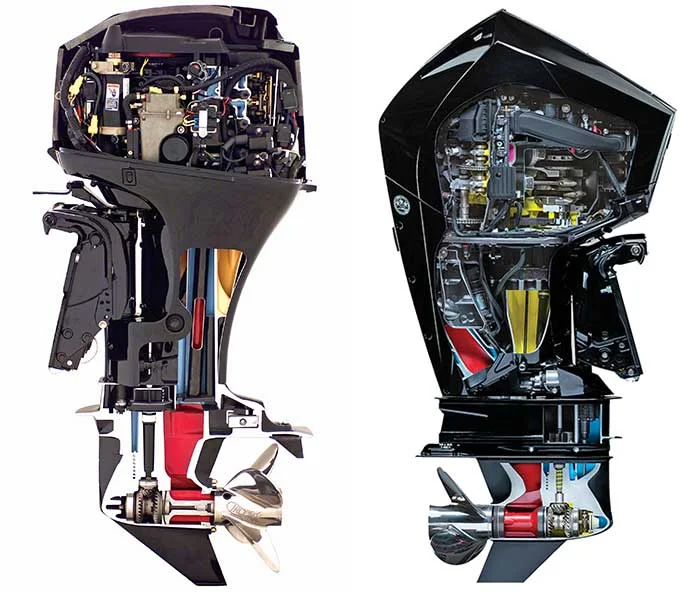
New Outboard Motors: What to Know Before You Buy

Most people who come to us looking for new outboard motors have already done some research. They know roughly what horsepower they need, they’ve looked at a few listings, and they want to make sure they’re buying from someone who actually has stock and won’t waste their time. That’s exactly what we do at SH Continental Marine. We sell genuine new outboard motors to buyers worldwide — fishing operators, private boat owners, marine businesses, and commercial fleets who need engines they can rely on from day one.
This post covers what actually matters when you’re shopping for new outboard motors: the specs, the choices, what to look for, and what to avoid. No padding, no filler.
Why Buy New Rather Than Used
There’s a place for used engines and we’ll be the first to say so. But new outboard motors have real advantages that used units simply can’t match. First and most obviously: you know the history. The engine has zero hours on it, no previous owner who skipped service intervals, no saltwater damage that was cleaned up for resale. What you see is what you get.
Second, new outboard motors come with the manufacturer’s warranty. For Yamaha, that covers defects in materials and workmanship. If something goes wrong in the first year or two, you’re covered. That’s a real financial protection, especially for commercial operators who can’t afford unexpected downtime.
Third, new outboard motors reflect current engine technology. Electronic Fuel Injection, better corrosion protection, improved fuel economy, lower emissions, lighter weight — the engineering has moved forward significantly over the past decade. A new engine performs better and runs cleaner than something built ten years ago.
We stock a range of new Yamaha outboard motors from small single-cylinder units up to high-horsepower offshore engines. Every unit we sell is genuine, sourced through authorized channels, and comes with full documentation.
The Yamaha Lineup We Carry
When it comes to new outboard motors, Yamaha is the benchmark. They’ve held that position for good reason: their engines start reliably, they run for a long time with proper care, and they hold resale value better than most competitors. We’ve shipped Yamaha new outboard motors to buyers on every continent and the feedback is consistent — these engines do what they’re supposed to do.
Yamaha 9.9 HP — Small Boat and Tender Use
The Yamaha 9.9 HP is one of the most practical new outboard motors in the lineup for small boat owners. It’s compact, light, and straightforward to operate. Key specs: 212cc displacement, 4-stroke, SOHC, electric or manual start depending on model, 25-inch shaft option, weight around 100–117 lbs. It handles dinghies, aluminum tinnies, tenders, and sailboat auxiliaries without drama. View our Yamaha 9.9 HP listing here.
Yamaha 90 HP — The Mid-Range Workhorse
The 90 HP class is where a lot of serious buyers land. These new outboard motors cover center consoles, pontoon boats, bay boats, and light commercial vessels. The F90LB is one of our most consistent sellers. Specs: 1.8L inline 4-cylinder, DOHC 16-valve, EFI, 90 HP at 5,500 RPM, 35-amp alternator, power trim and tilt, available in 20-inch and 25-inch shaft lengths, weight approximately 353 lbs. It’s a proper workhorse with a known track record. See the Yamaha 90 HP F90LB here.
Yamaha 90 HP V MAX SHO — High-Performance Option
For buyers who need more performance from the same displacement, the VF90LA V MAX SHO delivers. Same 1.8L platform as the standard 90 but tuned for more aggressive acceleration and higher top-end output. Still a new outboard motor built on proven Yamaha architecture, with EFI, 35-amp alternator, and full trim and tilt. Weight approximately 353 lbs. Popular with bass boat owners and performance-minded buyers. See the Yamaha VF90LA here.
What Specs Actually Matter on New Outboard Motors
When you’re comparing new outboard motors, the spec sheets can get overwhelming fast. Here’s what actually moves the needle.
Displacement
Displacement is engine volume in cubic centimeters or liters. Bigger displacement generally means more torque at lower RPM — important for pushing heavy boats or working against current and wind. Two new outboard motors rated at the same horsepower can feel very different on the water if one has significantly more displacement than the other. Yamaha’s 1.8L 90 HP engines have more displacement than most competitors at the same rating, which is part of why they feel strong through the mid-range.
Fuel System
All current new outboard motors in the Yamaha four-stroke lineup use Electronic Fuel Injection. EFI means the engine manages fuel delivery precisely based on throttle position, temperature, and load. The result is better cold starts, more consistent power delivery, better fuel economy, and lower emissions than carbureted systems. If you’re looking at new outboard motors at similar price points and one has EFI while the other has a carb, the EFI unit is almost always the better buy long-term.
Shaft Length
Getting this wrong is an expensive mistake. New outboard motors come in standard shaft lengths: short (15 inches), long (20 inches), and extra-long (25 inches). The right choice depends entirely on your transom height. Measure before you order. A mismatched shaft on new outboard motors causes the prop to either run too close to the surface (ventilation, loss of thrust) or too deep (excessive drag, steering issues).
Alternator Output
Modern boats run a lot of electronics. The new outboard motors in Yamaha’s 90 HP class come standard with a 35-amp alternator. For most recreational and fishing setups with GPS, sonar, radios, and navigation lights, 35 amps is more than adequate. If you’re running a heavily equipped commercial vessel, confirm the alternator output of any new outboard motors you’re considering against your total electrical load.
Weight
Weight affects handling, especially on lighter hulls. Yamaha’s engineering focus on keeping new outboard motors light without sacrificing durability has resulted in engines that are among the lightest in their class. The 90 HP four-stroke models come in around 353 lbs — competitive for the output level. On smaller boats, every pound matters for trim and performance.
New Outboard Motors for Different Applications
Not all new outboard motors are right for all situations. Here’s a straightforward breakdown by use case.
Fishing Boats
Inshore fishing boats typically run well on new outboard motors in the 40–90 HP range. You want good low-end torque for maneuvering around structure, quiet operation for not spooking fish at trolling speeds, and enough alternator output to run sonar, GPS, and livewells simultaneously. Yamaha’s 90 HP four-strokes tick all those boxes. For offshore or larger center consoles, you’re typically looking at twin-engine setups with new outboard motors in the 150–300 HP class.
Pontoon Boats
Pontoons are heavier than most people expect, which means the new outboard motors powering them need torque more than peak horsepower. For a standard 20–22 foot pontoon with an average load, a 90 HP Yamaha four-stroke is a solid fit. Larger pontoons or those used for watersports often go up to 115–150 HP. The key is matching the engine’s torque curve to how the pontoon actually loads up and moves through the water.
Commercial and Work Boats
Commercial operators buying new outboard motors have different priorities than recreational buyers. Reliability under continuous load matters more than peak performance. Serviceability — how easy it is to get parts and qualified mechanics in their operating region — matters enormously. This is another reason Yamaha consistently wins in the commercial market: their service network is genuinely global, and parts are not difficult to source in most countries.
Tenders and Auxiliary Motors
Yacht tenders and sailboat auxiliaries need new outboard motors that are light, easy to handle, and reliable. The 9.9 HP class is the most popular here. Light enough for one person to manage, powerful enough to move a loaded tender in reasonable wind and chop, and economical to run over short distances.
Maintenance on New Outboard Motors — Starting Right
The first service on new outboard motors is important. Yamaha specifies an initial service at 20 hours — this includes an oil change, filter inspection, gear lube check, and general inspection of all systems. Don’t skip it. The break-in period for new outboard motors is when components are seating and wearing into each other, and contaminated oil or loose fasteners from this period can cause problems that show up much later.
After break-in, standard service intervals apply: oil changes every 100 hours or annually, impeller replacement every 100–200 hours, gear lube changes annually, and full flush after every saltwater use. Our guide on flushing a Yamaha outboard motor is worth bookmarking. Staying on top of the basics is what separates engines that reach 2,000 hours from ones that fail at 400.
For oil specifics, our post on the best oil for Yamaha outboards breaks down exactly what grade to use and why the manufacturer’s spec matters. Use the right oil from day one on new outboard motors and you’re ahead of the majority of owners.
Common Questions About New Outboard Motors
How long do new outboard motors last?
Yamaha new outboard motors that are properly maintained regularly reach 1,500–3,000 hours before requiring major internal work. Commercial operators running consistent hours have reported well over 2,000 hours on Yamaha four-strokes without an engine rebuild. The variables are maintenance consistency, operating environment (saltwater is harder), and whether problems were caught early or ignored.
Do new outboard motors need to be broken in?
Yes. Yamaha specifies a break-in procedure for new outboard motors — varying the throttle position and avoiding sustained full-throttle operation during the first 10 hours. The manual covers this in detail. Following the break-in procedure helps the piston rings seat properly and extends long-term engine life. It’s not something to skip to get an extra few knots on the first day out.
What warranty comes with new outboard motors from SH Continental Marine?
All new outboard motors we sell come with the manufacturer’s warranty. For Yamaha, this covers defects in materials and workmanship. Contact us for the specific warranty terms applicable to the unit you’re purchasing, as terms vary by model and region.
Can I get new outboard motors shipped internationally?
Yes. We ship new outboard motors worldwide. We handle the packaging, documentation, and freight coordination. We’ve shipped to buyers in the UK, Australia, USA, Canada, UAE, Saudi Arabia, South Africa, Southeast Asia, and across West and East Africa. Get in touch through our contact page for a freight quote to your location.
Rigging and Accessories for New Outboard Motors
Buying new outboard motors is only part of the job. Rigging the engine properly makes a real difference in how the boat performs and how reliable the setup is over time. The control system — cables, control box, steering — should be matched to the engine and installed correctly. A cheap or worn control box on otherwise good new outboard motors introduces slop and imprecision that shows up every time you dock or try to hold a trolling speed. Read our Yamaha outboard control box guide before you rig a new engine.
Propeller selection also matters. The prop that ships with new outboard motors is a starting point, not necessarily the optimal choice for your specific boat and load. Our guide on the best propellers for Yamaha outboards explains how prop pitch and diameter affect WOT RPM, hole shot, and fuel economy. Getting the prop right can make a noticeable difference in how the engine performs day to day.
For a full list of accessories that extend the service life and improve the performance of new outboard motors, check our roundup of top Yamaha outboard accessories.
Saltwater Setup for New Outboard Motors
If your new outboard motors will be running in saltwater, there are a few things to confirm and set up from the start. First, check that the sacrificial anodes are in place and correct for your specific engine model. Anodes protect the lower unit from galvanic corrosion — they are cheap insurance on expensive new outboard motors and should be inspected at every service.
Second, establish the flushing habit from day one. Saltwater left sitting in cooling passages crystallizes and causes corrosion from the inside. It’s cumulative damage that you won’t see until there’s a real problem. Flushing takes five minutes and adds years. See our detailed post on how to flush your outboard for the proper procedure.
Third, if you’re operating near other dissimilar metals in saltwater — other engines, metal fittings, underwater hardware — galvanic protection becomes even more important. Yamaha’s new outboard motors are designed with this in mind using proprietary alloys, but the anodes are the last line of defense. Keep them fresh.
Troubleshooting New Outboard Motors
Even brand new outboard motors occasionally have teething issues. If yours won’t start after sitting, work through the basics first before calling a mechanic: battery charge, kill switch position, fuel supply, priming. Our Yamaha outboard won’t start troubleshooting guide covers every common scenario.
If new outboard motors run hot in the first few hours, check the water intake first — shipping debris or packaging material occasionally blocks the intake screen. If the temp warning persists, check whether the impeller is circulating water properly. On new outboard motors this is rare but it does happen. Our post on Yamaha outboard overheating causes walks through every scenario.
Why Buy New Outboard Motors From SH Continental Marine
We’re not a broker or a middleman listing engines we don’t have. We carry genuine Yamaha new outboard motors in stock, sourced through authorized channels, with all documentation in order. No grey-market units. No engines that have been sitting in a warehouse for five years and relabeled as new.
Every shipment of new outboard motors from us is packed correctly for international freight — properly crated, insured, and tracked. We’ve shipped to buyers in over 30 countries. We know the logistics and we handle the customs documentation. When you order new outboard motors from us, the transaction is straightforward and the engine arrives the way it left.
Our pricing on new outboard motors is honest. We work at volume and we’d rather build a long-term relationship with a customer than extract every dollar from a single transaction. That’s how we’ve built consistent repeat business across multiple regions.
Browse our current new outboard motors inventory to see what’s available. If you don’t see what you need listed, contact us — we have access to more stock than what’s on the site at any given time.
Ready to Order New Outboard Motors
If you know what you need, head to the shop and browse current new outboard motors listings. If you’re still working out the right horsepower, shaft length, or configuration, use our contact page and give us the details on your boat. We’ll come back with a straight answer on which new outboard motors fit your setup, what they cost, and how long shipping takes to your location.
Posts Widget
- 1
- 2

- 3

- 4


S.H Continental Marine
USA HERALD MAGAZINE INC
Our team is dedicated to providing exceptional customer service.
Email: info@shcontinentalmarine.com
Choose S.H Continental Marine
for your outboard engine needs and enjoy superior quality, exceptional customer service, and unbeatable prices.
