
Outboard Motors for Speed Boats: The Ultimate Guide to Horsepower and Weight

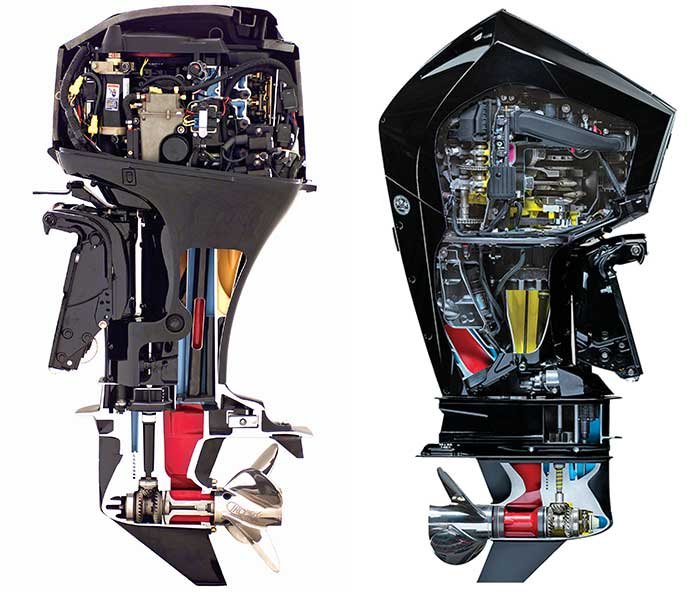
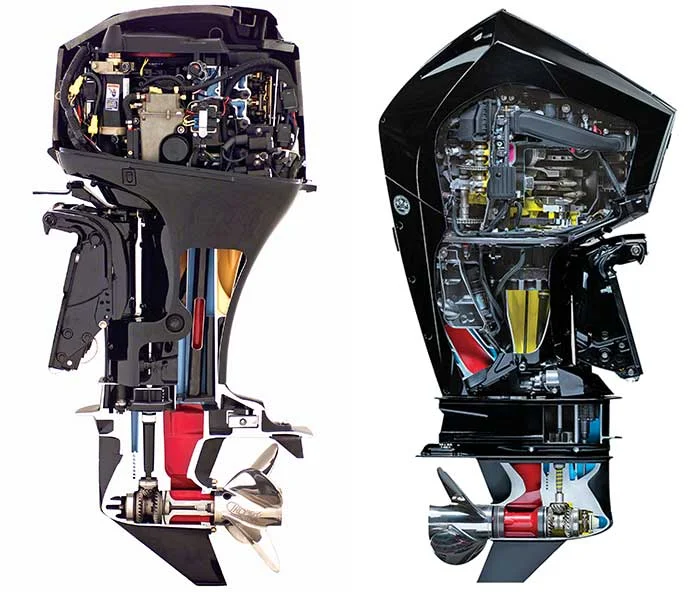
Outboard motors for speed boats live and die on a different set of priorities than a family cruiser or a workboat. Ask ten boaters what makes a boat fast and you’ll get ten different answers, most of them wrong. Horsepower gets all the attention, but if you’ve ever watched a heavy 300 HP boat get walked down by a lighter 250, you already know there’s more going on. When people search for outboard motors for speed boats, what they’re usually really after is a specific combination: high horsepower relative to weight, a wide RPM band, and a lower unit that doesn’t fight the water at speed.
This is where Yamaha’s V MAX SHO line earns its reputation. It’s not the biggest engine in the lineup, but it’s built around a different set of priorities than a cruising outboard, and those priorities are exactly what a speed-focused hull needs. This guide covers what actually drives speed, how to read the spec sheet correctly, and how to set the boat up once the engine is on the transom.
Why Weight Matters More Than Horsepower Alone
The Yamaha 90 HP VF90LA V MAX SHO weighs in at roughly 353 lbs, which is genuinely light for a four-stroke in this HP class. That matters because every pound on the transom is a pound the hull has to lift out of the water before it can plane. Two engines can carry identical horsepower ratings on paper and perform completely differently once you factor in a 40 or 50 lb weight difference — the lighter one gets on plane faster, holds a higher bow angle longer, and generally feels more responsive at the throttle.
Power-to-weight ratio is the number serious speed-focused buyers actually care about, not raw horsepower in isolation. A 90 HP engine at 353 lbs works out to roughly 3.9 lbs per horsepower, which is a genuinely strong ratio in this class. Compare that mentally against a heavier competitor putting out the same 90 HP at 400+ lbs, and you can already predict which one gets a lightweight bass boat on plane quicker.
Specs That Actually Matter for Speed
| Spec | VF90LA V MAX SHO |
|---|---|
| Horsepower | 90 HP |
| Engine type | 1.8L inline-4, 16-valve DOHC |
| Displacement | 1832cc |
| Weight | ~353 lbs |
| Fuel system | Electronic fuel injection |
| Shaft length | 20″ (long shaft) |
| Ignition | TCI (transistor controlled ignition) |
| Alternator | 35 amps |
That 1.8-liter displacement is bigger than what most competitors put into a 90 HP block, which is part of why the V MAX SHO line pulls harder through the midrange instead of running out of breath right when you need it — coming out of a turn, pulling a wakeboarder up, or just punching through a wake at speed.
How the SHO Line Differs From Standard F-Series Engines
Yamaha builds several 90 HP outboards, and the differences between them matter more than the shared horsepower number suggests. The V MAX SHO uses a larger displacement block and more aggressive cam timing tuned specifically for acceleration and top end, while the standard F90XB and F90JB variants of the same platform prioritize smoother, more general-purpose power delivery with a bit more low-end torque for towing and everyday use. Neither is objectively better — it comes down to what you’re actually doing with the boat.
If your priority is genuinely chasing top speed and hole shot for tournament fishing or performance boating, the SHO tuning is the better fit. If you want a more balanced engine that handles towing skiers, pulling a heavier load, or general family use just as well as it handles a spirited run, the standard F-series is worth a serious look instead.
Matching the Engine to a Speed-Oriented Hull
Bass boats, bay boats, and lightweight aluminum or fiberglass hulls built for speed all respond well to this class of engine, and the same principles apply whether you’re stepping up from a 75 HP or comparing SHO and standard variants of the same platform. If your hull is rated for a max HP in the 90–115 range, staying near the top of that window with a lightweight engine is usually the move if speed is the priority over towing capacity.
Hull design plays a bigger role in top speed than most buyers assume going in. A flat-bottom bass boat with minimal deadrise will plane faster and top out higher on the same horsepower than a deep-V hull designed for rough water, simply because there’s less hull surface fighting the water at speed. This isn’t a reason to avoid a deep-V if you need the ride quality in chop — it’s just useful context for setting realistic speed expectations before you buy.
Propeller Selection and Tuning
Propeller selection is the other half of the equation, and it’s the part people skip. A prop pitched for top speed will feel sluggish out of the hole, and one pitched for hole shot will cap your top end early. Most riggers will set you up with a mid-range pitch first and let you fine-tune from there once you’ve run it a few times.
Diameter and pitch both matter, but pitch is the one most owners adjust after the initial setup. Going up two inches of pitch typically trades some hole shot for a higher top speed and slightly better fuel economy at cruise, assuming the engine can still reach its rated RPM range at wide-open throttle with the boat loaded normally. If the engine can’t reach the top of its RPM range with a given prop, you’re leaving speed on the table and potentially straining the motor — a tachometer reading during a wide-open throttle run is the easiest way to check.
Trim and Setup for Maximum Speed
Once the engine and prop are dialed in, trim angle is the free speed most owners leave unused. Trimming the engine out as the boat comes up on plane reduces the amount of hull dragging through the water, and on the right hull this can add several miles per hour at the top end compared to running trimmed flat. The tradeoff is stability — too much trim and the bow can start to porpoise or the boat can feel loose in a turn, so this is a balance you dial in through actual runs rather than a fixed setting.
Weight placement matters too. Moving batteries, fuel tanks, and gear toward the stern on a speed-focused boat helps the bow come up faster, while weight forward tends to slow the time to plane. This is a small effect compared to engine and prop choice, but it’s a free adjustment worth making if you’re chasing every bit of performance.
Fuel Delivery and Why EFI Beats Carbs Here
Electronic fuel injection isn’t just about efficiency — it’s about consistency at wide-open throttle. A carbureted engine can lean out or bog depending on trim angle and load, right when you’re pushing hardest. EFI keeps the fuel curve dialed in regardless of attitude, which is a big part of why the SHO line holds its RPM steady through a hard run instead of surging.
Keeping a Performance Outboard Running Right
High-revving engines are less forgiving of skipped maintenance than a trolling setup that spends its life at 2,000 RPM. Stay on top of oil changes, keep an eye on the water pump impeller since overheating shows up fast at sustained high RPM, and flush after every saltwater outing. A fouled prop or a slightly bent skeg will cost you more top-end speed than most people realize, so it’s worth a visual check before every serious run.
Spark plugs on a performance-tuned engine also deserve more attention than on a general-purpose motor, since sustained high RPM running puts more wear on them than the stop-and-go pattern of a fishing or cruising engine. Checking gap and condition once a season, or more often if you’re running the boat hard regularly, is cheap insurance against a rough-running engine right when you want it performing its best.
Tournament and Performance Boating Context
The V MAX SHO’s reputation in bass fishing tournaments isn’t an accident. Tournament anglers are running long distances between spots on a tight clock, and every extra mile per hour and every second shaved off time-to-plane adds up over a full day on the water. That same demand for a light, quick-revving engine translates directly to any speed-focused application, whether or not you’re ever entering a tournament yourself.
Buying Outboard Motors for Speed Boats
We keep the full V MAX SHO range in stock along with the standard F-series 90 HP models, all brand new with full Yamaha warranty. If you’re not sure which variant fits your hull, our team can walk through your boat’s weight, transom height, and typical use before you order. Contact us for current pricing and availability, or browse the full outboard motor catalog for other HP classes. We ship worldwide and can advise on prop selection as part of your order.
For an independent look at how hull weight and horsepower interact, Discover Boating’s horsepower guide is a solid reference, and Yamaha’s official site lists full spec sheets for every SHO model.
Frequently Asked Questions
Is the V MAX SHO only for bass boats?
No — it’s popular on bass boats because weight and acceleration matter so much there, but the same engine performs well on any lightweight hull chasing speed, including bay boats and small center consoles.
Do I need a special prop for top speed?
Not a special one, but the right pitch matters. Most owners end up testing two or three props before settling on their ideal setup.
What’s the real-world difference between the SHO and the standard F90?
The SHO is tuned more aggressively for acceleration and top end, while the standard F-series models prioritize smoother, more general-purpose power delivery.
How much faster is a SHO-equipped boat compared to a standard engine?
It varies by hull, but owners commonly report 2–5 mph gains at the top end along with a noticeably quicker hole shot, purely from the weight and tuning difference.
Does trim angle really make a measurable speed difference?
Yes, on most planing hulls proper trim can add several mph at wide-open throttle compared to running flat, though the exact gain depends on the hull design.
What RPM range should I expect at wide-open throttle?
The VF90LA is designed to reach its rated RPM range at wide-open throttle with a correctly pitched prop and normal load — if you’re falling short, the prop pitch is usually the first thing to check.
Can I run a V MAX SHO on a heavier boat than it’s rated for?
Staying within the boat’s rated horsepower and weight capacity is important for both safety and performance — an underpowered heavy hull won’t deliver the speed gains this engine is known for.
Posts Widget
- 1

- 2

- 3
- 4


S.H Continental Marine
USA HERALD MAGAZINE INC
Our team is dedicated to providing exceptional customer service.
Email: info@shcontinentalmarine.com
Choose S.H Continental Marine
for your outboard engine needs and enjoy superior quality, exceptional customer service, and unbeatable prices.
