
Mercury 25 HP Outboard: 10 Best EFI & Jet Models Compared (2026)
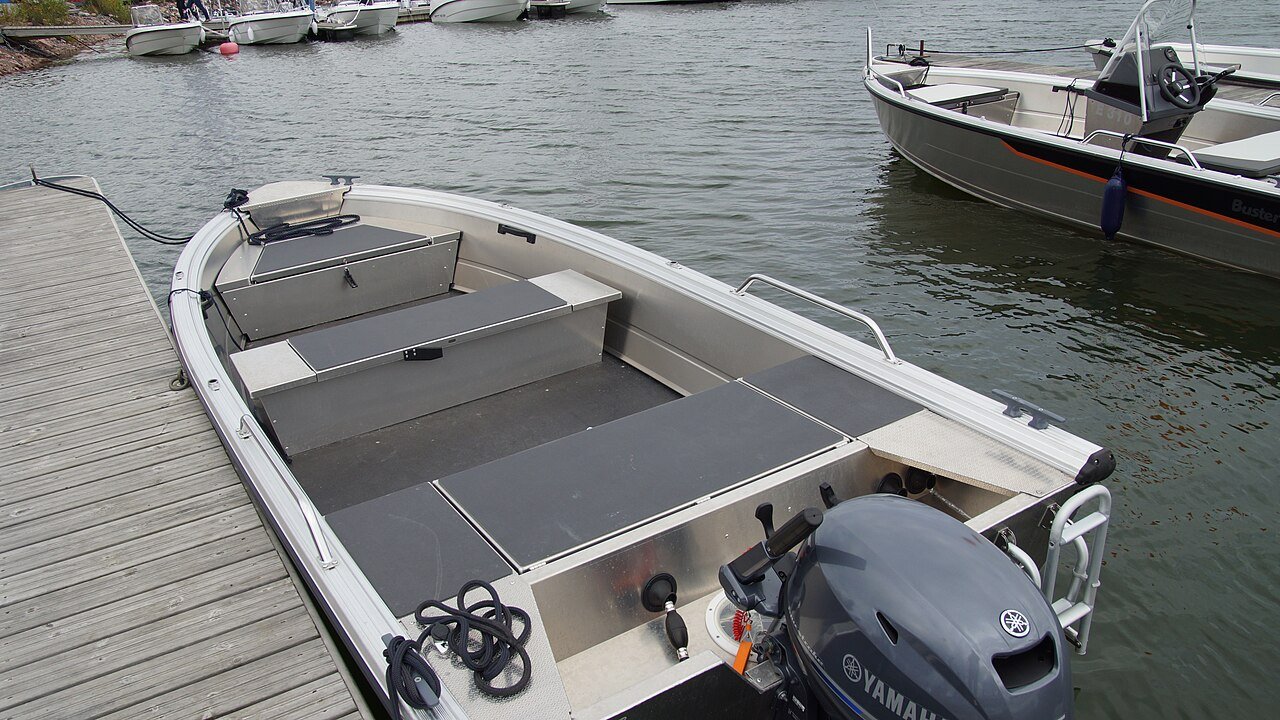
A Mercury 25 hp outboard is a three-cylinder, 500 cc EFI four-stroke that weighs from about 132 lb dry. That makes it one of the lightest engines you can get at this power. It suits aluminium boats, jon boats, inflatables, small skiffs and tenders. Manual-start models run without a battery thanks to Mercury’s battery-free fuel injection. Mercury also builds a 25 HP jet on a 526 cc block for shallow rivers and flats.
We stock 10 versions of the Mercury 25 hp outboard: five propeller models from $4,185 to $5,345, and five jets from $6,100 to $6,600. We ship worldwide. This guide covers the specs, the model codes, how the 25 compares with other brands, and which version fits your boat. To skip ahead, see the full price list or the Mercury 25 HP category.
Table of Contents
Table of Contents

Why Buy a Mercury 25 HP Outboard?
Twenty-five horsepower is where small boats start to feel properly quick. A 12 to 15-foot aluminium boat or a 4-metre RIB will plane easily with two people and gear, which a 9.9 or 15 often can’t manage. Yet a Mercury 25 hp outboard is still light enough to fit small transoms that couldn’t take a 40.
The weight is the main selling point. When Mercury launched its current 25 and 30 HP FourStrokes, it said the engines “start at just 132 pounds” and are “faster, lighter and quieter than previous generations” (Wired2Fish on the Mercury 25 and 30hp launch). Those are Mercury’s own claims. But the 132 lb figure matters in practice. It’s light enough for a small aluminium boat or an inflatable that would sit tail-heavy with a bigger engine.
The other big point is battery-free EFI. On manual-start models, Mercury says “battery-free EFI delivers efficient, reliable performance without a bulky cranking battery” (NauticExpo listing for the Mercury 25 EFI). You get fuel-injection starting with no battery to carry, charge or replace.
Mercury 25 HP Outboard Specifications
Here are the published figures for the propeller and jet versions of the Mercury 25 hp outboard, with the source for each column.
| Specification | 25 EFI (propeller) | Jet 25 |
|---|---|---|
| Engine | 500 cc inline 3, four-stroke, SOHC | 526 cc inline 3, four-stroke |
| Bore x stroke | 61 x 60 mm | Not listed |
| Fuel system | EFI (battery-free on manual start) | EFI |
| Dry weight | 132–163 lb | From 186 lb (84 kg) |
| Gear ratio | 2.17:1 | Jet pump |
| Full-throttle rpm | 5,400–5,800 | 5,000–5,500 |
| Alternator | 12 V, 17 A, 210 W | 15 A, 186 W |
| Shaft lengths | 15, 20 in | 20 in (our models) |
| Starting | Manual or electric | Manual or electric |
| Fuel tank supplied | 6.6 gal (25 L) remote tank | Not listed |
Sources: Defender: Mercury 25 HP tiller (2025) specifications, NauticExpo: Mercury 25 EFI and dealer listing for the Mercury Jet 25.
The jet uses a slightly bigger 526 cc engine. Jets lose some efficiency compared with a propeller, and a bigger powerhead helps make up for that. If the exact engine matters to you, ask us to confirm the model year and powerhead of a particular unit before you order.
The Versions of the Mercury 25 HP Outboard
Manual-start tiller: lightest and simplest
The manual-start Mercury 25 hp outboard is the one to buy if weight and simplicity come first. It has no electric starter, no battery and no power trim. That makes it the lightest version, at the bottom of the 132 to 163 lb range. Battery-free EFI means it still starts easily with a pull.
We stock the 15-inch 25MH at $4,185 and the 20-inch 25MLH at $4,210.
Electric-start tiller
Electric start costs about $550 more and adds weight, plus you need a battery. In return you get turn-key starting, and the 17-amp alternator can keep a fish finder and lights running. Pick the 15-inch 25EH at $4,740 or the 20-inch 25ELH at $4,755.
Electric start with power trim
The 25ELHPT ($5,345) is the top propeller model. Power trim and tilt lets you raise and lower the engine with a button, including while underway. That helps in shallow water, at the ramp and when trimming for a better ride. It’s also the heaviest Mercury 25 hp outboard in the propeller range.

Jet 25: for shallow water
The jet versions swap the propeller for a pump, so nothing hangs below the hull. That lets you run in water a propeller couldn’t. The trade-off is less speed and higher fuel use than a prop engine of the same rating. Jets also weigh more, from 186 lb.
Our jet range covers the manual-start tiller 25MLHGA Jet ($6,100) and the electric-start tiller 25ELHGA Jet ($6,340). There’s also the remote-control 25ELPT Jet with power trim ($6,600), the Jet 25 EFI 526 cc ($6,340) and the Mercury Marine Jet 25 ($6,215). For those last two, confirm the starting, steering and shaft set-up with us before ordering. Our jet drive vs propeller guide explains when a jet makes sense.

How to Read Mercury 25 HP Outboard Model Codes
Every letter in a Mercury 25 hp outboard model name tells you something:
- M = manual (pull-cord) start.
- E = electric start.
- No shaft letter = 15-inch short shaft.
- L = 20-inch long shaft.
- H = tiller handle. No H usually means remote control.
- PT = power trim and tilt.
- GA = gas-assist tilt.
- Jet = jet pump instead of a propeller.
So “25ELHPT” means electric start, 20-inch shaft, tiller, power trim and tilt. “25MH” means manual start, 15-inch shaft, tiller.
Every Mercury 25 HP Outboard We Sell
All engines below are new. Prices were correct when we wrote this guide; the product page always shows the current price.
Propeller models
| Model | Start | Shaft | Tilt | Price |
|---|---|---|---|---|
| 25MH EFI | Manual | 15 in | Manual | $4,185 |
| 25MLH EFI | Manual | 20 in | Manual | $4,210 |
| 25EH EFI | Electric | 15 in | Manual | $4,740 |
| 25ELH EFI | Electric | 20 in | Manual | $4,755 |
| 25ELHPT EFI | Electric | 20 in | Power trim | $5,345 |
Jet models
| Model | Set-up | Price |
|---|---|---|
| 25MLHGA Jet | Manual start, tiller, gas-assist tilt, 20 in | $6,100 |
| Mercury Marine Jet 25 | Confirm configuration with us | $6,215 |
| 25ELHGA Jet | Electric start, tiller, gas-assist tilt, 20 in | $6,340 |
| Jet 25 EFI 526 cc | Confirm configuration with us | $6,340 |
| 25ELPT Jet | Electric start, remote, power trim, 20 in | $6,600 |
The price steps are easy to follow. Electric start adds about $550 over manual. Power trim adds about $590 on top of that. A jet costs roughly $1,600 to $1,900 more than the equivalent propeller model. That’s a big premium, so only pay it if you really need to run in very shallow water.

Choosing Between the Mercury 25 Jets
Five of our ten 25 HP engines are jets, so it’s worth knowing how they differ.
- Tiller or remote. The 25MLHGA Jet and 25ELHGA Jet are tillers, which suit most river boats. The 25ELPT Jet is remote-controlled, for boats with a console.
- Manual or electric start. The 25MLHGA Jet is manual start and the cheapest jet at $6,100. The others are electric start.
- Gas-assist tilt or power trim. The tiller jets use gas-assist tilt (GA). The 25ELPT Jet has power trim and tilt, which helps when you need to lift the intake clear of rocks.
- Configuration to confirm. For the Jet 25 EFI 526 cc and Mercury Marine Jet 25 listings, ask us about starting, steering and shaft before you order.
Whatever jet you choose, check the intake grate and impeller often. Gravel and weed are what wear a jet out. The dealer spec listing for the Jet 25 lists low oil pressure, over-rev, overheat and sensor-failure warnings as part of its engine protection system, which helps when you’re working the engine hard in rivers.
Which Mercury 25 HP Outboard Fits Your Boat?
12 to 14-foot aluminium boats and jon boats
This is the bread-and-butter job for a Mercury 25 hp outboard. Most of these boats have a 20-inch transom. Pick the 25MLH if you want light and simple, or the 25ELH if you already carry a battery for a fish finder. Our outboard motors for jon boats guide covers sizing.
RIBs and inflatables
A 3.5 to 4.5-metre RIB rated for 25 HP or more is a great match, as long as the transom can take the weight. Most need the 15-inch 25MH or 25EH. Check both the horsepower rating and the maximum engine weight on the boat’s plate. See our inflatable boat motors guide.
Small skiffs and fishing boats
On a 14 to 16-foot skiff used for fishing, the power-trim 25ELHPT is worth the extra. You can raise the engine at the push of a button for shallow flats and beaching, and trim for a drier ride. Our outboard motors for fishing guide has more.
Yacht tenders
For a larger tender that needs to plane with several people aboard, a manual-start Mercury 25 hp outboard works well. No battery to keep charged, and the lightest weight in the range. Our outboard motors for dinghies guide covers tender set-ups.
Shallow rivers, marshes and flats
Here a jet earns its price. Mercury pitches its jets for “shallow flats, marshes and rivers” (Mercury Jet 25–40hp page). The tiller 25ELHGA Jet is the usual choice for a flat-bottom river boat. Read our guide to jet drive outboards before you decide.

How the Mercury 25 HP Outboard Compares in Independent Testing
German boating magazine BOOTE tested four 25 HP outboards from Mercury, Yamaha, Suzuki and Tohatsu on the same 4.5-metre aluminium inflatable (BOOTE 25 HP outboard comparison test). The test was published in 2017, so the Mercury was an earlier F25 model rather than today’s 500 cc EFI engine. Even so, a few results are useful:
- Top speeds were very close. All four engines finished within 1 km/h of each other. The Yamaha was fastest at 40.2 km/h.
- The Mercury was among the quieter engines. It measured 90 dB(A) at full load, the same as the Tohatsu and Suzuki, and quieter than the Yamaha at 95 dB(A).
- Handling. BOOTE noted that the Mercury’s twist-throttle and shift tiller made docking more comfortable. It called Mercury and Tohatsu the “rock-solid midfield.”
The takeaway is that 25 HP four-strokes from the big brands perform very similarly. That’s why price, weight, features and local service usually decide which one you buy.
Mercury 25 HP Outboard vs Yamaha, Suzuki, Tohatsu and Honda
Here’s how our prices compare for similar 25 HP models:
| Model | Our price | Notes |
|---|---|---|
| Mercury 25MLH EFI | $4,210 | 20 in, manual start, battery-free EFI |
| Mercury 25ELH EFI | $4,755 | 20 in, electric start |
| Yamaha F25LMHC | $3,350 | 20 in, manual start |
| Yamaha F25LWHC | $3,735 | 20 in |
| Yamaha T25 High Thrust | $4,465 | High-thrust version |
| Suzuki DF25AS5 | $3,840 | 15 in |
| Suzuki DF25ATHL5 | $4,480 | 20 in, tiller |
| Tohatsu MFS25DS | $3,280 | 15 in |
| Tohatsu MFS25DEFL | $4,550 | 20 in, EFI |
| Honda BF25D3SHG | $4,000 | 15 in, tiller |
| Honda BF25D3LRT | $4,500 | 20 in |
On our prices, a Mercury 25 hp outboard sits at the upper-middle of the 25 HP market. The cheapest manual-start 25s in this table are the Tohatsu and Yamaha. What you get with the Mercury is battery-free EFI on manual-start models, a light 132 lb starting weight and a range of jet versions. For jets, our Mercury 25ELHGA Jet ($6,340) costs less than the Tohatsu 25 Jet ($7,500).
Local service is the real tie-breaker. Buy the brand your nearest mechanic works on. For more, read our Yamaha 25HP guide and the brand comparisons Mercury vs Suzuki, Yamaha vs Mercury and Honda vs Mercury.

Should You Go Smaller or Bigger?
Before settling on a Mercury 25 hp outboard, check the sizes either side:
- Mercury 20 HP EFI if your boat is rated for 20 or you want to save a little. Options include the 20MH ($3,650), 20MLH ($3,680), 20ELH ($4,060) and 20ELHPT ($4,415). Browse the Mercury 20 HP range.
- Mercury 30 HP if your boat is rated for 30 and you carry heavier loads. Look at the 30MHGA ($5,300), 30ELHGA ($5,700) and 30ELPT ($6,100), or the Mercury 30 HP range.
- Mercury 40 HP for bigger aluminium boats and small pontoons. See our Mercury 40 hp outboard guide.
- Something lighter for a tender or canoe: our Mercury 9.9 hp outboard guide, lightweight outboard motors and portable outboard motors guides.
Always stay within your boat’s maximum horsepower. The capacity plate near the helm lists it, and Discover Boating notes that boaters are required by law to obey those posted limits (Discover Boating on capacity plates). Our guide on how to select the correct horsepower covers the details.
Mercury 20 vs 25 vs 30: Price Side by Side
Most people looking at a Mercury 25 hp outboard also look at the 20 and the 30. Here’s what each step up costs in our store for broadly similar tiller versions:
| Version | Mercury 20 EFI | Mercury 25 EFI | Mercury 30 |
|---|---|---|---|
| Manual start, 15 in | 20MH $3,650 | 25MH $4,185 | 30MHGA $5,300 |
| Manual start, 20 in | 20MLH $3,680 | 25MLH $4,210 | 30MLHGA $5,350 |
| Electric start, 20 in | 20ELH $4,060 | 25ELH $4,755 | 30ELHGA $5,700 |
| Electric start, power trim, 20 in | 20ELHPT $4,415 | 25ELHPT $5,345 | 30ELHPT $6,100 |
Stepping up from a 20 to a 25 costs roughly $530 to $930 depending on the version. Going from a 25 to a 30 adds roughly $750 to $1,140. If your boat is rated for 25 HP, the 25 is the most you can fit, so the choice is easy. If it’s rated for 30 and you often carry a full load, the extra cost of the 30 may be worth it. The Mercury 30 tillers we stock come with gas-assist tilt (GA) as standard on the non-power-trim models.
Manual or Electric Start?
On a Mercury 25 hp outboard, this choice comes down to weight, your battery and your budget.
Manual start is lighter and about $550 cheaper. With battery-free EFI there’s no battery needed at all. A three-cylinder 25 is a firm pull when cold, but most adults manage it fine. This is the right choice for tenders, inflatables and boats without electrics.
Electric start is easier, especially for older owners or anyone who stops and starts a lot while fishing. You need a marine battery, but the 17-amp alternator keeps it topped up and can run lights and a fish finder too. If your boat already has a battery, electric start is an easy choice. More in our electric start vs manual start guide.
Is Power Trim Worth It on a 25?
On most 25s you tilt the engine by hand. That’s fine for a light boat. Power trim on the 25ELHPT adds about $590 and some weight, but you get three things:
- Trim while underway. Bow up for speed in calm water, bow down for a softer ride in a chop.
- Easy shallow-water running. Raise the engine a little to cross a sandbar without stopping.
- Easier launching and beaching. No reaching over the transom to tilt the engine by hand.
If you fish shallow water or launch from beaches, it’s worth it. On a tender or a lake boat that stays in deep water, save the money. Our power trim and tilt guide explains more.
Choosing the Right Shaft Length
Measure from the top of the transom straight down to the bottom of the hull. About 15 inches means a short shaft, with no letter in the code. About 20 inches means L. Most inflatables and small RIBs need 15 inches. Most aluminium boats and jon boats need 20 inches.
Too short and the prop sucks air in turns and chop. Too long and you add drag and hit the bottom in shallow water. Our guides to long shaft vs short shaft outboard motors and cavitation plate height show you how to measure.

Three Real Set-Ups for a Mercury 25 HP Outboard
Here’s how we’d match a Mercury 25 hp outboard to three common boats. Use these as starting points and measure your own boat.
A 4-metre RIB tender on a cruising yacht
The tender needs to plane with three or four people aboard, lift easily onto davits and start every time after weeks of sitting. The 15-inch manual-start 25MH is the natural pick. It has the lightest weight in the range and no battery to look after. Check the RIB’s maximum engine weight before ordering.
A 14-foot aluminium boat for lake fishing
Two anglers, gear and a small battery for a fish finder. The 20-inch electric-start 25ELH keeps things simple. If you fish shallow bays or launch from gravel beaches, step up to the power-trim 25ELHPT.
A flat-bottom river boat
A boat that spends its life in shallow, rocky rivers where a propeller would hit bottom. The 25ELHGA Jet is built for this. Expect less top speed than a prop 25, but you’ll reach water you couldn’t otherwise run.
Repowering an Older Boat With a Mercury 25 HP Outboard
Plenty of 25s go onto older aluminium boats and inflatables that once ran a two-stroke. A modern Mercury 25 hp outboard is a big step up in starting, smoothness and fuel use, but check a few things first:
- Weight. Older two-stroke 25s were often lighter than modern four-strokes. Make sure the transom and the boat’s balance can handle the change.
- Fuel system. A four-stroke runs on straight petrol, so an old tank that once held pre-mixed fuel should be cleaned or replaced.
- Transom height. Re-measure. Don’t assume the old engine was the right shaft length.
- Steering and controls. On a tiller boat there’s nothing to change. On a remote boat, you’ll need compatible controls for a remote engine.
Our 2-stroke vs 4-stroke guide explains what changes when you switch.
Fitting a Mercury 25 HP Outboard
At 132 lb and up, a Mercury 25 hp outboard is a two-person lift. Most are clamped or bolted to the transom. Follow the owner’s manual, but the basic steps are:
- Check the transom. No soft spots, cracks or rot.
- Centre the engine and set the mounting height so the anti-ventilation plate sits roughly level with the bottom of the hull.
- Secure it with the clamp screws and, where recommended, through-bolts. Fit a safety cable.
- Check engine and gearcase oil before the first start.
- Connect the fuel line, and the battery on electric-start models.
- Clip on the kill-switch lanyard, start in neutral and check for a steady cooling water stream.
- Water-test and make sure the engine reaches its rated rpm at full throttle.
Our how to install an outboard motor guide has more detail.
Propping a Mercury 25 HP Outboard
With the boat at a normal load, the propeller engine should reach its rated full-throttle range of 5,400 to 5,800 rpm. If it won’t get there, the prop has too much pitch, so drop down a size. If it revs past the top, go up a size. A boat that’s usually heavily loaded may need a lower-pitch prop than one that runs light. Our propeller guide and gear ratio guide explain the details.
Running Costs and Maintenance
A Mercury 25 hp outboard is cheap to run if you keep up with the basics. Follow the maintenance schedule in your owner’s manual. The jobs that matter most:
- Break-in: vary the throttle and avoid long full-throttle runs early on. See our break-in guide.
- Engine oil at the intervals Mercury sets.
- Gearcase oil, checked for water or metal. See our lower unit oil guide.
- Water pump impeller checks, more often in sandy water.
- Fuel: keep it fresh and clean, and use a stabiliser if the engine will sit.
- Freshwater flush after salt use, and check the anodes.
- Jet models: check the impeller and intake grate for wear and debris.
Our maintenance checklist, winterizing guide and troubleshooting guide have the full routine. For fuel-saving habits, see our fuel-efficient outboard motors guide.
Saltwater or Freshwater Use
A Mercury 25 hp outboard works in both, but salt needs more care. Flush with fresh water after every saltwater trip, rinse the outside and check the anodes often. Tilt the engine up when moored so the gearcase isn’t sitting in salt water. In fresh water, sand and silt wear impellers faster, so check them more often if you beach the boat. See our saltwater outboard guide for more.
New or Used Mercury 25?
Used Mercury 25s are everywhere, and many are older two-strokes or carburetted four-strokes. A good one can be a bargain, but check carefully:
- Know the engine type. Two-strokes need oil mixed with fuel. Our 2-stroke vs 4-stroke guide explains the differences.
- Ask for service records and check the gearcase oil.
- Run a compression test. See our compression test guide.
- Look for corrosion, especially on saltwater engines.
Our used Mercury buyer’s guide covers more, and we list some used outboard engines too. A new Mercury 25 hp outboard gives you battery-free EFI and no unknown history.
What to Expect From a Mercury 25 HP Outboard on the Water
It helps to be realistic about what 25 horsepower will do. The numbers below aren’t test results. They’re general expectations, and your boat, load and prop will change them.
- On a light aluminium boat or RIB with one or two people, a Mercury 25 hp outboard should plane quickly and cruise comfortably in the mid-range. This is where the engine feels lively.
- With three or four adults and gear, it will still plane on most suitable hulls, but it takes longer and the top end drops. If you often run fully loaded, a 30 may suit you better.
- On a heavy or wide boat, such as a small pontoon, a 25 may only just plane, or not at all. Look at a bigger engine for those boats.
- At trolling speed, a three-cylinder four-stroke idles smoothly, which is handy for slow fishing.
For a sense of real-world speeds, BOOTE’s 2017 comparison saw four 25 HP engines on a 4.5-metre aluminium inflatable top out within 1 km/h of each other, with the fastest at 40.2 km/h. That’s one boat in one test, but it shows the kind of performance this power class gives on a light hull.
Getting Comfortable With a Tiller
Every propeller Mercury 25 hp outboard we stock is a tiller model. If you’ve never run a tiller before, a few tips help:
- Set the steering friction so the engine holds its course when you let go, but still turns easily.
- Sit facing forward with the tiller under your arm, not behind you.
- Use the twist-grip throttle gently. BOOTE singled out Mercury’s twist-throttle and shift tiller as making docking more comfortable.
- Always wear the kill-switch lanyard. If you fall overboard or are thrown off balance, the engine stops.
- Keep the load forward so the bow doesn’t ride too high with you sitting at the stern.
If you’d rather drive from a console, the remote 25ELPT Jet is the remote option in our 25 HP range, or look at our remote Mercury 30 HP models.
What Else to Budget For
The engine price is the main cost, but plan for these too:
- Battery for electric-start models, with a battery box and cables.
- A spare propeller and the tools to change it on the water.
- Fuel tank and line. Check what’s included with your model, and whether your old tank is in good shape.
- Safety gear such as a spare kill-switch lanyard, paddles and a bailer.
- Fitting and a water test if you’re not installing it yourself.
A manual-start Mercury 25 hp outboard keeps extra costs to a minimum, because there’s no battery or wiring to buy.
Getting the Best Fuel Economy
- Cruise in the mid-range. Fuel use climbs steeply near full throttle on any outboard.
- Get the prop right so the engine reaches its rated rpm without straining.
- Trim properly. Too much bow-up or bow-down wastes fuel.
- Keep the hull clean and the load balanced.
- Service on time. Old plugs and dirty filters cost fuel.
When a Mercury 25 HP Outboard Isn’t the Right Choice
- Your boat is rated under 25 HP. Stay within the plate and look at the Mercury 20 or 15.
- You need to carry the engine by hand. At 132 lb and up, it’s a two-person lift. A 2.5 to 9.9 HP portable is far easier.
- You run a heavy boat or pontoon. A 40 or 50 HP will work less hard.
- You want silent running. Look at our electric outboard motors guide.
Common Mistakes When Buying a Mercury 25 HP Outboard
- Wrong shaft length. Measure first.
- Ignoring engine weight. Small inflatables have a maximum engine weight as well as a horsepower limit.
- Paying for a jet you don’t need. Jets cost well over $1,500 more and give up speed in deep water.
- Electric start with no battery plan. You’ll need a marine battery and somewhere to mount it.
- Going over the horsepower rating. It’s unsafe, and it can affect insurance and resale.
- Budgeting only for the engine. A spare prop, fuel tank, safety gear and fitting add up. See our hidden costs guide.
Before You Order: Quick Checklist
- Maximum horsepower and engine weight on your capacity plate?
- Transom height: about 15 or about 20 inches?
- Manual or electric start?
- Manual tilt or power trim?
- Propeller or jet?
- Who services Mercury engines near you?
Send us your answers and we’ll confirm the right Mercury 25 hp outboard before you buy.
Buying a Mercury 25 HP Outboard From Us
Every Mercury 25 hp outboard listed here is new. Our shipping policy says orders normally ship within 1 to 6 business days with free delivery, and you’ll get a tracking email once your engine is on its way. Follow it on our order tracking page. Import duties and taxes depend on your country, so check with your local customs office first.
Useful reading before you buy:
- Outboard motors worldwide shipping, step by step
- Cost of shipping an outboard motor internationally
- Outboard motors with warranty: what’s covered
- Can you finance an outboard motor?
- How to make sure you’re buying genuine Mercury engines
- Our general guide to buying Mercury outboards
Not sure which model to pick? Contact us with your boat’s make, length, transom height and horsepower rating, and we’ll recommend one. You can also browse all Mercury outboard motors or the full shop. Our returns and refund policy covers returns.
Mercury 25 HP Outboard FAQ
How much does a Mercury 25 hp outboard cost?
In our store, propeller models run from $4,185 (25MH) to $5,345 (25ELHPT). Jet models run from $6,100 to $6,600.
How much does a Mercury 25 hp outboard weigh?
Dealer specs list the 500 cc EFI models at 132 to 163 lb dry, depending on starting, shaft and trim. The Jet 25 starts at 186 lb.
Does the manual-start Mercury 25 need a battery?
No. Mercury says the battery-free EFI on manual-start models works without a cranking battery.
How many cylinders does the Mercury 25 have?
Three. The propeller models use a 500 cc single-overhead-cam engine, and the Jet 25 uses a 526 cc engine.
What size boat suits a Mercury 25 hp outboard?
Typically 12 to 16-foot aluminium boats, jon boats, 3.5 to 4.5-metre RIBs, skiffs and larger tenders rated for 25 HP or more.
Is the Mercury 25 the same as the Mercury 30?
They share the same 500 cc three-cylinder EFI engine family, and NauticExpo lists both on one page. The 30 makes more power and weighs a little more. Choose by your boat’s horsepower rating.
Should I buy the jet version?
Only if you regularly run in water too shallow for a propeller. Jets cost much more, weigh more and are slower in deep water.
Which shaft length do I need?
Measure from the top of the transom to the bottom of the hull. About 15 inches means short shaft. About 20 inches means L.
Can I fit a Mercury 25 hp outboard to an inflatable?
Yes, if the inflatable is rated for 25 HP and its maximum engine weight allows it. Most inflatables need the 15-inch short-shaft version.
Is a Mercury 25 hp outboard good for fishing?
Yes. It’s a popular choice for small aluminium fishing boats. The electric-start 25ELH or power-trim 25ELHPT suit boats with a fish finder and battery.
What fuel does a Mercury 25 hp outboard use?
Regular unleaded petrol. Check your owner’s manual for the minimum octane and ethanol limit for your model.
Do you ship a Mercury 25 hp outboard worldwide?
Yes. We ship worldwide with free delivery, and orders normally ship within 1 to 6 business days.
Sources and References
- Defender: Mercury 25 HP tiller outboard (2025) specifications
- NauticExpo: Mercury 25 EFI outboard
- Dealer listing: Mercury Jet 25 specifications
- Wired2Fish: Mercury introduces 25 and 30hp four-stroke outboards
- Mercury Marine: Jet 25–40hp
- BOOTE: 25 hp outboard engine comparison test
- Discover Boating: all about capacity plates
Posts Widget
- 1

- 2

- 3

- 4


S.H Continental Marine
USA HERALD MAGAZINE INC
Our team is dedicated to providing exceptional customer service.
Email: info@shcontinentalmarine.com
Choose S.H Continental Marine
for your outboard engine needs and enjoy superior quality, exceptional customer service, and unbeatable prices.
