
Mercury 40 HP Outboard: 12 Best Tiller, Remote & Jet Models (2026)
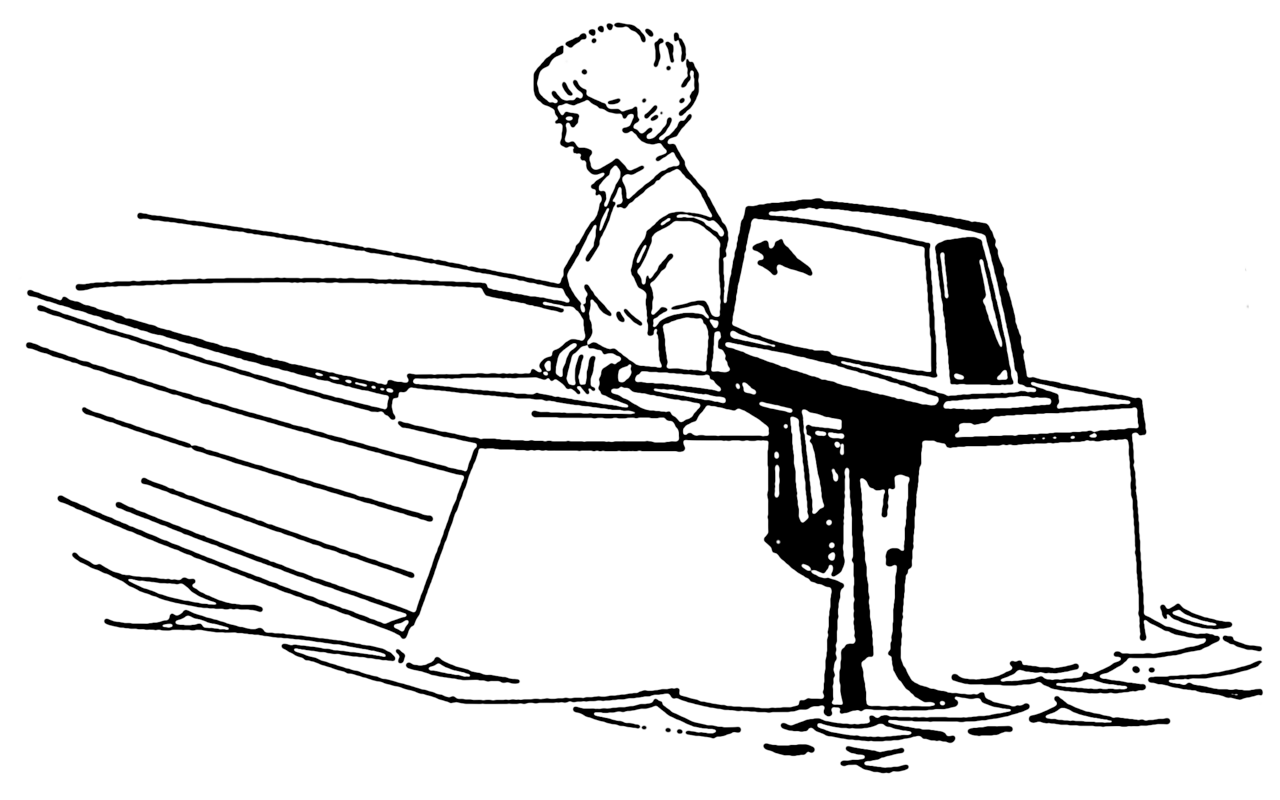
A Mercury 40 hp outboard is a mid-size EFI four-stroke built for aluminium fishing boats, small pontoons, RIBs and runabouts. Most versions use a 747 cc three-cylinder engine that weighs about 224 to 242 lb dry, depending on tilt and steering. Mercury also builds 40 HP models on a larger 995 cc four-cylinder block, and that block powers the 40 Jet. You can get it with tiller or remote steering, manual or electric start, gas-assist tilt or power trim, and a Command Thrust or jet lower unit.
We stock 12 versions of the Mercury 40 hp outboard, from $6,510 to $7,265, and ship them worldwide. This guide explains the specs, the model codes and which version suits which boat. To jump ahead, see the full price list or the Mercury 40 HP category.
Table of Contents
Table of Contents

Why a Mercury 40 HP Outboard Is Such a Popular Size
Forty horsepower sits in a sweet spot. It’s enough to plane a 14 to 18-foot aluminium boat with two or three people and gear, or push a small pontoon at a sensible speed. Yet the engine is still light enough for most small transoms and cheap enough to run every weekend.
For a lot of owners, a Mercury 40 hp outboard is the step up from a 25 or 30 that felt sluggish with a full load. For others, it’s the sensible choice on a boat rated for 40 to 50 HP, where a 60 would be over the limit or simply too heavy.
A real-world example helps. Trade-a-Boat tested Mercury’s 747 cc EFI 40 on a 4.35-metre aluminium boat loaded to about 570 kg with two adults on board. It reached 30.4 knots at full throttle and trolled at 2.8 knots, burning just 0.6 litres an hour (Trade-a-Boat review of the Mercury EFI 40ELPT). That’s the kind of range that makes a 40 such a good all-rounder.
Mercury 40 HP Outboard Specifications
Mercury has built the 40 on two powerheads. Here are the published figures for each Mercury 40 hp outboard type, with the source for each column.
| Specification | 40 EFI, 3-cylinder (tiller) | 40 EFI, 4-cylinder | 40 Jet |
|---|---|---|---|
| Engine | 747 cc inline 3, four-stroke | 995 cc inline 4, four-stroke | 995 cc four-stroke |
| Fuel system | EFI | EFI | EFI |
| Dry weight | 242 lb (power trim tiller); 224 lb listed for gas-assist tiller | From 260 lb (118 kg) | 267 lb (121 kg) |
| Gear ratio | 2.00:1 | 2.33:1 | Jet pump |
| Full-throttle rpm | 5,500–6,000 | 5,500–6,000 | Not listed |
| Alternator | 12 V, 18 A, 226 W | 18 A, 226 W | 18 A |
| Source | Defender spec listings | Dealer spec listing | NauticExpo / Mercury jet page |
Sources: Defender: Mercury 40 HP tiller (2026), Defender: Mercury 40ELHGA EFI, dealer listing for the FourStroke 40 4-Cylinder, NauticExpo listing for the Mercury 40 jet and Mercury’s Jet 25–40hp page.
Why does the engine matter? The three-cylinder Mercury 40 hp outboard is lighter. The four-cylinder has more displacement and a deeper 2.33:1 gear ratio, which helps turn a bigger prop on a heavy boat. If one or the other matters for your boat, ask us to confirm which powerhead a particular model uses before you order.
The Versions of the Mercury 40 HP Outboard
Tiller models
A tiller Mercury 40 hp outboard is steered with a handle at the stern. It’s the choice for open aluminium boats and jon boats without a console. You’ll find tillers with gas-assist tilt (GA), where a gas strut helps you lift the engine by hand, and with power trim and tilt (PT), where a button does the work.
The cheapest way in is the manual-start 40MHGA (15-inch shaft, $6,510) or 40MLHGA (20-inch shaft, $6,550). For electric start, look at the 40ELHGA at $6,815, or the 40ELHPT with power trim at $7,265.
Big Tiller models
BT in the model code means Big Tiller, Mercury’s larger tiller handle. It’s made for standing operation on bigger tiller boats, where you want the controls at a comfortable height. We stock the 40ELPTBT with power trim and the 40ELGABT with gas-assist tilt, both at $7,265.

Remote-control models
A remote Mercury 40 hp outboard is controlled from a console with a throttle and shift lever, steering wheel and gauges. This suits side-console and centre-console boats, small runabouts and pontoons. Remote models are electric start. Pick from the 40EGA (15-inch, gas-assist, $6,795), 40ELGA (20-inch, gas-assist, $6,855), 40ELPT (20-inch, power trim, $6,853) and 40EPT (15-inch, power trim, $7,265).
Remote rigging adds controls, cables, gauges and steering to the cost, so budget for those too. Our steering guide covers the options.
Command Thrust Sea Pro
Command Thrust is Mercury’s larger gearcase that swings a bigger propeller. Mercury says the Command Thrust gearcase “lifts heavy boats on plane more easily,” and its SeaPro models are aimed at commercial and hard-working use (Mercury SeaPro 40–60hp page). The 40ELHPT Command Thrust Sea Pro ($7,265) is the Mercury 40 hp outboard for heavy workboats, loaded pontoons and boats that struggle to get on the plane.
40 Jet
The 40ELPT Jet ($6,510) replaces the propeller with a jet pump. Mercury pitches its jets for “shallow flats, marshes and rivers,” with a stainless impeller that “withstands harsh, abrasive debris.” Jets run in water too shallow for a prop, but they’re less efficient than a propeller. Our jet drive vs propeller guide explains the trade-offs.

How to Read Mercury 40 HP Outboard Model Codes
The letters in a Mercury 40 hp outboard model name tell you exactly what you’re getting:
- M = manual (pull-cord) start.
- E = electric start.
- No shaft letter = 15-inch short shaft.
- L = 20-inch long shaft.
- H = tiller handle. No H usually means remote control.
- GA = gas-assist tilt.
- PT = power trim and tilt.
- BT = Big Tiller.
- CT = Command Thrust gearcase.
- Jet = jet pump lower unit.
So “40ELHPT” means electric start, 20-inch shaft, tiller, power trim and tilt. “40MHGA” means manual start, 15-inch shaft, tiller, gas-assist tilt.
Every Mercury 40 HP Outboard We Sell
All engines below are new. Prices were correct when we wrote this guide; the product page always shows the current price.
Tiller and Big Tiller
| Model | Start | Shaft | Tilt | Price |
|---|---|---|---|---|
| 40MHGA | Manual | 15 in | Gas assist | $6,510 |
| 40MLHGA | Manual | 20 in | Gas assist | $6,550 |
| 40ELHGA | Electric | 20 in | Gas assist | $6,815 |
| 40ELHPT | Electric | 20 in | Power trim | $7,265 |
| 40ELGABT (Big Tiller) | Electric | 20 in | Gas assist | $7,265 |
| 40ELPTBT (Big Tiller) | Electric | 20 in | Power trim | $7,265 |
Remote control
| Model | Shaft | Tilt | Price |
|---|---|---|---|
| 40EGA | 15 in | Gas assist | $6,795 |
| 40ELPT | 20 in | Power trim | $6,853 |
| 40ELGA | 20 in | Gas assist | $6,855 |
| 40EPT | 15 in | Power trim | $7,265 |
Command Thrust and Jet
| Model | Type | Shaft | Price |
|---|---|---|---|
| 40ELHPT Command Thrust Sea Pro | Tiller, power trim, Command Thrust | 20 in | $7,265 |
| 40ELPT Jet | Remote, power trim, jet pump | 20 in | $6,510 |
So the cheapest Mercury 40 hp outboard we sell is the 40MHGA or the 40ELPT Jet at $6,510, and the top of the range sits at $7,265. Going from gas-assist tilt to power trim adds roughly $450 on the 20-inch electric tiller.

Which Mercury 40 HP Outboard Fits Your Boat?
14 to 16-foot aluminium tiller boats
This is the classic home for a tiller Mercury 40 hp outboard. Most of these boats have a 20-inch transom, so the 40ELHGA or the power-trim 40ELHPT are the usual picks. Power trim makes a real difference to how the boat rides in a chop. See our power trim and tilt guide.
Side-console and small centre-console boats
Go remote. The 40ELPT is the most common choice for a 16 to 18-foot console boat. Check your transom height, because some smaller boats need the 15-inch 40EPT.
Small pontoons
Pontoons are heavy and push a lot of water. A Command Thrust Mercury 40 hp outboard, such as the 40ELHPT Command Thrust Sea Pro, will handle the load better than a standard gearcase. On a bigger or heavily loaded pontoon, a 50 or 60 HP is usually the better choice. Our outboard motors for pontoons guide helps you decide.
RIBs and inflatables
A 4 to 5-metre RIB rated for 40 HP or more is a great match for a remote 40. Watch the weight, though: at 220 lb and up, a Mercury 40 hp outboard is heavy for a small inflatable transom. Check the boat’s maximum engine weight as well as its horsepower rating. See our inflatable boat motors guide.
Shallow rivers and flats
If you regularly run in water too shallow for a propeller, the 40ELPT Jet is the answer. Expect less top speed and higher fuel use than a prop engine of the same rating. Our guide to jet drive outboards explains how they work.
What a Mercury 40 HP Outboard Can Do on the Water
Here are Trade-a-Boat’s test figures for the 747 cc EFI 40ELPT on a 4.35-metre aluminium boat loaded to around 570 kg with two adults. The boat used a 13-inch alloy prop.
| RPM | Speed | Fuel use |
|---|---|---|
| 750 (troll) | 2.8 knots (5.2 km/h) | 0.6 L/h |
| 3,500 | 13 knots (24.2 km/h), clean plane | Not reported |
| 4,000 | 18.2 knots (33.8 km/h) | 5.5 L/h |
| 6,000 (full throttle) | 30.4 knots (56.4 km/h) | 12.5 L/h |
A few things stand out. The engine planes the boat by 3,500 rpm. Cruising at 4,000 rpm uses less than half the fuel of full throttle while still covering 18 knots. And it trolls happily at walking pace on very little fuel. Your numbers will differ with boat, load and prop, and this is an older test, but it gives a fair picture of what a Mercury 40 hp outboard does on a light aluminium boat. Our fuel-efficient outboard motors guide has more on cutting fuel use.
Tiller or Remote?
This is the first decision for most buyers.
Tiller is simpler and cheaper. There’s no console, wheel, cables or gauges to buy, and you have the whole boat free for fishing. Tillers suit open aluminium boats and anyone who mostly fishes. The downside is you sit at the stern, which can be wet and tiring on long runs.
Remote puts you at a console, often behind a windscreen. It’s more comfortable for long runs and family boating, and it’s the only option on many runabouts and pontoons. The engine is often priced similarly, but rigging adds cost.
If you’re replacing an old engine, match what the boat already has unless you’re changing how you use it. Our how to choose the right outboard motor guide walks through the decision.
Gas-Assist Tilt or Power Trim?
On a Mercury 40 hp outboard, this is the second big choice.
Gas-assist tilt (GA) uses a gas strut to help you lift the engine by hand. It’s lighter and cheaper. But you can’t trim the engine while running, so you set one angle and live with it.
Power trim and tilt (PT) raises and lowers the engine at the push of a button, including while underway. You can trim the bow up for speed and economy in calm water, or down for a softer ride in a chop. It also makes launching, beaching and trailering much easier. On a 40, power trim is worth having for most people. Our guide to outboard motor trim and tilt explains how to use it.
Manual or Electric Start?
Manual start is offered on the tiller 40MHGA and 40MLHGA. It saves money and needs no battery, but a 40 is a big engine to pull-start, especially cold. Most buyers choose electric start, and every remote and power-trim model has it. If you do pick electric start, you’ll need a marine battery. The 18-amp alternator keeps it charged while you run. More in our electric start vs manual start guide.
Choosing the Right Shaft Length
Measure from the top of the transom straight down to the bottom of the hull. About 15 inches means a short shaft (no letter). About 20 inches means L. Most 14 to 18-foot aluminium boats need the 20-inch shaft, but some smaller boats and RIBs use 15 inches.
Get it wrong and you’ll fight ventilation or extra drag for the life of the engine. Our guides to long shaft vs short shaft outboard motors and cavitation plate height explain how to measure.

Mercury 40 HP Outboard vs Yamaha, Suzuki and Honda 40s
All four brands make good 40s. Here’s how our prices compare:
| Model | Our price | Notes |
|---|---|---|
| Mercury 40ELHGA | $6,815 | Tiller, electric start, gas assist |
| Mercury 40ELPT | $6,853 | Remote, power trim |
| Yamaha F40LEHA | $6,000 | Tiller, electric start |
| Yamaha F40LA | $6,300 | 20 in |
| Suzuki DF40ATL5 | $5,424 | 20 in, power trim |
| Suzuki DF40ATLW5 | $5,676 | 20 in |
| Honda BF40D4LHA | $5,225 | Tiller, 20 in |
| Honda BF40D4LRTA | $5,500 | Remote, power trim |
On our prices, a Mercury 40 hp outboard costs more than the Suzuki and Honda 40s and a little more than the Yamaha. What you get is a wide range of versions: Big Tiller, Command Thrust, a jet and both gas-assist and power-trim models. If price is all that matters, the Honda and Suzuki are hard to beat.
For jets specifically, our Mercury 40ELPT Jet ($6,510) is cheaper than the Yamaha F40JEHA ($6,800) or F40JEA ($6,995).
As always, local service matters more than brand. Buy the engine your nearest mechanic knows. For deeper comparisons read our Yamaha 40hp guide, Suzuki 40hp guide, Honda 40 HP guide, and the brand comparisons Mercury vs Suzuki, Yamaha vs Mercury and Honda vs Mercury.
Should You Go Smaller or Bigger?
Before you settle on a Mercury 40 hp outboard, look at the sizes either side:
- Mercury 30 HP if your boat is rated lower or you want to save weight and money. Options include the 30MHGA ($5,300), 30ELHGA ($5,700) and 30ELPT ($6,100). Browse the Mercury 30 HP range.
- Mercury 50 HP if you carry heavy loads or run a bigger pontoon. Try the 50ELPT ($7,405), 50ELPT Command Thrust ($7,220) or 50ELHPT ($7,600). See the Mercury 50 HP range and our Mercury 60hp guide.
- A smaller jet for light river boats: the 25ELHGA Jet ($6,340) or 35ELPT Jet ($7,500).
- A kicker to go with a bigger main engine: see our Mercury 9.9 hp outboard guide.
Never go above your boat’s maximum horsepower rating. The capacity plate near the helm lists it, and Discover Boating notes that boaters are required by law to obey the posted limits (Discover Boating on capacity plates). Our guide on how to select the correct horsepower covers the rest.

Mercury 30 vs 40 vs 50: Price and Power Side by Side
Most people shopping for a Mercury 40 hp outboard are also looking at the 30 and the 50. Here is how our prices line up for broadly similar versions, so you can see what each step in power costs.
| Version | Mercury 30 | Mercury 40 | Mercury 50 |
|---|---|---|---|
| Manual-start tiller | 30MHGA $5,300 | 40MHGA $6,510 | Not stocked |
| Electric tiller, gas assist | 30ELHGA $5,700 | 40ELHGA $6,815 | Not stocked |
| Electric tiller, power trim | 30ELHPT $6,100 | 40ELHPT $7,265 | 50ELHPT $7,600 |
| Remote, power trim | 30ELPT $6,100 | 40ELPT $6,853 | 50ELPT $7,405 |
A few things jump out. Going from a 30 to a 40 adds roughly $750 to $1,200, depending on the version. Going from a 40 to a 50 adds only a few hundred dollars on the power-trim models. So if your boat is rated for 50 HP and you often run loaded, the 50 can be good value. If your boat is rated for 40, the 40 is the most power you can legally fit, and it’s the size to buy.
Weight matters too. The 30 is the lightest of the three, which helps on small boats and inflatables. The 40 and 50 are both bolt-on engines that need a solid transom. Always go by your boat’s capacity plate first, then your budget.
How much faster is a 40 than a 30?
It depends on the hull and load, so there is no single answer. On a light aluminium boat, the extra 10 HP usually means getting on the plane sooner with a full load, holding the plane at lower rpm and a few more knots at the top end. The biggest difference most owners notice is with three or four people on board, where a 30 can struggle and a Mercury 40 hp outboard still feels comfortable. If you mostly run alone or with one passenger, a 30 may be all you need.
Three Real Set-Ups for a Mercury 40 HP Outboard
These examples show how we’d match a Mercury 40 hp outboard to common boats. Measure your own boat before ordering.
A 15-foot open aluminium boat for two anglers
No console, a 20-inch transom, two people, rods, a cooler and a small battery for a fish finder. The tiller 40ELHPT gives electric start and power trim, which lets you raise the engine in shallow water and trim for a drier ride. If the budget is tight, the gas-assist 40ELHGA saves about $450.
A 17-foot side-console family boat
A small console with a wheel, a windscreen and room for four. The remote 40ELPT is the natural fit. Budget for controls, a steering system and gauges if the boat doesn’t already have them. Our installation guide covers rigging.
A river boat working shallow channels
A flat-bottomed aluminium boat that often runs in less than a foot of water. A propeller would hit bottom constantly. The 40ELPT Jet keeps the intake up near the hull, so you can run where a prop can’t. Expect lower top speed than a prop 40.
Fitting a Mercury 40 HP Outboard
At over 220 lb, a Mercury 40 hp outboard is a bolt-on engine, not a clamp-on one. Most owners have a marine technician fit it, and that’s the sensible route, especially for remote models. If you’re doing it yourself, these are the key steps:
- Check the transom. Look for soft spots, cracks or rot around the old bolt holes. A weak transom is dangerous with an engine this heavy.
- Set the mounting height. The anti-ventilation plate should sit roughly level with the bottom of the hull. Start there and adjust after a water test.
- Bolt it through the transom with the correct marine hardware and sealant. Use a hoist or engine stand to lift it into place.
- Rig controls and steering for remote models, or fit the tiller and check the steering friction for tiller models.
- Connect the battery and fuel line, and check the oil levels.
- Start it in neutral with the kill-switch lanyard on, and check for a steady stream of cooling water.
- Water-test and prop it so it reaches 5,500 to 6,000 rpm at full throttle with a normal load.
Our how to install an outboard motor guide has more detail.
Getting the Best Fuel Economy From a Mercury 40 HP Outboard
A few habits make a real difference to how far a tank goes:
- Cruise in the mid-range. In the Trade-a-Boat test, 4,000 rpm used less than half the fuel of full throttle.
- Use power trim. Trim the bow up a little once on the plane in calm water, so less of the hull drags.
- Get the prop right. An engine that can’t reach its rated rpm wastes fuel and works harder.
- Keep the hull clean. Weed and barnacles add drag fast.
- Spread the load. Too much weight at the stern makes the boat ride bow-high and slow to plane.
- Service on time. Old plugs and dirty filters cost fuel.
For more ideas, see our fuel-efficient outboard motors guide.
Owning a Mercury 40 HP Outboard: Break-In and Maintenance
A Mercury 40 hp outboard is easy to look after if you keep to the schedule in the owner’s manual. The jobs that matter:
- Break-in: vary the throttle and avoid long full-throttle runs for the first hours. See our break-in guide.
- Engine oil and filter at the intervals Mercury sets.
- Gearcase oil, checked for water or metal. See our lower unit oil guide.
- Water pump impeller inspection, especially in sandy water.
- Fuel filter checks. Keep fuel clean and fresh.
- Freshwater flush after salt use, and check the anodes.
- Jet models: check the impeller and intake grate for wear and debris more often.
Our maintenance checklist, winterizing guide and troubleshooting guide have the full details. For saltwater boats, see our saltwater outboard guide.
Propping a Mercury 40 HP Outboard
The right prop makes a big difference. With the boat at a normal load, the engine should reach its rated full-throttle range of 5,500 to 6,000 rpm.
- Won’t reach 5,500 rpm? The prop has too much pitch. Drop down a size.
- Revs past 6,000? Too little pitch. Go up a size.
- Heavy boat that struggles to plane? A Command Thrust model with a larger prop may be the answer.
Our propeller guide and gear ratio guide explain the theory.
What Else to Budget For
The engine price is only part of the cost. Here’s what else usually goes into fitting a Mercury 40 hp outboard:
- Remote rigging (remote models only): a control box, throttle and shift cables, a key switch and wiring harness, and gauges. If your boat already has compatible Mercury controls, you may be able to reuse them.
- Steering (remote models): mechanical cable steering works on smaller boats, but many owners fit hydraulic steering for a lighter feel. See our hydraulic steering guide.
- Battery for electric-start models, plus a battery box and cables.
- Propeller. Check what comes with the engine. A spare prop is worth carrying.
- Fuel tank and line if your old ones are tired or don’t fit.
- Installation and a water test by a marine technician.
A tiller Mercury 40 hp outboard avoids most of the rigging costs, which is one reason tillers stay popular on fishing boats.
Running Costs of a Mercury 40 HP Outboard
Fuel. In Trade-a-Boat’s test, the 747 cc EFI 40 used 5.5 litres an hour at 4,000 rpm and 12.5 litres an hour flat out. Cruising in the mid-range rather than at full throttle more than halves fuel use. Those figures come from one boat in one test, so treat them as a guide, not a promise.
Servicing. Oil and filter, gear oil, spark plugs, fuel filter, anodes, and an impeller every few seasons. A home mechanic can do much of this. Larger jobs belong with a dealer.
Parts. Mercury has a large dealer network in many countries, so common service parts for a Mercury 40 hp outboard are usually easy to find.
Saltwater or Freshwater Use
A Mercury 40 hp outboard runs happily in both, but salt needs more care. Flush the engine with fresh water after every saltwater trip, rinse the outside, and check the sacrificial anodes often. Tilt the engine up when moored so the lower unit isn’t sitting in salt water. Grease steering and tilt points as the manual suggests.
In fresh water, sand and silt are the main enemies. Check the water pump impeller more often if you beach the boat or run in muddy water. Jet models need their intake grate cleared of weed and debris. Either way, follow our winterizing guide if the boat comes out for the cold months, and see our guide to choosing an outboard for saltwater fishing.
New or Used Mercury 40?
Used Mercury 40s are common, and a good one can be a bargain. But you need to know what you’re buying.
- Check the engine type. Older Mercury 40s include carburetted four-strokes and two-strokes. A two-stroke needs oil mixed with fuel or an oil injection system. Our 2-stroke vs 4-stroke guide explains the differences.
- Ask for service records. Regular oil changes and impeller replacements are a good sign.
- Run a compression test and check the gearcase oil for water or metal. See our compression test guide.
- Look for corrosion, especially on saltwater engines.
Our used Mercury buyer’s guide covers more. If you want an engine with no unknown history and a factory-fresh start, a new Mercury 40 hp outboard is the safer choice.
When a Mercury 40 HP Outboard Isn’t the Right Choice
- Your boat is rated under 40 HP. Look at the Mercury 25 or 30 instead.
- You need to lift the engine on and off by hand. At over 220 lb, a 40 is a permanent fit. For something portable, see our lightweight outboard motors guide.
- You’re powering a large pontoon or a heavy boat. A 50, 60 or 90 HP will work less hard and may use less fuel at cruise.
- You only troll. A 9.9 or 15 HP kicker is cheaper and lighter for slow work.
Before You Order: A Quick Checklist
Run through these and you’ll pick the right Mercury 40 hp outboard first time:
- What’s the maximum horsepower and engine weight on your capacity plate?
- What’s your transom height: about 15 or about 20 inches?
- Tiller, Big Tiller or remote steering?
- Gas-assist tilt or power trim?
- Manual or electric start?
- Standard gearcase, Command Thrust or jet?
- For remote models, do you already have Mercury controls and steering?
- Who services Mercury engines near you?
Send us your answers and we’ll confirm the right model before you buy.
Common Mistakes When Buying a Mercury 40 HP Outboard
- Wrong shaft length. Measure your transom before you order.
- Ignoring weight. A 40 weighs over 220 lb. Small inflatables and light boats may not take it, even if the horsepower rating allows.
- Tiller on a console boat (or the reverse). Match the steering to how the boat is set up.
- Skipping power trim to save money. On most boats, it’s worth the extra.
- Picking a jet when you don’t need one. Jets are great in shallow water but cost speed and fuel in deep water.
- Budgeting only for the engine. Remote rigging, a battery, props and installation add up. See our hidden costs guide.
Buying a Mercury 40 HP Outboard From Us
Every Mercury 40 hp outboard listed here is new. Our shipping policy says orders normally ship within 1 to 6 business days with free delivery, and you’ll get a tracking email once your engine is on its way. Follow it on our order tracking page. Import duties and taxes depend on your country, so check with your local customs office first.
Useful reading before you buy:
- Outboard motors worldwide shipping, step by step
- Cost of shipping an outboard motor internationally
- Outboard motors with warranty: what’s covered
- Can you finance an outboard motor?
- How to make sure you’re buying genuine Mercury engines
- Our general guide to buying Mercury outboards
- Used Mercury outboard motors for sale
Not sure which Mercury 40 hp outboard to choose? Contact us with your boat’s make, length, transom height and horsepower rating, and we’ll recommend the right model. You can also browse all Mercury outboard motors, the full shop or our used outboard engines. Our returns and refund policy covers returns.
Mercury 40 HP Outboard FAQ
How much does a Mercury 40 hp outboard cost?
In our store, new prices run from $6,510 for the manual-start 40MHGA or the 40ELPT Jet to $7,265 for power-trim tiller, Big Tiller and Command Thrust models.
How much does a Mercury 40 hp outboard weigh?
Dealer specs list the three-cylinder tiller at 224 lb with gas-assist tilt and 242 lb with power trim. The four-cylinder 40 starts at 260 lb, and the 40 Jet is listed at 267 lb.
Is the Mercury 40 three-cylinder or four-cylinder?
Mercury has built 40 HP models on both a 747 cc three-cylinder and a 995 cc four-cylinder. The 40 Jet uses the 995 cc block. Ask us to confirm the powerhead for a specific model.
What size boat suits a Mercury 40 hp outboard?
Typically 14 to 18-foot aluminium boats, small console boats, RIBs and small pontoons rated for 40 HP or more. Always check the capacity plate.
Tiller or remote?
Tiller for open boats without a console. Remote for console boats, runabouts and pontoons.
Is power trim worth it?
For most owners, yes. It lets you adjust the ride while underway and makes launching and beaching easier. It costs about $450 more than gas-assist tilt on the 20-inch electric tiller.
What is Command Thrust?
A larger gearcase that turns a bigger propeller. Mercury says it lifts heavy boats on plane more easily. It’s useful on pontoons and workboats.
Should I buy the jet version?
Only if you often run in very shallow water. Jets give up top speed and fuel economy compared with a prop engine.
What fuel does a Mercury 40 hp outboard use?
Regular unleaded petrol. Check the owner’s manual for the minimum octane and the ethanol limit for your exact model.
Can I fit a Mercury 40 hp outboard myself?
It’s possible for a tiller model if you have the tools and a hoist, but it’s a heavy, bolt-through engine. Most owners use a marine technician, especially for remote rigging.
Which Mercury 40 is best for fishing?
For an open aluminium fishing boat, a tiller model with power trim, such as the 40ELHPT, is the usual choice. For a console fishing boat, the remote 40ELPT.
Do you ship a Mercury 40 hp outboard worldwide?
Yes. We ship worldwide with free delivery, and orders normally ship within 1 to 6 business days.
Sources and References
- Defender: Mercury 40 HP tiller outboard (2026) specifications
- Defender: Mercury 40ELHGA EFI specifications
- Dealer listing: Mercury FourStroke 40 4-Cylinder specifications
- NauticExpo: Mercury 40 water-jet outboard
- Mercury Marine: Jet 25–40hp
- Mercury Marine: SeaPro 40–60hp
- Trade-a-Boat: Mercury EFI 40ELPT review and test
- Discover Boating: all about capacity plates
Posts Widget
- 1

- 2

- 3

- 4


S.H Continental Marine
USA HERALD MAGAZINE INC
Our team is dedicated to providing exceptional customer service.
Email: info@shcontinentalmarine.com
Choose S.H Continental Marine
for your outboard engine needs and enjoy superior quality, exceptional customer service, and unbeatable prices.
