
Honda 90hp Outboard Motor: Specs, Prices & Worldwide Shipping

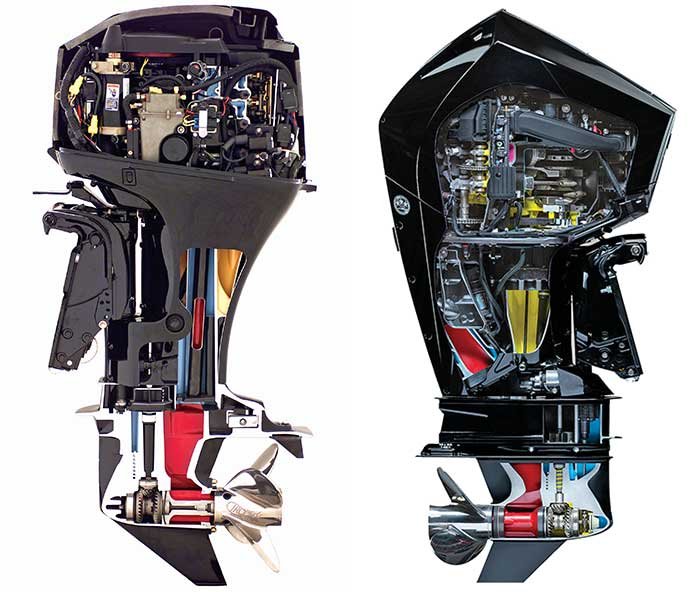
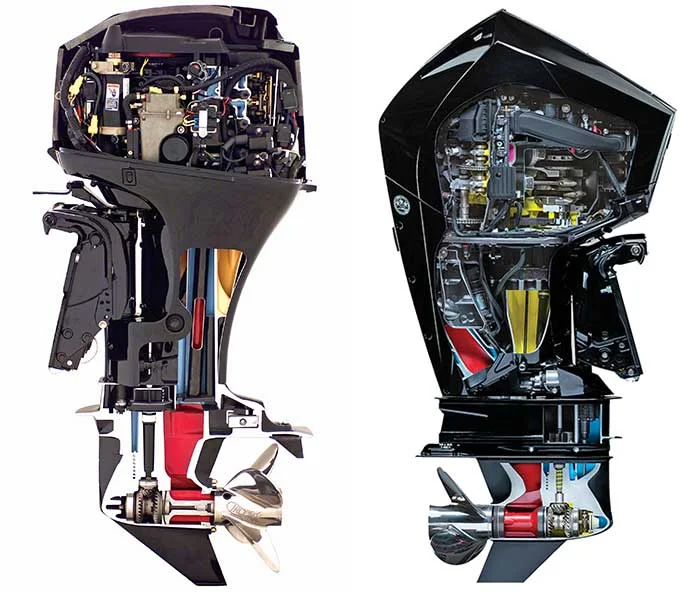
A Honda 90hp outboard is the engine Honda built to prove that a smaller, lighter block can still hang with bigger-displacement rivals if the engineering is right. It’s the only engine in its class running Honda’s VTEC variable valve timing, technology borrowed straight from Honda’s car lineup, and it does more with less displacement than most competitors manage. We keep Honda 90hp outboard units in stock, and this guide covers the real specs, what boats it fits, and what to check before buying one used.
In this guide:
- What the Honda 90hp Outboard Actually Is
- Full Specifications
- Shaft Length and Rigging Options
- Honda 90HP Units We Have In Stock
- What Boats This Engine Actually Fits
- Fuel Economy and Real-World Range
- How It Stacks Up Against Yamaha and Suzuki
- Maintenance You Can’t Skip
- Worldwide Shipping
- What Affects Pricing on a Used Honda 90hp
- Matching the Honda 90hp to Your Boat
- Common Issues and What to Check Before Buying Used
- FAQs
What the Honda 90hp Outboard Actually Is
The Honda 90hp outboard, the BF90, runs on a 1,496cc inline four-cylinder block with a single overhead cam and 16 valves. The standout feature is VTEC, Honda’s variable valve timing and lift system, which uses mild cam lobes for low-rpm efficiency and switches to a more aggressive cam profile at higher rpm for stronger top-end power. It’s the same core idea used in Honda’s performance cars, adapted for marine use, and it’s a genuine point of difference from Suzuki and Yamaha’s competing 90hp engines, which don’t use variable valve timing at this output.
Honda paired this with a redesigned alternator using neodymium magnets under the flywheel, which produces up to 44 total amps with 35 amps dedicated to battery charging, more than double what the previous generation BF90 offered and well above most competitors at this size. For owners running multiple electronics, livewells, or accessories, that charging capacity is a real practical advantage, not just a spec sheet number.
Full Specifications
- Engine type: 4-stroke inline 4-cylinder, SOHC, 16-valve, VTEC
- Displacement: 1,496cc (91.3 cu in)
- Bore x stroke: 73mm x 89.4mm
- Max output: 90hp at 5,300-6,300 rpm
- Fuel delivery: Programmed Electronic Fuel Injection (PGM-FI), multi-port
- Fuel requirement: Unleaded gasoline, 86-87 octane minimum
- Gear ratio: 2.33:1
- Alternator: 44A total, 35A dedicated charging
- Starting system: Electric
- Weight: 365 lbs (X-type, 25″ shaft)
- Trim range: -4° to +16°
- Trim and tilt: Power trim and tilt standard
- Cooling: 3-Way Cooling System
- Warranty: 5-year transferable, non-declining factory warranty
Shaft Length and Rigging Options
The Honda 90hp outboard is available in long shaft (20″) and extra-long shaft, or X-type (25″), configurations, sold under model codes like BF90D5LRTA for long shaft and BF90D5XRTA for extra-long shaft. Both are built around the same VTEC powerhead, so the choice comes down entirely to matching your boat’s transom height rather than any performance difference between the two. Honda also offers a center-mount tiller control option on this platform that integrates the shift lever, power trim button, and an LCD information display into a single handle, which is worth considering if you’re rigging a smaller boat without a full console.
Honda 90HP Units We Have In Stock
We currently stock Honda 90hp outboard motors including the Honda 90 HP BF90D5LRTA in standard long shaft and the Honda 90 HP BF90D5XRTA in extra-long shaft. Both are run-tested and inspected before listing, with current hours, condition, and pricing shown on each listing page. If you’re comparing against a Suzuki at this power level, our Suzuki 90hp outboard guide covers that engine in the same level of detail.
What Boats This Engine Actually Fits
The Honda 90hp outboard is a strong single-engine choice on center consoles and bowriders from about 18 to 23 feet, and its lighter weight relative to some competing 90hp engines makes it a popular option for owners who want to keep transom weight down without giving up power. It’s also a common repower target for boats moving up from a 75hp engine, since the jump in both power and charging capacity is significant while the physical footprint barely changes. Twin installations show up on pontoons and lighter catamaran hulls where the reduced weight per engine matters for handling and fuel economy.
Fuel Economy and Real-World Range
At a normal cruise around 4,000 rpm, owners typically report burning between 5 and 6 gallons per hour depending on hull, load, and prop selection, which is competitive with other 90hp four-strokes despite this engine’s smaller displacement. Wide open throttle burn runs roughly 8.5 to 9.5 gallons per hour. Honda’s Lean Burn Control system and the efficiency gains from VTEC’s variable valve timing both contribute to this engine getting good range out of a comparatively small powerhead.
This engine is rated for a minimum octane in the 86 to 87 range depending on market, and it’s worth double-checking local fuel labeling if you’re shipping this engine outside the US, since octane rating methods differ by country. The EPA’s page on ethanol-blended fuel is a useful starting point if you’re unfamiliar with how ethanol content affects marine engines generally.
How It Stacks Up Against Yamaha and Suzuki
The closest competitors to the Honda 90hp outboard are Yamaha’s F90 and Suzuki’s DF90A, both of which use larger displacement blocks to reach the same 90hp output. Honda’s VTEC system lets the BF90 make comparable power from a smaller, lighter engine, and the redesigned 44-amp alternator gives it a real charging advantage over both rivals. Suzuki counters with a self-adjusting timing chain that avoids the timing belt service Honda’s VTEC engine requires, so it’s worth weighing smoothness and charging capacity against long-term belt maintenance costs when deciding between them. Yamaha’s F90 tends to have the broadest global parts and dealer network, which matters if you’re buying somewhere without strong Honda marine coverage. For a side-by-side look at the Suzuki alternative, our Suzuki 90hp outboard guide covers the same detail level.
Maintenance You Can’t Skip
Honda recommends an oil and filter change every 100 hours or annually, whichever comes first, using SAE 10W-30 four-stroke marine oil, with a 4.4-liter sump capacity that gives it decent buffer for absorbing oil dilution during extended low-speed trolling. Because this engine uses a timing belt rather than a chain, that belt needs inspection annually and replacement roughly every 800 to 1,000 hours, which is a maintenance cost worth budgeting for that Suzuki’s chain-driven competitor doesn’t carry.
Valve clearance is checked with a feeler gauge and a 10mm spanner, a straightforward job for anyone comfortable with basic engine maintenance. Gearcase oil should be changed annually, and milky or discolored gear oil remains the clearest early warning sign of a seal letting water into the lower unit on any outboard, this one included. Sacrificial anodes should get a visual check several times a season in saltwater use.
Worldwide Shipping
We ship Honda 90hp outboard motors internationally by air or ocean freight, with a complete landed cost quote provided before you purchase so there are no surprise costs once the engine clears customs. Ocean freight is the more economical option for most international buyers and typically takes a few weeks, while air freight costs more but arrives in days. We handle export crating and documentation for both methods and coordinate directly with your freight forwarder if you already have one in place.
What Affects Pricing on a Used Honda 90hp
Hours and documented maintenance history matter most, and because this engine’s timing belt has a defined replacement interval, whether that service has been done recently is a bigger factor here than on some chain-driven competitors. Shaft length affects pricing too, with extra-long shaft units generally running a bit higher due to lower supply. As always, whether the engine is complete with controls, wiring harness, and propeller versus sold as a bare powerhead significantly changes the price, so confirm exactly what’s included before comparing listings.
Matching the Honda 90hp to Your Boat
Check your hull’s capacity plate for maximum rated horsepower and confirm your transom height against the long shaft or X-type options before ordering. Because this engine runs lighter than some 90hp competitors, it’s a good option if your hull is weight-sensitive or if you’re setting up a twin-engine configuration where every pound per side matters. If you’re unsure which shaft length or control configuration matches your existing setup, send us your boat’s details and we’ll confirm compatibility before shipping.
Common Issues and What to Check Before Buying Used
We compression-test every Honda 90hp outboard before it’s listed for sale, since uneven or low compression is the clearest early sign of internal wear. Because this engine uses a timing belt, we also confirm belt replacement history on used units specifically, since a belt that’s overdue or has an unknown service history is a real cost to factor into your offer, even though a non-interference design means a snapped belt won’t cause the catastrophic damage it would on some other engines.
Fuel system condition is checked next, since PGM-FI injectors can gum up from stale or ethanol-heavy fuel just as readily as a carburetor’s jets. Gearcase oil is the final check, and milky or metal-flecked oil signals a seal issue that, left unaddressed, becomes a significantly more expensive lower unit repair. We disclose the true condition of every engine we sell rather than leaving a buyer to discover problems after the fact.
Real Owner Feedback on the Honda 90hp Outboard
Owners running a Honda 90hp outboard on a twin-engine setup consistently point to the charging capacity as an underrated selling point. Forty-four amps of total alternator output with 35 dedicated to charging is genuinely more than most boats at this size need, which means there’s real headroom for electronics, livewells, and accessories without worrying about draining the battery bank on a long day out. The VTEC system is the more talked-about feature, and it earns the attention, since it gives the Honda 90hp outboard a noticeably smoother power delivery through the rev range than a fixed-valve-timing engine of similar displacement can manage, without giving up the fuel efficiency that a smaller four-cylinder block provides at cruise.
More Outboard Motor Guides
Comparing engines before you decide? Here are our other current guides covering this power range:
FAQs
How much does a Honda 90hp outboard weigh?
365 lbs for the X-type, 25″ shaft configuration.
What boats is a Honda 90hp outboard good for?
Center consoles and bowriders from about 18 to 23 feet as a single engine, and pontoons or lighter catamaran hulls in twin-engine setups.
Do you ship the Honda 90hp outboard internationally?
Yes, we ship worldwide by air or ocean freight and provide a full landed cost quote before purchase.
Is a used Honda 90hp outboard a good buy?
Generally yes, provided compression, timing belt history, and gearcase condition check out. We compression-test and inspect every unit before listing and disclose hours and condition honestly.
What is VTEC on the Honda 90hp outboard?
VTEC is Honda’s variable valve timing and lift system, using mild cam lobes at low rpm and a more aggressive profile at high rpm to balance fuel efficiency with top-end power.
What fuel does the Honda 90hp outboard need?
Unleaded gasoline with a minimum octane in the 86 to 87 range depending on regional fuel standards.
Does the Honda 90hp use a timing belt or a timing chain?
A timing belt, which needs inspection annually and replacement roughly every 800 to 1,000 hours. This is worth factoring into long-term maintenance costs compared to chain-driven competitors.
How does the Honda 90hp compare to Suzuki’s DF90A?
Both make similar power. Honda’s VTEC engine is lighter and charges faster with its 44-amp alternator, while Suzuki’s self-adjusting timing chain avoids scheduled belt replacement.
We keep Honda 90hp outboard motors in stock in multiple shaft lengths, tested and ready to ship worldwide. Browse our current stock above, or send us your boat’s details and we’ll get you a same-day shipping quote.
Posts Widget
- 1
- 2

- 3

- 4


S.H Continental Marine
USA HERALD MAGAZINE INC
Our team is dedicated to providing exceptional customer service.
Email: info@shcontinentalmarine.com
Choose S.H Continental Marine
for your outboard engine needs and enjoy superior quality, exceptional customer service, and unbeatable prices.
