
Used Outboard Motors: How to Buy Smart and What to Watch Out For
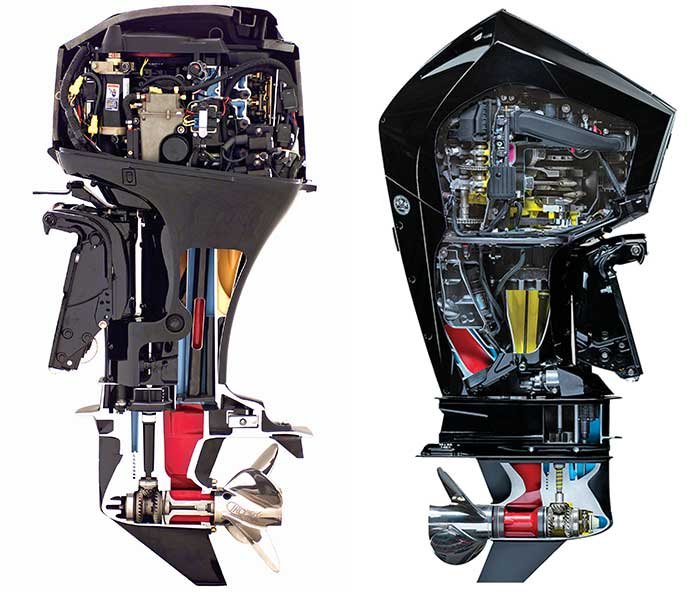
Buying used outboard motors is one of those purchases where the difference between a good deal and an expensive mistake comes down to knowing what to look for. At SH Continental Marine, we sell used outboard motors to buyers worldwide — from individual boat owners replacing a tired engine to commercial fleets looking to expand capacity without spending new-engine money. We inspect what we sell, and we’re straight about what we have.
This guide covers how to evaluate used outboard motors, what specs to check, what questions to ask, and what the red flags are. Whether you’re buying from us or from somewhere else, this information is worth having.
When Used Outboard Motors Make Sense
Used outboard motors make a lot of sense in the right situation. The main one is budget. A well-maintained used outboard motor with 300 hours on it can deliver years of reliable service at a fraction of the cost of a new unit. For buyers in markets where freight costs add significantly to the delivered price of new engines, the economics shift even further in favor of good-quality used outboard motors.
They also make sense when you need an engine fast. Lead times on new units can stretch. A quality used outboard motor in stock ships the same week. For a commercial operator who’s lost an engine mid-season, that matters.
What doesn’t make sense is buying used outboard motors based on price alone. A cheap engine with an unknown service history, compression problems, or hidden corrosion will cost more in repairs than the saving was worth. The goal is value, not just a low number.
What to Check on Used Outboard Motors
When evaluating used outboard motors, there’s a logical order to work through. Start with the big-ticket items that are expensive to fix, then move to the maintenance indicators that tell you how the engine was treated.
Compression Test
A compression test is the most important single check on any used outboard motor. It tells you whether the piston rings and cylinder walls are in acceptable condition. Low or uneven compression across cylinders means internal wear that will either cause problems soon or require a rebuild. Any seller of reputable used outboard motors should be able to provide compression readings or run the test while you watch. If they won’t, that tells you something.
For Yamaha four-stroke used outboard motors in the 90 HP class, healthy compression typically runs 180–200 PSI per cylinder with all cylinders reading within about 10% of each other. Numbers well below 150 or significant cylinder-to-cylinder variation are warning signs worth taking seriously.
Lower Unit
The lower unit on used outboard motors takes significant wear and impact over the engine’s life. Check the gear lube — drain a small amount and look at the color and consistency. Milky or white gear lube indicates water contamination, which means a seal failure somewhere. That’s a known fix but it’s a cost. Metal particles in the gear lube indicate gear wear, which is a bigger problem.
Also inspect the propeller shaft for straightness and the cavitation plate for impact damage. Used outboard motors that have hit rocks or submerged objects may have bent shafts or damaged gear sets that weren’t repaired. A straight shaft test (rotate the prop by hand and watch for wobble) takes thirty seconds and can save a lot of trouble.
Corrosion Assessment
Corrosion is the most common hidden problem in used outboard motors that have spent time in saltwater. Surface corrosion on aluminum cowling is cosmetic and not a concern. What matters is corrosion in the cooling passages, on the powerhead mounting surfaces, around the exhaust system, and inside the lower unit. Check whether the sacrificial anodes have been maintained — anodes eaten down to almost nothing on used outboard motors indicate they were working hard to protect things, but also that they weren’t being replaced regularly enough.
Hours and Service History
Hours alone don’t tell the full story on used outboard motors. An engine with 800 hours that has been serviced consistently is in better condition than one with 300 hours that was never flushed after saltwater use. Ask for service records. Check whether the oil was changed on schedule. Ask about impeller history — an impeller that’s never been replaced on a 500-hour engine is a failure waiting to happen. Our guide on Yamaha outboard impeller replacement explains why this matters.
Cold Start Test
If at all possible, watch used outboard motors start cold. A cold start reveals EFI issues, fuel delivery problems, starting system condition, and whether the engine idles cleanly without hunting or stalling. An engine that starts first push from cold and idles smoothly is a good sign. One that takes multiple attempts, puffs smoke on startup, or won’t idle without choke is showing you something. Our post on Yamaha outboard won’t start troubleshooting covers what each symptom typically means.
Used Outboard Motors We Stock
At SH Continental Marine, the used outboard motors we carry are primarily Yamaha four-stroke units that have been inspected and tested before being listed. We focus on Yamaha because the parts are available, the service manuals are accessible, and there’s a genuine global service network. When a buyer in a remote location picks up a Yamaha used outboard motor from us, they can usually find a qualified mechanic and genuine parts within a reasonable distance.
Yamaha 90 HP Used Units
The 90 HP Yamaha four-stroke is one of the most widely sold and serviced used outboard motors in the world. There are a lot of them out there, which means parts are abundant and mechanics are familiar with them. Specs on these engines: 1.8L inline 4-cylinder, DOHC 16-valve, EFI, 90 HP at 5,500 RPM, 35-amp alternator, power trim and tilt, 353 lbs. The F90LB variant is 20-inch shaft; the F90XB is 25-inch. Check our Yamaha 90 HP used listings here.
Yamaha 9.9 HP Used Units
For buyers needing a small auxiliary or tender engine, the Yamaha 9.9 HP is one of the most reliable used outboard motors in this class. The 212cc four-stroke runs clean, starts easily even after extended storage if maintained, and is light enough for one person to handle. Electric start models include power tilt. See available Yamaha 9.9 HP units here.
Key Specifications to Verify on Used Outboard Motors
When comparing used outboard motors, verify these specs before agreeing to anything:
- Engine type and displacement — Confirms the unit matches the advertised model. 1.8L for the Yamaha 90 HP class.
- Shaft length — Short (15″), long (20″), or extra-long (25″). Must match your transom.
- Fuel system — EFI or carbureted. Yamaha four-stroke used outboard motors from the mid-2000s onward are typically EFI.
- Starting system — Electric, manual, or both.
- Trim and tilt — Power trim and tilt or manual? Confirm it works.
- Alternator output — 35 amps on the Yamaha 90 HP class. Adequate for most setups.
- Weight — Important for transom rating compliance. Yamaha 90 HP is approximately 353 lbs.
What Makes Used Outboard Motors Fail Early
Most used outboard motors that fail before their time share the same history: inconsistent maintenance, saltwater exposure without proper flushing, and minor problems that were ignored until they became major ones.
Overheating is one of the most common causes of serious damage in used outboard motors. A failed impeller left too long causes cylinder scoring and head damage that’s expensive to fix. Our post on Yamaha outboard overheating causes explains how this happens and how to prevent it. Any used outboard motor you’re considering buying should have its cooling system confirmed as fully functional before you hand over money.
Oil neglect is the other major killer. Four-stroke used outboard motors that have had their oil changed correctly, on schedule, using the right grade, look very different inside than ones that haven’t. If you can see the oil currently in the engine, check its color. Black, thick oil that’s clearly well past its change interval is a sign of how the engine was treated. Our guide on the best oil for Yamaha outboards is useful reading if you end up buying a unit and want to establish a proper service routine from the start.
Buying Used Outboard Motors for Different Purposes
Backup or Second Engine
Many commercial operators and serious recreational boaters buy used outboard motors as backups. A known-good spare engine can mean the difference between a lost day and continuing operations. For this use, an engine with more hours is acceptable as long as it’s healthy — it just needs to run reliably when you need it, not cover 3,000 more hours of primary use.
Primary Engine Replacement
If used outboard motors are going to be your primary propulsion, set the bar higher. Lower hours, verified compression, confirmed service history, a cold start test — all of these matter more when the engine is your only one. Budget an allowance for an impeller replacement and oil change right after purchase regardless of what the seller says was done. It’s inexpensive and you’ll know exactly where you stand.
Commercial Fleet Expansion
Fleet buyers who are adding capacity without the budget for all-new equipment often find used outboard motors the most practical route. For fleet purchases, consistency matters — having all your engines be the same model means your mechanics know one service procedure, your spare parts inventory covers all units, and training is simpler. Contact us if you’re looking for multiple used outboard motors of the same model and we’ll check availability across our supply network.
Maintenance After Buying Used Outboard Motors
Whatever the service history was before you owned it, establish your own baseline when you take ownership of used outboard motors. That means: oil change with correct grade oil, impeller inspection and replacement if there’s any doubt about its age, gear lube change, anode inspection and replacement as needed, and fuel system check. Start fresh and service from there on your own schedule.
If the used outboard motors you’ve bought have been in saltwater, flush them immediately and establish the flushing routine for every saltwater outing going forward. See our post on how to flush a Yamaha outboard motor for the proper process. This one habit adds more years to an engine than any other single thing.
Check the gauges and monitoring systems. If the engine has an overheating warning that was disconnected or bypassed by a previous owner, fix that before running the engine on the water. Our guide on Yamaha outboard gauges explained helps you understand what each reading should look like under normal operating conditions.
Accessories and Rigging for Used Outboard Motors
When installing used outboard motors on a new-to-you boat or replacing an existing engine, check the control system. Old or worn control cables develop stiff spots and dead zones that make the boat harder to handle than it should be. A new control box and fresh cables are a worthwhile investment alongside used outboard motors that are otherwise in good shape. Our Yamaha outboard control box buying guide walks through what to look for.
The propeller deserves attention too. If the used outboard motors you’re buying come with a prop, inspect it carefully for bends, nicks, and cavitation erosion. A damaged prop makes the engine work harder and introduces vibration that accelerates wear. Our post on best propellers for Yamaha outboards covers how to choose a replacement if needed.
Using genuine parts on used outboard motors matters more than people think. When an older engine needs a water pump kit, thermostat, or fuel filter, the aftermarket is full of cheap substitutes that don’t last. Our article on genuine Yamaha outboard parts explains why OEM components are worth the extra cost on an engine you’re trying to keep running long-term.
Common Questions About Used Outboard Motors
How many hours is too many on used outboard motors?
There’s no single cutoff. A Yamaha four-stroke used outboard motor with 600 hours and a documented service history is often a better buy than one with 200 hours and no records. Hours matter less than maintenance history. That said, once you’re past 800–1,000 hours on used outboard motors without knowing the full history, you need to be more careful and price in the possibility of near-term repairs.
Do used outboard motors come with any warranty?
Used outboard motors from SH Continental Marine are inspected before sale. Warranty terms vary by unit — contact us for details on the specific engine you’re considering. We’re transparent about what each unit has been through and what we’ve checked.
Can used outboard motors be shipped internationally?
Yes. We ship used outboard motors worldwide. We handle all documentation and packaging for international freight. Contact us through the contact page for shipping quotes to your country.
Why Buy Used Outboard Motors From SH Continental Marine
We know the difference between a used outboard motor that has more life left in it and one that’s been cleaned up for a quick sale. We test compression, check gear lube, inspect cooling systems, and run engines before they go into our inventory. When we sell a used outboard motor, we know what it is.
We ship worldwide from SH Continental Marine — to the UK, Australia, the Americas, the Middle East, Southeast Asia, and across Africa. Every engine is properly packed for transit, insured, and tracked. Browse our current inventory of used outboard motors or contact us directly if you’re looking for a specific model and HP rating.
Posts Widget
- 1

- 2

- 3
- 4


S.H Continental Marine
USA HERALD MAGAZINE INC
Our team is dedicated to providing exceptional customer service.
Email: info@shcontinentalmarine.com
Choose S.H Continental Marine
for your outboard engine needs and enjoy superior quality, exceptional customer service, and unbeatable prices.
