
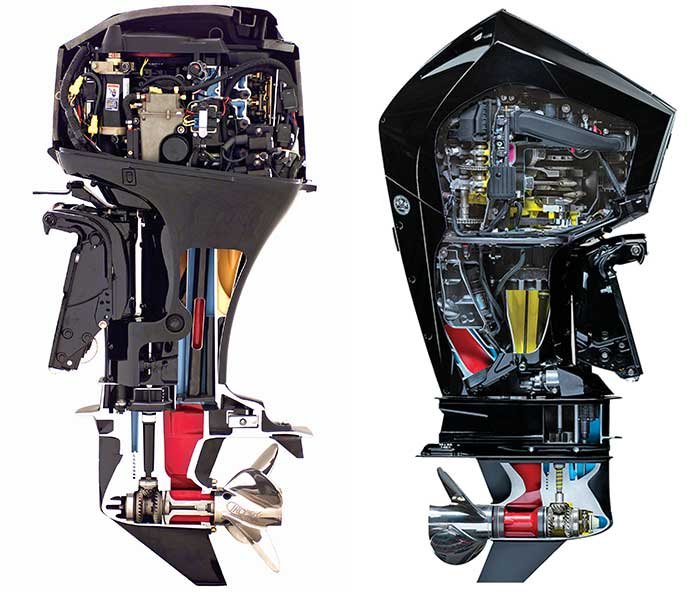
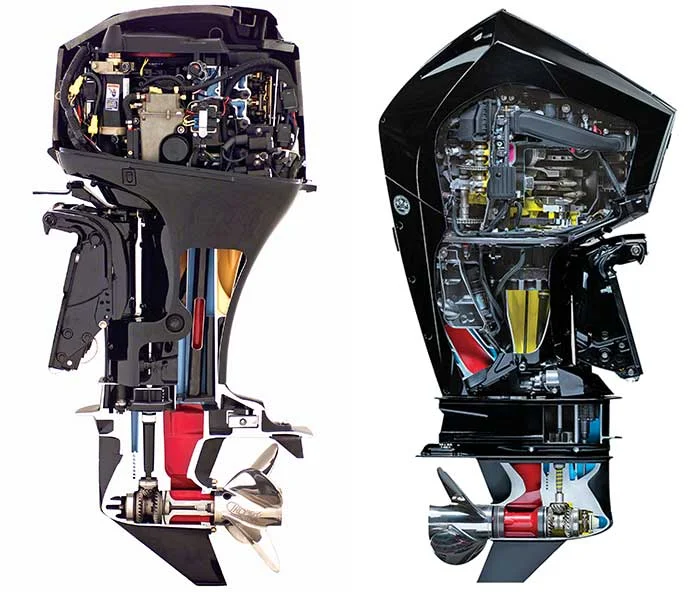
Marine Engine Export: How to Ship an Outboard Overseas Without Surprises

Marine Engine Export: What Buyers Get Wrong the First Time
Most of the problems we see with marine engine export orders don’t happen at the port — they happen before the order is even placed. Someone picks a model based on price alone, doesn’t check whether that shaft length fits their hull, doesn’t confirm their country’s import rules, and then finds out three weeks into transit that something doesn’t line up. This guide is meant to head that off. It’s the same information we walk every international buyer through before we crate an engine.
Start With the Boat, Not the Engine
Before we talk shipping, we talk fitment, because a marine engine export order that arrives with the wrong shaft length or the wrong control setup is an expensive mistake to fix overseas. We need to know your transom height (which determines 15″, 20″, or 25″ shaft length), whether you’re running remote controls or a tiller, your hull weight and typical load, and whether the boat runs in fresh or saltwater. Get this wrong on a marine engine export order and the fix isn’t a quick local adjustment — it’s another shipment.
Specifications Across Our Export Range
Here’s a snapshot of the specs across the range we most commonly export, so you can compare against your hull requirements before ordering:
- 8 HP class: 2-cylinder, four-stroke, 212cc, roughly 87 lbs, 15″ shaft, manual start, carbureted — suited to dinghies, small skiffs, and auxiliary sailboat power
- 9.9 HP class: 2-cylinder, four-stroke, 212cc, 99–117 lbs depending on shaft length and start type (manual or electric), high-thrust propeller options available — suited to pontoons, workboats, and heavier tenders
- 90 HP class: Inline 4-cylinder, DOHC, 1832cc, EFI, roughly 353 lbs, 20″ or 25″ shaft, electric start, 35-amp alternator — our most common commercial and mid-size recreational export request
Full spec sheets are available on each product page — the Yamaha F90JB and F90LB are two of the most requested 90 HP variants for marine engine export, and both come in the shaft lengths above.
Packaging for Ocean Transit
Marine engine export packaging isn’t the same as domestic shipping. Salt air and rough handling during transshipment are real risks, so every engine we export gets:
- A rust-preventative coating applied to exposed metal surfaces before crating
- A sealed wooden crate sized to the engine, not a generic box, to prevent movement in transit
- Desiccant packs inside the crate to control humidity during long ocean voyages
- Fuel system drained and stabilized per shipping regulations for engines containing residual fuel
- Clear exterior marking with handling instructions for port workers
Freight Options and What They Actually Cost
For marine engine export, sea freight is standard for anything beyond a single small unit. A 90 HP class engine typically ships via LCL (less-than-container load) unless you’re ordering enough units to fill a container, in which case FCL (full container load) becomes more cost-effective per unit. Transit time runs roughly 3–8 weeks port to port depending on your region, plus local customs clearance. Air freight cuts that to days but the cost difference is substantial — we typically only recommend it for urgent single-engine orders or lighter 8–9.9 HP units where the weight penalty is smaller relative to unit value.
Duties, Taxes, and the Honest Answer About Cost
We wish we could give a flat number for landed cost, but import duty on marine engines varies too much by country to generalize responsibly — some markets treat outboard motors as duty-free capital equipment, others apply standard import tariffs plus VAT. We quote what we control directly — unit price, domestic freight, export crating, and ocean or air freight to your port — and we point you toward your customs authority or a local broker for the duty and tax portion, since getting that number wrong on our end could leave you with an unpleasant surprise at clearance.
After the Engine Arrives
Marine engine export doesn’t end at the dock. We recommend:
- Inspecting the crate for shipping damage before signing for delivery
- Having a qualified marine mechanic perform pre-commissioning checks before first start — oil level, fuel system, prop torque
- Registering the engine’s serial number with us so we have a record on file for any future warranty or parts conversation
- Flushing the cooling system if the engine sat in transit for an extended period before installation
For general guidance on engine handling and safe operation standards, the American Boat and Yacht Council publishes widely referenced standards that many international surveyors and installers also follow, even outside the US.
Ready to Start a Marine Engine Export Order?
Send us your hull specs, destination port, and preferred model, and we’ll come back with a fitment check, a crated unit price, and a realistic freight timeline. We ship single engines for private boat owners and multi-unit orders for dealers and fleets, and we’ll flag anything about your specific order that needs a second look before it leaves the warehouse.
Posts Widget
- 1

- 2

- 3

- 4


S.H Continental Marine
USA HERALD MAGAZINE INC
Our team is dedicated to providing exceptional customer service.
Email: info@shcontinentalmarine.com
Choose S.H Continental Marine
for your outboard engine needs and enjoy superior quality, exceptional customer service, and unbeatable prices.
