Honda 150 HP Outboard Engine Review 2
Honda 150 HP Outboard Engine Review
Let’s keep this real.
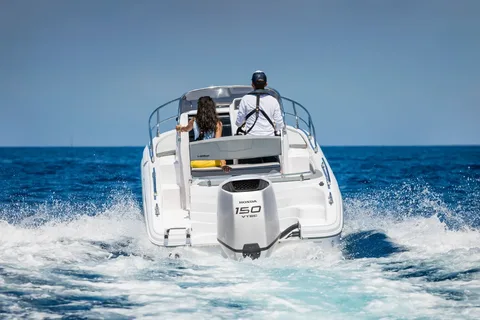
If you’re searching Honda 150 HP Outboard Engine Review, you’re probably not just browsing. You’re trying to figure out if this engine is worth your money—and more importantly, where to get one without running into problems later. Honda 250 HP Outboard Engine Price and Review
This isn’t a small engine. It’s not something you buy casually. A 150 HP outboard sits right in that range where performance actually matters.
So instead of making this sound technical, let’s go through it the way people actually think about it.
Why the 150 HP range is so popular
There’s a reason you see this engine size everywhere.
It hits a balance.
Not too small. Not oversized.
A Honda 150 HP outboard works well for:
- Mid-size boats
- Offshore fishing setups
- Recreational use
- Work boats
It gives you enough power without jumping into the cost and fuel demand of larger engines.
That’s why people keep coming back to it.
What makes Honda stand out
Before anything else, there’s a reason people specifically look for Honda.
It’s not hype.
They’re known for:
- Smooth performance
- Fuel efficiency
- Quiet operation
- Long-term reliability
So when someone searches Honda 150 HP Outboard Engine Review, they’re usually already leaning toward Honda—they just want confirmation.
What this engine actually feels like to use
Let’s skip the specs for a second.
This engine feels steady.
It’s not trying to impress you with noise or aggression. It just does its job.
- Starts clean
- Runs smoothly
- Handles load without struggle
That’s what people notice first.
Where this engine makes the most sense
You’ll get the most out of it if:
- Your boat is mid-sized
- You need consistent power
- You’re not trying to push extreme speed
It’s ideal for people who want reliability over flash.
Specifications (simple and clear)
Here’s what you’re typically getting with a Honda 150 HP:
- Engine type: 4-stroke
- Power: 150 HP
- Fuel type: Gasoline
- Cooling: Water-cooled
- Starting: Electric
- Trim: Power trim and tilt
- Shaft options: Multiple (short, long, extra long)
- Weight: Moderate for its class
Nothing complicated—just what you’d expect.
New vs used — what matters
If you’re going through a Honda 150 HP Outboard Engine Review, this question comes up fast.
New engine
- No previous use
- Higher price
- No history
Used engine
- Lower cost
- Still reliable if maintained
- Depends on condition
A good used engine with low hours can be a smart choice.
What to check before buying
This is where people make mistakes.
Engine hours
This is like mileage.
Lower hours usually mean less wear.
Condition
Ask clearly:
- Has it been tested?
- Any issues?
- Any repairs?
Don’t accept vague answers.
Shaft length
This has to match your boat.
If it doesn’t, you’ll have problems.
What’s included
Controls, wiring, propeller—confirm everything.
Pricing — what to expect
Prices vary depending on condition.
- New → higher cost
- Used → lower cost
If something is too cheap, there’s usually a reason.
Buying online
This is normal now.
You don’t have to buy locally.
Process is simple:
- Confirm the engine
- Get full details
- Make payment
- Shipping is arranged
The important part is dealing with someone who gives clear information.
Shipping
These engines are heavy and need proper handling.
- Secured properly
- Packed for protection
- Delivered safely
If this isn’t explained clearly, ask.
What we do
We keep things straightforward.
If you’re searching Honda 150 HP Outboard Engine Review, here’s what you can expect from us:
- Clear engine details
- Tested units (for used engines)
- Fair pricing
- Proper shipping
No confusion.
Common mistakes buyers make
This happens more than it should:
- Not checking engine hours
- Ignoring shaft compatibility
- Choosing only based on price
- Not asking enough questions
Taking a little time upfront saves problems later.
Installation
Don’t rush this part.
- Mount it properly
- Check fuel system
- Test before full use
A good engine still needs proper setup.
Maintenance
If you want it to last:
- Change oil regularly
- Check cooling system
- Inspect propeller
Nothing complicated—just consistency.
Final thoughts
If you’re reading Honda 150 HP Outboard Engine Review, here’s the honest answer:
This is a solid engine if it fits your needs.
You don’t need the biggest engine.
You don’t need the cheapest one.
You need one that:
- Matches your boat
- Runs properly
- Has been checked
That’s it.
FAQ
Is the Honda 150 HP reliable?
Yes, it’s known for long-term reliability.
What boats is it good for?
Mid-size boats and offshore use.
Is it fuel efficient?
Yes, for its size.
Can I buy it used?
Yes, and it can be a good option if in good condition.
What should I check before buying?
Hours, condition, and shaft length.
Does it come with controls?
Depends on the unit.
Can it be shipped worldwide?
Yes.
Is it easy to install?
With experience, yes.
What should I avoid?
Engines with unclear condition.
How do I order?
Contact us, confirm details, and proceed.
If something isn’t clear, ask before you buy. It’s always better than dealing with problems later.
Yamaha 300HP Outboard Review: Built for Speed and Strength – Yamaha 300HP outboard for sale
Electric vs Gas Outboard Motors: Pros, Cons & Which is Right for You
Best Portable Outboard Motors for Small Boats
Expert Tips
Good outboard ownership comes down to a few habits: choose the right engine for the boat, follow the break-in procedure, service it on schedule and treat the fuel well. Owners who do those things consistently get many years of dependable running from their engines.
Keep the owner’s manual, receipts and service records together. They make maintenance easier, help with any warranty questions and add value when you eventually sell the boat or engine.
Key Points to Remember
- Match the engine to your boat’s capacity plate and typical load.
- Choose the shaft length that fits your transom.
- Follow the break-in procedure for a new engine.
- Service every 100 hours or once a year, whichever comes first.
- Flush after saltwater use and check anodes regularly.
- Keep records of hours and services.
Practical Checklist
Use this quick checklist to put the advice in this article into practice:
- Check the capacity plate for maximum horsepower and weight
- Measure transom height from the top of the transom to the bottom of the hull
- Decide on steering, starting and trim requirements
- Compare model codes and specifications
- Ask what is included: propeller, controls, fuel tank, cables
- Inspect the crate on delivery and note any damage before signing
More Questions Answered
What shaft length do I need?
Measure from the top of the transom to the bottom of the hull on the centreline: about 15 inches suits a short shaft, 20 a long shaft, 25 an extra-long shaft and 30 an ultra-long shaft.
Should I buy new or used?
New engines give you a known history and full manufacturer support. A well-documented used engine can save money, but check hours, compression and service records carefully.
How much power do I really need?
Most owners choose an engine at 75 to 100 percent of the boat’s rated maximum, which usually gives the best balance of performance, economy and resale value.
Honda 150 HP Outboards to Consider
If you are shopping for an engine after reading this guide, these models are a good place to start. Each listing has full specifications, the model code explained and buying advice.
Related Guides
- Honda 250 HP Outboard Engine Price and Review 2
- Honda 75 HP Outboard Engine Review and Specs 2
- Honda 15 HP Outboard Engine Review Guide
- Honda 2.3 HP Outboard Engine Review and Buying Guide
- Honda 90 HP Outboard Engine Reliability Review
- Honda 9.9 HP Outboard Engine Price and Specs
Next Steps
Browse Honda 150 HP outboards, Honda range or the full outboard shop. Read our shipping policy for delivery details, and contact us if you would like help choosing the right engine for your boat.
Posts Widget
-
1
-
2
-
3
-
4


S.H Continental Marine
USA HERALD MAGAZINE INC
Our team is dedicated to providing exceptional customer service.
Email: info@shcontinentalmarine.com
Choose S.H Continental Marine
for your outboard engine needs and enjoy superior quality, exceptional customer service, and unbeatable prices.